

Siding isn’t just about curb appeal. It’s the barrier between your home’s structure and everything the coast throws at it—moisture, wind, salt, and relentless sun.
When your siding installation is done right, you’re looking at lower energy bills, fewer repairs, and a home that holds its value. Properly installed insulated siding can cut your heating and cooling costs by up to 20%. That’s real money back in your pocket every month.
The wrong material or a rushed install? You’ll see warping, fading, and water damage within a few years. Chula Vista’s climate doesn’t forgive shortcuts. You need siding replacement or installation services that account for UV breakdown, salt corrosion, and the occasional strong wind that comes off the ocean.
We’ve been in the exterior remodeling business for 16 years. We recently transitioned from subcontracting to taking on direct jobs, which means you get our full attention—not divided focus across multiple general contractors.
We’re a newly licensed B General and C33 contractor serving San Diego County. Our crew of seven handles siding, windows, stucco, painting, gutters, and carpentry. We don’t do roofing, so we’re not trying to upsell you on things you don’t need.
Chula Vista homeowners deal with a specific set of challenges. Salt air eats through cheaper materials. UV rays cause fading and brittleness. We’ve seen it all, and we know which products hold up and which don’t. If you’re military or a senior, we offer a 10% discount—because that’s just the right thing to do.
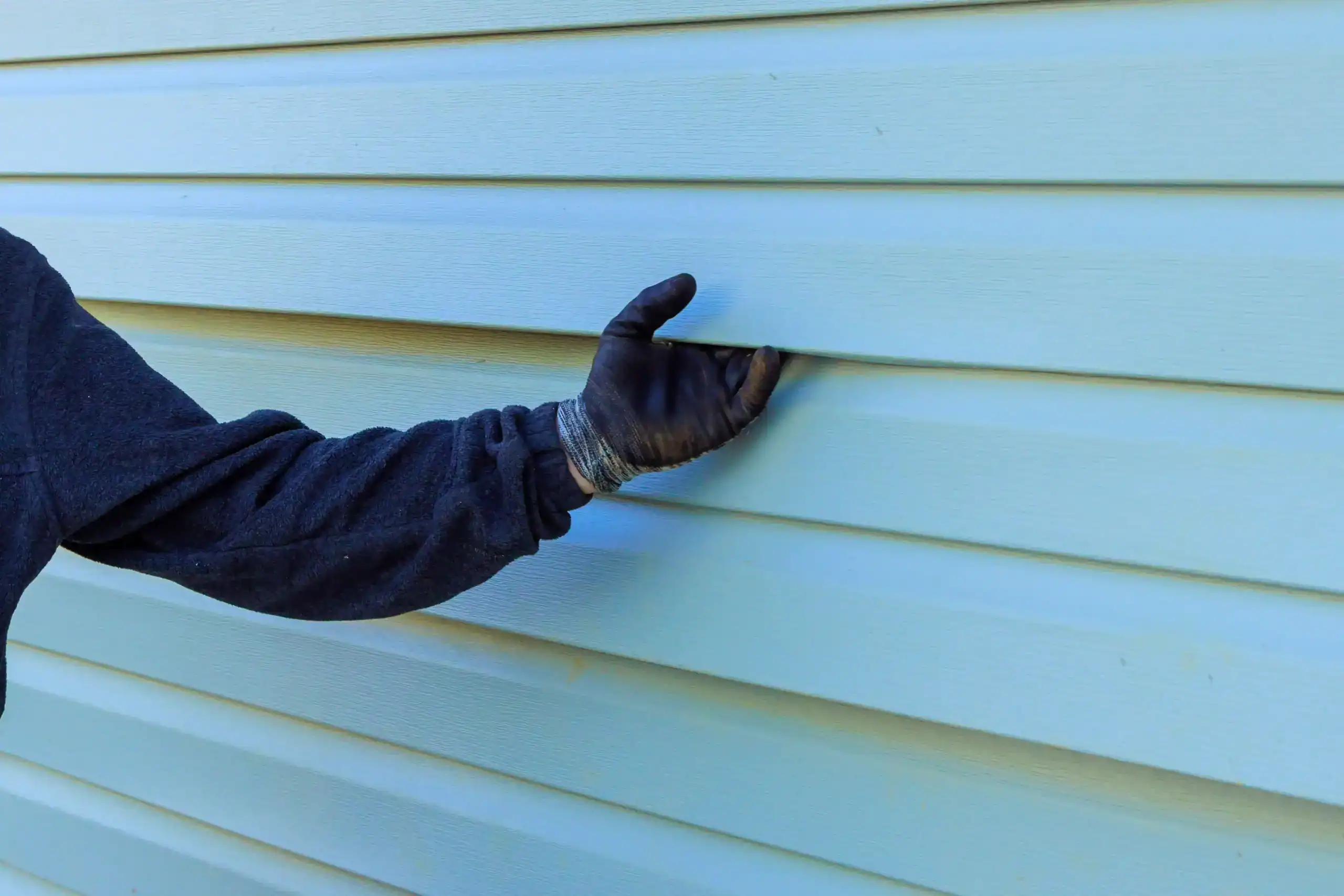
First, we come out and look at what you’re dealing with. We check for water damage, rot, insulation issues, and whether your current siding is salvageable or needs full replacement. No pressure, just an honest assessment.
Once you decide to move forward, we walk you through material options. Fiber cement is the most durable—it resists rot, insects, fire, and holds up in coastal climates better than anything else. Vinyl siding is more budget-friendly and still performs well if installed correctly. We’ll explain the pros and cons based on your home and your budget.
Installation starts with prep work. We remove old siding, inspect and repair sheathing if needed, and make sure everything is level and weatherproofed. Then we install your new siding with proper flashing, sealing, and ventilation. The goal is a tight envelope that keeps moisture out and energy in.
After the job, we clean up and do a final walkthrough with you. You shouldn’t have to worry about callbacks or touch-ups. If something’s not right, we handle it before we leave.
Ready to get started?
You’re getting a licensed contractor who knows San Diego County building codes and climate conditions. We handle fiber cement, vinyl, and other exterior siding materials. Every siding installation includes proper moisture barriers, flashing around windows and doors, and attention to ventilation.
Chula Vista sits seven miles from downtown San Diego, right in the path of ocean air. That means your siding needs to resist salt corrosion and UV damage. Fiber cement is our most popular recommendation here—it doesn’t warp, rot, or attract insects, and it comes in styles that match everything from modern builds to classic California architecture.
We also coordinate with window and stucco work if you’re doing a full exterior remodel. Siding, windows, and stucco are our highest-revenue services because they’re what we do best. You’re not getting a jack-of-all-trades crew that dabbles in everything. You’re getting specialists who do this day in and day out.
Energy efficiency matters too. Insulated siding adds an extra layer of thermal protection, which is a smart move if your HVAC bills are climbing. It’s not magic, but it’s measurable—and it makes your home more comfortable year-round.
Fiber cement siding typically lasts 30 to 50 years in coastal areas like Chula Vista, assuming it’s installed correctly and maintained. The key word is “correctly.” If the installer skips proper flashing, doesn’t leave expansion gaps, or uses the wrong fasteners, you’ll see problems within five years.
Salt air accelerates corrosion on metal components, so we use stainless steel or coated fasteners that won’t rust out. UV exposure is another factor—fiber cement holds up better than vinyl or wood because it doesn’t break down at the molecular level the way plastics and organic materials do.
You’ll want to repaint fiber cement every 10 to 15 years to keep it looking fresh, but the material itself won’t rot, warp, or attract termites. That’s why it’s the go-to for homeowners who want to install once and not think about it again for decades.
Vinyl is lighter, less expensive, and comes in a lot of colors. It’s a solid choice if your budget is tight and you want something that performs well without breaking the bank. The downside is it can fade over time, especially with Chula Vista’s sun exposure, and it’s more prone to cracking in high winds.
Fiber cement is heavier, more durable, and holds paint better. It resists fire, insects, and rot, which makes it ideal for coastal climates. It costs more upfront, but you’re looking at a longer lifespan and better resale value. If you’re planning to stay in your home for 15-plus years, fiber cement usually makes more sense.
Both need proper installation. Vinyl has to be hung loosely enough to expand and contract with temperature changes. Fiber cement requires specific nailing patterns and clearances. Cutting corners on either one leads to buckling, water intrusion, or premature failure. That’s where experience matters.
Expect to pay anywhere from $8,000 to $25,000 for a full siding replacement on an average-sized home in Chula Vista, depending on material, square footage, and how much prep work is needed. Vinyl is on the lower end. Fiber cement is higher but lasts longer.
If we find rot or water damage during tear-off, that adds to the cost because we have to repair sheathing and framing before new siding goes up. It’s not something we can predict until we see what’s behind the old material. We’ll give you a heads-up before doing any extra work.
Labor is a big part of the equation. You’re paying for a licensed crew that knows how to handle coastal installations—proper flashing, moisture barriers, and weatherproofing. Cheap bids usually mean shortcuts, and shortcuts mean callbacks. We’d rather give you an honest number upfront than surprise you with problems later.
Yes, but only if you’re adding insulated siding or replacing old, damaged material that’s letting air through. Insulated vinyl siding can reduce heating and cooling costs by up to 20%, according to industry studies. That’s because it adds a continuous layer of foam insulation behind the siding, reducing thermal bridging and air leaks.
Standard siding—whether vinyl or fiber cement—won’t add much insulation value on its own, but it will stop drafts and moisture intrusion if your current siding is cracked or warped. Think of it as sealing up your home’s envelope. Less air movement means your HVAC doesn’t have to work as hard.
Chula Vista’s climate is mild compared to other parts of the country, but you’re still running AC in summer and heat in winter. Every bit of efficiency helps, especially with energy costs going up. If your siding is 20-plus years old and you’re noticing higher bills, it’s worth looking into replacement.
If the damage is localized—a few cracked panels, a small section with rot—repair might be enough. But if you’re seeing widespread issues like warping, fading, water stains inside your walls, or multiple areas of damage, replacement is usually the smarter move.
Here’s the thing: coastal homes take a beating. Salt air, UV exposure, and moisture all contribute to siding breakdown. If your siding is 15 to 20 years old and showing signs of wear, patching it might buy you a year or two, but you’ll likely be back in the same spot soon.
We’ll give you an honest assessment when we come out. If repair makes sense, we’ll tell you. If you’re throwing good money after bad, we’ll tell you that too. The goal is to help you make the right call for your home and your budget, not to upsell you on work you don’t need.
Yes. Material warranties come from the manufacturer—fiber cement typically has a 30 to 50-year warranty, and vinyl ranges from 20 years to lifetime, depending on the brand. Those warranties cover defects in the product itself, not installation issues.
Our labor warranty covers the installation work. If something fails because of how we installed it—improper flashing, missed fasteners, poor sealing—we come back and fix it at no charge. That’s standard practice for licensed contractors who stand behind their work.
What voids a warranty? DIY repairs, damage from storms or impacts, and failure to maintain the siding per manufacturer guidelines. For fiber cement, that usually means repainting when needed. For vinyl, it means keeping it clean and not pressure-washing at too high a PSI. We’ll walk you through all of that so you know how to protect your investment.
Other Services we provide in Chula Vista
