

Your siding should do more than look good for a year. It should handle Lakeside’s temperature swings, resist salt air damage, and not need constant repairs because someone cut corners on installation.
When fiber cement or vinyl siding is installed correctly for this climate zone, you stop dealing with warping, cracking, and moisture intrusion. Your energy bills drop because the envelope is sealed properly. Your home value goes up because buyers see quality materials installed by licensed contractors who know what they’re doing.
You’re not calling someone back in two years to fix what should’ve been done right the first time. The exterior holds up through Santa Ana winds, coastal humidity, and the kind of weather that exposes bad workmanship fast. That’s what happens when the crew doing the work has been doing it in San Diego County for 16 years and actually understands HardieZone HZ10 requirements.
We’ve been in the exterior remodeling business since 2008. We recently transitioned from subcontracting to direct client work because we got tired of watching homeowners deal with communication gaps and accountability issues when middlemen are involved.
We hold active California B general and C33 licenses. Our seven-person crew handles your job from start to finish—same people, same accountability. We’re not handing your project off to whoever’s available that week.
Lakeside homes deal with specific challenges: coastal moisture, temperature swings, and older housing stock from the ’70s and ’80s that needs materials engineered for this exact climate. We’ve spent 16 years learning what works here and what fails. We handle permitting, inspections, and code compliance because we have the licenses and county relationships to do it right.
We start with an on-site assessment of your current exterior. We’re looking at what’s failing, why it’s failing, and what your home actually needs based on Lakeside’s climate conditions. You get a complete estimate that includes labor, materials, surface prep, primer, cleanup, and disposal—no surprise charges later.
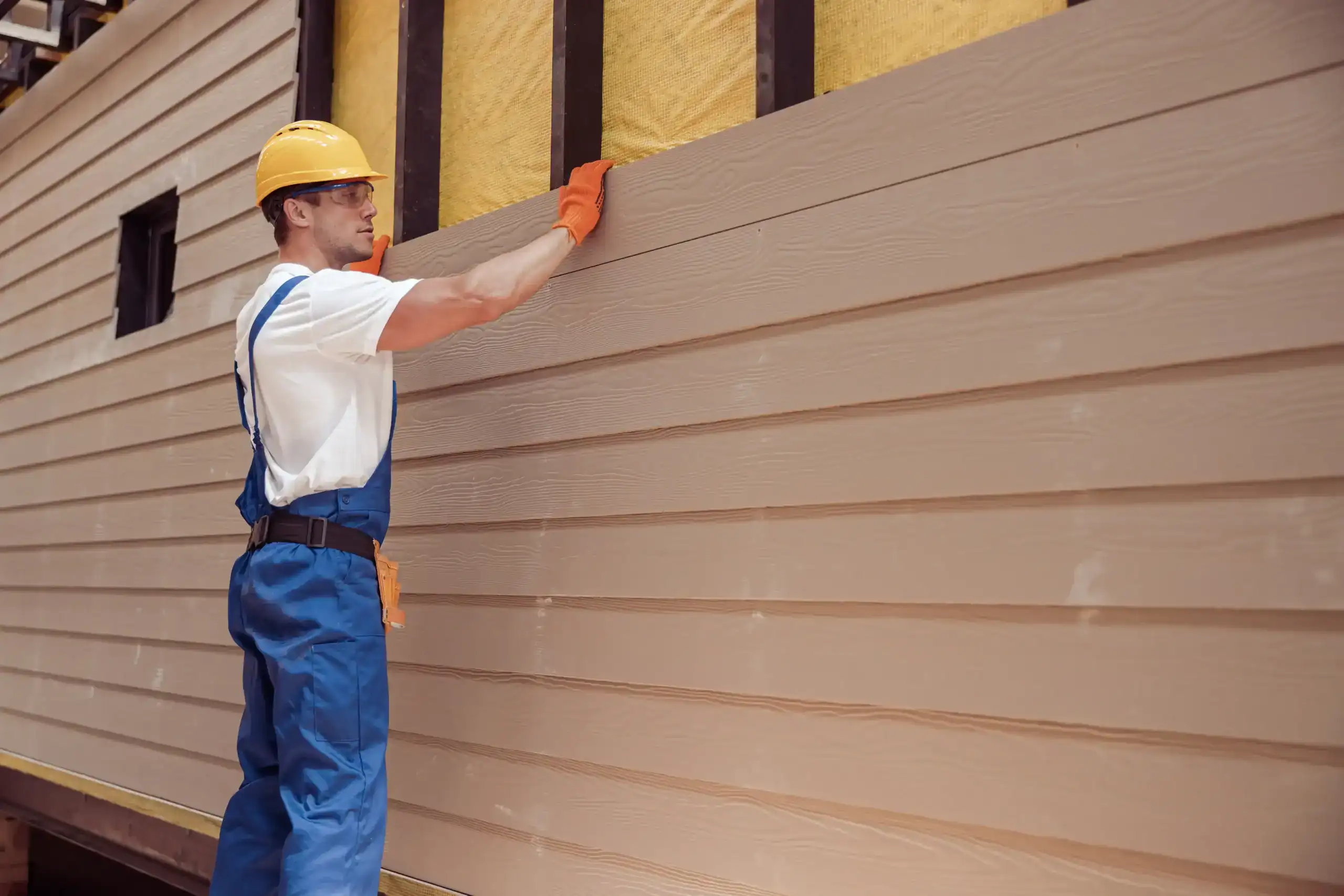
Once you approve the scope, we handle all permitting and scheduling with the county. Our crew removes your old siding, inspects and repairs any underlying damage to sheathing or framing, then installs your new fiber cement or vinyl siding according to manufacturer specs for HardieZone HZ10. That means proper flashing, correct fastening schedules, and appropriate expansion gaps for temperature changes.
We’re on site every day until the job is complete. You’re dealing with our crew directly, not trying to get callbacks from subcontractors who answer to someone else. Final inspection happens with the county, and you receive warranty documentation that’s properly registered and transferable if you sell. The whole process typically takes one to three weeks depending on project size, and you know exactly what’s happening at each stage because we’re the ones doing the work.
Ready to get started?
Every siding installation or replacement includes complete surface preparation, which matters more than most homeowners realize. We’re repairing rotted sheathing, replacing damaged trim, and making sure the structure underneath is sound before new siding goes up.
You’re getting materials specifically rated for San Diego County’s coastal climate zone. Fiber cement siding engineered for HZ10 conditions handles salt air and temperature fluctuations better than generic products. Vinyl siding we install meets impact resistance standards and won’t crack during temperature swings that Lakeside sees between day and night.
The installation includes proper moisture barriers, correctly installed flashing around windows and doors, and fastening that follows manufacturer requirements—not shortcuts that void warranties. We handle all debris removal and site cleanup. You’re also getting our craftsmanship warranty covering labor and materials, plus we register manufacturer warranties properly so they’re actually valid if you need them.
Lakeside’s housing market shows median home values around $990,000. When you’re protecting that kind of investment, the difference between correct installation and cheap installation shows up fast. We’re handling permitting, working with licensed and insured crews, and doing the job so it actually lasts the 30-plus years that quality siding should.
Siding replacement in San Diego County typically runs $8 to $15 per square foot installed, but that range shifts based on material choice, project size, and how much prep work your home needs. Fiber cement costs more upfront than vinyl but pays back through lower maintenance and longer lifespan.
Here’s what drives cost: if we’re finding rotted sheathing or framing damage when old siding comes off, that gets repaired before new siding goes up. Homes with complex architecture, multiple stories, or difficult access cost more because installation takes longer. Material choice matters—premium fiber cement with specific textures or colors costs more than standard profiles.
What you’re actually paying for is materials rated for coastal conditions, proper installation that won’t fail in three years, and licensed contractors handling permits and inspections. The cheapest bid usually means subcontractors, shortcuts on prep work, or materials that aren’t appropriate for Lakeside’s climate. We provide complete estimates upfront that include everything: labor, materials, prep, cleanup, and disposal. No surprise bills later.
Fiber cement siding performs best in Lakeside because it’s engineered specifically for HardieZone HZ10, which covers San Diego County’s coastal climate. It handles salt air, temperature swings, and moisture exposure without warping, cracking, or requiring constant maintenance.
Vinyl siding works well here if you’re using quality products rated for impact resistance and temperature fluctuations. Cheap vinyl cracks during cold snaps and warps in direct sun. The vinyl we install meets climate-appropriate standards and comes with legitimate warranties.
Wood siding looks great but requires regular maintenance in coastal conditions—you’re repainting or restaining every few years and dealing with rot if moisture gets in. Stucco is common in San Diego but that’s a different installation process entirely. Fiber cement gives you the look of wood with almost none of the maintenance, and it’s fire-resistant, which matters during Santa Ana wind season. We’re installing what actually holds up in this specific climate, not just what’s cheapest or easiest.
Most residential siding installations in Lakeside take one to three weeks from start to finish. Single-story homes with straightforward layouts run faster. Two-story homes with complex architecture, multiple roof lines, or extensive trim work take longer.
Timeline depends on project size, weather conditions, and what we find when old siding comes off. If there’s underlying damage to sheathing or framing, we’re repairing that before new siding goes up, which adds time but prevents bigger problems later.
Permitting adds a few days on the front end, and final inspection happens at the end. We’re on site consistently throughout the project—this isn’t a job where we show up randomly between other projects. You’re getting our dedicated seven-person crew from start to finish, which keeps the timeline predictable. We’ll give you a specific schedule during the estimate based on your home’s particular situation.
Yes, siding replacement in Lakeside requires a building permit from San Diego County. Any contractor who tells you otherwise or asks you to pull the permit yourself is either unlicensed or trying to avoid code compliance.
Permits exist to make sure work meets structural, fire, and energy code requirements. Inspectors verify that moisture barriers are installed correctly, flashing is done properly, and the installation meets manufacturer specs. Skipping permits might save money short-term, but it creates problems when you sell—buyers’ inspectors flag unpermitted work, and you’re either redoing it or negotiating price reductions.
We handle all permitting as part of the job because we’re properly licensed and have established relationships with the county. The permit cost is included in your estimate. We schedule inspections, meet the inspector on site, and make sure everything passes. You’re not dealing with any of that process—we are.
Properly installed siding with correct moisture barriers and insulation reduces energy costs by sealing your home’s envelope more effectively. You’re losing less conditioned air through gaps, cracks, and poorly sealed penetrations around windows and doors.
How much you save depends on what you’re replacing. If your current siding has gaps, missing sections, or was installed without proper moisture barriers, you’re probably losing significant energy through the walls. New fiber cement or vinyl siding installed with appropriate underlayment and sealed correctly stops that air leakage.
Lakeside sees temperature swings between day and night, especially during summer. Better envelope sealing means your HVAC system isn’t working as hard to maintain interior temperature. Most homeowners notice the difference in their first summer after installation. The energy savings don’t pay back the full project cost immediately, but combined with increased home value, eliminated maintenance costs, and not having to repaint every few years, the investment makes financial sense over the 30-year lifespan of quality siding.
When general contractors subcontract siding work, you’re paying a markup for the middleman and dealing with communication gaps. The crew doing your job answers to the contractor who hired them, not to you. If problems come up, you’re going through the general contractor to reach the people actually doing the work.
We’re the crew on your property from start to finish. Our seven licensed team members handle your installation directly. If you have questions, concerns, or need something adjusted, you’re talking to the people doing the work. There’s no telephone game, no waiting for callbacks, and no finger-pointing about who’s responsible when something needs attention.
We’ve been subcontractors before—that’s how we spent most of the last 16 years. We transitioned to direct client work because we got tired of watching homeowners deal with the accountability issues that come with subcontractor models. You’re getting the same quality work but with direct communication, transparent pricing, and clear accountability. When one crew handles your entire project, quality control stays consistent and timeline stays predictable.