Expert siding contractors serving San Diego County with 16 years experience, military discounts, and comprehensive exterior remodeling services.
Share:
Summary:
San Diego’s “perfect” weather isn’t so perfect for your home’s exterior. The constant UV exposure fades materials faster than you’d expect. Salt air from the coast corrodes metal components and accelerates wear on all siding types.
Then there’s the moisture factor that catches homeowners off guard. Even though we don’t get much rain, morning marine layer and humidity create conditions where water can penetrate damaged siding. Once moisture gets behind your exterior siding, you’re looking at potential mold, rot, and structural damage that costs far more to fix than the original siding replacement would have.
Fire risk adds another layer of complexity. With wildfire threats increasing across Southern California, your siding choice isn’t just about looks anymore. It’s about protecting your family and your investment with materials that can withstand extreme conditions.
After 16 years working on San Diego County homes, we’ve seen the same costly mistakes over and over. Understanding these issues helps you spot trouble early and avoid expensive repairs that could have been prevented.
Fading and chalking happen fast here, but it’s more than cosmetic. That beautiful color you picked five years ago? The constant sun breaks down paint and surface materials, leaving your home looking tired and reducing its protective properties. Wood siding is particularly vulnerable, often requiring repainting every few years just to maintain basic protection against moisture intrusion.
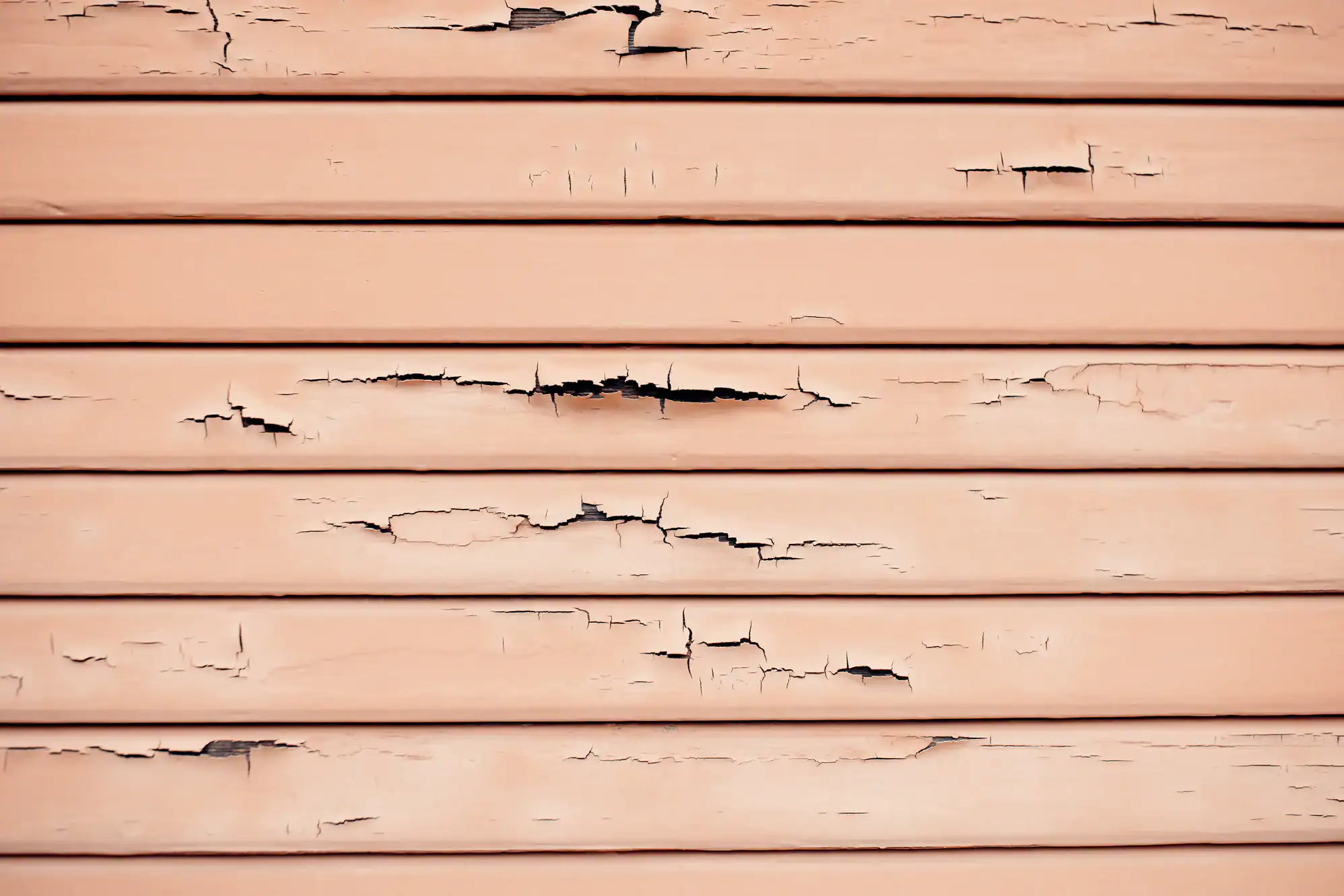
Cracking and warping create entry points for bigger problems. Yes, even in San Diego, your siding expands and contracts with daily temperature changes. Cheap materials or poor installation amplify this problem, creating gaps where water and pests can enter your walls.
Salt air corrosion affects more than just beachfront properties. The marine layer carries salt miles inland, attacking metal fasteners, trim, and any exposed hardware. We’ve replaced countless corroded nails and brackets on homes that are nowhere near the water, sometimes requiring complete siding removal to access damaged structural elements.
Moisture intrusion is the silent destroyer that turns small problems into major expenses. Small cracks or gaps let moisture behind your siding, where it sits and creates perfect conditions for mold and dry rot. By the time you see the damage from inside your home, you’re often looking at thousands in structural repairs that could have been prevented with timely siding maintenance.
After 16 years working on San Diego County homes, we’ve seen the same costly mistakes over and over. Understanding these issues helps you spot trouble early and avoid expensive repairs that could have been prevented.
Fading and chalking happen fast here, but it’s more than cosmetic. That beautiful color you picked five years ago? The constant sun breaks down paint and surface materials, leaving your home looking tired and reducing its protective properties. Wood siding is particularly vulnerable, often requiring repainting every few years just to maintain basic protection against moisture intrusion.
Cracking and warping create entry points for bigger problems. Yes, even in San Diego, your siding expands and contracts with daily temperature changes. Cheap materials or poor installation amplify this problem, creating gaps where water and pests can enter your walls.
Salt air corrosion affects more than just beachfront properties. The marine layer carries salt miles inland, attacking metal fasteners, trim, and any exposed hardware. We’ve replaced countless corroded nails and brackets on homes that are nowhere near the water, sometimes requiring complete siding removal to access damaged structural elements.
Moisture intrusion is the silent destroyer that turns small problems into major expenses. Small cracks or gaps let moisture behind your siding, where it sits and creates perfect conditions for mold and dry rot. By the time you see the damage from inside your home, you’re often looking at thousands in structural repairs that could have been prevented with timely siding maintenance.
Want live answers?
Connect with a MRH Pro Construction & Painting expert for fast, friendly support.
Finding the right contractor makes the difference between a project you’re proud of for decades and one that causes years of problems and additional expenses. After seeing countless botched jobs from unqualified contractors, here’s what actually matters when making your choice.
Proper licensing isn’t optional in California. Siding work requires a C33 license for painting and decorating, and larger exterior construction projects need a B General license. Don’t let anyone convince you otherwise or offer to “save you money” by skipping this requirement. Unlicensed work can void your homeowner’s insurance, create serious liability issues, and often needs to be completely redone by qualified contractors.
Local experience in San Diego County matters more than you might think. Our area has specific building codes, permit requirements, and climate challenges that contractors from other regions might not understand. A contractor who’s worked here for years knows which materials work best, how to handle coastal conditions, and what local inspectors expect to see.
We’ve cleaned up after too many bad contractors to count, and the patterns are depressingly predictable. Learning to spot these red flags early can save you thousands of dollars and months of frustration dealing with subpar work.
Door-to-door solicitation is almost always trouble. Legitimate siding contractors stay busy through referrals and reputation, not by knocking on doors with high-pressure sales tactics. If someone shows up uninvited claiming to have “leftover materials from a job down the street” or offering a “special deal just for today,” walk away immediately.
Extremely low bids usually mean corners will be cut somewhere. Quality siding materials cost what they cost. Skilled labor costs what it costs. If someone’s bid is dramatically lower than others, they’re either planning to use inferior materials, cut corners on installation, or hit you with expensive change orders once work begins.
Pressure tactics about “limited time offers” or demands to “sign today to get this price” are manipulation, not legitimate business practices. Good contractors want you to make an informed decision, not a rushed one that you might regret. Take time to check references, verify licensing, and compare your options thoroughly.
Cash-only payments or demands for large upfront payments signal potential problems. Legitimate contractors accept checks and credit cards. They might ask for a reasonable deposit to order materials, but never the full amount upfront. If they disappear with your money, you’ll have little legal recourse.
Vague contracts or refusal to provide written agreements create problems later. Everything should be spelled out clearly: specific materials and brands, detailed timeline, cleanup responsibilities, permit handling, and change order procedures. If they won’t put their promises in writing, find someone who will.
The right questions reveal whether a contractor truly understands their trade and your specific project requirements. Don’t be afraid to ask detailed questions – professional contractors appreciate informed customers and welcome the opportunity to demonstrate their expertise.
Ask about their specific experience with your siding type and home style. Installing vinyl siding on a ranch house requires different techniques than installing fiber cement on a craftsman bungalow or stucco repair on a Mediterranean-style home. Make sure they’ve successfully completed similar projects and can show you examples.
Request local references from recent projects, preferably within the last year. Any contractor worth hiring has satisfied customers who’ll speak positively about their work quality, communication, and reliability. If they can’t provide local references or seem hesitant to do so, that’s a significant red flag.
Inquire about permits and inspection procedures. Professional contractors know when permits are required for siding repair or replacement and handle the process correctly. They shouldn’t try to talk you out of proper permits to save money or time – that’s cutting corners that could cost you later.
Discuss their crew composition and subcontractor relationships. Will the same team work on your project from start to finish? Are any subcontractors licensed and insured? Consistency in crew members usually leads to better quality control and communication throughout your project.
Ask about realistic timelines and weather contingencies. San Diego’s weather is generally cooperative for exterior construction, but marine layer, Santa Ana winds, and occasional rain can affect work schedules. Good contractors build realistic timelines and communicate proactively about any delays.
Understand their warranty coverage and follow-up service policies. What specific work is covered, for how long, and what’s the process if problems arise after completion? Contractors who stand behind their work offer clear warranties and respond promptly to legitimate issues.
Your home’s siding isn’t just about curb appeal – it’s your primary defense against San Diego’s unique climate challenges. Whether you’re dealing with fading, cracking, moisture damage, or want to upgrade to more durable materials, choosing the right contractor determines whether you’ll be satisfied with your investment for decades to come.
With 16 years of experience serving San Diego County, we at MRH Pro Construction understand what works in our coastal climate and what doesn’t. Our licensed team focuses on quality craftsmanship, transparent pricing, and the kind of reliable service that keeps customers satisfied long after project completion.
Don’t let minor siding problems escalate into expensive structural damage. Contact MRH Pro Construction today for a free consultation and discover why homeowners throughout San Diego County trust us with their most important investment.
Article details:
Share:
Continue learning: