
Living near the coast means your paint takes a beating. Salt mist settles on your walls during foggy mornings and windy afternoons. UV rays bleach out color faster than they would just ten miles inland. Standard interior paint formulas start failing within two to three years instead of the seven to ten you’d expect anywhere else.
That’s not a maintenance issue. That’s a materials and application issue.
When you work with a painting contractor in Camp Pendleton South who understands marine-grade coatings and proper surface prep for coastal homes, your exterior holds up longer. Your interior stays cleaner. You’re not repainting every few years because someone used the wrong product or skipped steps to save time.
We’ve spent 16 years learning what works in San Diego County’s coastal climate. The paint we use is formulated for salt air and high humidity. The prep work accounts for moisture intrusion and surface expansion. The application process is designed to create a seal that actually protects your home instead of just covering it.
You get a finish that looks good longer and requires less maintenance. That’s the difference between hiring a local painter who knows the area and hiring someone who treats every job the same regardless of location.
MRH Pro Construction & Painting has been handling exterior remodeling projects across San Diego County for 16 years. We recently transitioned from subcontracting to taking on direct jobs, which means you’re working with our crew from start to finish. No middleman. No miscommunication.
We hold both a B General Contractor license and a C33 Painting Specialty license. Our seven-person team handles residential and commercial painting projects throughout Camp Pendleton South, CA, and we offer a 10% discount to military families and seniors.
Most of our work involves siding, windows, and stucco, but painting is where we see the most neglect from other contractors. Homes near the base get painted with the wrong products, poor surface prep, and zero consideration for how salt air interacts with different coatings. We’ve built our process around fixing those gaps.
We start with an on-site assessment. You show us what needs painting, we inspect the surfaces for damage or moisture issues, and we talk through your goals and timeline. If there’s underlying rot, stucco cracks, or siding problems, we’ll point them out before they become bigger issues.
Once you approve the estimate, we schedule the job around your availability. For military families dealing with deployments or transfers, we build in flexibility. Our crew preps all surfaces before any paint goes on—that means washing off salt buildup, scraping loose material, filling cracks, sanding rough spots, and priming where needed.
We use marine-grade or coastal-formula paints depending on the surface and exposure level. Darker colors get UV-resistant coatings. High-moisture areas get mildew-resistant primers. Everything is chosen based on how it performs in this specific climate, not what’s cheapest or fastest to apply.
After the paint goes on, we do a full walkthrough with you to make sure everything meets your expectations. We clean up completely, haul away any debris, and leave you with a finish that’s built to last in Camp Pendleton South’s coastal environment.

Ready to get started?
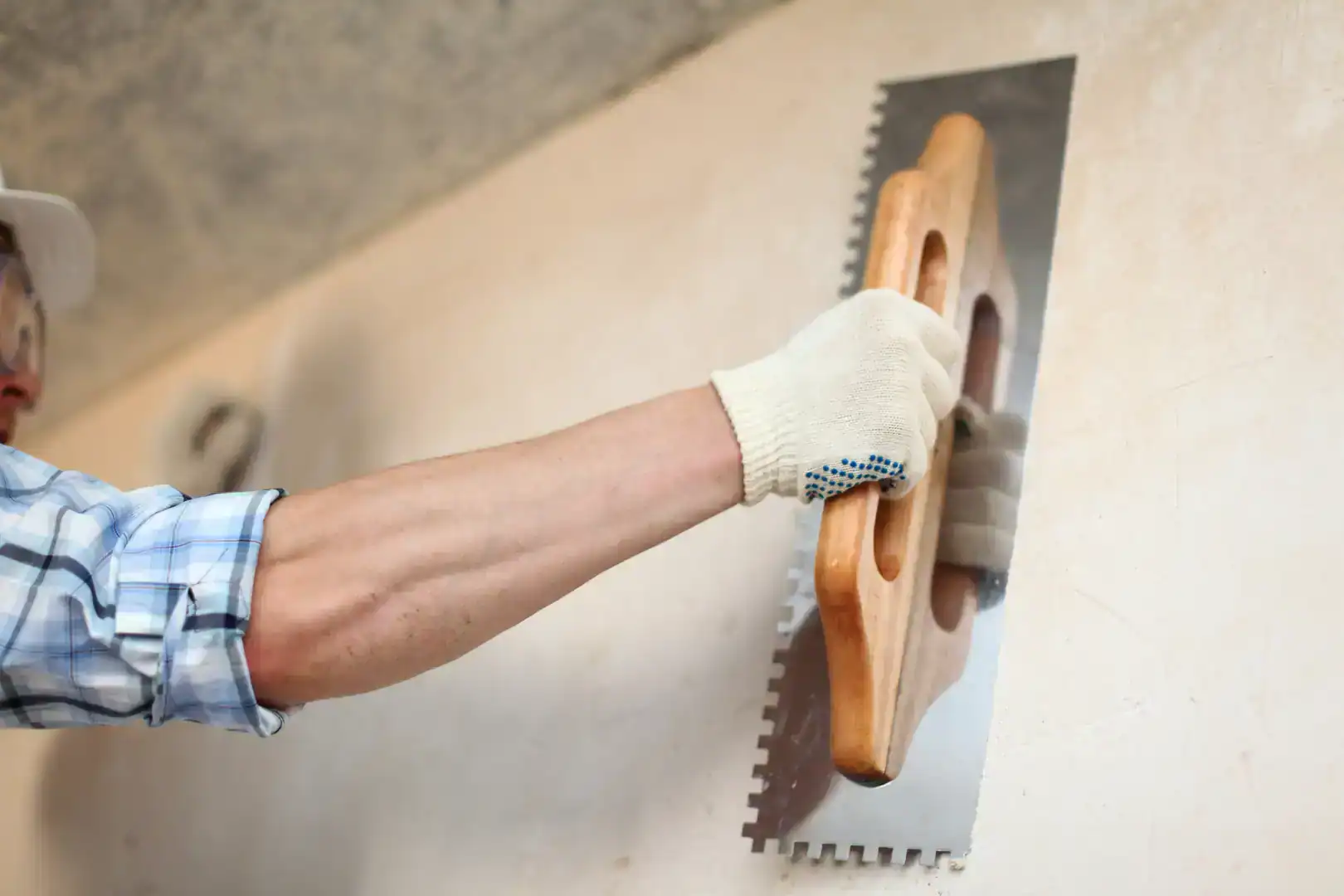
You’re getting more than just paint on walls. Our painting services in Camp Pendleton South, CA include full surface preparation, which is the most important part of any coastal paint job. We wash down exteriors to remove salt deposits, scrape and sand deteriorated areas, repair minor surface damage, and prime everything properly before the finish coat goes on.
For exterior projects, we use paints specifically rated for coastal exposure. That means higher salt resistance, better UV protection, and formulas designed to handle the humidity swings that happen near the ocean. We also factor in color selection—darker shades fade faster under direct sun, so we’ll walk you through options that hold up better if that’s a concern.
Interior work gets the same level of attention. We protect your floors and furniture, patch any wall damage, and use low-VOC paints that won’t off-gas for weeks after we’re done. If you’re dealing with mold or mildew in bathrooms or kitchens, we treat the surface before painting so the problem doesn’t come back in six months.
Military families stationed at Camp Pendleton often need quick turnarounds before transfers or inspections. We keep our seven-person crew efficient without cutting corners, and we offer a 10% military discount because we understand the budget constraints that come with frequent moves.
Standard exterior paint fails faster near the coast than it does inland. Most homeowners see chalking, fading, or peeling within three to five years if the wrong products were used. Salt air is corrosive, and it settles on painted surfaces as a fine mist during foggy mornings or windy days. UV exposure is also more intense this close to the ocean, which breaks down paint binders and causes color to fade.
When you use marine-grade or coastal-formula paints with proper surface prep, you can extend that lifespan to seven years or more. The key is using paints with higher resin content, UV inhibitors, and mildew resistance. Darker colors still fade faster than lighter ones, but the right coating makes a significant difference.
Regular maintenance helps too. Washing your exterior with fresh water every few months removes salt buildup before it causes damage. A garden hose works fine—you don’t need a power washer, which can actually force water behind the paint and cause more problems.
A regular painter uses the same products and methods regardless of location. A coastal painting specialist understands that salt air, high humidity, and intense UV exposure require different materials and application techniques. It’s not just about slapping on an extra coat.
Coastal specialists choose paints with higher salt resistance and UV protection. They spend more time on surface prep because moisture intrusion is a bigger issue near the ocean. They know which primers prevent mildew growth in high-humidity areas and which topcoats hold up better on south-facing walls that get full sun all day.
They also understand maintenance. In Camp Pendleton South, CA, painted surfaces need regular washing to remove salt deposits. We explain that upfront instead of letting you discover it three years later when your paint starts bubbling. The difference shows up in how long your finish lasts and how much you spend on repaints over time.
Yes. Standard interior and exterior paints aren’t formulated for the salt air and humidity levels you deal with near the base. Coastal homes need paints with higher resin content, better moisture resistance, and UV inhibitors that prevent fading and chalking.
For exteriors, that usually means 100% acrylic paints rated for coastal exposure. These formulas bond better to surfaces, resist salt corrosion, and hold up under temperature swings. For interiors, especially in bathrooms and kitchens, you want mildew-resistant paints that can handle the extra moisture in the air.
Using the wrong paint doesn’t just mean your finish looks bad sooner. It also means you’re repainting more often, which costs more in the long run. We recommend coastal-grade products automatically because we understand the local climate and want to protect your investment.
Pricing depends on square footage, surface condition, and whether you’re painting interior, exterior, or both. For a typical single-story home, exterior painting runs between $3,000 and $6,000. Two-story homes or homes with significant prep work can go higher. Interior projects usually range from $2,000 to $5,000 depending on the number of rooms and ceiling height.
Coastal homes often require more prep work than inland properties because of salt damage and moisture issues. If your existing paint is peeling or bubbling, we need to scrape, sand, and prime before applying new coats. That adds time and labor, but skipping it means the new paint fails just as fast as the old stuff.
We offer a 10% military discount for families stationed at Camp Pendleton, which helps offset some of the cost. We also provide transparent estimates upfront so you know exactly what you’re paying for. No surprises, no upsells once the job starts. If you need financing options or want to phase the work over a few months, we can work with you on that too.
The biggest thing you can do is wash your exterior every few months with fresh water. Salt buildup is the main enemy of painted surfaces near the ocean. It settles as a fine mist during foggy mornings and windy days, then sits on your walls causing corrosion, bubbling, and peeling. A garden hose and a soft brush are all you need—power washing can force water behind the paint and create bigger problems.
For interiors, keep an eye on bathrooms and kitchens where humidity is higher. Run exhaust fans during and after showers to reduce moisture buildup. Wipe down walls occasionally to prevent mildew growth, especially in corners and around windows where condensation tends to collect.
If you notice any peeling, cracking, or bubbling, address it quickly. Small problems turn into big ones fast in coastal climates. Touch up damaged areas before moisture gets behind the paint and causes rot or mold. We can handle minor repairs before they require a full repaint, which saves you money and extends the life of your finish.
First, make sure they’re licensed. In California, painting contractors need a C33 license for projects over $500. A B General Contractor license is even better because it means they can handle related repairs like stucco, siding, or carpentry if your paint job uncovers underlying issues. Ask to see proof of insurance too—both liability and workers’ comp. You don’t want to be on the hook if someone gets hurt on your property.
Second, ask what products they use and why. We recommend marine-grade or coastal-formula paints automatically because standard products don’t hold up in this climate. If a contractor is suggesting the same products they’d use in Arizona or Nevada, they don’t understand the local environment. Ask about their surface prep process too. Proper prep is what makes a coastal paint job last, and cutting corners here is where most contractors fail.
Third, check references and look at recent work. Online reviews help, but talking to past clients gives you a better sense of how the contractor handles problems, timelines, and communication. We’ve worked with many military families near the base, so we understand the need for flexibility around deployments and transfers.
Other Services we provide in Camp Pendleton South
