Discover what exterior remodeling includes, how it protects your San Diego home from weather damage, and what to expect from costs to ROI in this complete guide.
Share:
Summary:
Exterior remodeling means updating, replacing, or repairing the outside of your home—everything from the materials that cover your walls to the systems that keep water away from your foundation. It’s different from interior work because everything has to stand up to weather, and in San Diego County, that means dealing with specific challenges most other regions don’t face.
The main projects fall into a few categories: siding installation or replacement, window upgrades, stucco repair and refinishing, exterior painting, gutter systems, and the carpentry work that ties it all together. Some homeowners tackle one project at a time. Others bundle services to save on labor costs and get everything done while permits are already in hand.
What matters most is understanding that these systems work together. New windows won’t perform right if the surrounding stucco isn’t properly sealed. Fresh siding loses its protective value if gutters are dumping water down the walls. Good home exterior renovation addresses how everything connects, not just how it looks from the curb.
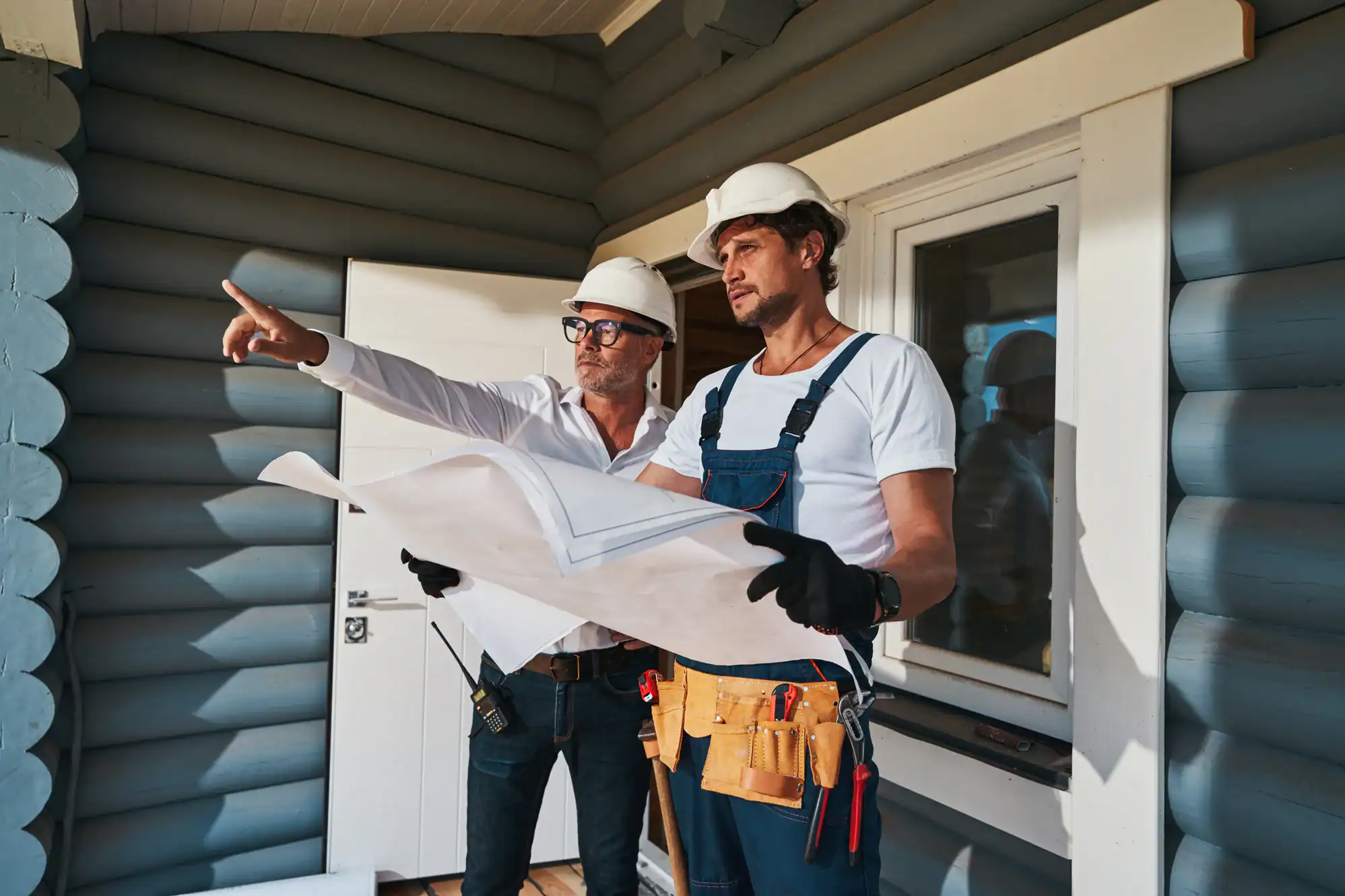
Siding is your home’s first defense against weather, and in San Diego County, that means dealing with salt air that corrodes metal, UV rays that fade and crack materials, and temperature swings between cool marine layer mornings and hot afternoons. Not all siding handles these conditions equally.
Fiber cement siding like James Hardie performs well here because it’s engineered specifically for coastal climates. It won’t rot like wood, melt like vinyl, or crack like stucco when temperatures shift. The factory-baked finish lasts decades without repainting, which matters when you’re dealing with constant sun exposure. It also meets fire-resistance requirements for areas like Scripps Ranch and Tierrasanta, where building codes have gotten stricter.
Vinyl siding costs less upfront but becomes brittle in temperature extremes and fades faster under intense UV exposure. Wood siding offers traditional appeal but requires constant maintenance in humid coastal air—sealing, painting, and watching for rot or termite damage. Aluminum siding resists salt air corrosion better than steel but dents easily and shows wear over time.
The real cost of siding isn’t just installation. It’s how long the material lasts, how much maintenance it needs, and whether it actually protects your home from moisture infiltration. Cheap siding that fails in five years costs more than quality materials that last thirty. San Diego’s climate doesn’t forgive shortcuts.
Proper installation matters as much as material choice. That means removing old siding completely, installing moisture barriers correctly, and making sure flashing around windows and doors keeps water out. Layering new siding over old material might save money initially, but it hides problems like rot, pest damage, and structural issues that only get worse over time. Mid-range siding for a 2,000 square foot house typically runs around $17,200 installed, or about $8.60 per square foot, though costs vary based on material choice and project complexity.
Windows do more than let light in. They control how much heat enters your home, how much conditioned air escapes, and whether you’re comfortable or constantly adjusting the thermostat. In San Diego County, where cooling costs run year-round and UV exposure is intense, window performance directly impacts your monthly bills.
Old windows fail in predictable ways. Seals break down, letting air leak around frames. Glass conducts heat, turning rooms into greenhouses during afternoon sun. Frames warp from temperature changes, making windows stick or refuse to close properly. Single-pane glass offers almost no insulation value, and even older double-pane windows lose effectiveness as the seal between panes fails and moisture gets trapped inside.
Modern replacement windows use low-E coatings that reflect heat while letting light through. Double or triple-pane glass with argon or krypton gas between panes provides insulation that actually works. Vinyl frames don’t conduct heat like aluminum, and they handle salt air without corroding. Proper installation includes flashing that integrates with your home’s weather barrier, not just caulk that cracks in a few years.
The cost difference between repair and replacement comes down to whether your windows can actually be fixed. If frames are rotted, seals are broken, or the glass is fogging between panes, repair just delays the inevitable. Windows more than fifteen years old rarely meet current energy efficiency standards, which means they’re costing you money every month they stay in place. In San Diego County, standard vinyl double-hung windows typically cost $400 to $500 per window installed, while wood windows run $700 to $1,000 per window.
Installation quality determines whether your new windows perform as designed. That means precise measurements, proper flashing around the entire opening, weather sealing that integrates with surrounding materials, and finish work that matches your existing exterior. Gaps, improper sealing, or rushed installation creates the same problems you’re trying to fix—air leaks, water infiltration, and energy loss.
San Diego County permit requirements for windows depend on whether you’re replacing existing windows with the same size or changing dimensions. Same-size replacements typically don’t need permits, but any structural changes do. Historic districts have additional requirements. Working with a contractor who handles permits as part of their service saves you from navigating the Development Services Department’s digital portal and ensures your work meets local codes.
Want live answers?
Connect with a MRH Pro Construction & Painting expert for fast, friendly support.
San Diego’s Mediterranean climate seems mild until you look at what it does to building materials over time. Morning marine layer brings moisture that settles on surfaces. Afternoon sun bakes everything dry. Salt air from the coast corrodes metal and breaks down protective coatings. Seasonal rains test every seal and flashing detail. Temperature swings cause materials to expand and contract, creating cracks and gaps where water gets in.
Exterior remodeling addresses these challenges by creating layers of protection. Proper moisture barriers behind siding keep water from reaching structural wood. Flashing around windows, doors, and roof connections directs water away from vulnerable areas. Quality materials resist UV degradation, salt corrosion, and temperature-related expansion. Sealed systems prevent the kind of slow water infiltration that causes rot, mold, and structural damage you don’t see until it’s expensive to fix.
The cost of prevention is always less than the cost of repair. A small crack in stucco that lets water behind the surface can cause thousands in damage to framing, insulation, and drywall. Failing window seals lead to rot in the surrounding structure. Clogged or damaged gutters dump water next to your foundation, causing settling, cracks, and moisture problems in crawl spaces or basements. Comprehensive exterior remodeling projects in San Diego typically range from $20,000 to $50,000 depending on home size and scope, but that investment protects against much costlier structural repairs down the road.
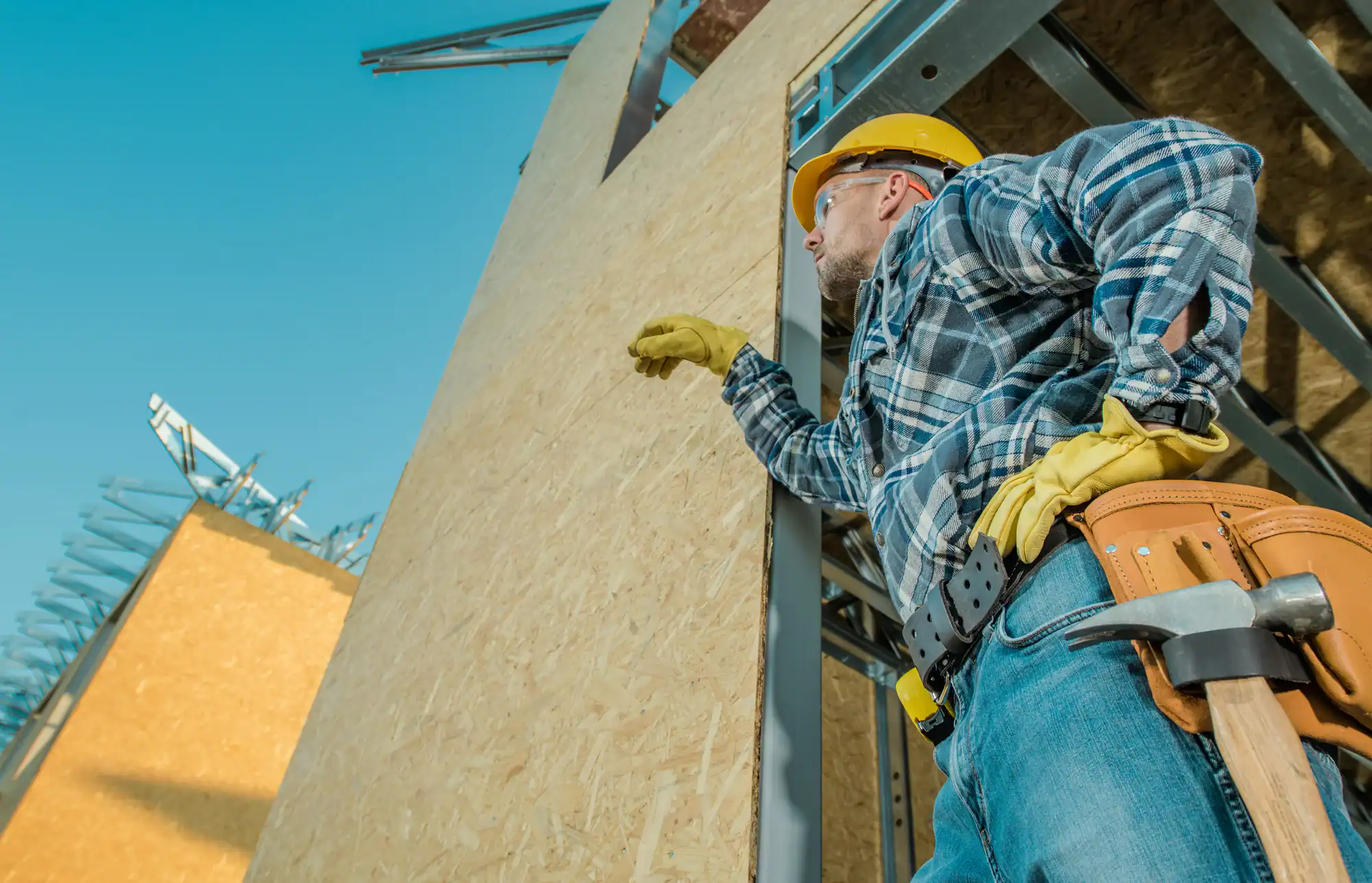
Stucco dominates San Diego County exteriors because it performs well in our climate when installed correctly. The problem is that “when installed correctly” part. Improperly applied stucco, missing moisture barriers, or inadequate flashing creates conditions where water gets trapped behind the surface, causing rot, mold, and structural damage that’s expensive to fix.
Cracks in stucco are normal to a point. Hairline cracks from house settling are common and easily repaired. Larger cracks, patterns of cracking, or cracks that reappear after repair indicate bigger problems—foundation movement, missing expansion joints, or water damage weakening the substrate. The key is addressing cracks before water infiltration starts. Small crack repairs typically run $200 to $400 for minor damage, while larger sections or extensive damage can range from $1,500 to $3,000 depending on scope and complexity.
Stucco repair works for localized damage where the underlying system is sound. That means filling cracks with proper materials, matching texture and color, and ensuring the repair integrates with surrounding stucco. Re-stucco means removing everything and starting over, which is necessary when moisture barriers have failed, extensive cracking indicates system-wide problems, or you want to change texture and appearance completely. New stucco installation typically costs $10.69 to $17.33 per square foot in 2026, including materials and labor.
Moisture management is what separates stucco that lasts fifty years from stucco that fails in ten. Proper installation includes building paper or house wrap as a weather barrier, metal lath that’s attached correctly, a scratch coat that bonds to the lath, a brown coat that builds thickness and strength, and a finish coat that’s textured and colored. Each layer has to cure properly before the next goes on, and flashing around all penetrations has to direct water away from the wall assembly.
Painting stucco isn’t just cosmetic. Quality paint creates a barrier against moisture infiltration while allowing the stucco to breathe. In San Diego’s climate, paint protection is essential—UV exposure breaks down unpainted stucco surfaces, and water infiltration through unprotected stucco causes the kind of damage that requires complete re-stucco. Repainting every six to seven years maintains that protective barrier and keeps your stucco system working as designed.
Gutters seem like a minor detail until you see what happens without them. Water sheeting off your roof lands right next to your foundation, causing soil erosion, settling, cracks, and moisture problems in crawl spaces. It saturates flower beds, damages landscaping, and creates conditions for mold and rot in any wood that’s close to grade. In San Diego County, where seasonal rains can be intense, functional gutters are essential.
Gutter installation costs vary based on material and linear footage needed, but the investment protects against much more expensive foundation and drainage problems. For a typical 2,500 square foot home, gutter installation runs between $2,834 and $5,170 on average, or about $14.17 to $25.85 per linear foot. Aluminum gutters offer good performance at mid-range cost, resisting rust and handling our climate well. Vinyl gutters cost less but can become brittle over time. Copper gutters last fifty-plus years and develop a distinctive patina, though they cost significantly more upfront.
Proper gutter systems include correctly sized gutters for your roof area, enough downspouts to handle water volume, and extensions that carry water away from your foundation. Seamless gutters reduce leak potential compared to sectional systems. Gutter guards cut down on maintenance by keeping leaves and debris out, though they add to initial cost.
The real value of gutters shows up in what doesn’t happen. Your foundation doesn’t settle. Your crawl space stays dry. Your landscaping doesn’t erode. Your exterior walls don’t develop water stains or rot at the bottom. These aren’t dramatic improvements you see immediately—they’re problems you avoid over years of ownership.
Installation quality matters as much as material choice. Gutters need proper slope to drain effectively, secure attachment to fascia boards that aren’t rotted, and downspouts positioned to direct water away from the foundation. Corners, end caps, and connections need proper sealing to prevent leaks. A professional installation includes assessing your fascia condition, calculating proper gutter size for your roof area, and positioning downspouts where they’ll actually protect your foundation.
Exterior remodeling protects your home, reduces energy costs, and boosts curb appeal and property value when done right. The key is understanding that these aren’t just cosmetic upgrades—they’re systems that work together to keep weather out, maintain structural integrity, and make your home more comfortable and efficient.
Start by identifying what actually needs attention. Failing siding, drafty windows, cracked stucco, and inadequate gutters all indicate specific problems that will only get worse and more expensive if ignored. Get a professional assessment that looks at how everything connects, not just individual symptoms. Working with a contractor who handles permits, uses their own crews, and specializes in exterior work for San Diego’s climate brings the experience to do it right the first time.
Budget for quality materials and proper installation rather than cheap fixes that fail quickly. Exterior remodeling costs in San Diego County run higher than national averages because of labor rates, strict building codes, and the need for materials that actually handle our coastal climate. But that investment delivers decades of protection and performance when you work with contractors who understand what this environment demands. At MRH Pro Construction & Painting, we bring sixteen years of exterior remodeling expertise to San Diego County homeowners who are ready to protect their homes and increase their value.
Article details:
Share:
Continue learning: