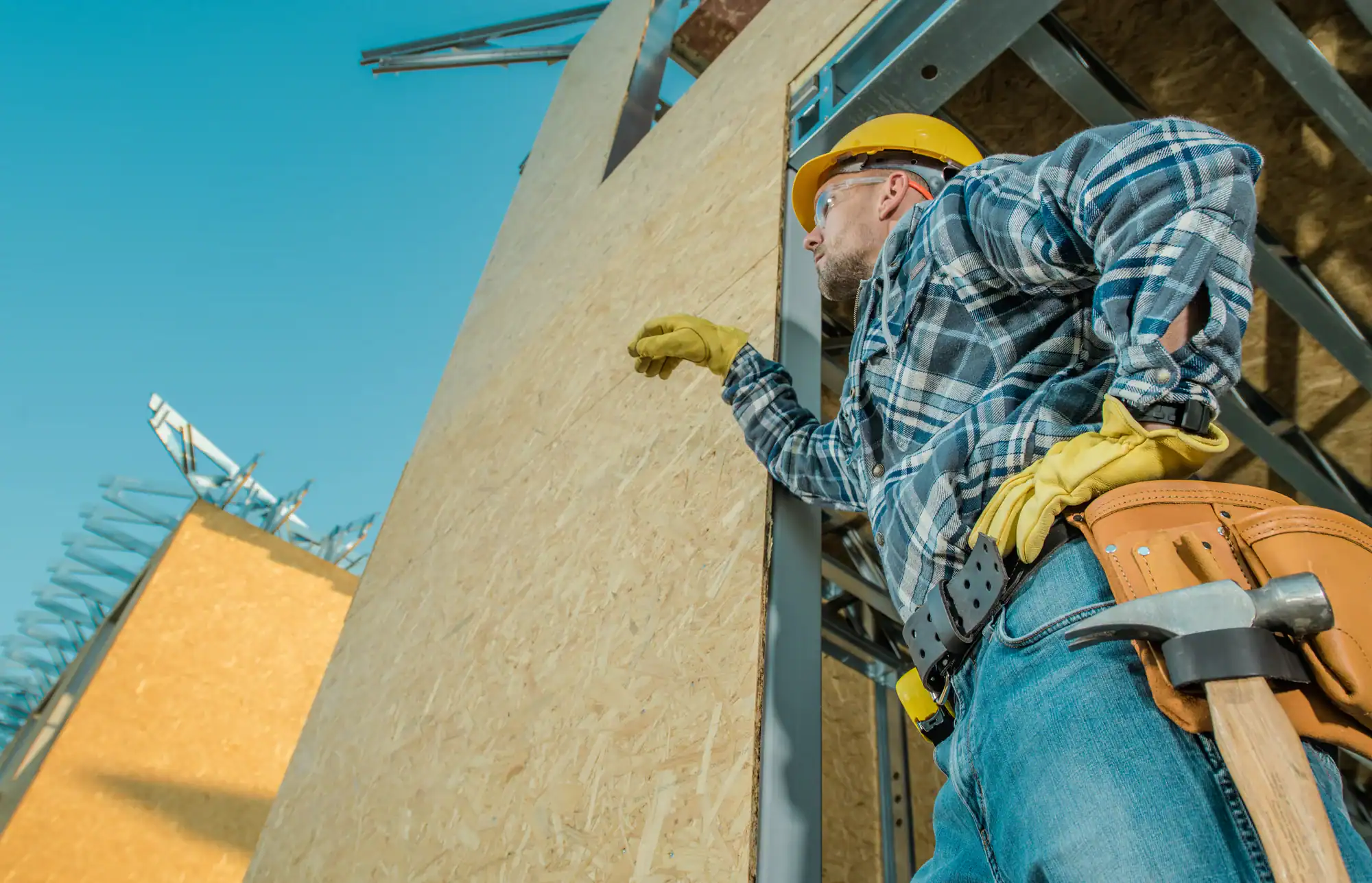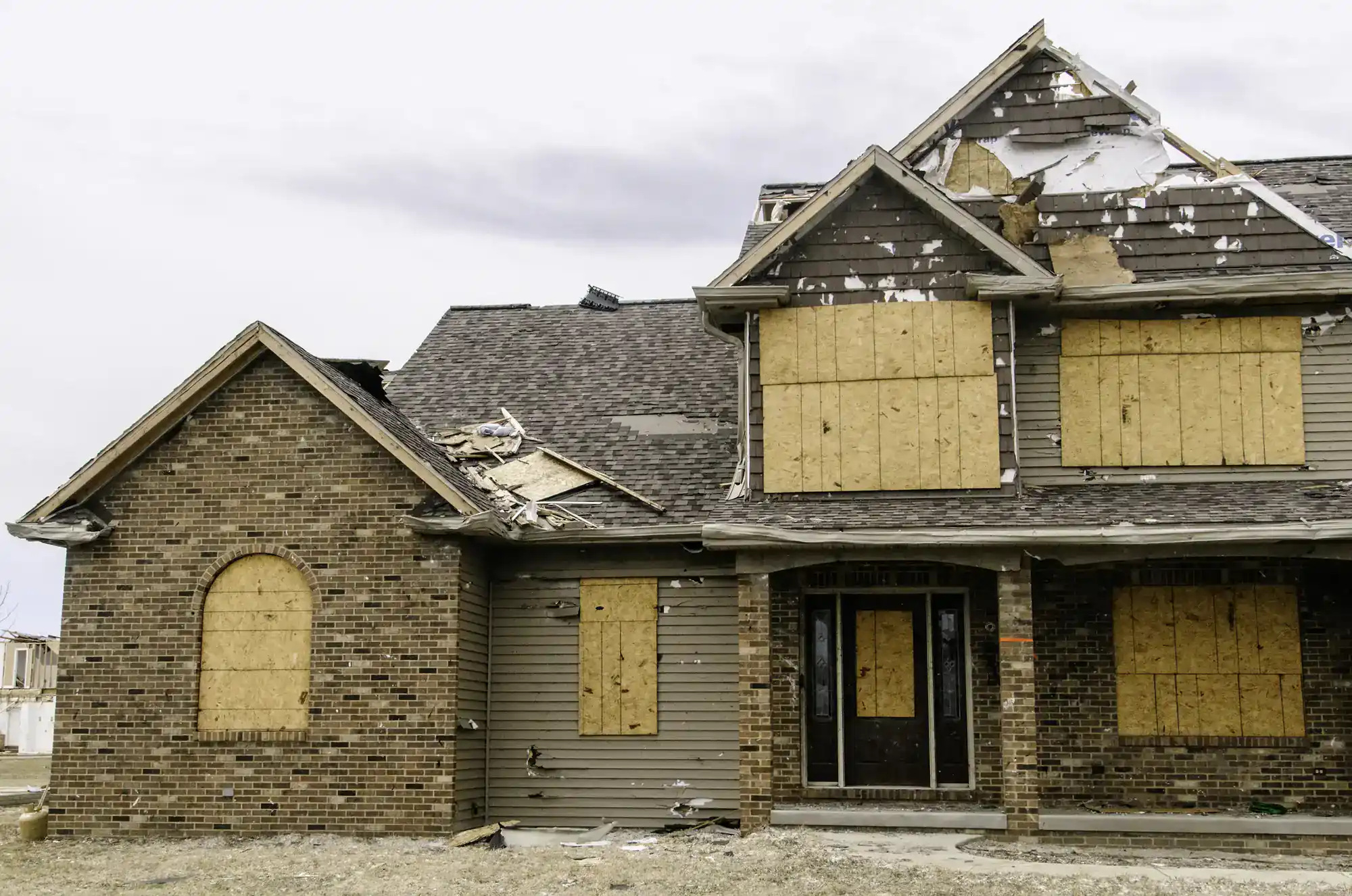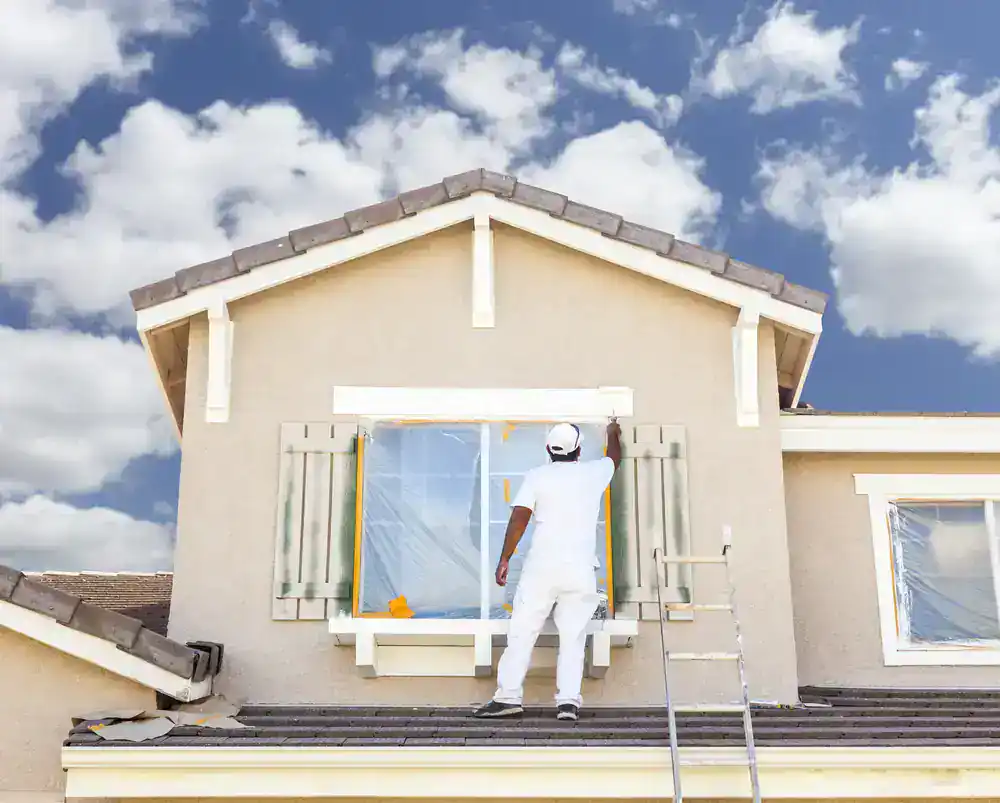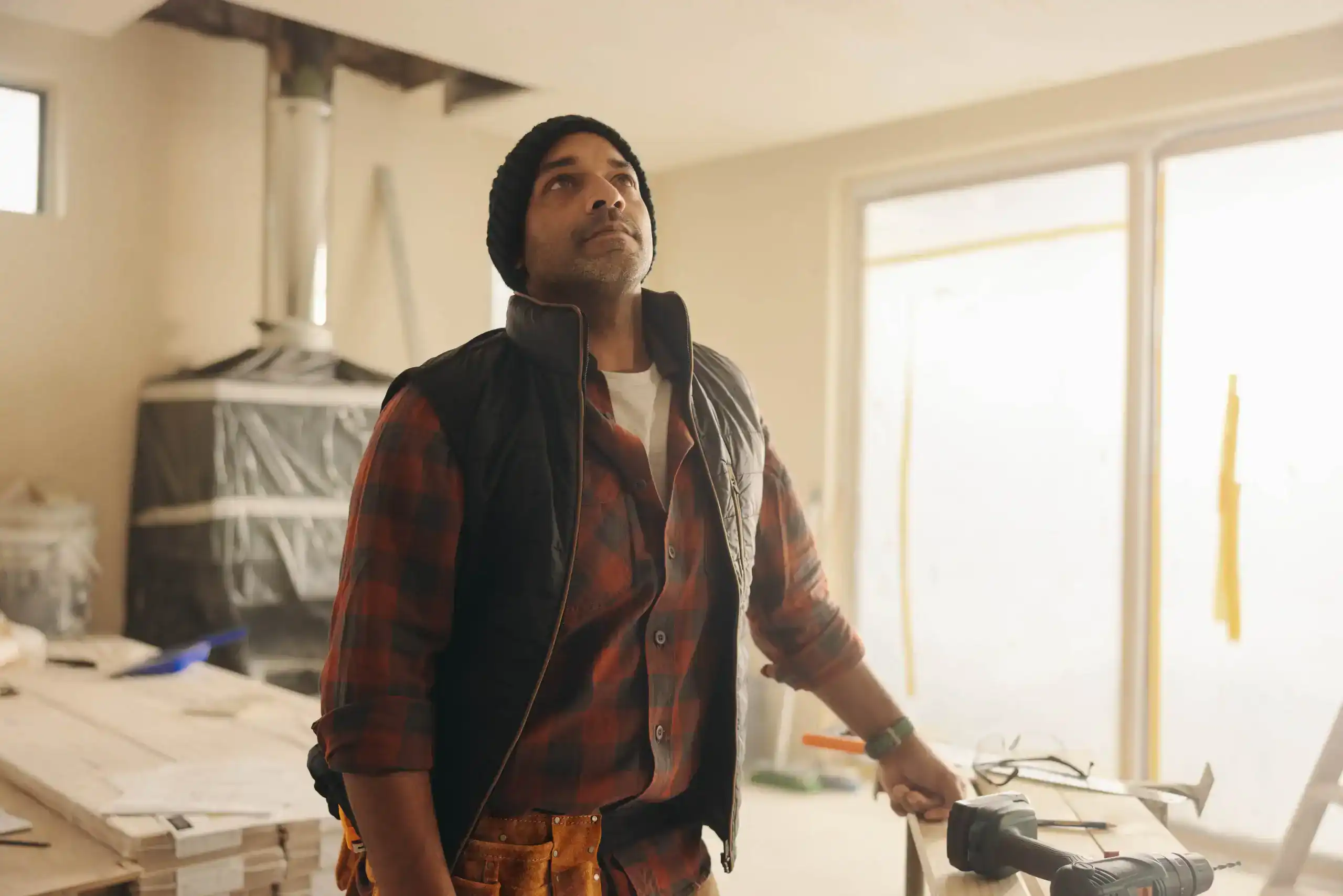
Professional preparation work is the foundation of any successful paint or construction project that stands the test of time.
Share:
Summary:
Surface preparation isn’t the glamorous part of construction and painting, but it’s the foundation that everything else depends on. Experienced painting contractors San Diego understand that proper preparation is essential for achieving durable, long-lasting results. When contractors skip or rush through prep work, they’re essentially building on a weak foundation.
Think of prep work like surgery—you wouldn’t want a surgeon to skip sterilizing their instruments. The same principle applies to your exterior remodeling project. Every surface needs proper cleaning, repair, and preparation before new materials can bond effectively.
In San Diego’s climate, with salt air, UV exposure, and occasional moisture, surfaces that aren’t properly prepared will fail faster than anywhere else. The prep work creates the barrier that protects your investment from these environmental factors.

The first step in any quality preparation process involves thorough surface cleaning. This goes far beyond hosing off visible dirt. We remove all contaminants that could interfere with adhesion—including chalk, mildew, salt deposits, and previous coating failures.
Power washing is often necessary, but it requires proper technique and timing. The surface must be completely dry before proceeding, which in San Diego’s humidity can take longer than expected. Rushing this step leads to moisture trapped under new coatings, causing premature failure.
Chemical cleaners may be required for specific contaminants. Oil stains, rust bleeding, or stubborn mildew need targeted treatment. Each contaminant requires a different approach, and we know which products work effectively without damaging the underlying surface.
Proper cleaning also reveals underlying problems that need attention. Cracks, loose materials, or structural issues become visible once the surface is clean. Addressing these problems during preparation prevents bigger issues later.
The cleaning process must be thorough but not aggressive enough to damage sound material. Finding this balance requires experience and understanding of different surface types. What works for concrete block may damage wood siding or stucco.
Once surfaces are clean, any damage must be properly repaired before proceeding. This includes filling cracks, replacing rotted wood, securing loose siding, or addressing stucco damage. Each repair must be compatible with both the existing surface and the new materials being applied.
Crack repair involves more than just filling the void. The underlying cause must be identified and addressed, or the crack will return. Structural movement, moisture infiltration, or material incompatibility can all cause cracking. We investigate the root cause rather than just treating symptoms.
Wood surfaces require careful inspection for rot, insect damage, or structural integrity issues. Soft or compromised wood must be replaced entirely—patching over damaged wood leads to failure. New wood must be properly primed and sealed before installation.
Stucco repairs need special attention in San Diego’s climate. The repair material must match the existing stucco in composition and texture. Improper repairs create weak points where moisture can penetrate, leading to larger problems over time.
Metal surfaces need rust treatment and proper priming. Any existing rust must be completely removed, not just painted over. The metal must be treated with appropriate primers that prevent future corrosion. Skipping this step leads to rust bleeding through new coatings within months.
Surface stabilization also includes verifying proper adhesion for new materials. Some surfaces may need special primers or bonding agents to create a suitable foundation for the new coating or material system.
Want live answers?
Connect with a MRH Pro Construction & Painting expert for fast, friendly support.
Not all materials work well together, and choosing incompatible systems is a common cause of premature failure. We understand which combinations work and which create problems down the road.
Paint systems must be compatible from primer through finish coat. Mixing different manufacturers or incompatible chemistries can cause adhesion problems, color issues, or coating failure. Each layer must bond properly with the layer below it.
The substrate material determines which coating systems will work effectively. What works on wood may not work on masonry, and metal surfaces have their own requirements. Understanding these differences prevents costly mistakes.
San Diego’s unique climate creates specific challenges that must be addressed during preparation. The marine environment brings salt air that accelerates corrosion and affects coating performance. UV exposure is intense year-round, requiring coatings with superior UV resistance.
Temperature and humidity fluctuations affect how materials cure and perform. Coatings applied during high humidity or temperature extremes may not cure properly, leading to poor performance. We monitor weather conditions and adjust our schedule accordingly.
The lack of freezing temperatures in San Diego is actually beneficial for exterior work, allowing for more consistent application conditions. However, the constant UV exposure and occasional high winds create their own challenges that must be addressed through proper material selection and application techniques.
Coastal areas face additional challenges from salt spray and higher humidity levels. Materials and preparation techniques must account for these conditions to guarantee long-term performance. Inland areas deal with greater temperature swings and different environmental stressors.
Seasonal considerations also matter. The dry season offers ideal conditions for most exterior work, while the rainy season requires careful timing and weather monitoring. Planning projects around San Diego’s weather patterns improves results and reduces delays.
Understanding these local conditions allows us to select the best materials and techniques for each specific location and exposure. Generic approaches don’t account for San Diego’s unique environmental factors.
Our preparation work includes systematic quality control at each step. This means inspecting surfaces after cleaning, verifying repairs meet standards, and confirming proper cure times before proceeding to the next step.
Documentation is important for warranty purposes and future maintenance planning. Photos of conditions before and after preparation work provide valuable records. This documentation also helps identify any areas that may need attention during routine maintenance.
Testing is sometimes necessary to verify surface preparation quality. This might include adhesion tests, moisture content measurements, or surface profile verification. These tests make sure that preparation work meets the standards required for long-term performance.
Third-party inspections can provide additional assurance for large or critical projects. Independent verification that preparation work meets specifications protects both the contractor and property owner. This is especially important for commercial projects or high-value residential work.
Quality control also includes proper timing between preparation steps. Rushing through the process or allowing too much time between steps can compromise results. Each material system has specific requirements for timing between preparation and application.
Environmental monitoring during preparation guarantees that conditions remain suitable throughout the process. Temperature, humidity, and wind conditions all affect preparation work quality. We track these conditions and adjust our procedures accordingly.
The difference between a paint job that lasts two years and one that looks great for a decade comes down to preparation quality. While proper prep work requires more time and investment upfront, it prevents costly repairs and premature replacement down the road.
Working with experienced contractors who understand San Diego’s unique requirements makes sure your project gets the preparation it needs. Look for contractors who explain their preparation process in detail and don’t rush through these critical steps.
When you’re ready to invest in exterior work that delivers lasting results, we bring 16 years of experience to every project in San Diego County. Our thorough preparation process guarantees your investment stands up to whatever Southern California’s climate throws at it.
Article details:
Share:
Continue learning: