5 Pro Tips for Summer Stucco Maintenance in San Diego Every Homeowner Should Know
Summer heat, UV exposure, and salt air damage San Diego, CA stucco. Learn 5 maintenance tips that prevent expensive repairs and extend your exterior's life. Spoiler: Your house is currently being slow-cooked.
Share:
Summary:
Summer in San Diego, CA means intense sun, coastal salt air, and temperature swings that test your stucco’s limits. This guide covers five essential maintenance tips that protect your exterior from heat damage, UV degradation, and moisture infiltration before small problems become expensive repairs.
You’ll learn what to inspect, how to clean safely, when cracks need professional attention, and how to prevent the moisture issues that cause 90% of stucco failures. These tips are specific to San Diego County’s coastal climate and based on what actually works, not generic advice. Because “winging it” is for karaoke, not your foundation.
Table of contents
Your stucco looks fine now. But summer in San Diego is quietly testing every inch of your exterior—kind of like a toddler testing the limits of their parents’ patience. UV rays are breaking down protective coatings. Salt air from the coast is working into microscopic openings. Temperature swings between cool mornings and hot afternoons create stress points that turn into cracks.
Most homeowners don’t notice damage until it’s expensive. A small crack becomes water infiltration. Fading paint becomes brittle surfaces. What starts as a $300 repair turns into $3,000 because you didn’t know what to look for. In the world of home maintenance, ignorance isn’t bliss; it’s a very expensive invoice.
These five summer stucco maintenance tips are exactly what San Diego exteriors need to survive the season. Let’s start with why summer maintenance matters here.
Why Summer Stucco Maintenance in San Diego Matters
San Diego’s climate creates specific stucco challenges. Intense UV radiation breaks down your stucco and paint at the molecular level—not just fading the color, but weakening the protective barrier. Essentially, the sun is trying to turn your house into a giant piece of chalk.
Coastal moisture carries salt particles that penetrate surfaces and corrode metal components behind your stucco. Flashing, fasteners, wire mesh—they all corrode faster here. Temperature fluctuations cause daily expansion and contraction that creates stress fractures. If you notice early signs of cracking or moisture damage, experienced stucco contractors San Diego can identify underlying issues before they become costly structural repairs. Summer maintenance catches problems while they’re small and cheap to fix. The warm weather lets you see damage clearly and allows repairs to cure properly before fall rains show up to ruin the party.
How San Diego's Summer Climate Damages Stucco
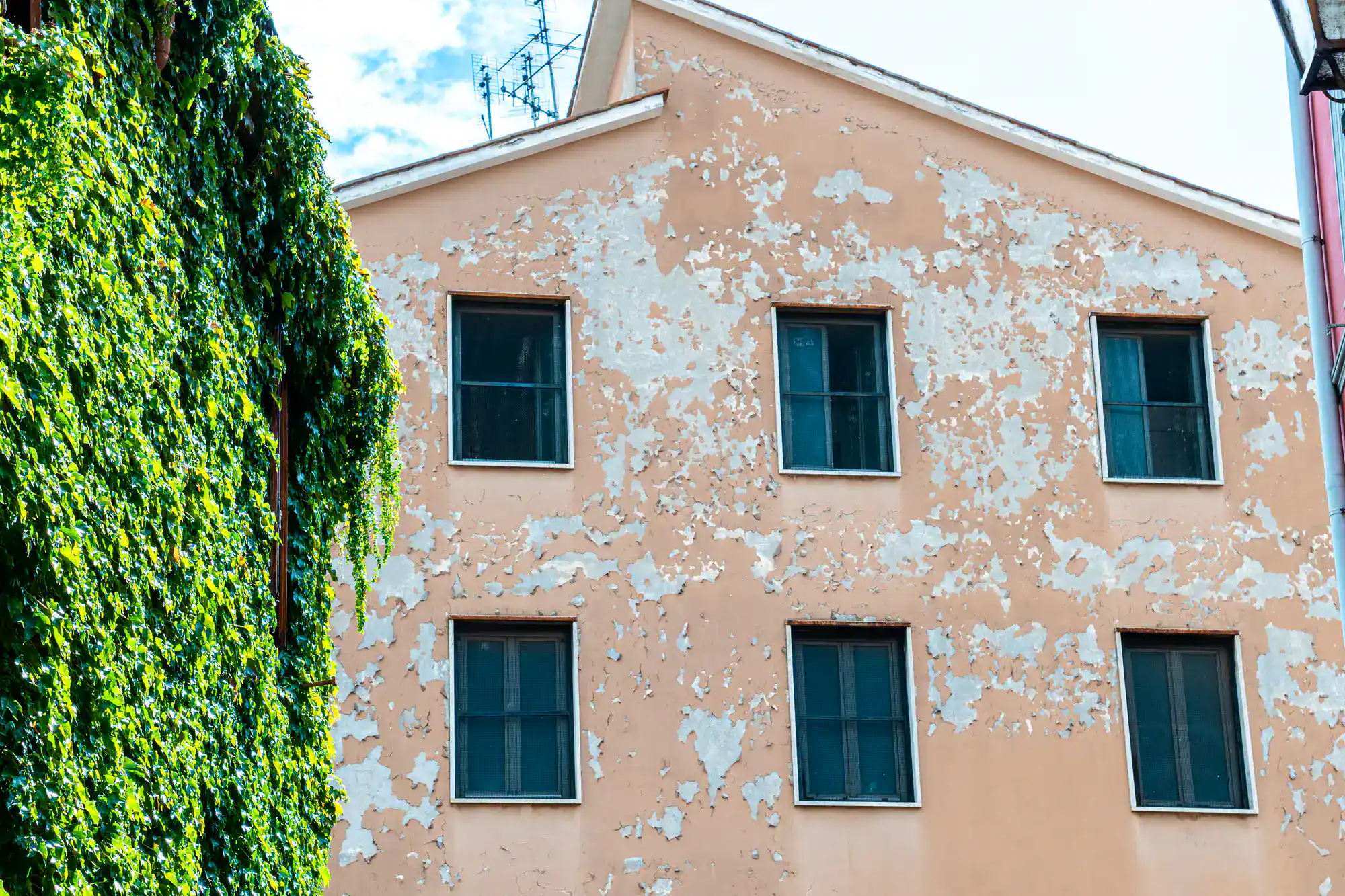
UV exposure does more than just ruin your home’s “tan.” It makes paint brittle, creating micro-cracks. Heat causes thermal expansion—your stucco expands in the afternoon and contracts overnight. This constant movement creates stress points, especially around windows and doors where different materials meet and argue over who should move first.
You’ll recognize salt damage as white streaks or chalky deposits—that’s efflorescence. It’s not a fancy French word for “beautiful decor”; it’s a sign of moisture movement. It signals that water is getting where it shouldn’t, corroding the wire mesh that holds your stucco together. Think of it as the ‘rust’ of the stucco world, but way less vintage-chic.
What Happens When You Skip Summer Maintenance
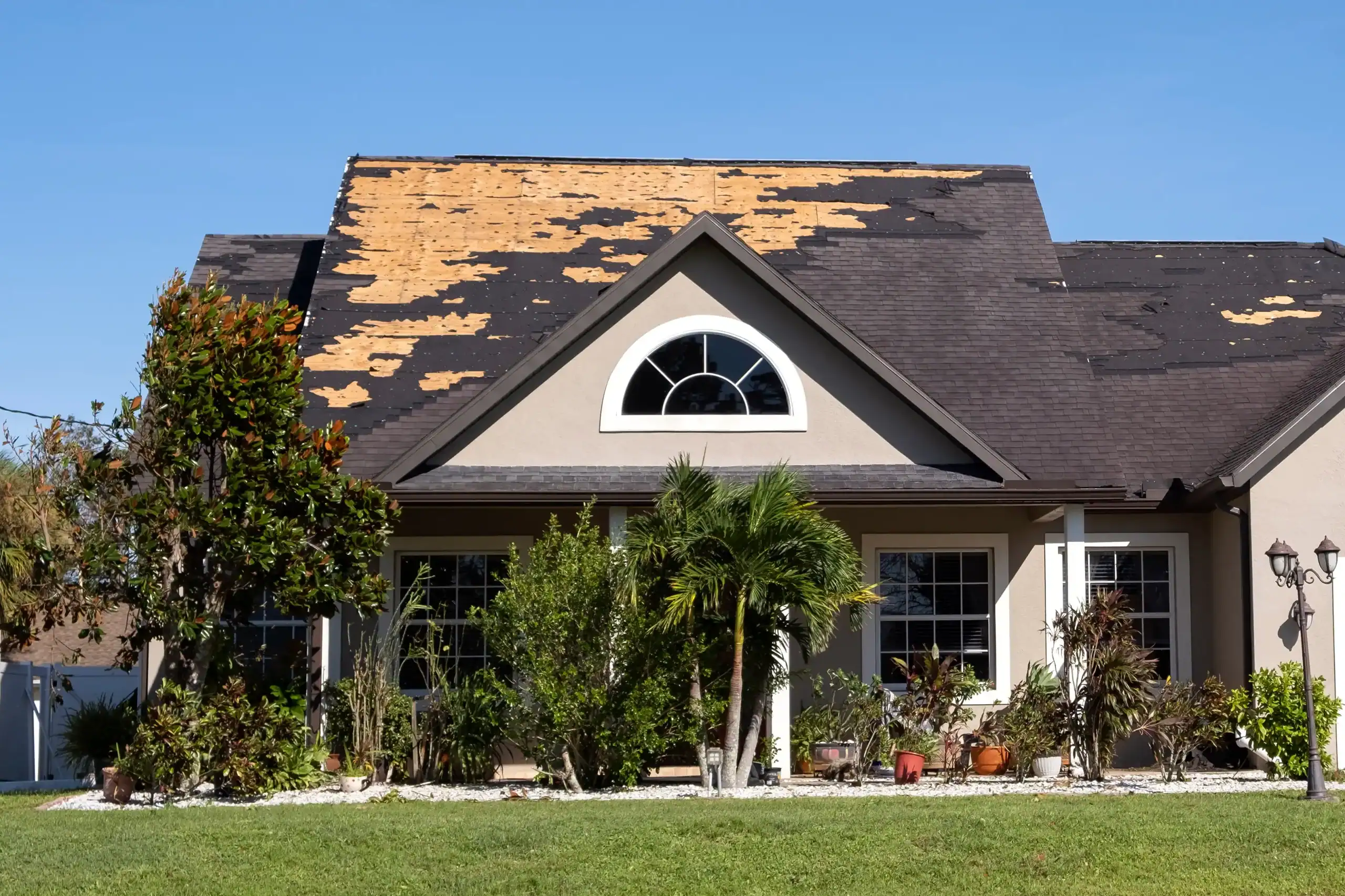
Small problems become expensive fast. That $200 crack repair becomes $3,000 in moisture remediation faster than you can say “San Diego Padres.” We’ve seen homeowners face $15,000 in structural repairs because they didn’t catch water infiltration early.
Behind your stucco, moisture rots the framework and creates perfect conditions for mold growth. Skipping maintenance is like ignoring a check engine light—you can do it, but eventually, you’ll be the one on the side of the road (or with a hole in your wall).
Want live answers?
Connect with a MRH Pro Construction & Painting expert for fast, friendly support.
5 Summer Stucco Maintenance Tips for San Diego Homes
These five tips address the specific vulnerabilities San Diego, CA stucco faces. Some take fifteen minutes. Others need a bit more sweat equity. All cost far less than a full-scale demolition.
Tip 1: Inspect Your Stucco for Summer Damage
Walk your house on a bright day. Use early morning or late afternoon light—the angle shows cracks that disappear in direct overhead sun. Focus on areas around windows and doors. Check the caulking. If it’s cracked or pulling away, moisture is getting in.
Pro-tip: Soil should not be touching your stucco. Mulch or soil piled against your exterior wicks moisture up like a thirsty straw. Keep vegetation at least 12 inches away. Your bushes and your house shouldn’t be cuddling.
Tip 2: Clean Stucco Without Causing Damage
Cleaning removes salt deposits that eat your house. But the wrong cleaning method is a disaster. Start with a gentle garden hose. Wet from bottom to top, then rinse top to bottom. This prevents dirty streaks.
If you use a pressure washer, be careful. Maximum 1500-2000 PSI, and stay at least two feet away. If you get too close, you won’t just be cleaning the stucco; you’ll be removing it. Avoid wire brushes—they scratch the surface and create “water highways” into your walls.
Tip 3: Address Cracks Before They Become Problems
Hairline cracks under 1/8 inch are often normal settling. For minor cracks, use high-quality acrylic caulk designed for exterior stucco.
Larger cracks—anything you could fit a nickel into—need professional help. Patterned cracks (like a spiderweb) often signal that your stucco wasn’t installed correctly or that your house is trying to move to a different zip code. Summer is the best time for repairs because materials bond better in the dry heat.