Not all painting contractors work the same way. Some use in-house experts, while others act like a "dating app" for painters. Here is why that difference matters for your San Diego home.
Share:
Summary:
Think of the “direct crew” model like a specialized restaurant where the chef and staff have worked together for years. They know the menu, they know the kitchen, and they know exactly how the boss wants the steak cooked. When you hire a contractor with in-house employees, those painters work exclusively for that company, wear the uniform, and follow a specific “playbook” for every house.
Subcontractors, on the other hand, are like a “gig economy” version of painting. They are independent operators who might work for three different companies in a single week. The painting company that sold you the job acts as a broker—they take your deposit, keep a healthy chunk for themselves, and then find the cheapest crew available to actually do the manual labor.
The biggest issue here is consistency. With a direct crew, the quality you saw in their portfolio is the quality you get on your walls. With subcontractors, it’s a total roll of the dice; you might get an experienced team, or you might get three guys who just bought their first roll of blue tape yesterday.
The subcontractor model exists because it’s much cheaper for the contractor. They don’t have to worry about employee benefits, payroll taxes, or keeping people busy during the “rainy” season (all two days of it in San Diego). It’s a low-risk way for them to scale their business without actually having to manage humans.
But here is where it gets legally murky: the IRS has very specific rules about subcontractors. If a company tries to tell a “sub” exactly how to paint or which tools to use, they are technically employees. To avoid tax trouble, many contractors have to take a “hands-off” approach, meaning they can’t actually force a subcontractor to follow their specific quality standards without risking a legal headache.
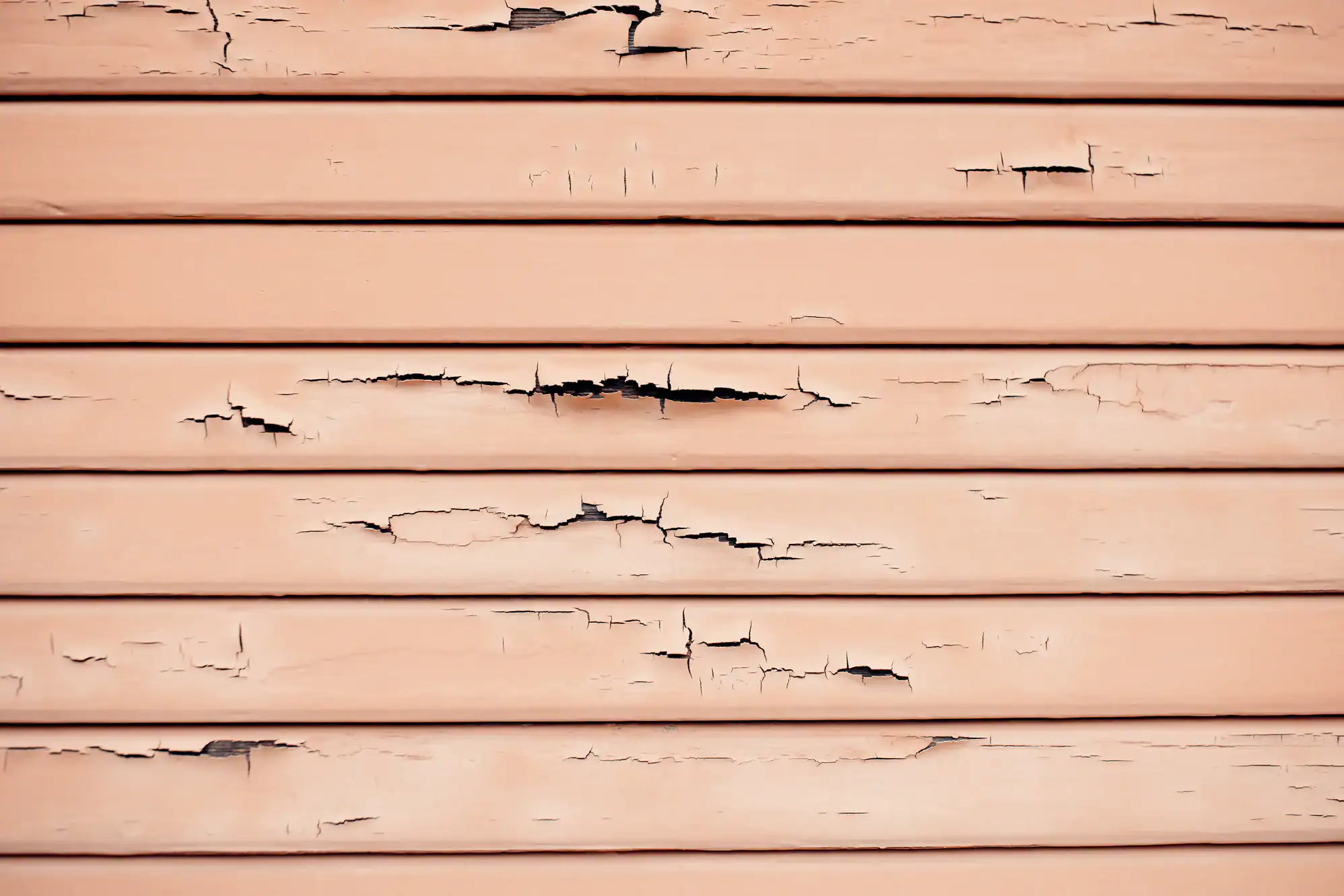
For you, this means the person who sold you the job has surprisingly little control over the person actually doing it. If a subcontractor decides to skip the second coat of primer to finish early and get to their next gig, the “broker” might not even know until your paint starts flaking off six months later. It’s a game of “telephone” where your house’s exterior is the one getting the wrong message.
When a painting contractor employs direct crews, the buck stops with them. There is no finger-pointing or “I’ll have to check with the guys” excuses. If a crew member discovers dry rot under your siding or accidentally paints your rosebushes, they report it to their boss immediately. You have a direct line of communication that doesn’t involve a middleman.
Direct employees also have “skin in the game.” Their job security is tied to the company’s reputation and your five-star review. They aren’t just trying to get through the day; they are trying to maintain the standards they’ve been trained on for years. This leads to better prep work, cleaner edges, and a project that doesn’t look like it was finished in a sprint to the parking lot.
Furthermore, if you have a warranty issue a year from now, you want the same company to show up. A subcontractor might be working in another county or out of business entirely by the time your paint starts bubbling. A direct-crew company has the same team on hand to honor their promises, ensuring your “lifetime warranty” actually lasts longer than a goldfish’s memory.
Want live answers?
Connect with a MRH Pro Construction & Painting expert for fast, friendly support.
San Diego’s climate is a bit of a Jekyll and Hyde situation. In the morning, you’ve got a damp marine layer that makes everything soggy; by 2 PM, you’ve got a desert sun that could fry an egg on your stucco. This isn’t just “weather”—it’s a tactical challenge for exterior paint.
Direct crews can be specifically trained for these local quirks. They know that you can’t just slap paint onto a damp wall at 8 AM and expect it to stick. They understand which high-performance primers are needed for coastal salt air and which “cool-roof” technologies keep your AC from exploding in August. A subcontractor who mostly works in a different region might use the same “standard” approach they’d use anywhere. But in the 619 and 858, “standard” leads to “peeling.” You need a team that lives and breathes San Diego’s microclimates, not just a crew that’s passing through for the week.
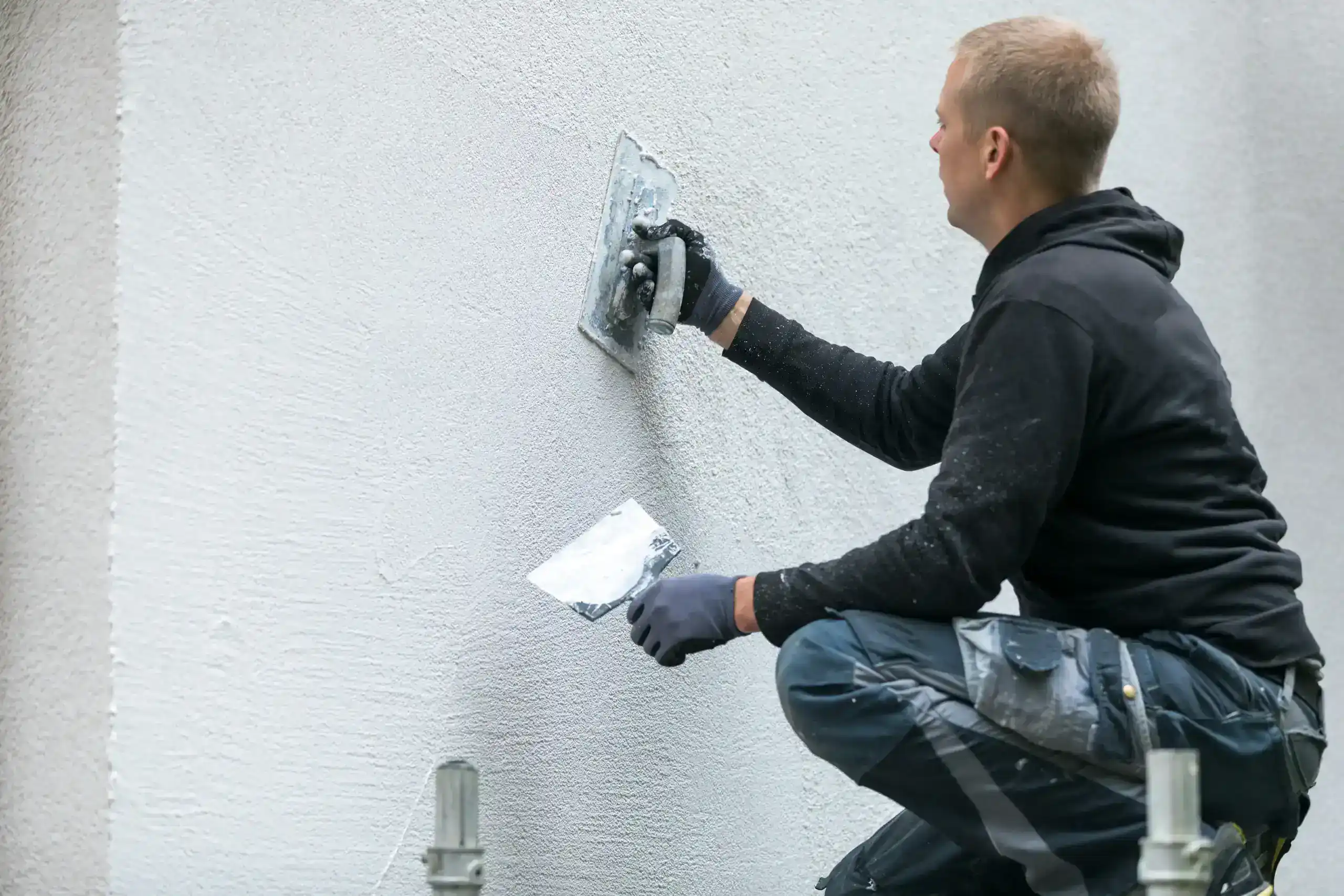
If you live within five miles of the coast, your house is essentially being “seasoned” with salt every single morning. That salt is a corrosive hitchhiker that gets under paint films and causes them to lose their grip. A direct crew is trained to perform the surgical cleaning and specialized priming required to keep the salt from sabotaging your new look.
Then there is the UV bombardment. San Diego’s sun is relentless, and it literally “bleaches” the life out of cheaper paint formulations. Direct crews are typically mandated by their employers to use specific, high-solids paints that are engineered for high UV resistance. They don’t have the incentive to “swap in” a cheaper bucket of paint to save a few bucks on the side.
At the end of the day, an exterior paint job is 90% preparation and 10% application. Subcontractors are often paid “by the job,” which incentivizes them to move fast. Direct crews are paid to do it right. When you’re dealing with the harsh reality of California coastal living, “fast” is a recipe for a redo in three years.
Don’t be afraid to be the “interrogator” during your estimate. Ask the big question: “Will the people on my roof be W-2 employees of your company?” If they start talking about their “network of trusted partners,” that’s usually code for “we hire whoever is available on Craigslist.” You want a company that is proud of their in-house talent.
Check for the uniforms and the trucks. A professional direct-crew company invests in their brand. If the “team” shows up in three different unmarked white vans with no company logo in sight, you’re likely looking at a subcontractor situation. While a logo doesn’t make someone a better painter, it does signify that the contractor is willing to put their name (literally) on the line.
Finally, verify the insurance. If a subcontractor isn’t properly covered by the main contractor’s workers’ comp, a ladder accident on your property could become your legal nightmare. A direct-crew company handles all the insurance in-house, giving you a much clearer safety net. Always ask to see the certificates—real pros won’t mind showing off their paperwork.
Your San Diego home is your biggest investment, so why let a middleman handle its protection? The difference between a direct crew and a subcontractor isn’t just about a paycheck; it’s about the quality, the accountability, and the specialized knowledge that keeps your stucco looking legendary for the next decade.
By choosing a company that employs its own people, you’re buying peace of mind. You’re making sure that the person who shook your hand during the estimate is actually the one responsible for the final result. No finger-pointing, no excuses—just a professional team that knows how to beat the San Diego sun at its own game.
At MRH Pro Construction & Painting, we’ve spent 16 years perfecting our craft with our own dedicated 7-person crew. We don’t believe in “farming out” your dreams to strangers.
Article details:
Share:
Continue learning: