San Diego County homeowners often ask: do I really need a permit for siding or windows? The short answer surprises most people, and getting it wrong costs thousands in fines and "I-told-you-so" moments.
Share:
Summary:
In the world of San Diego remodeling, if it involves more than a paintbrush, you probably need a permit. The California Building Code is pretty clear: a permit is required for projects such as new construction, additions, and remodeling. For siding and windows, the trigger is usually whether you’re affecting the “building envelope” or structural integrity.
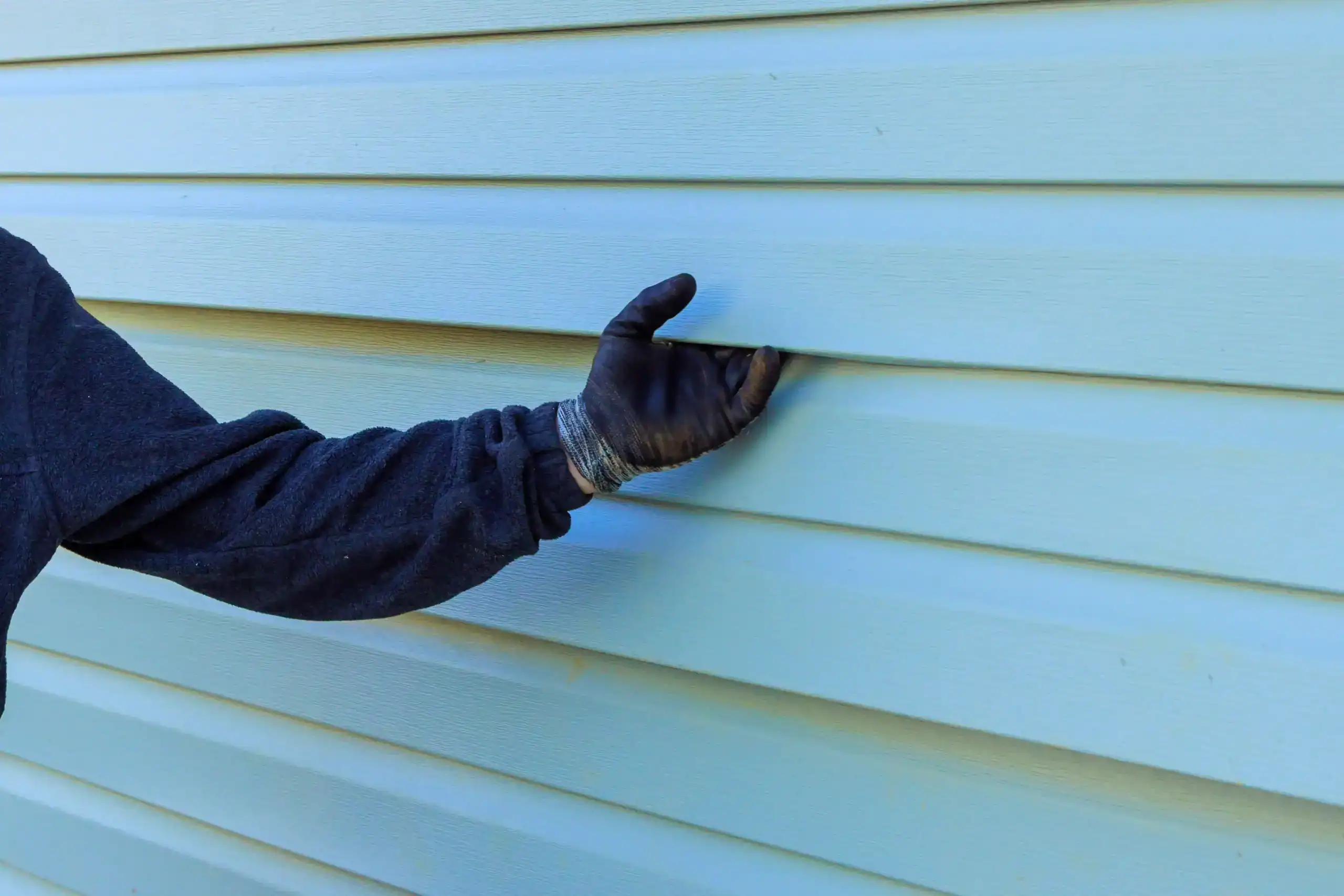
If you plan to replace the siding on your entire home, a permit is almost always required. This is because full siding replacements involve removing the old skin of your house and installing new weather-resistive barriers. The city wants to make sure your home doesn’t turn into a giant sponge the next time we get a rare San Diego rainstorm.
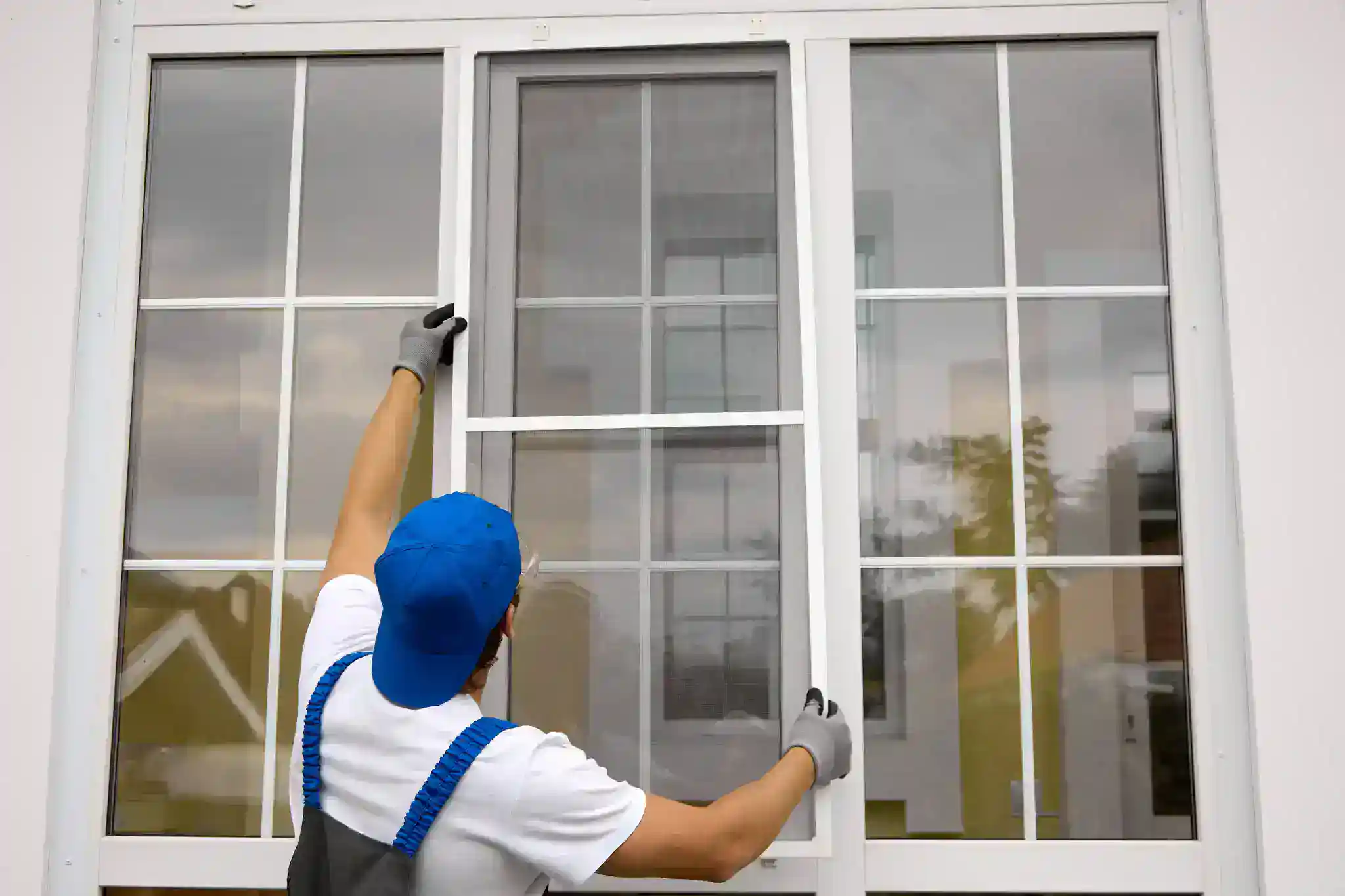
For windows, the rules are slightly more flexible but still strictly enforced. If you are doing a “like-for-like” replacement—meaning the new window fits perfectly into the old hole—the process is simpler. However, the moment you decide to turn a small window into a grand picture window, you’ve entered the realm of structural changes, and the permit office will definitely want an invite to that party.

San Diego offers a “No-Plan Building Permit” for projects that are basically “plug and play.” This procedure is for work that is eligible to obtain a building permit without a full architectural plan review, provided the structure was legally permitted to begin with. It’s the “express lane” of the development services world, but you still have to pay the toll and follow the rules.
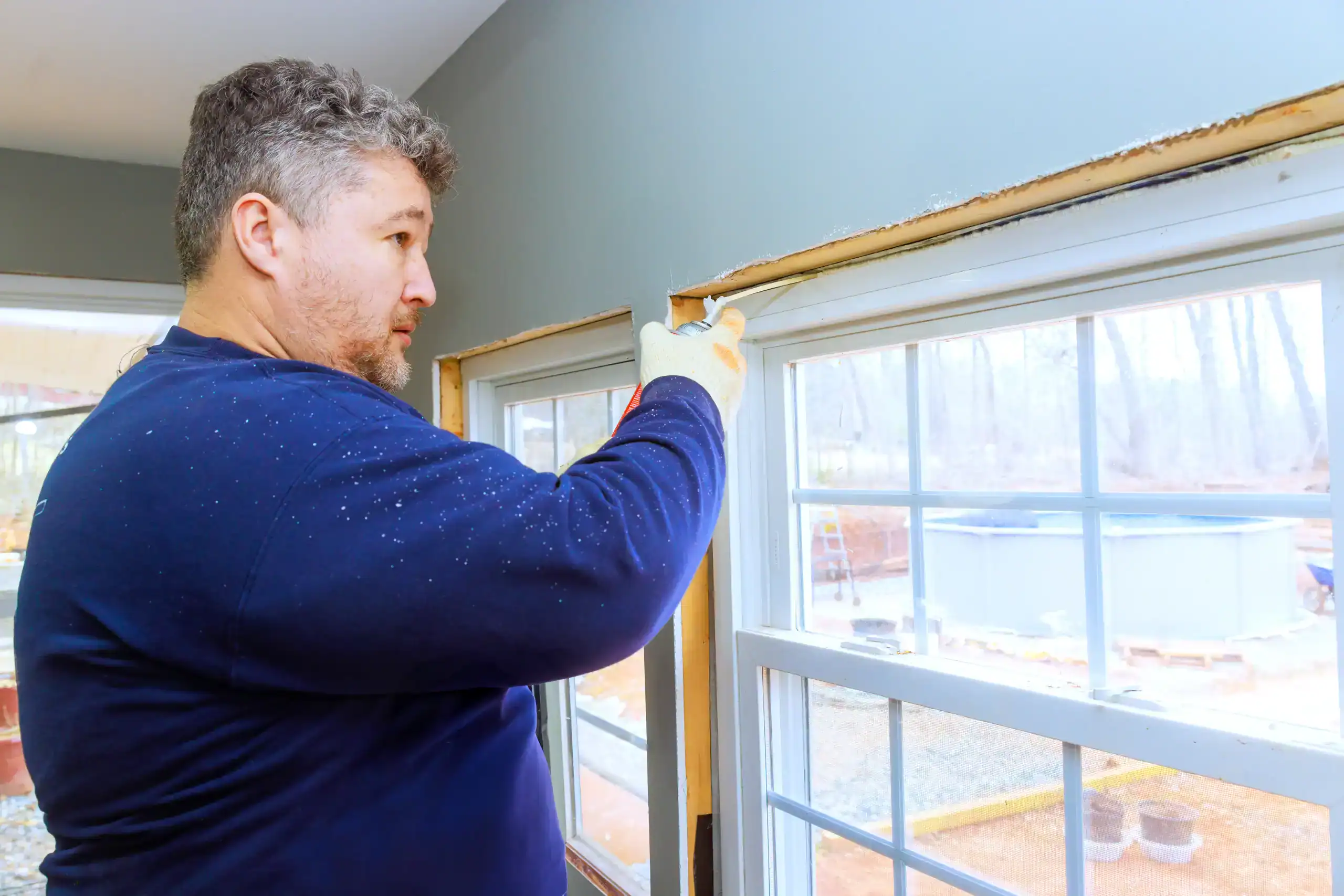
For windows, you qualify for this streamlined path if there are no modifications required to exterior weather-resistive flashings and no alterations to existing rough openings. Essentially, if you aren’t moving studs or changing the “face” of the house, you can skip the architectural drawings. However, you still need to make sure your new glass meets California’s Title 24 energy standards, which are basically the “Earth Day” of building codes.
There’s always a catch, and in San Diego, it’s usually “Historical Review” or “Fire Zones.” If your home is 45 years or older, or located in a historic district, you can’t just swap windows on a whim. The city wants to make sure you aren’t replacing a 1920s classic with something that looks like it belongs in a futuristic dystopian movie. Similarly, if you’re in a Very High Fire Hazard Severity Zone, your materials must be fire-resistive enough to withstand a literal inferno.
This is where it gets spicy: San Diego County and the City of San Diego are like two different countries with their own languages. If you live in an unincorporated area like Ramona or Fallbrook, you’ll be visiting the County’s Planning & Development Services. They have their own fee schedules, review standards, and a team of inspectors who only cover the unincorporated “wild west.”
City residents, on the other hand, deal with the City of San Diego’s Development Services Department. Everything is submitted through their online portal, which is great for people who love digital forms and slightly less great for people who miss the human touch of standing in a long line at a counter. The City often has tighter regulations on things like energy efficiency and coastal development permits.
If you’re in an incorporated city like Chula Vista or Carlsbad, you have a third set of rules to follow. Each municipality establishes its own building department. This patchwork system means that what works in Escondido might be a “no-go” in Encinitas. Your contractor needs to be a local geography expert just to figure out which office to call for an inspection.
Want live answers?
Connect with a MRH Pro Construction & Painting expert for fast, friendly support.
Some contractors will give you a “trust me” wink and tell you that permits are just a way for the city to take your money. While they aren’t entirely wrong about the money part, skipping the permit is a gamble where the house (the city house) always wins. Unpermitted work can result in stop-work orders with daily fines that make your monthly mortgage look like pocket change.
The real nightmare starts when you try to sell. In California, you’re legally required to disclose all remodeling work. If a savvy home inspector or appraiser catches unpermitted siding, it can kill your escrow faster than a shark in a surf lineup. Banks may refuse to fund loans on unpermitted homes, and you might find yourself paying three times the original permit cost to get things legalized “retroactively.”
Then there’s the insurance angle, which is the least fun of all. Illegal renovations could negate your homeowner’s insurance benefits. If a window leak causes a massive mold problem or a fire starts behind unpermitted siding, your adjuster might just hand you a “denied” stamp and a bill for the damages. Suddenly, that $500 permit fee seems like the best deal you ever missed.
If a contractor tells you to “pull the permit yourself as an owner-builder,” run. This is often a sign they don’t have a valid license or aren’t properly insured. When the contractor pulls the permit, they are legally responsible for the work. If it fails inspection, it’s on them to fix it. If you pull it, you’re the one who gets to explain to the city why the flashing isn’t up to code. A professional general contractor in San Diego knows the inspectors, the codes, and exactly which forms to fill out so they don’t get bounced back. We manage the entire process—from the initial submittal to the final “passed” sticker. You shouldn’t have to learn the difference between a U-factor and an SHGC rating just to get new windows.
When you hire us, we take the bureaucracy off your plate. We bring nearly two decades of experience navigating San Diego’s unique climate and building requirements. We know that siding replacement typically takes 5–10 days, and we factor the inspection schedule into that timeline so you aren’t left with an unfinished house for weeks on end.
Before the first piece of siding is ripped off, you need to interview your contractor like they’re applying for a job at the CIA. Ask specifically: “Are you pulling the permit in your name?” If the answer is anything other than a confident “Yes,” it’s time to keep shopping. You want someone who takes full accountability for the code compliance of your home.
Ask about Title 24 energy compliance for your windows. California has strict energy requirements designed to keep homes cool without cranking the AC to “Arctic.” Your contractor should be able to explain how the new windows meet these standards without having to Google it in front of you. At MRH Pro, our carpenters are fully licensed and ranked in the top 22% of California contractors, so we know these codes like the back of our hands.
Finally, get a realistic timeline in writing. Most exterior remodeling projects take 1–3 weeks, but permit delays can happen if you aren’t prepared. Ask your contractor what their plan is if an inspection fails. A reputable pro will fix any code issues at no cost to you. If they don’t have a clear answer, they might be planning to ghost you the moment the city inspector shows up with a clipboard.
Permits might feel like a hassle, but they are essentially the city’s way of making sure your house doesn’t fall apart or catch fire. When you work with a licensed general contractor who handles everything as standard practice, the permit process becomes a background task that you never have to stress about. You get the assurance knowing your investment is legal, insured, and built to last.
We’ve been serving San Diego County for 16 years, handling everything from re-stuccoing in Chula Vista to siding in Oceanside. We use direct crews—no subcontractors—to guarantee that the person doing the work is the same person who knows the permit requirements inside and out. That’s 16 years of passing inspections and making sure our clients can sell their homes whenever they’re ready without an “escrow headache.”
Your home’s exterior is its first line of defense. Don’t let a fear of paperwork stop you from upgrading your comfort and energy efficiency. We handle the permit, we handle the project, and you handle the compliments from your neighbors. Ready to upgrade your windows or siding without the stress? Give us a shout, and let’s get that permit pulled.
Article details:
Share:
Continue learning: