Smart window installation combines high-tech energy efficiency with a "set it and forget it" lifestyle. Learn how the right glass can save your furniture and your sanity in the 619.
Share:
Summary:
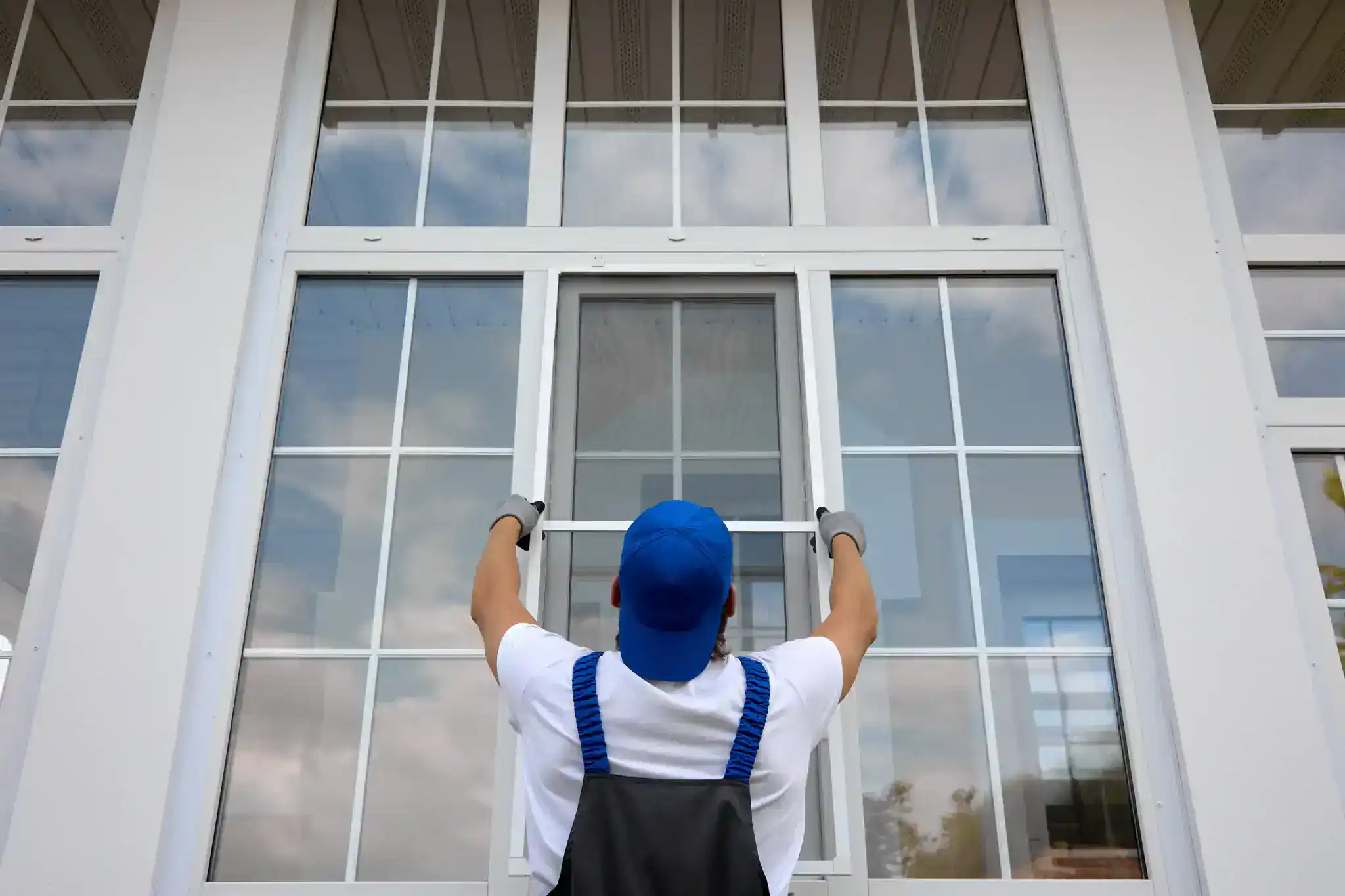
A “smart” window installation isn’t just one that can talk to your toaster; it’s one that respects the 16 different climate zones of California. What works for a cabin in Julian would be a total disaster for a condo in La Jolla. Smart installation means matching the window’s “Solar Heat Gain Coefficient” to the exact amount of sun your house eats every afternoon.
In San Diego County, being “smart” also means planning for the salt air. If your contractor uses cheap metal hardware, it’ll be rusted shut before the next Padres season. High-end vinyl formulations or fiberglass frames are the local “brainy” choice because they won’t warp when the Santa Ana winds kick in or corrode when the ocean breeze rolls through your living room.
The final piece of the “smart” puzzle is the moisture barrier. In San Diego, we don’t get rain often, but when we do, it likes to come sideways. A smart installer uses advanced flashing techniques to make sure that not a single drop of water finds its way into your stucco, preventing the kind of mold growth that makes for a very expensive and very un-fun remodeling sequel.
Let’s talk about Low-E coatings, which are basically like high-end sunglasses for your house. These microscopic layers of silver or other metals reflect the “angry” infrared heat back outside while letting the “nice” visible light through. It means you can enjoy the San Diego sunshine without feeling like you’re sitting under a heat lamp at a buffet.
Most homeowners who upgrade from ancient single-pane windows to modern double or triple-pane units see their energy bills drop by up to 30%. In a city where SDG&E rates can make you want to move into a cave, that 30% is real money. It’s like getting a permanent discount on your air conditioning just for having better taste in glass.
Beyond the cash, there’s the “Couch Protection Factor.” UV rays are the natural enemy of your carpet, your artwork, and your skin. Modern smart windows block 95% or more of these rays. This means your furniture stays the color you actually bought it, and you won’t have to worry about your interior décor looking like it was left out in the desert for a decade.
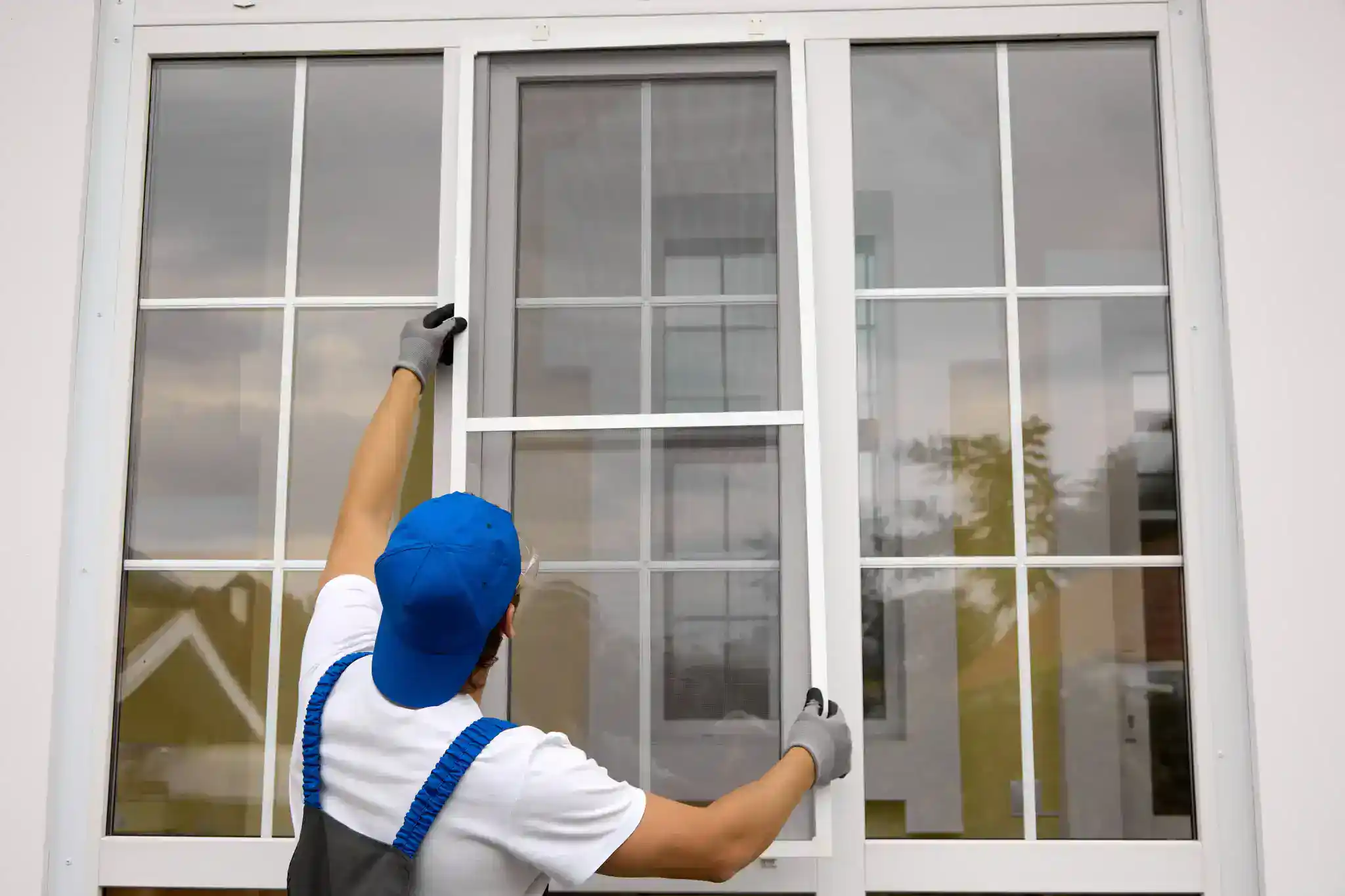
Installing a window in San Diego requires a specific set of skills, mostly involving the word “stucco.” Most of our homes are wrapped in this brittle, cement-like skin, and if an installer isn’t careful, “replacing a window” can quickly turn into “rebuilding the entire side of the house.” You need someone who knows how to cut into that exterior without making it look like a shark took a bite out of your wall.
Then there’s the Marine Layer—that damp, foggy hug we get every morning. It’s lovely for the garden, but it’s a nightmare for window seals. A specialized local expert knows that weather sealing isn’t a “one size fits all” job. They use sealants designed to handle the expansion and contraction that happens when the temperature jumps 20 degrees in two hours once the fog clears.
Don’t even get us started on the “Subcontractor Shuffle.” A lot of big national companies sell you a window and then hire a random guy with a truck to stick it in your wall. If that guy misses a piece of flashing, you’ll be chasing a ghost when the leaks start. Working with a direct, local crew means the person who sold you the “smart” solution is the one actually holding the drill.
Want live answers?
Connect with a MRH Pro Construction & Painting expert for fast, friendly support.
The cost of window installation in the 858 and 619 can vary wildly, but generally, you’re looking at $400 to $1,000 per window. If you’re going for a custom wood frame to match a historic Craftsman in North Park, expect to pay a bit more. If you’re swapping out a standard vinyl slider in Chula Vista, you’ll likely be on the lower end of that scale.
It’s tempting to look at that price and think, “Maybe I’ll just buy some thick curtains.” But remember: curtains don’t stop the heat from entering your home; they just hide it. The quality of the installation accounts for about 20% of the cost but 100% of the performance. A $1,000 window installed poorly is basically a $50 window with a better marketing department.
For a typical 15-window home, a full-house replacement is a significant investment, ranging from $7,500 to $15,000+. However, unlike that trendy “shiplap” wall you’re considering, windows actually pay you back. They are one of the few home improvements that consistently recoup over 70% of their cost in immediate home equity. Plus, they don’t require you to dust them every weekend.
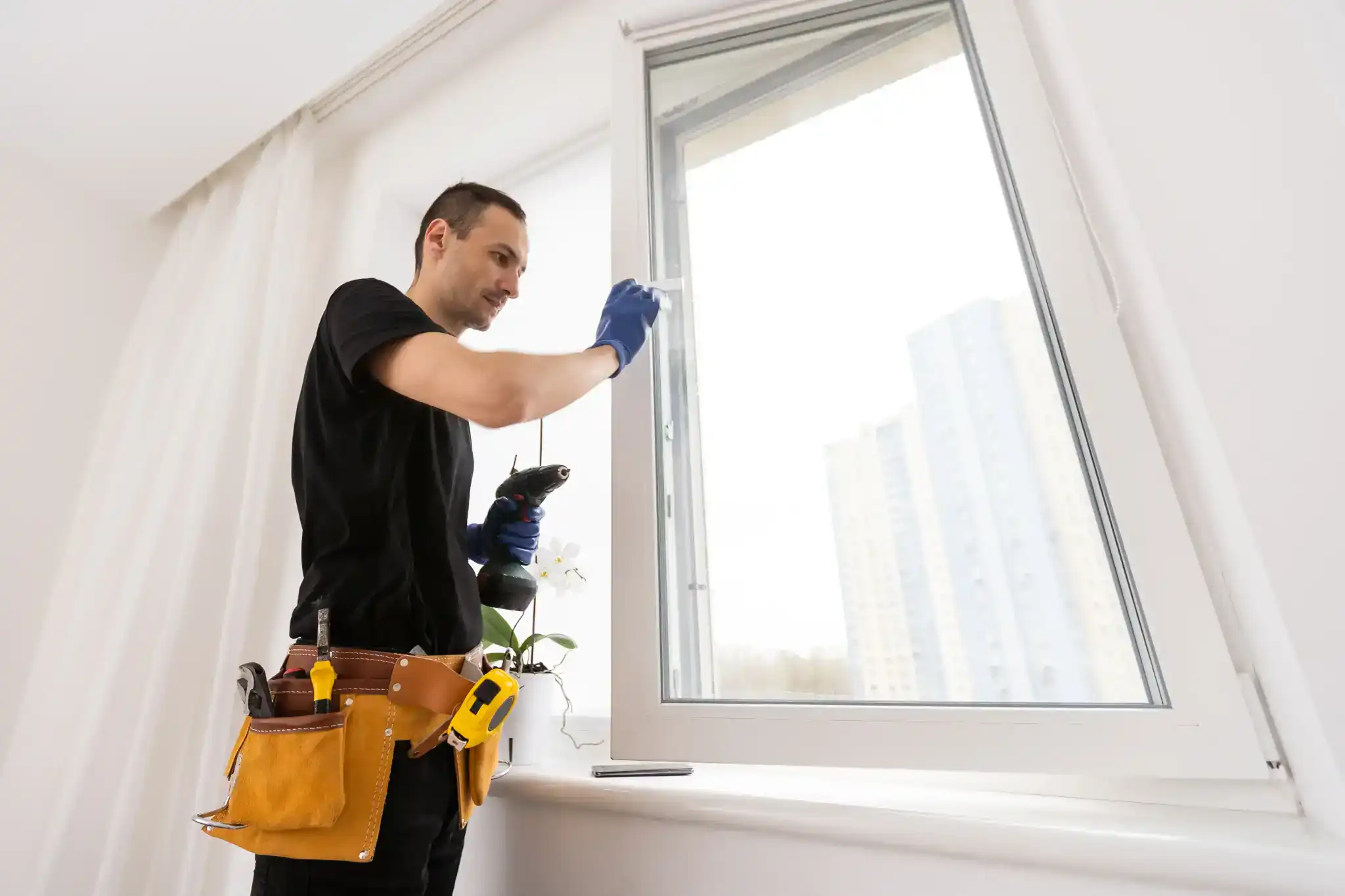
The biggest price swing usually comes from the frame material. Vinyl is the “value king”—it’s durable, effective, and doesn’t mind the salt air. Fiberglass is the “tough guy,” offering even more strength and efficiency but at a premium price. Wood is the “traditionalist,” offering unmatched beauty but requiring a level of commitment to maintenance that some homeowners find more exhausting than a trip to the DMV.
Size and location also play a role. If you have a window that requires a 30-foot ladder and a very brave technician, the labor cost will reflect that “thrill-seeking” requirement. Picture windows (the ones that don’t open) are cheaper than casement windows (the ones that crank out), so mixing and matching styles can help you stay on budget while still getting the look you want.
Finally, there’s the “Permit Panic.” San Diego County actually cares about things like “egress” (making sure you can get out in a fire) and “Title 24” compliance. A reputable contractor handles these permits for you. It might add a small fee to the bill, but it’s much cheaper than having a city inspector tell you to rip out your new windows because they don’t meet the safety code.
In San Diego’s competitive real estate market, “New Windows” is a phrase that makes buyers’ hearts go pitter-patter. It signals that the heavy lifting of home maintenance has already been done. It’s like selling a car with brand new tires and a fresh oil change—it just feels like a smarter, safer bet for whoever is writing the check.
But the real ROI is the “Quiet Factor.” Modern windows are incredible at blocking out the sounds of neighborhood leaf blowers, barking dogs, and that one neighbor who thinks their garage band is going to make it big. When you close a high-quality smart window, the world goes silent. That kind of peace and quiet is a luxury that’s hard to put a price tag on.
Long-term, quality windows prevent the “Rot Apocalypse.” When old windows leak moisture into your walls, they invite termites and rot to dinner. By the time you see the damage, you’re looking at a structural nightmare. A professional installation with proper flashing is basically a health insurance policy for your home’s skeleton, keeping it dry and termite-free for decades.
Don’t just hire the guy who gives you the lowest quote and a “trust me” wink. In California, you want to see a B general or C33 license and enough insurance to cover a small moon landing. A legitimate contractor won’t mind you checking their credentials—in fact, they’ll probably be proud of them. If they hesitate, that’s your cue to run faster than a tourist from a rainstorm.
Ask about their crew. You want to hear that they use “W-2 employees,” not a rotating cast of “independent contractors” who may or may not show up on Tuesday. Direct crews have a reputation to uphold and a boss who knows where they live. This means the caulking will be straighter, the flashing will be tighter, and your house won’t be left as a construction site for three weeks.
At MRH Pro Construction & Painting, we’ve spent 16 years perfecting the art of the San Diego window swap. We handle the permits, we respect the stucco, and we never use subcontractors. We’re basically the “smart” in smart window installation.
Article details:
Share:
Continue learning: