Your fascia boards do more than look good—they protect your home from water damage, pest infiltration, and structural rot that costs thousands to fix.
Share:
Summary:
Your home’s exterior trim and fascia boards aren’t holding up as well as they should. You’ve noticed peeling paint along the roofline, or maybe your gutters are pulling away from the house. That sagging section near the downspout didn’t look that bad six months ago.
Here’s what most San Diego homeowners don’t realize until it’s too late: fascia damage doesn’t just look bad. It lets water behind your walls, invites pests into your attic, and starts a rot problem that spreads to rafters and roof decking. By the time you see the damage from the ground, moisture has usually been working its way into your structure for months.
This guide walks you through trim and fascia repair in San Diego County—what these components actually do, how coastal conditions affect them differently than inland areas, what repair costs look like, and how to prevent small problems from becoming expensive structural issues. We’ll also cover custom carpentry trends and deck design considerations that matter for San Diego’s climate.
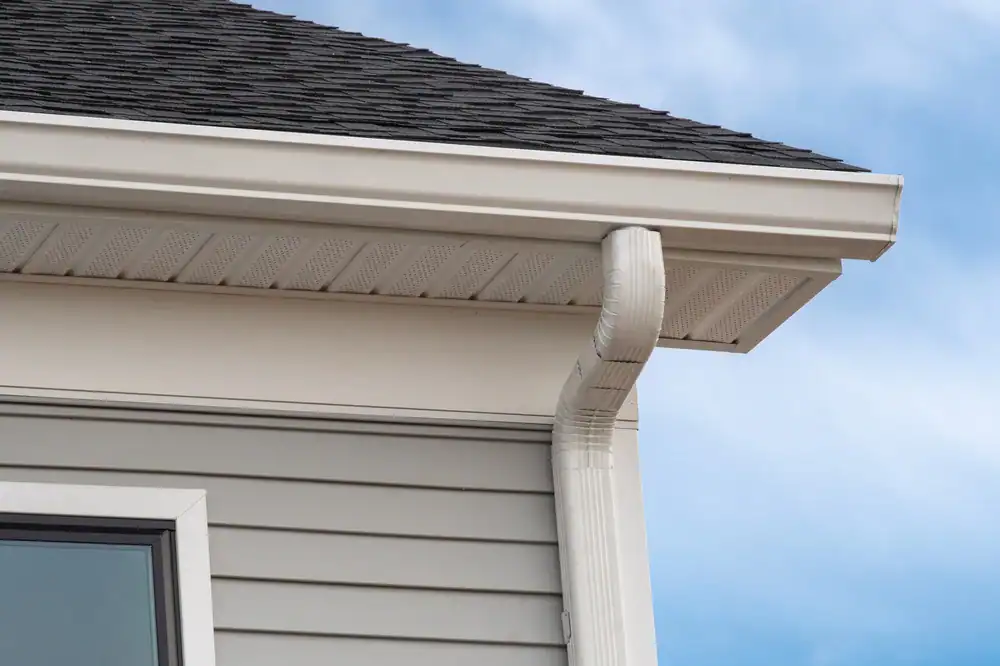
Fascia boards run horizontally along your roofline, right where your gutters attach. They’re the finished edge that gives your roof a clean look, but their real job is protection. Fascia creates a barrier between your roof structure and everything the weather throws at it—rain, wind-driven moisture, and in San Diego, salt-laden coastal air.
When fascia works correctly, it supports your gutter system, directs water away from your walls and foundation, and seals the gap between your roof and the outside world. When it fails, water gets behind your exterior surfaces and starts rotting the wood structure you can’t see. Exterior trim includes fascia plus the boards around windows, doors, corners, and other transitions where different materials meet. All of it serves the same basic purpose: keep water out and give your home’s exterior a finished appearance.
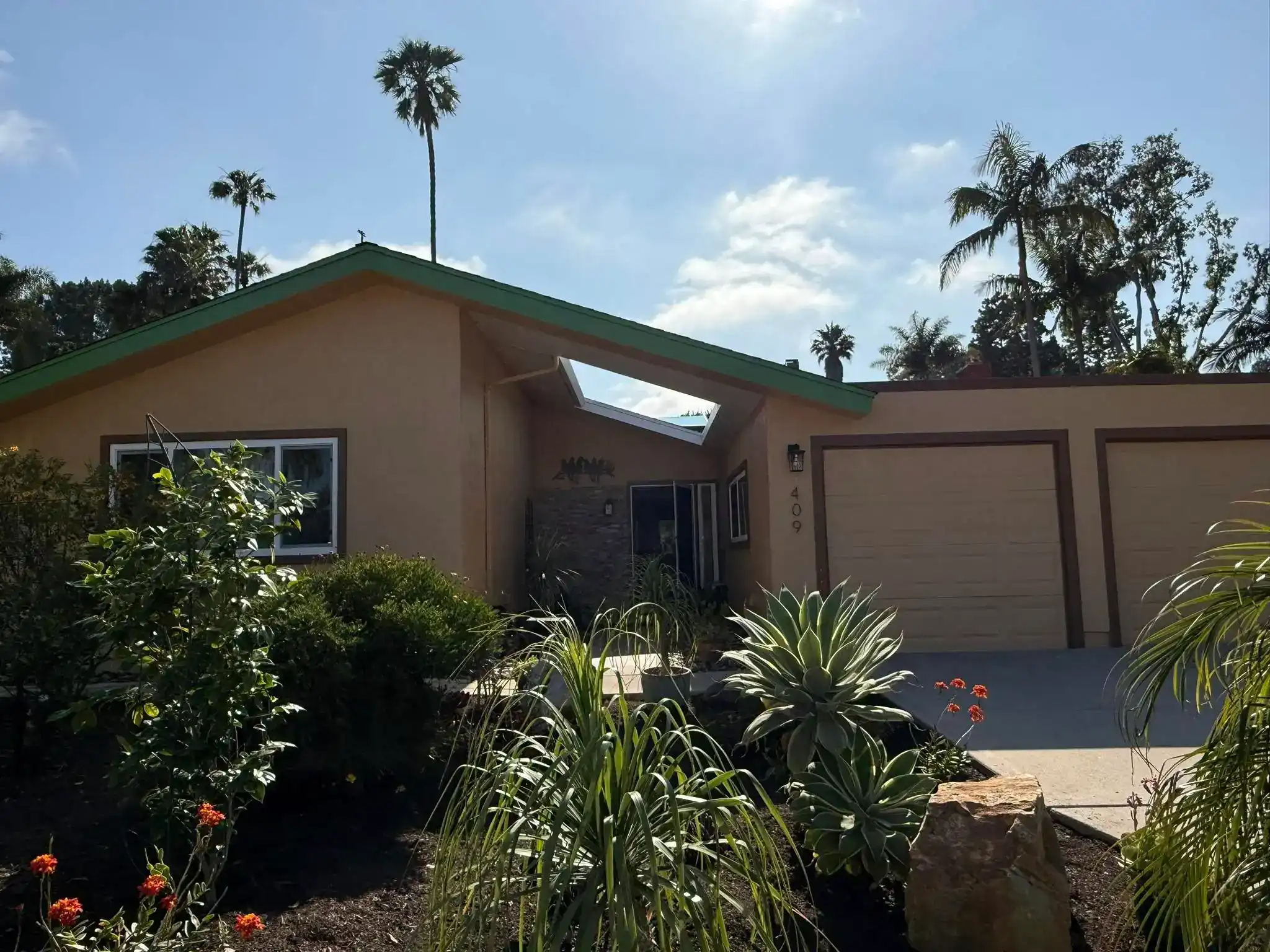
San Diego’s climate looks mild on paper, but it’s brutal on exterior wood and trim. The marine layer brings moisture that settles on surfaces every morning. Afternoon sun bakes everything dry. That daily wet-dry cycle is exactly what breaks down paint, opens cracks in wood, and creates entry points for water.
Salt air makes everything worse. If you’re within a few miles of the coast, airborne salt particles land on your fascia, gutters, and trim. Salt accelerates corrosion on metal fasteners and pulls moisture into wood fibers. Paint that would last eight years inland might start failing in five near the ocean.
UV exposure in San Diego is intense year-round. The sun’s rays break down paint pigments and dry out wood, making it brittle and prone to cracking. Dark-colored trim absorbs more heat, which speeds up deterioration. Temperature swings between cool mornings and hot afternoons cause materials to expand and contract, which loosens fasteners and opens joints where water can enter.
Wood fascia without proper sealing doesn’t stand a chance in these conditions. Even painted wood needs regular maintenance—power washing to remove salt buildup, inspection for cracks, and repainting every few years. Most homeowners don’t stay on top of that schedule, which is why fascia damage is so common in San Diego County.
Coastal homes need different materials and maintenance schedules than inland properties. Fiber cement, aluminum-wrapped wood, or vinyl fascia perform better in salt air than bare or painted wood. Stainless steel or coated fasteners resist corrosion. Proper flashing and drip edges become even more critical when you’re dealing with morning moisture and afternoon heat.
The marine layer isn’t just fog—it’s moisture that gets into every crack and joint. If your fascia has any gaps where it meets the roof or where boards join together, that moisture works its way in. Once water gets behind the fascia, it sits against the wood structure and starts the rot process. By the time you see staining or peeling paint on the outside, the damage inside is usually much worse.
Catching fascia damage early saves you money. A small repair that costs a few hundred dollars now prevents structural damage that runs into thousands later. The trick is knowing what to look for before the problem becomes obvious.
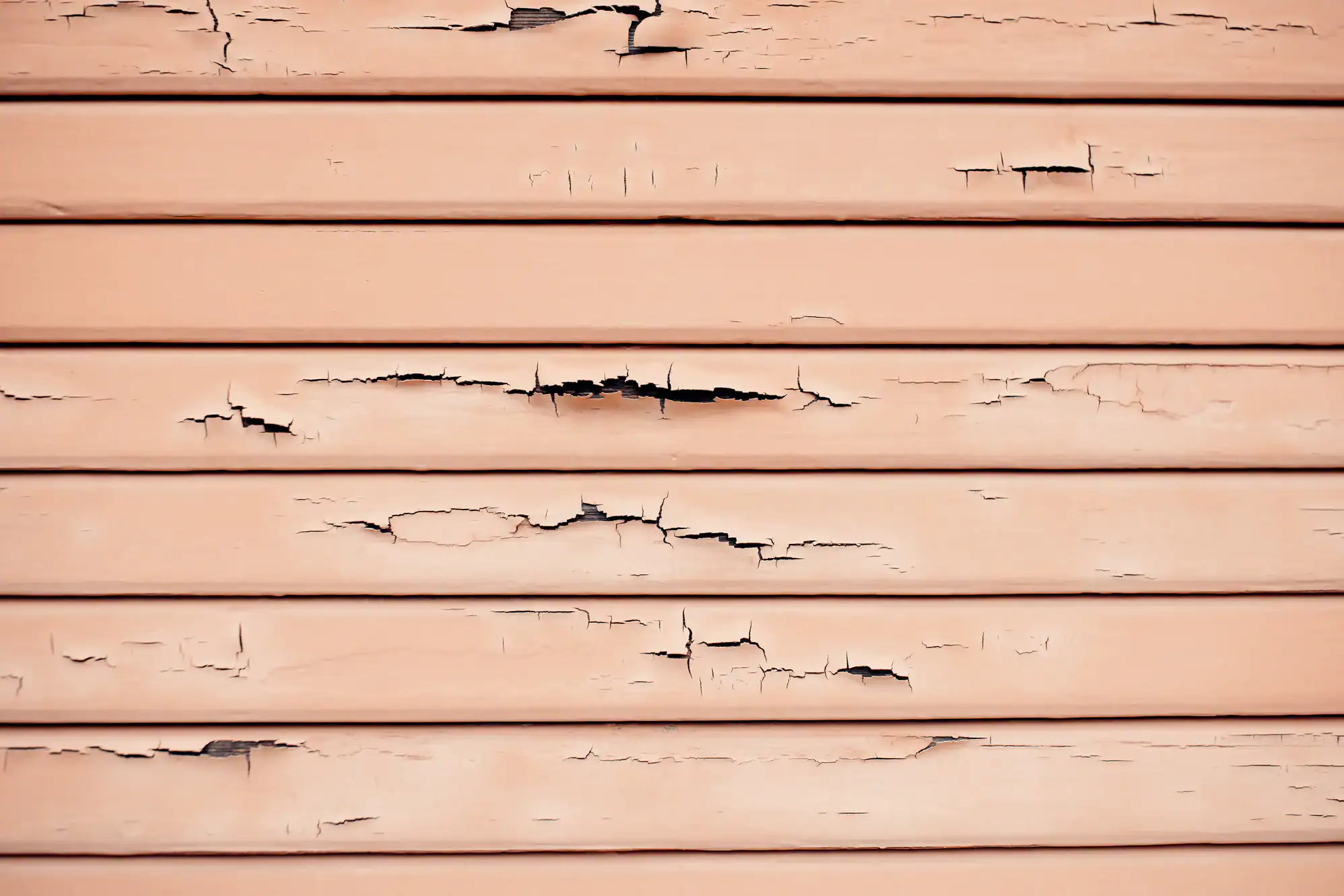
Peeling or bubbling paint is usually the first visible sign. Paint fails when moisture gets trapped between the paint and the wood. If you see paint peeling in sheets or bubbling up, water is already behind the surface. Don’t just repaint over it—that traps more moisture and makes the rot worse.
Soft spots or discoloration mean the wood itself is compromised. Press on your fascia boards with your finger or a screwdriver. Solid wood feels firm. Rotted wood feels soft or spongy, and a screwdriver will sink in easily. Dark stains or streaks indicate water damage or the start of mold and mildew growth.
Sagging or warping fascia suggests structural damage. Fascia boards should run straight and level. If sections are sagging, pulling away from the roofline, or visibly warped, the wood has lost its strength. This usually happens when water damage has been ongoing for a while.
Gutters pulling away from the house point to fascia failure. Your gutters are only as strong as what they’re attached to. If fascia boards are rotting, they can’t support the weight of gutters filled with water and debris. You’ll see gaps between the gutter and the fascia, or sections that slope incorrectly.
Pest activity around your roofline often indicates fascia damage. Birds, squirrels, and insects are attracted to gaps and soft wood. If you notice nests, holes, or insect activity near your fascia, there’s probably damage that’s giving them easy access to your attic space.
Water stains on exterior walls below the roofline mean water is getting past your fascia and running down your siding. This is a clear sign that your fascia isn’t directing water into the gutters properly. Interior ceiling stains near exterior walls can also trace back to fascia leaks.
Visible cracks or splits in the fascia boards themselves create entry points for water. Even small cracks let moisture in, especially during San Diego’s winter rains. Once water gets into a crack, it expands when temperatures drop at night, making the crack bigger.
Check your fascia at least twice a year—once before the rainy season in fall and once in spring after winter storms. Walk around your property and look up at the roofline. Use binoculars if needed to get a closer view without climbing a ladder. Look for any of these warning signs, and address them before the next rain.
Want live answers?
Connect with a MRH Pro Construction & Painting expert for fast, friendly support.
Fascia repair costs vary based on how much damage exists, what materials you’re using, and whether you’re patching a section or replacing entire runs. In San Diego County, you’re looking at higher labor rates than national averages, plus the need for materials that handle coastal conditions.
Small repairs—patching a few linear feet of damaged fascia—typically run $200 to $500 depending on access and materials. Full fascia replacement for an average single-story home with 100 to 150 linear feet of fascia boards costs $1,500 to $3,500 including labor and materials. Two-story homes or complex rooflines increase costs due to access challenges and additional time required.
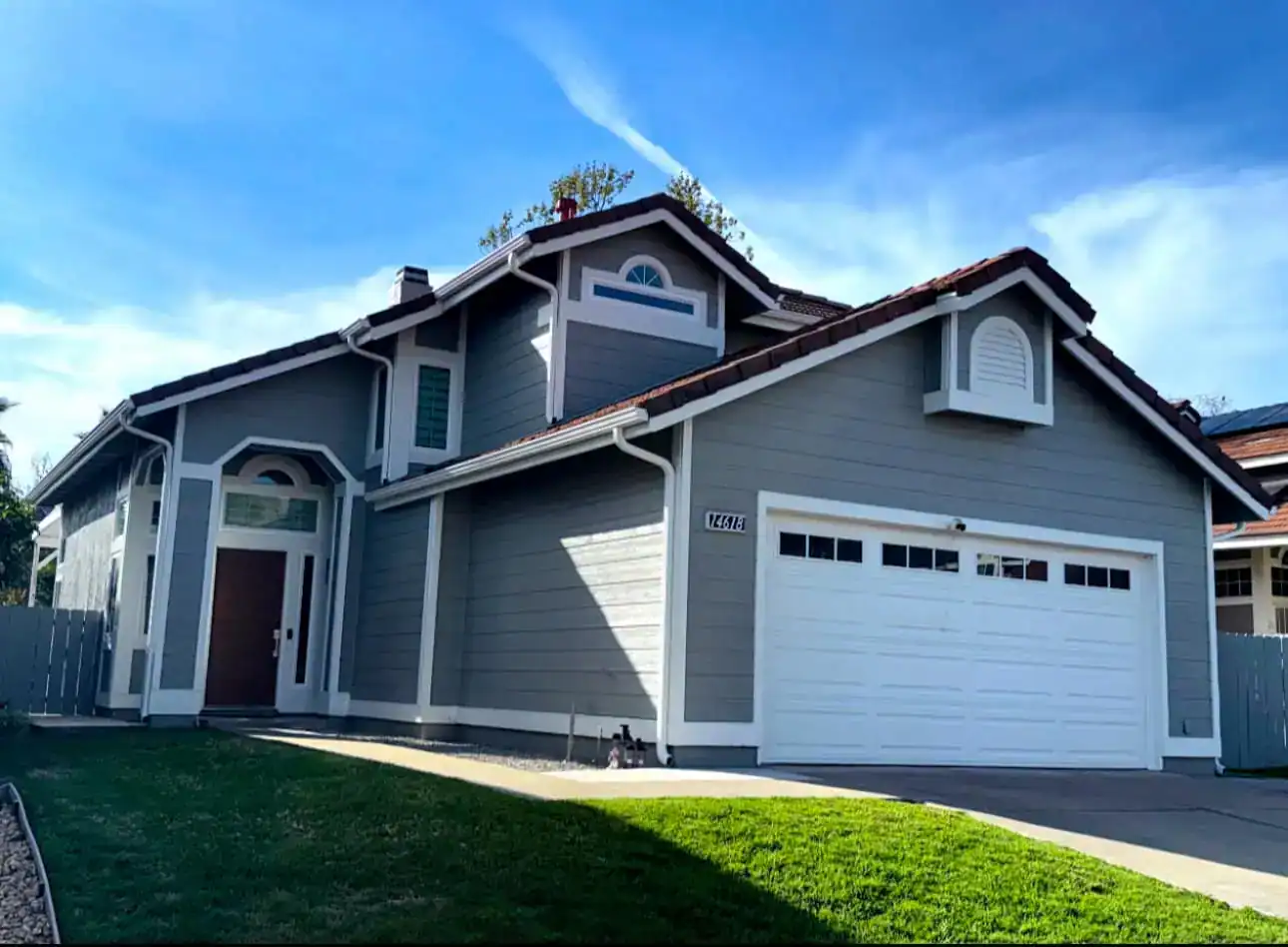
Material choice is the biggest cost variable. Wood fascia (pine or cedar) costs $1 to $3 per linear foot for materials but requires regular painting and maintenance. Fiber cement fascia runs $3 to $6 per linear foot and resists moisture and rot better than wood. Vinyl or aluminum fascia costs $2 to $5 per linear foot and offers low maintenance, though it can look less traditional than wood.
Labor costs in San Diego County run higher than national averages. Expect to pay $6 to $20 per linear foot for professional installation, depending on the complexity of the job. High rooflines, steep pitches, and difficult access increase labor time and cost.
Hidden damage adds to the final bill. When contractors remove damaged fascia, they often find rot that’s spread to soffits, rafters, or roof decking. Repairing structural damage costs $500 to $4,000 depending on severity. This is why getting a thorough inspection upfront matters—contractors should check for hidden damage before giving you a final estimate.
Gutter work often goes hand-in-hand with fascia repair. Since gutters attach to fascia, they usually need to be removed and reinstalled during fascia replacement. If your gutters are old or damaged, replacing them at the same time saves on labor costs. New gutter installation adds $3 to $10 per linear foot to your project.
Paint or finish work adds cost but protects your investment. Wood fascia needs primer and at least two coats of exterior paint. Factor in $1 to $3 per linear foot for professional painting. Fiber cement can be painted or left with its factory finish. Vinyl and aluminum don’t require painting.
Permits may be required for extensive fascia replacement in San Diego County, especially if structural repairs are involved. Permit costs run $50 to $300 depending on project scope. Licensed contractors handle permit applications and ensure work meets building codes.
The cheapest bid isn’t always the best value. Contractors who cut corners on materials, skip proper flashing installation, or use unlicensed workers create problems that cost more to fix later. Look for licensed, insured contractors who use quality materials and provide detailed written estimates with warranty coverage.
Fascia repair looks straightforward until you’re on a ladder trying to remove rotted boards without damaging your roof or gutters. Most homeowners underestimate the safety risks, the tools required, and the expertise needed to do the job correctly.
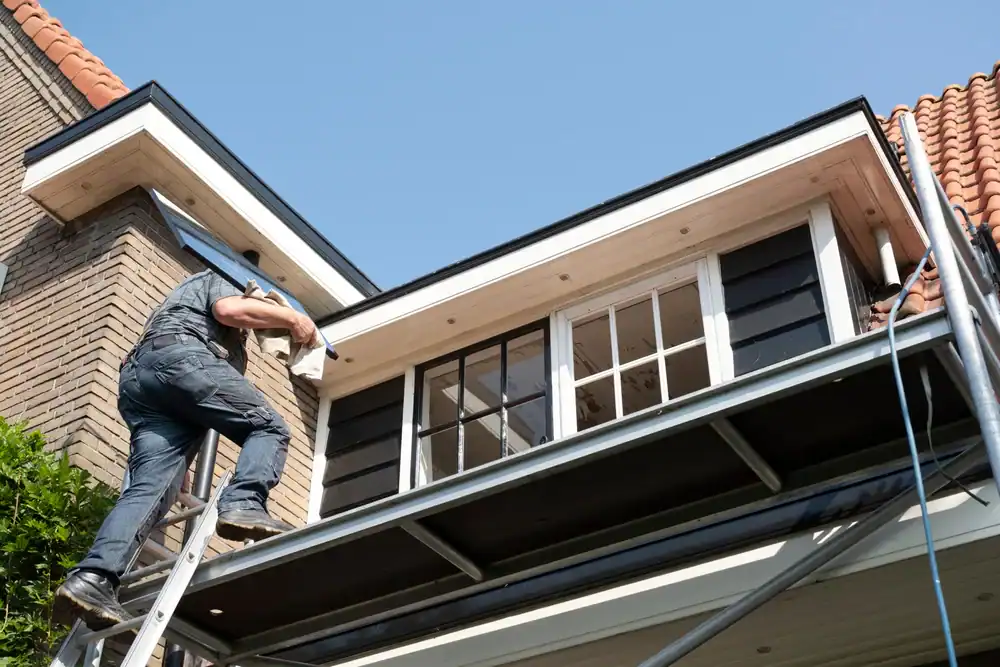
Working at roof height is dangerous without proper equipment and experience. Falls from ladders cause serious injuries. Professional contractors have safety gear, scaffolding, and insurance coverage. If you’re not comfortable on a ladder or your home is two stories, hire a professional.
Incorrect installation causes bigger problems than the original damage. Fascia needs to be properly aligned, securely fastened to rafters, and sealed against moisture. If boards aren’t level, gutters won’t drain correctly. If flashing isn’t installed right, water gets behind the fascia and starts new rot. Mistakes can void your roof warranty or homeowners insurance.
Identifying hidden damage requires experience. What looks like a simple fascia replacement often reveals rot in soffits, rafters, or roof decking once you remove the damaged boards. Professionals know how to assess the full extent of damage and make necessary structural repairs.
Material selection matters for San Diego’s climate. Professionals understand which materials perform best in coastal conditions, how to properly seal and flash different materials, and which fasteners resist corrosion. Using the wrong materials or installation methods leads to premature failure.
Time and tool costs add up for DIY projects. You’ll need a circular saw, drill, pry bar, measuring tape, safety equipment, and possibly scaffolding rental. Factor in multiple trips to the hardware store and the time to complete the work yourself. For many homeowners, the cost savings of DIY don’t justify the time, risk, and potential for mistakes.
Professional work comes with warranties. Licensed contractors typically warranty their workmanship for at least one year. Materials carry manufacturer warranties. If problems develop, you have recourse. DIY work leaves you responsible for any issues.
Small, accessible repairs on single-story homes might be reasonable DIY projects if you have carpentry experience and proper safety equipment. Anything involving structural damage, high rooflines, or complex details should go to a licensed professional. Get multiple estimates from experienced contractors and compare their approach, materials, and warranties—not just price.
Your fascia and exterior trim work harder than almost any other part of your home’s exterior. They take direct hits from sun, rain, salt air, and temperature swings while protecting your structure from water damage and pests. In San Diego County’s coastal climate, that means regular inspection and maintenance aren’t optional—they’re necessary to prevent expensive structural repairs.
Catch problems early by inspecting your fascia twice a year. Look for peeling paint, soft spots, sagging sections, or gutters pulling away from the house. Address small issues before they become major damage. Use materials designed for coastal conditions—fiber cement, aluminum-wrapped wood, or properly sealed and painted wood with corrosion-resistant fasteners.
When damage exists, work with licensed professionals who understand San Diego’s building codes and climate challenges. Quality materials and proper installation protect your investment and prevent the kind of water infiltration that leads to rot, mold, and structural failure. We bring 16 years of San Diego County experience to every exterior project, with licensed contractors who handle everything from trim and fascia repair to comprehensive exterior remodeling.
Article details:
Share:
Continue learning: