Not all window problems show up as drafts. Learn what San Diego homeowners actually need to know about replacement timing, energy savings, and coastal-rated materials.
Share:
Summary:
You’ve noticed the windows aren’t quite right. Maybe it’s the fogging between the panes that won’t wipe away, or the bedroom that’s always ten degrees warmer than the rest of the house. Maybe you’re just tired of watching your energy bill climb while your HVAC runs nonstop.
Here’s what matters: San Diego County’s coastal climate is harder on windows than most places, and the signs your windows are failing often show up long before you feel a draft. This guide answers the questions that actually matter when you’re trying to figure out if it’s time for replacement, what you can expect to save, and which options make sense for homes in our specific climate and architectural styles.
The question isn’t always obvious. Your windows might look fine from the street, but San Diego’s combination of salt air, intense UV exposure, and temperature swings creates problems that standard windows simply can’t handle long-term.
Most homeowners focus on drafts, but that’s often the last sign, not the first. By the time you feel air leaking around your windows, you’ve likely been losing money for months or even years. The real indicators show up earlier and cost you more than you’d think.
Energy loss through windows accounts for 25–30% of your home’s heating and cooling costs. In San Diego’s climate, where your AC works hard even on mild days, subtle energy loss can cost nearly $500 annually without creating noticeable drafts. If you’re considering window replacement San Diego, improving energy efficiency is often one of the biggest long-term benefits. That’s money leaving your home silently while your HVAC system compensates.

Temperature inconsistencies between rooms signal failing window seals before you ever feel a draft. If your bedroom stays warmer than the living room during summer, or certain areas feel stuffy despite running the AC, your windows are likely letting conditioned air escape while allowing heat to penetrate.
Fogging or condensation between window panes means the seal has failed completely. Once moisture gets trapped between double-pane glass, the insulating gas has escaped and the window has lost most of its energy efficiency. This isn’t something you can fix with cleaning. The sealed unit is compromised.
Windows that stick, jam, or refuse to lock properly create both safety and security concerns. In San Diego’s coastal areas, frames warp from moisture exposure and salt air corrosion. Beyond being frustrating, windows that won’t lock compromise home security, and windows that won’t open prevent escape routes in emergencies.
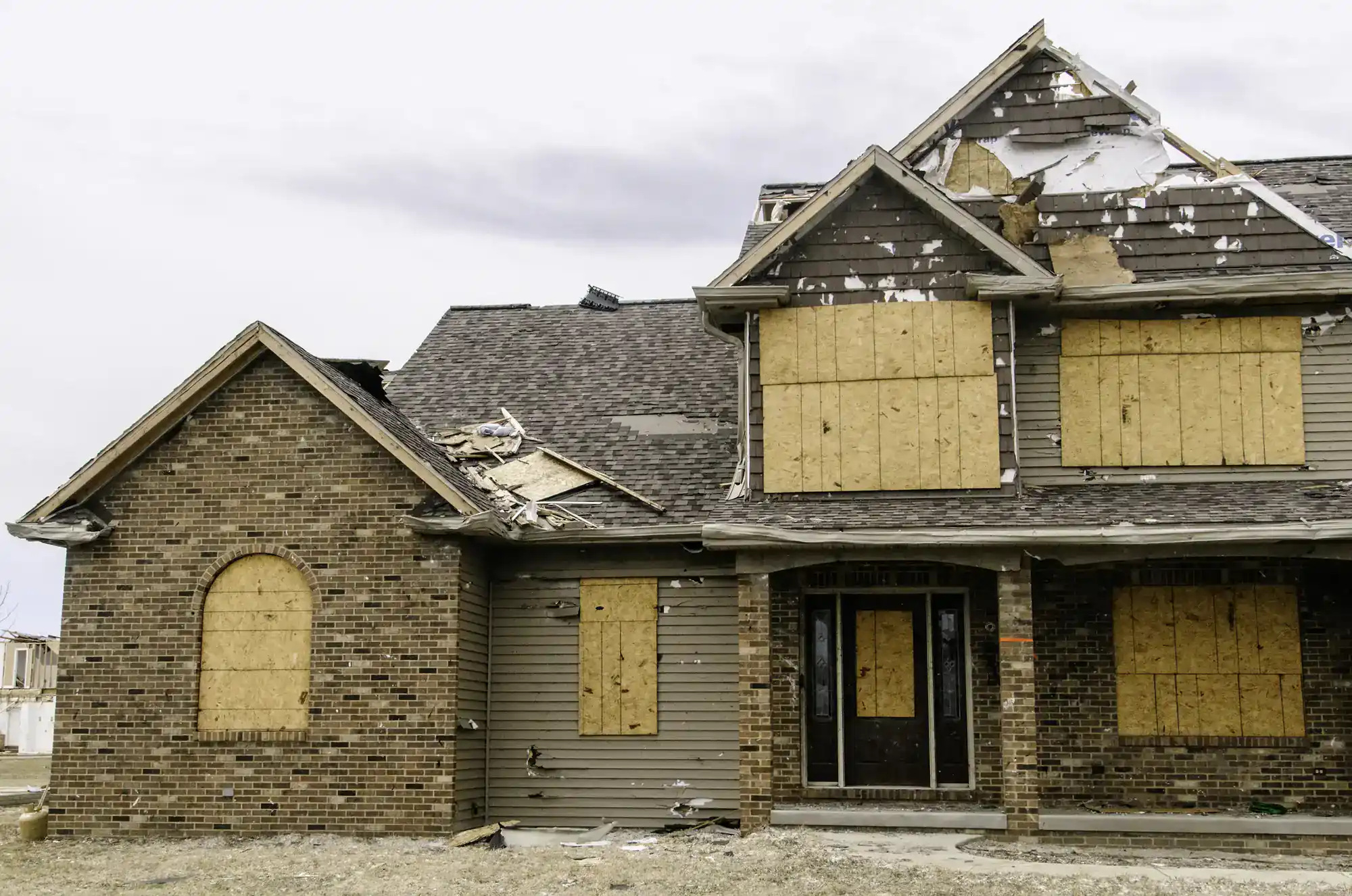
Visible frame damage tells you coastal conditions are winning. Rotting wood, cracked frames, or corrosion around metal components indicate your windows are past their functional lifespan. Salt air accelerates this deterioration significantly faster than inland conditions. What might take 30 years inland can happen in 15-20 years near the coast.
Your energy bills climbing without explanation often point directly to window failure. If your usage habits haven’t changed but your costs keep rising, your windows are likely the culprit. Old or failing windows force your HVAC system to work 25% harder just to maintain the same temperature, and that shows up every month on your bill.
San Diego’s climate looks gentle, but it’s uniquely harsh on windows. The combination of factors creates challenges that windows in other regions never face.
Salt air carries microscopic particles that gradually corrode metal components and stress certain frame materials. Even if you’re several miles from the ocean, coastal breezes bring salt inland. This affects window hardware, metal frames, and even the seals around glass units. Materials that perform well in Arizona or Nevada fail faster here.
UV exposure happens year-round with intensity that degrades seals, frames, and coatings. San Diego receives consistent, strong sunlight that breaks down materials over time. Windows not designed to manage solar heat gain lose performance well before the end of their expected lifespan. The constant bombardment weakens seals and causes frames to expand and contract repeatedly.
Temperature swings between day and night, even in our mild climate, stress window seals and frames. Materials expand in heat and contract when it cools, creating tiny gaps where air leaks through. San Diego’s 15-25°F daily temperature variations might seem modest, but they happen almost every day, year after year. That constant cycling wears out components faster than more stable climates.
Moisture doesn’t always show up as heavy rain in San Diego, but humidity alone affects window systems. Coastal moisture seeps into small gaps and weak seals, compromising insulation and encouraging material breakdown. This often leads to fogging between panes and reduced energy efficiency. In coastal areas, moisture-related issues develop faster than homeowners expect.
High-quality coastal windows should last 20-25 years or more while maintaining strong performance. But that requires choosing materials specifically rated for coastal conditions and having them installed correctly from the start. Standard windows or poor installation can cut that lifespan in half.
Want live answers?
Connect with a MRH Pro Construction & Painting expert for fast, friendly support.
The energy savings question deserves a straight answer. New, energy-efficient windows can reduce your energy bills by 10-25% in San Diego County. For a home currently spending $250 monthly on electricity, that translates to $25-$60 saved every month, or $300-$700 annually.
Those aren’t theoretical numbers. Homeowners replacing single-pane or failing double-pane windows with modern, energy-efficient models consistently report these savings. The exact amount depends on your current window condition, home size, and whether you’re coastal or inland, but the reduction is measurable and immediate.
Over a 20-year window lifespan, that adds up to $6,000-$14,000 in savings. Factor in federal tax credits (30% of costs up to $600 through 2025) and potential utility rebates, and the financial case becomes clear. The payback period typically runs 5-8 years in California, after which you’re simply pocketing the savings.
Energy efficiency in windows isn’t marketing fluff. It’s specific technology designed to address how heat moves through glass and frames.
Low-E glass coatings are microscopically thin layers that reflect infrared heat back toward its source. In summer, Low-E coatings reflect outdoor heat away from your home. In winter, they reflect indoor heat back inside. This happens without blocking visible light, so your rooms stay bright while staying more comfortable. For San Diego’s sunny climate, Low-E2 or Low-E3 glass works best, reducing solar heat gain by 50-70% while blocking 99% of UV rays.
Double-pane construction with gas fills creates an insulating barrier between outside and inside. Two layers of glass with argon or krypton gas between them dramatically reduce heat transfer. The gas is denser than air, slowing conductive heat movement. This keeps your conditioned air inside instead of letting it escape through the glass.
U-factor and SHGC ratings tell you exactly how a window will perform. U-factor measures how well a window prevents heat from escaping (lower is better). SHGC measures how much solar heat passes through (lower reduces heat gain). For San Diego County, look for U-factor between 0.25-0.35 and SHGC at or below 0.40. Coastal areas can accept slightly higher U-factors, while inland areas benefit from the lowest numbers available.
Frame materials matter as much as glass. Vinyl and fiberglass frames provide better insulation than aluminum and don’t conduct heat the way metal does. They also resist the coastal corrosion that destroys wood and standard aluminum frames over time. The frame represents a significant portion of the window’s total area, so choosing insulating materials makes a real difference in performance.
Proper installation determines whether your efficient windows actually perform. Even the best window won’t save energy if it’s installed with gaps that let air leak around the frame. Coastal weather finds every weak spot. Professional installation with proper flashing, sealing, and integration with your home’s weather barrier ensures you get the performance you’re paying for.
Window replacement in San Diego County typically costs $450-$700 per window installed for standard vinyl, or $700-$1,100 for fiberglass. A full home project replacing 10-15 windows usually falls between $7,000-$15,000, depending on window size, style, and materials.
That’s not small money, which is exactly why the ROI matters. Beyond the annual energy savings of $300-$700, you’ll recover 63-67% of your window replacement cost when you sell your home. Updated windows photograph well for listings, create curb appeal that attracts buyers, and signal that the home has been maintained. In San Diego’s competitive real estate market, these details influence how quickly homes sell and at what price.
Federal tax credits currently offer 30% back on qualifying energy-efficient window installations, up to $600 annually through 2025. That’s money returned directly through your tax filing. Some local utility programs offer additional rebates for energy-efficient upgrades, though availability varies by zip code and changes periodically.
The cost of not replacing failing windows adds up faster than you’d think. Energy waste alone costs $500-800 annually for homes with old or damaged windows. Structural damage from moisture infiltration often requires expensive repairs to framing, insulation, and interior finishes if you wait too long. Insurance complications can arise when window problems contribute to water damage, and many policies exclude coverage for damage resulting from deferred maintenance.
Timing your replacement strategically can maximize available incentives. Tax credits and utility rebates have specific deadlines and availability limits. Delaying replacement may mean missing incentives that offset 10-30% of your total costs. Addressing problems when they first appear typically costs 30-50% less than waiting until complete failure forces emergency replacement.
Window replacement in San Diego County isn’t the same as window replacement anywhere else. The coastal climate, salt air, UV exposure, and temperature variations create specific demands that require specific solutions.
The signs your windows need replacement often show up long before drafts become obvious. Temperature inconsistencies, fogging between panes, climbing energy bills, and operational problems all indicate it’s time to evaluate your options. Waiting until problems become severe typically costs more and wastes money on energy bills in the meantime.
Energy-efficient windows designed for coastal conditions deliver measurable savings, improved comfort, and protection for your home. The investment pays back through lower bills, increased property value, and avoiding the costs of deferred maintenance. When you’re ready to move forward, working with experienced contractors who understand San Diego County’s building requirements and coastal challenges makes the difference between windows that perform as expected and windows that disappoint.
At MRH Pro Construction & Painting, we bring 16 years of exterior remodeling experience and proper licensing to every window replacement project in San Diego County, with our dedicated crew that handles installations without subcontractors.
Article details:
Share:
Continue learning: