Choosing the right siding contractor in San Diego means understanding materials, costs, and what actually holds up against salt air and UV exposure.
Share:
Summary:
Your siding is fading faster than it should. Or maybe you’ve noticed cracks appearing in your stucco, warping on south-facing walls, or drafts that weren’t there two years ago. You know something needs attention, but figuring out what—and who to trust with the work—feels like navigating a minefield.
San Diego’s climate isn’t kind to exterior materials. Salt air from the coast, intense UV radiation, morning moisture followed by afternoon baking, and temperature swings that make materials expand and contract—it all adds up. The siding that works great in Seattle fails here. The contractor who doesn’t understand coastal California’s microclimates will cost you money in five years when everything needs redoing.
This guide answers the questions you’re actually asking. What’s the real difference between fiber cement and vinyl in San Diego’s climate? When does repair make sense versus tearing everything off? What does fiber cement maintenance actually involve? And how do you find a siding contractor in San Diego County who knows the difference between coastal moisture in Oceanside and inland heat in Poway?
The material you choose determines whether you’re repainting in five years or enjoying decades of protection. In San Diego County, that choice matters more than most places because our climate systematically breaks down materials that perform fine elsewhere.
Fiber cement—particularly James Hardie’s HZ10 formulation engineered for coastal California—handles everything San Diego throws at it. It doesn’t warp when temperatures hit the mid-90s. It doesn’t rot when morning marine layer settles moisture on surfaces. It won’t melt, crack from UV exposure, or provide termites with a five-star buffet. The material lasts 50-plus years when properly installed, carries a Class A fire rating that matters in wildfire-prone areas, and holds paint well enough that you’re looking at repainting every 10-15 years instead of every 3-5.
Vinyl siding costs less upfront, and that appeals to budget-conscious homeowners. But in San Diego’s climate, standard vinyl hits its heat distortion temperature around 165°F—a threshold dark-colored homes in inland areas like El Cajon or Escondido can reach on sunny July afternoons. When that happens, the material physically buckles and warps. UV rays fade the color unevenly, leaving your south-facing walls noticeably lighter than north-facing ones. Vinyl lasts 20-40 years in ideal conditions; expect the lower end of that range here.
Coastal properties face challenges that inland homes don’t. Salt particles carried by ocean breezes don’t just make your car dirty—they accelerate corrosion of metal components and break down protective coatings on exterior materials. That’s why proximity to the coast matters when selecting siding.
Fiber cement resists salt air exposure better than most alternatives. The material composition—cement, sand, and cellulose fibers—doesn’t corrode like metal or absorb moisture like wood. James Hardie’s HZ10 product line is specifically formulated for coastal California, with enhanced moisture resistance that matters when morning marine layer brings humidity that settles on surfaces before afternoon sun bakes everything dry.
UV radiation in San Diego is relentless. The same sunshine that makes living here appealing breaks down molecular structures in paints, stains, and some siding materials. Fiber cement’s baked-on ColorPlus finish technology extends paint life significantly compared to field-applied paint. The material itself doesn’t degrade from UV exposure the way vinyl fades or wood dries and cracks.
Fire resistance becomes increasingly important as wildfire risk grows across California. Fiber cement is non-combustible with a Class A fire rating. For homes in Wildland-Urban Interface zones—areas where residential development meets wildland vegetation—that fire resistance isn’t just a specification on a data sheet. It’s peace of mind and potentially lower insurance premiums.
The weight of fiber cement requires proper installation. It’s heavier than vinyl or wood, which means contractors need to understand correct fastening methods, spacing, and how to handle the material without cracking it. That’s where working with experienced siding contractors in San Diego County makes the difference between installation that lasts decades and problems that show up in five years.
Vinyl siding isn’t automatically a bad choice for San Diego homes, but you need to understand its limitations in our specific climate. The material performs better in some microclimates than others, and knowing those differences prevents expensive mistakes.
Coastal areas with moderate temperatures and consistent marine layer influence—think areas closer to the ocean where temperatures stay relatively stable—allow vinyl to perform reasonably well. The material resists moisture, doesn’t rot, and requires minimal maintenance beyond occasional cleaning. For homeowners prioritizing affordability and willing to accept a shorter lifespan, quality vinyl siding offers a defensible option.
Inland areas present different challenges. Places like El Cajon, Poway, or Escondido experience temperature extremes that coastal neighborhoods don’t see. Summer afternoons can push surface temperatures above vinyl’s heat distortion threshold, causing warping and buckling. Once vinyl warps, you’re replacing panels. There’s no “fixing” it.
UV fading happens faster in San Diego than manufacturers’ national averages suggest. The intense, consistent sunshine we enjoy year-round breaks down pigments in vinyl faster than climates with more cloud cover or seasonal variation. Your south and west-facing walls will fade noticeably faster than north-facing walls, creating a patchwork appearance that hurts curb appeal and property value.
The environmental concerns around vinyl matter to some homeowners. The material is made from PVC, which isn’t easily recyclable and releases harmful chemicals during production. If sustainability factors into your decision-making, fiber cement or wood options align better with those values.
Cost recovery at resale runs about 80% for vinyl siding. That’s solid ROI, but fiber cement typically delivers better long-term value when you factor in longevity. Vinyl saves money upfront but costs more over 30-40 years when you account for earlier replacement, fading that requires addressing, and potential repairs from heat-related warping.
The decision between vinyl and fiber cement often comes down to how long you plan to stay in your home. If you’re selling in 5-7 years, vinyl’s lower upfront cost might make sense. If you’re staying 15-plus years, fiber cement’s durability and longer lifespan deliver better value despite higher initial investment.
Want live answers?
Connect with a MRH Pro Construction & Painting expert for fast, friendly support.
Deciding between repairing damaged siding or replacing everything depends on the extent of damage, age of existing siding, and whether underlying problems exist. Getting this decision right saves thousands of dollars and prevents problems from getting worse.
Localized damage—a few cracked panels from hail, warped boards around a window, or isolated areas where paint is peeling—usually justifies repair. If damage affects less than 30-40% of your siding and the surrounding material is structurally sound, targeted repairs restore protection at a fraction of replacement cost.
Widespread issues tell a different story. When multiple walls show cracking, fading, warping, or rot, you’re often looking at systemic failure. Repairing visible damage without addressing the root cause becomes a temporary fix that costs money without solving the underlying problem. If your siding is approaching or past its expected lifespan—20-40 years for vinyl, 50-plus for fiber cement—replacement usually makes more financial sense than ongoing repairs.

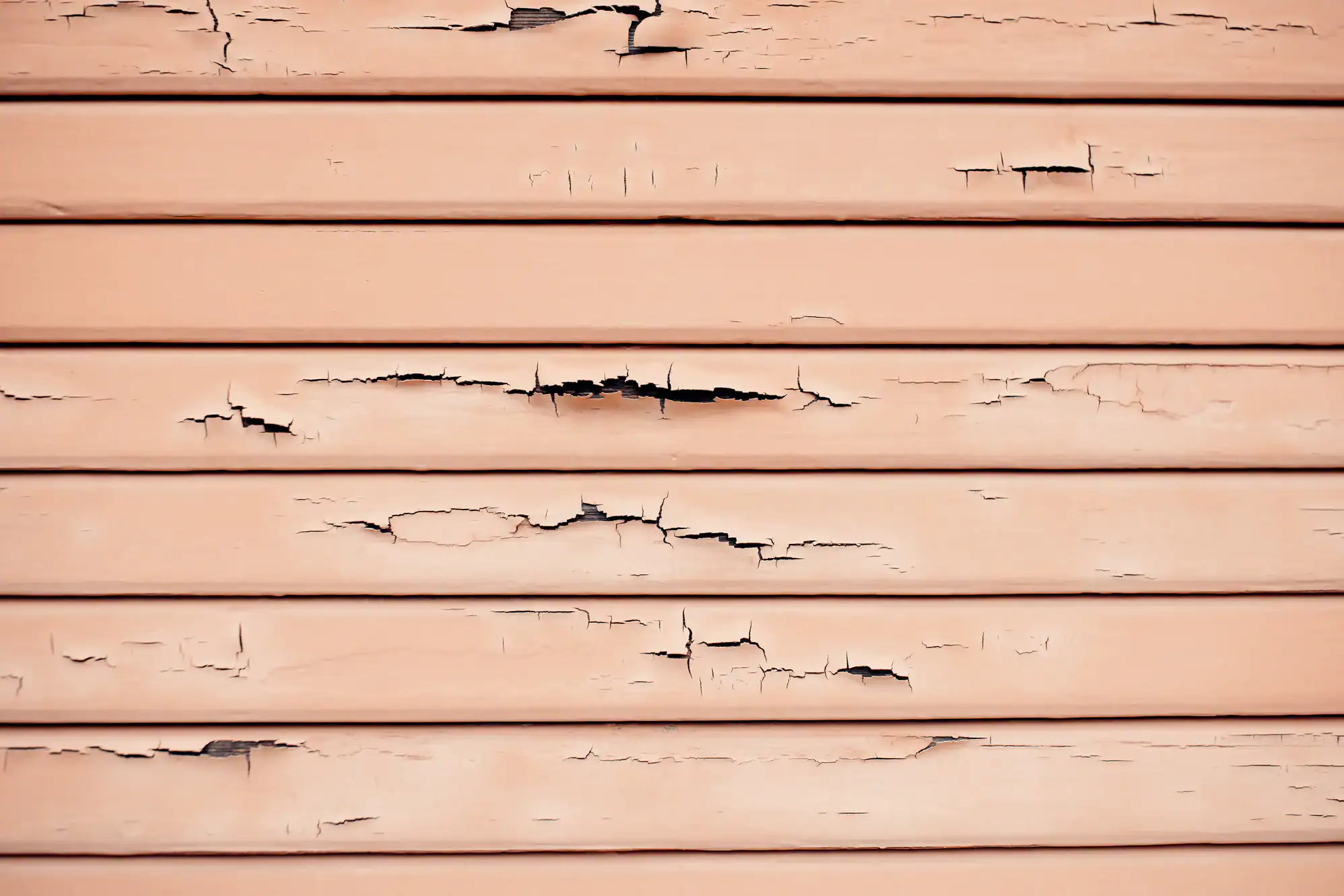
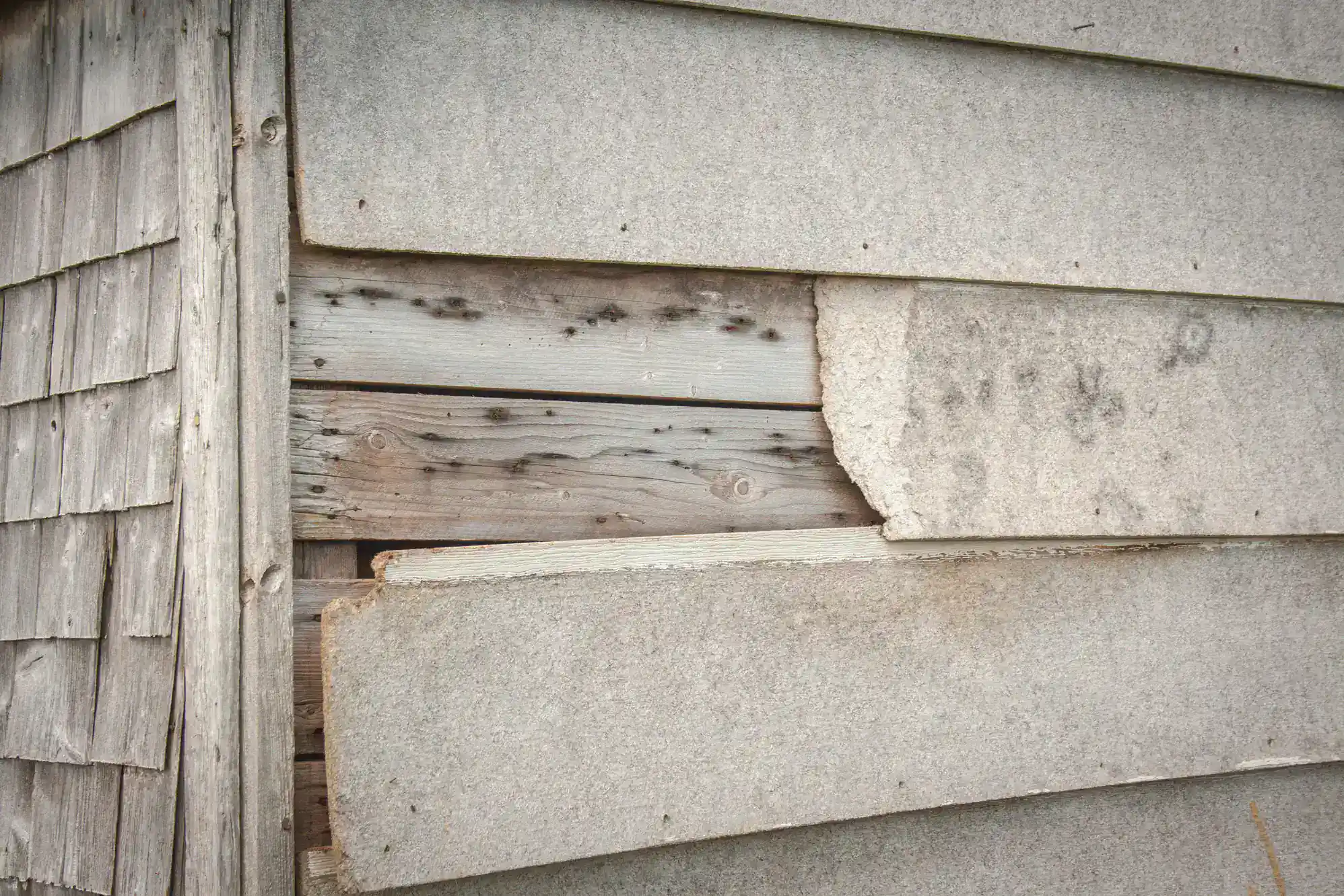
Walk around your home and look for specific warning signs. Soft spots when you press on siding indicate moisture infiltration and potential rot underneath. Peeling or bubbling paint suggests water is getting behind the siding. Warping, buckling, or boards pulling away from the wall mean structural issues or improper installation.
Check seams, corners, and transitions around windows and doors carefully. These areas are particularly vulnerable to water infiltration. Failed caulking creates gaps where moisture enters wall cavities. Once water gets behind siding, it can cause extensive damage before you notice exterior signs.
Inside your home, look for water stains on interior walls, mold growth, or unexplained increases in heating and cooling costs. These symptoms often indicate siding failure that’s allowing moisture intrusion or air leakage. If your HVAC system is working harder to maintain comfortable temperatures, compromised siding could be the culprit.
The age of your siding matters significantly. Vinyl siding typically lasts 20-40 years depending on climate and quality. In San Diego’s harsh sun and salt air, expect performance on the lower end of that range. Fiber cement can last 50-60 years with proper maintenance. Wood siding requires constant attention and rarely makes it past 20-30 years without major intervention.
Material type affects the repair-versus-replace calculation. Some materials like fiber cement resist rot and impact better than wood or vinyl, which influences long-term value. If you’re constantly repairing the same type of damage in different locations, that’s a strong signal that full replacement makes more sense than ongoing patch jobs.
Hidden problems often determine the right choice. Always check for underlying sheathing damage, mold behind siding, or compromised flashing around windows and doors. Repairing visible siding without fixing moisture barriers or structural issues underneath wastes money on temporary solutions.
Siding replacement costs in San Diego County run higher than national averages because of labor rates, strict building codes, and the need for materials that handle our coastal climate. Understanding what drives costs helps you budget accurately and avoid surprises.
Material choice represents the biggest variable. Fiber cement siding typically costs $5-14 per square foot installed, while vinyl runs $3-12 per square foot. For an average 2,000-square-foot home, you’re looking at roughly $10,000-28,000 for fiber cement or $6,000-24,000 for vinyl. Those ranges reflect material quality, complexity of installation, and whether you’re removing old siding or layering over it.
Removing existing siding adds $0.25-0.75 per square foot but prevents problems down the road. Layering new siding over old material might save money initially, but it hides rot, pest damage, and structural issues that only get worse over time. Proper installation means removing everything, inspecting and repairing underlying structure, installing moisture barriers correctly, and ensuring flashing around windows and doors keeps water out.
Permits run $150-1,500 depending on project size and local jurisdiction requirements. Contractors handle permit applications and inspections, ensuring work meets California Building Code requirements. In certain fire-prone areas, siding materials must meet fire-resistance standards for Wildland-Urban Interface zones.
Labor costs vary based on project complexity. Multi-story homes, intricate architectural details, and difficult access all increase installation time and cost. Working around eaves, soffits, fascia, corners, and window or door trimmings requires technical skill. That’s why professional installation matters—mistakes during installation void manufacturer warranties and create problems that cost more to fix later.
Timeline for siding replacement typically runs 1-2 weeks for average-sized homes, depending on weather conditions and project scope. Spring and fall offer optimal conditions for exterior work in San Diego County—temperatures between 60-75°F, lower humidity, and less chance of rain interfering with installation.
The investment delivers measurable returns. Quality siding installation significantly reduces heating and cooling costs while minimizing need for frequent repairs and repainting. New siding also boosts curb appeal and property value, with fiber cement installations typically recovering 70-80% of costs at resale.
The contractor you choose matters as much as the materials we install. Proper installation techniques, understanding of local climate challenges, and experience with California building codes separate contractors who deliver lasting value from those who create problems you’ll pay to fix later.
Look for contractors with active B general or C33 specialty licenses required for siding work in California. Ask about their experience with coastal installations and how they handle moisture barriers, flashing details, and material selection for San Diego’s specific microclimates. Contractors who understand the difference between coastal moisture exposure and inland heat extremes will recommend appropriate solutions for your location.
Direct crew relationships matter more than most homeowners realize. Contractors who employ their own teams instead of rotating subcontractors deliver better quality control, communication, and accountability throughout your project. You’re working with people invested in the company’s reputation, not temporary workers moving between jobs.
At MRH Pro Construction & Painting, we bring sixteen years of exterior remodeling experience in San Diego County, which means we understand what actually works in our climate. We hold newly obtained B general and C33 licenses, employ a dedicated 7-person crew, and have transitioned from subcontracting to direct client work that prioritizes long-term customer relationships. We offer military and senior homeowners 10% discounts, and our focus on siding, windows, and stucco means deep expertise in the services that protect your home’s exterior.
Your siding protects your biggest investment. Choose materials engineered for San Diego’s coastal challenges and contractors who understand what proper installation looks like in our specific environment.
Article details:
Share:
Continue learning: