Everything San Diego County homeowners need to know before replacing windows — costs, permits, climate considerations, and how to avoid the most common mistakes.
Share:
Summary:
You probably already know something’s off. Maybe it’s the draft you feel every time you walk past the living room window. Maybe your energy bill crept up again and you’re starting to connect the dots. Or maybe the glass between your panes has gone foggy and no amount of cleaning fixes it — because the problem is inside the seal, not on the surface.
Window replacement is one of those projects that homeowners put off longer than they should, usually because the process feels murky. What will it cost? Do you need a permit? How do you know if you’re hiring someone who actually knows what they’re doing? We’ve been doing this work across San Diego County for 16 years, and those are the exact questions we hear most. This guide answers all of them.
A lot of people assume window replacement is straightforward — pull out the old window, drop in the new one. In practice, a proper installation involves a lot more than that, and skipping steps is exactly how you end up with water intrusion, failed inspections, or a liability at resale.
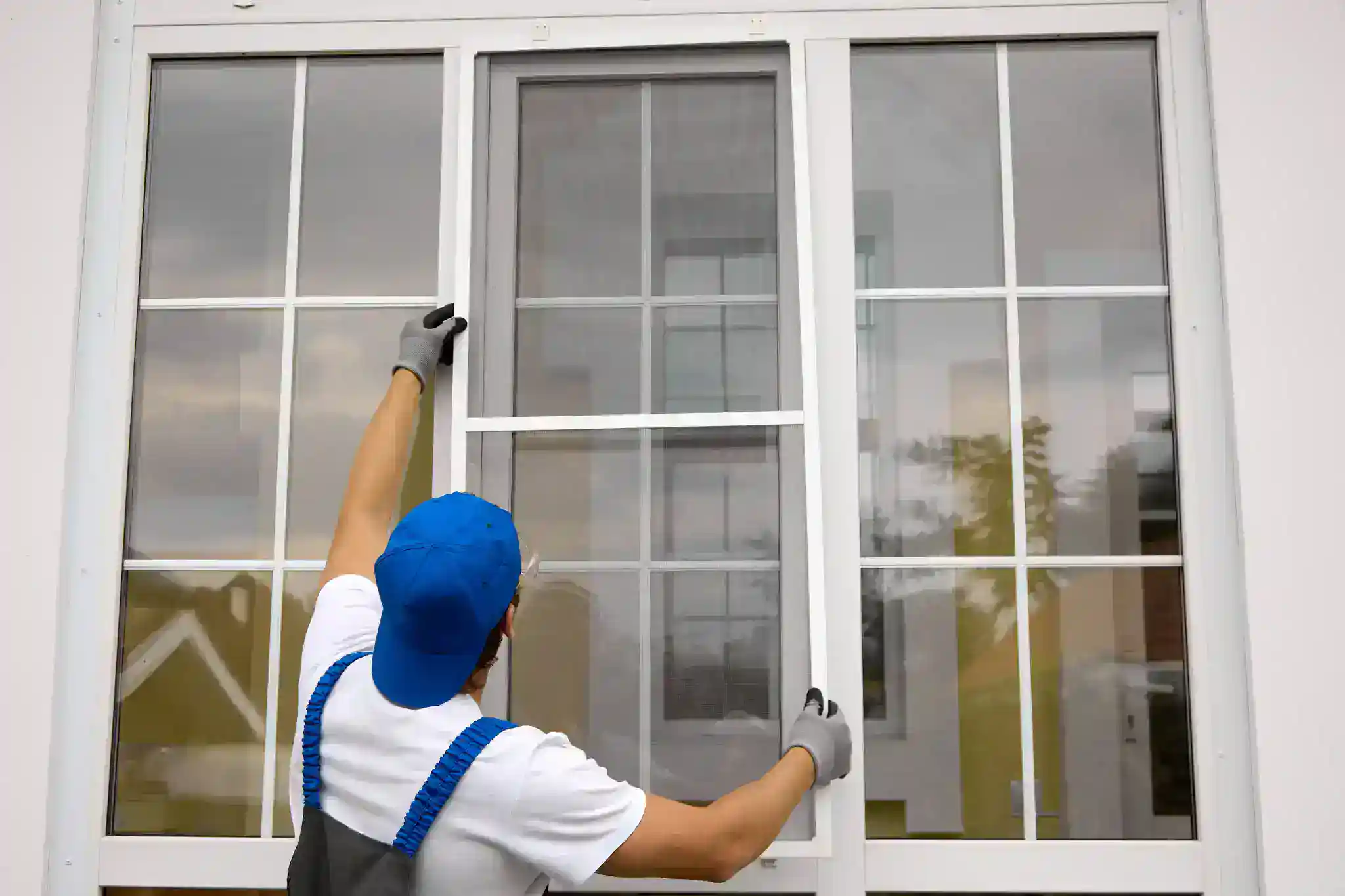
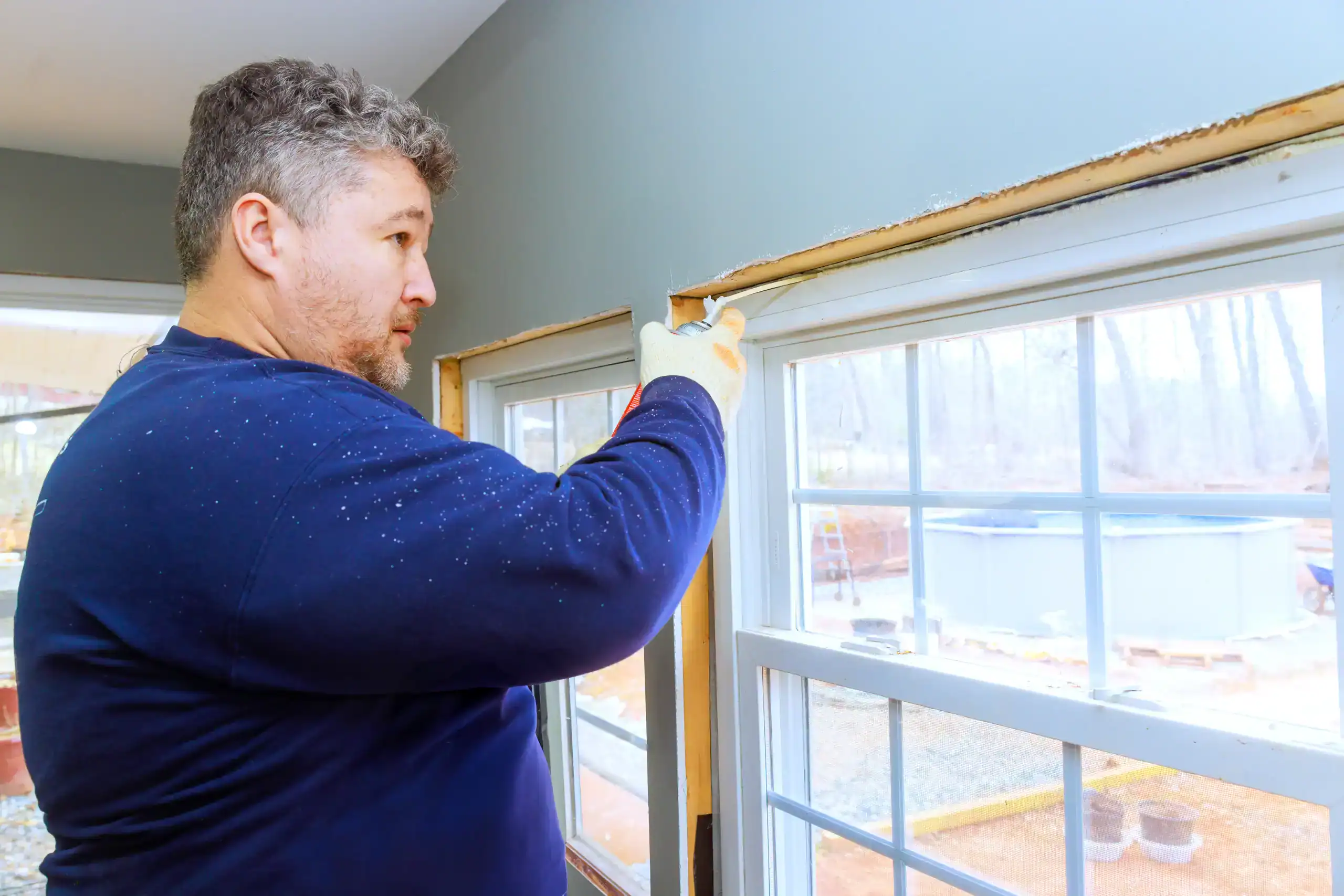
Before a single window is ordered, the rough opening needs to be assessed. Measurements have to be precise, because windows built to the wrong dimensions create gaps that no amount of caulk will permanently fix. From there, the installation itself involves flashing and weatherproofing around every opening — this is the step most often rushed or skipped by inexperienced crews, and it’s the number one cause of water damage after a window job.
Once windows are installed, trim and sealing work finishes the job both functionally and visually. If permits are required — and in San Diego County, they often are — an inspection follows. A complete job leaves the home cleaner than the crew found it.

This is one of the most common questions we get, and the honest answer is: it depends on the scope, but more often than not, yes.
The City of San Diego has a No-Plan Permit pathway that can apply to straightforward replacements in single-family homes and duplexes — but only when no modifications are made to the rough opening, no exterior flashing alterations are required, and the windows don’t need to meet fire-resistance ratings. That last point matters more than people realize. If your home is in a Very High Fire Hazard Severity Zone, like parts of Alpine or certain areas of Escondido, the requirements change. Window assemblies in those zones may need to meet specific fire ratings, and a standard swap won’t pass inspection.
For larger projects — generally five or more windows — a building permit is required, and that permit comes with Title 24 energy compliance documentation. Title 24 is California’s energy code, and it sets minimum performance thresholds for U-factor and Solar Heat Gain Coefficient (SHGC) based on which climate zone your home sits in. San Diego County spans several of those zones. A home in coastal Encinitas sits in a different zone than one in inland Temecula, and the code requirements reflect that.
What this means practically is that the windows you choose need to carry NFRC ratings — the standardized labels that show inspectors exactly how the product performs. Those labels need to stay on the windows until after the inspection. If they’re removed early, you’ll have a problem.
We handle all of this — permit applications, Title 24 documentation, inspection scheduling — so you don’t have to figure out which city department to call or which forms to fill out. That’s part of what it means to work with a licensed general contractor rather than someone who’s just good at swinging a hammer.
Cost is where homeowners get the most confused, mostly because quotes from different contractors can look wildly different — and it’s not always obvious what explains the gap.
For a standard vinyl double-hung window installed across San Diego County, expect to pay somewhere in the range of $400 to $500 per window on the lower end, with wood windows running $700 to $1,000 or more. Specialty windows — casements, picture windows, bay or bow configurations — cost more, sometimes significantly. A full window replacement on a medium-sized three-bedroom home in Chula Vista, Escondido, Encinitas, or elsewhere in the county can run anywhere from $9,000 to over $25,000 depending on the number of windows, the product line, and the complexity of the installation.
Those numbers sound like a wide range, but the variation is real. What drives it: the quality of the window itself, whether the quote includes permits and disposal, whether flashing and trim work are built into the price, and whether the contractor is licensed and insured. A quote that looks low often means one or more of those things has been quietly removed from the scope.
The other thing worth knowing is that window replacement has a measurable return. According to the 2024 Remodeling Magazine Cost vs. Value Report, vinyl window replacement recoups roughly 67% of project cost at resale. In San Diego County’s competitive housing market — consistently one of the most expensive in the country — new windows also eliminate common inspection red flags and signal to buyers that the property has been maintained. Beyond resale, the U.S. Department of Energy estimates that 25 to 30 percent of residential heating and cooling energy is lost through windows. ENERGY STAR-certified replacements can cut those losses by 10 to 25 percent, which translates to real savings on monthly utility bills.
There’s also a federal tax credit available through 2032 under the Inflation Reduction Act: up to 30% of the cost of ENERGY STAR-certified windows, capped at $600 per year. We install qualifying products and can make sure you have the documentation you need to claim it.
Want live answers?
Connect with a MRH Pro Construction & Painting expert for fast, friendly support.
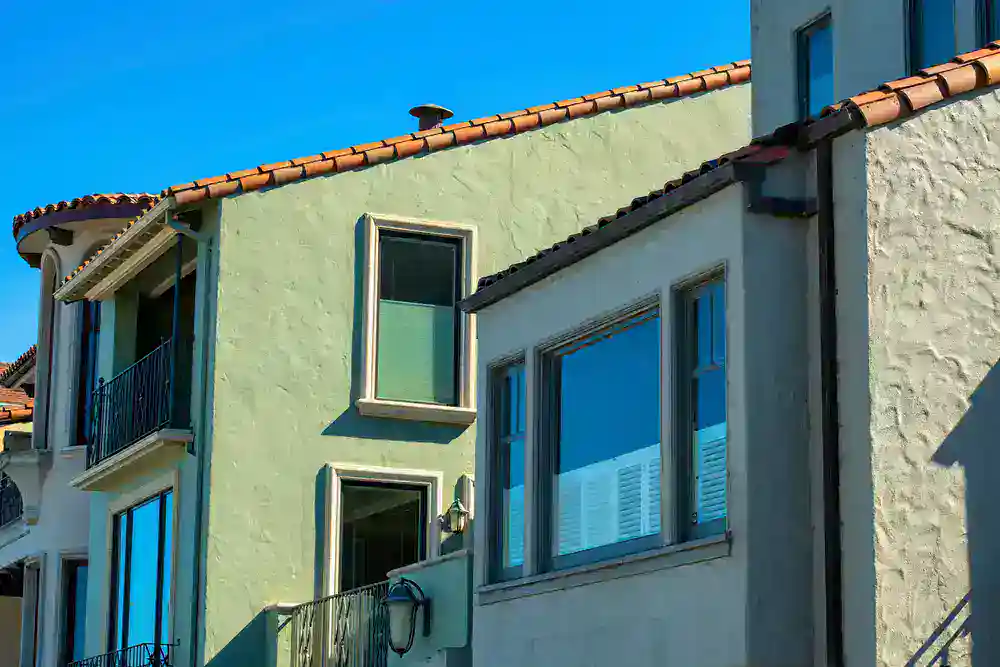
San Diego County gets described as having perfect weather, and in a lot of ways that’s true. But for windows, “perfect weather” still means 260-plus sunny days a year, intense UV exposure, coastal salt air in some areas, significant temperature swings in others, and fire risk in the eastern communities. The right window for a home in Encinitas is not the same as the right window for a home in Alpine.
This is where material choice and glass performance actually matter, and where a contractor with real local experience makes a difference. We’ve been working across San Diego County long enough to know what holds up and what doesn’t in each of these environments.
If your home is in Encinitas, Oceanside, or coastal Chula Vista, salt air is the variable that matters most. It accelerates corrosion of window hardware and frames faster than most homeowners expect — aluminum frames in particular can show visible deterioration within a few years of installation near the water. The fix isn’t maintenance; it’s material selection from the start.
Vinyl and fiberglass frames resist salt air corrosion and are the practical choice for coastal communities throughout San Diego County. Modern vinyl windows have come a long way from the cheap-looking products of twenty years ago. Premium vinyl offers clean sightlines, multiple color options, and performance characteristics that hold up well in coastal conditions without the maintenance demands of wood or the corrosion vulnerability of aluminum.
Low-E glass coatings are non-negotiable in San Diego County regardless of location. Low-emissivity coatings reduce UV and infrared transmission without reducing visible light — which means less solar heat gain inside the home, less fading of furniture and flooring, and a cooler interior without running the AC harder. In a county with over 260 sunny days a year, this isn’t a premium upgrade. It’s the baseline.
Oceanside homeowners have an additional consideration: Camp Pendleton is right next door, which means a significant portion of the local population is active-duty military or veterans. We offer a 10% military discount — and in Oceanside, that’s not a throwaway line. It’s a real offer for a real community.
Inland San Diego County is a different environment than the coast, and window performance requirements shift accordingly. Communities like Alpine, Temecula, Escondido, Spring Valley, and Bonita experience hotter summers, cooler winters, and more significant temperature swings than coastal areas. That thermal cycling puts stress on window frames and seals over time, accelerating failure in ways that coastal homeowners don’t see as quickly.
For inland homes, U-factor matters more. The U-factor measures how well a window prevents heat from escaping — a lower number means better insulation. In communities where winter nights get genuinely cold and summer afternoons push well above 90 degrees, dual-pane windows with a low U-factor are worth the investment. Triple-pane is available for homeowners who want maximum thermal performance, though in most of San Diego County’s inland zones, quality dual-pane with low-E coating is the right balance of performance and cost.
Alpine deserves a specific mention. It sits at roughly 2,000 feet elevation in East San Diego County, and a meaningful portion of it falls within a Very High Fire Hazard Severity Zone. If you’re replacing windows on a home in Alpine — especially during a broader renovation — there’s a real possibility that fire-rated window assemblies are required, not just recommended. This is the kind of detail that a non-local contractor might miss entirely, and it’s the kind of detail that creates problems at inspection or at resale.
Spring Valley and Bonita have a different story. Both communities have a high concentration of homes built between the 1950s and 1970s, many of which still have their original single-pane windows. Those windows are energy liabilities by any modern standard — they transfer heat freely, seal poorly, and offer almost no noise reduction. Homeowners in Spring Valley and Bonita who haven’t replaced their windows yet are paying for it every month on their energy bills, and they’re sitting on one of the most cost-effective upgrades available to them. Temecula homeowners, particularly in the wine country and newer master-planned areas, often want aesthetics alongside performance — wood-look vinyl or premium fiberglass with architectural detailing fits that market well.
The most important thing you can do before hiring anyone is verify their California Contractors State License Board license at cslb.ca.gov. Any contractor bidding on work valued at $500 or more in California is required to hold a valid state license. A B General Contractor license — which we hold — covers window replacement as part of a broader exterior scope and qualifies the contractor to pull permits and legally self-perform the work.
Beyond licensing, ask whether they use subcontractors. A lot of companies win the bid and hand the actual work to a crew the homeowner never vetted. When the measuring team and the installation team are different people with no shared accountability, the details that matter most — flashing, weatherproofing, rough opening fit — are the ones most likely to get rushed. Our crew handles every step in-house, which means one point of contact, one standard of quality, and no finger-pointing if something needs to be addressed.
If you’re in San Diego County — whether that’s Escondido, Encinitas, Chula Vista, Temecula, Oceanside, Spring Valley, Alpine, or Bonita — and you want a straight answer on what window replacement will actually cost and what it involves for your specific home, reach out to us. We’ll give you a detailed written estimate, handle the permits, and do the work ourselves.
Article details:
Share:
Continue learning: