Not all contractors are built the same. Here's what actually separates a home addition builder from a general contractor — and why it matters for your project.
Share:
Summary:
Most homeowners don’t spend a lot of time thinking about contractor licensing classifications — until they’re standing in a hardware store parking lot comparing three wildly different bids and wondering why one is $18,000 less than the others. That gap usually has an answer, and it usually starts with who’s actually doing the work.
The difference between a home addition builder and a general contractor isn’t just a title. It affects who shows up at your house, who’s responsible when something goes wrong, and how much of your budget goes toward actual labor versus management fees. If you’re planning a home addition in San Diego County, this is worth understanding before you commit.
A general contractor’s core job is coordination. They take the prime contract, manage the schedule, and hire specialty subcontractors to do the actual work — framers, siding crews, window installers, stucco applicators. That model works, but it comes with a built-in cost: the GC typically adds a 10 to 20 percent markup on top of every subcontractor’s labor and materials.
We operate differently. As licensed home addition builders with our own crews, we do the work directly rather than acting as a middleman. No markup chain. No coordination delays between separate companies. The person you talk to during the estimate is connected to the people who show up on day one. That’s a fundamentally different accountability structure, and it shows up in the finished product.

California’s Contractors State License Board issues a Class B General Contractor license to contractors who can manage projects involving two or more unrelated building trades. To earn it, a contractor needs at least four years of journey-level experience in the field, must pass two separate CSLB exams — one on trade knowledge, one on law and business — and must carry proper bonding and insurance. It’s not a rubber stamp. It takes real time and real knowledge to get there.
What the license authorizes matters just as much as how hard it is to get. A Class B licensee can legally take the prime contract on complex, multi-trade projects — including home additions, structural exterior work, and full envelope remodeling. We don’t need another GC above us to make the project legal. We pull permits, manage inspections, and carry full responsibility for the scope from start to finish.
Here’s why that matters for you: when a contractor holds their own B license and uses their own crew, the accountability chain collapses to a single point. There’s no GC to blame the sub, no sub to blame the GC, and no homeowner stuck in the middle trying to figure out who owns the problem. You call one number. We answer.
As of January 1, 2025, California law requires a contractor license for any project where combined labor and materials reach $1,000 — which covers virtually every real home addition or exterior remodeling project. Verifying a license takes about 30 seconds at cslb.ca.gov. It’s worth doing before any contract is signed.
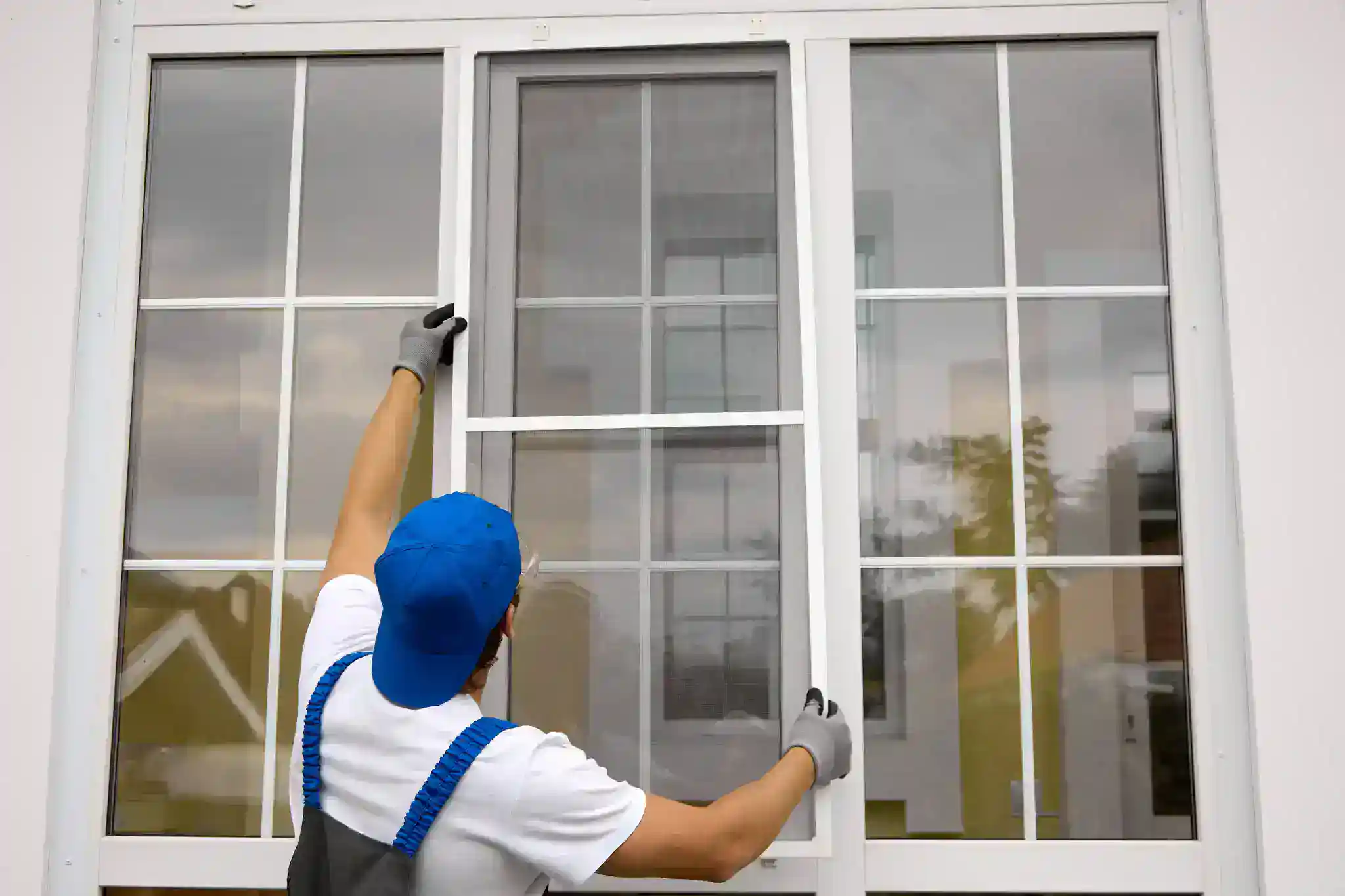
When you hire a general contractor, you’re often hiring a project manager — not a crew. The actual workers who frame your addition, install your siding, set your windows, and finish your stucco may be entirely different companies, hired by the GC, with their own schedules, their own standards, and no direct relationship with you.
That’s not inherently bad. Plenty of GCs run tight subcontractor networks and deliver excellent results. But it introduces real risk that most homeowners don’t think about until something goes wrong. If the stucco cracks six months after completion, who do you call? The GC? The stucco sub? What if the sub is no longer in business? What if the GC says the sub is responsible and the sub says the GC approved the mix? You’re now in the middle of a dispute about a wall on your own house.
We use only direct employees — people trained by our company, managed by our company, and accountable to our company. When our workers show up at your home in Poway or Rancho Bernardo, they’re not strangers hired off a list. They’re our crew. Their work reflects directly on us.
This also affects consistency. A subcontractor crew might be excellent one week and unavailable the next, replaced by a different crew with different habits. Our dedicated employee crew brings the same people, the same standards, and the same institutional knowledge to every project. For exterior work especially — where flashing details, weather sealing, and material integration have to be done right the first time — that consistency isn’t a luxury. It’s the difference between a project that holds up for 20 years and one that starts showing problems in three.
Want live answers?
Connect with a MRH Pro Construction & Painting expert for fast, friendly support.
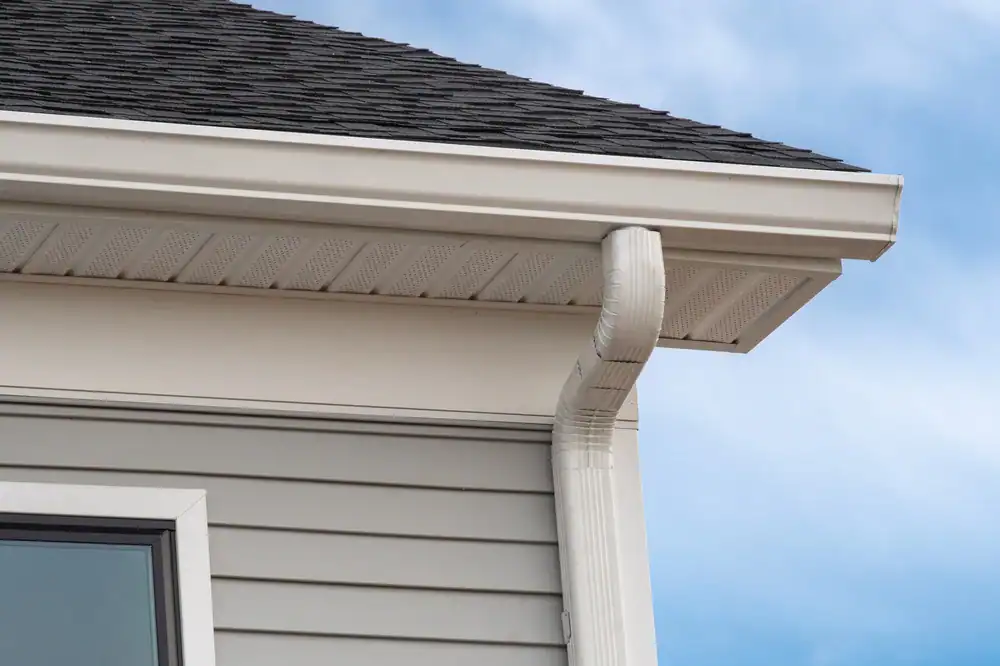
Here’s something that doesn’t get talked about enough: a home addition isn’t just a structural project. The moment you add square footage, you’ve changed the exterior envelope of your home. New walls need cladding. New rooflines need home gutter systems that route water away from the new foundation. New windows need proper flashing and integration with the existing stucco or siding. If the exterior work isn’t done right, the structural work underneath it doesn’t matter — water finds every gap.
This is where we bring our expertise as exterior siding contractors to your home addition project. The exterior is what protects everything else. And in San Diego County, where the marine layer rolls in off the coast most mornings and coastal UV breaks down materials faster than homeowners expect, getting the exterior envelope right is especially critical.
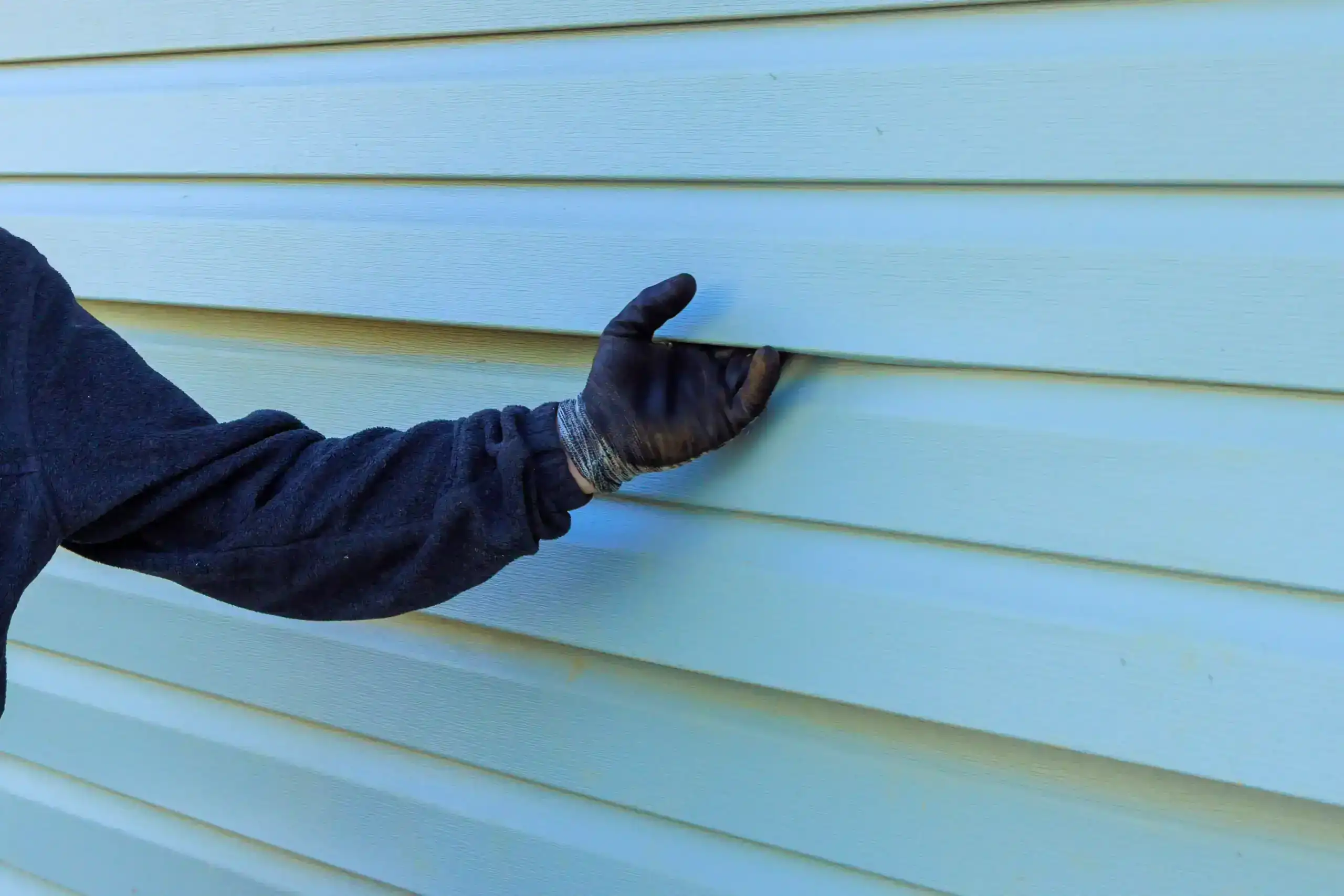
Most general contractors don’t have an in-house siding crew. Siding installation — particularly fiber cement, which is increasingly preferred in San Diego’s fire-adjacent inland communities like Santee, El Cajon, and Ramona — is a specialty trade that requires specific knowledge of weather-resistive barriers, proper fastening patterns, joint sealing, and integration with window and door openings.
When a GC subcontracts the siding work on your home addition, you’re adding another layer of scheduling dependency. The GC has to coordinate the framing crew, then wait for the siding sub to become available, then bring in the painting crew — each one with their own calendar and their own definition of “ready.” Delays compound. And if the siding sub’s installation causes a window leak, the communication chain gets messy fast.
We handle siding installation as part of our unified exterior remodeling approach — not as a standalone subcontracted trade. Our team works in sequence with window installation, stucco repair, and painting, because we’re all the same crew. The person installing the siding knows what the window installer needs for the flashing to work. The painter knows what surface preparation the siding requires. That coordination happens internally, not through a phone tag chain between separate companies.
For homeowners in coastal communities like La Jolla, Del Mar, Encinitas, and Pacific Beach, this matters even more. Salt air accelerates corrosion on metal fasteners. The marine layer brings persistent moisture that punishes any gap in the exterior envelope. Material selection has to account for these conditions specifically — not just meet generic code minimums. We’ve spent years working in San Diego’s coastal climate and know which products hold up and which ones fail within a few years of installation.
When you’re getting bids for the exterior work on a home addition, the price difference between home siding companies can be significant — sometimes tens of thousands of dollars for what looks like the same scope. Understanding what’s actually behind those numbers helps you evaluate bids more accurately than just comparing the bottom line.
The first question is whether the company pulls permits. In San Diego County, siding replacement, window installation, and structural exterior changes all typically require permits. The City of San Diego processes these through the Development Review Center. Surrounding cities — Chula Vista, El Cajon, Escondido, Carlsbad — each have their own permitting offices and requirements. We include permit costs in our estimates and manage the application and inspection process on your behalf. A contractor who skips permits is saving you money upfront and creating a potentially expensive problem at resale — unpermitted work can void homeowner’s insurance, create title issues, and in some cases require mandatory demolition.
The second question is material specification. Not just “what brand” but why. Fiber cement siding performs differently in coastal environments than it does in dry inland climates. The house wrap behind the siding, the flashing at every penetration, the caulking at every joint — these details don’t show up on a bid line item, but they determine how long the installation actually lasts. Ask any contractor to explain their material choices for your specific location. We can answer that question without hesitation because we’ve worked in San Diego County for years.
The third question is timeline. Most contractors give vague answers about scheduling. We publish specific project timelines — siding in five to ten days, windows in two to five days, stucco in seven to fourteen days — because we’re confident in our process and our crew. Vague timelines usually mean a crew stretched thin across multiple simultaneous jobs, which means yours gets attention when it’s convenient, not when it’s scheduled.
San Diego County also has a large military and veteran population — with installations including Naval Base San Diego, MCAS Miramar, and Marine Corps Base Camp Pendleton nearby. We offer discounts for active service members, veterans, and senior homeowners.
The difference between a home addition builder and a general contractor comes down to this: who does the work, who’s accountable for it, and what happens when something needs to be fixed. A GC who subcontracts every trade has a different accountability structure than a licensed contractor who shows up with their own trained crew and handles the project from permit application to final inspection.
For exterior remodeling in San Diego County — where the climate is specific, the housing stock is aging, and the investment in your home is significant — those distinctions have real consequences. The right contractor knows the local permitting process, selects materials for coastal UV and marine moisture conditions, and doesn’t disappear between project phases.
If you’re planning a home addition or exterior remodeling project in San Diego County and want a straight conversation about what it involves, we’re here to help. No pressure, no vague estimates — just a clear picture of what the work requires and what it will cost.
Article details:
Share:
Continue learning: