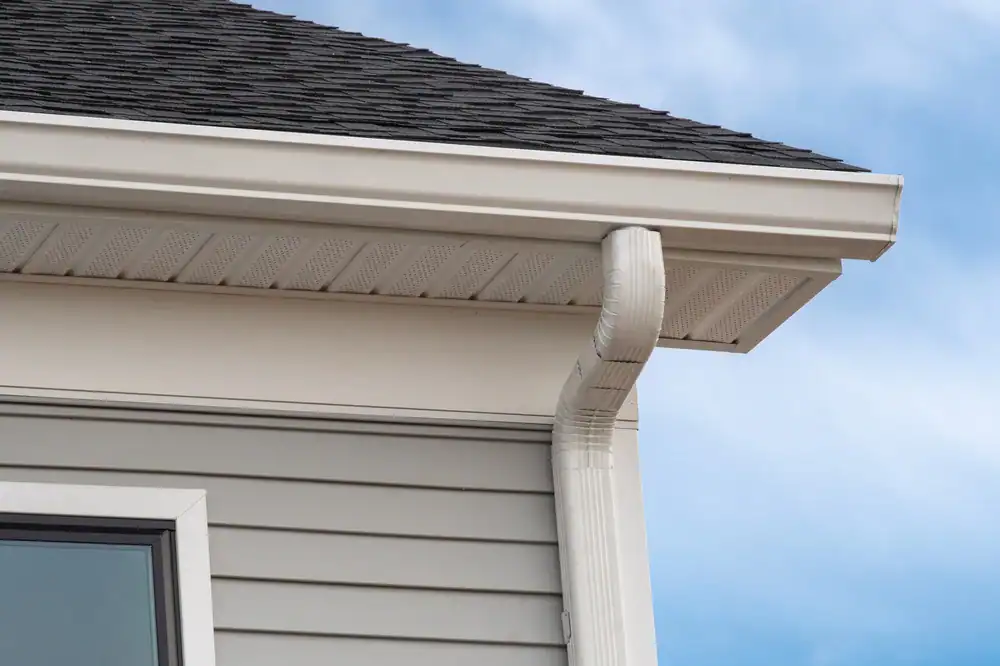
Thinking about adding a window to an exterior wall in San Diego County? Here's what it actually costs — and what most contractors won't tell you upfront.
Share:
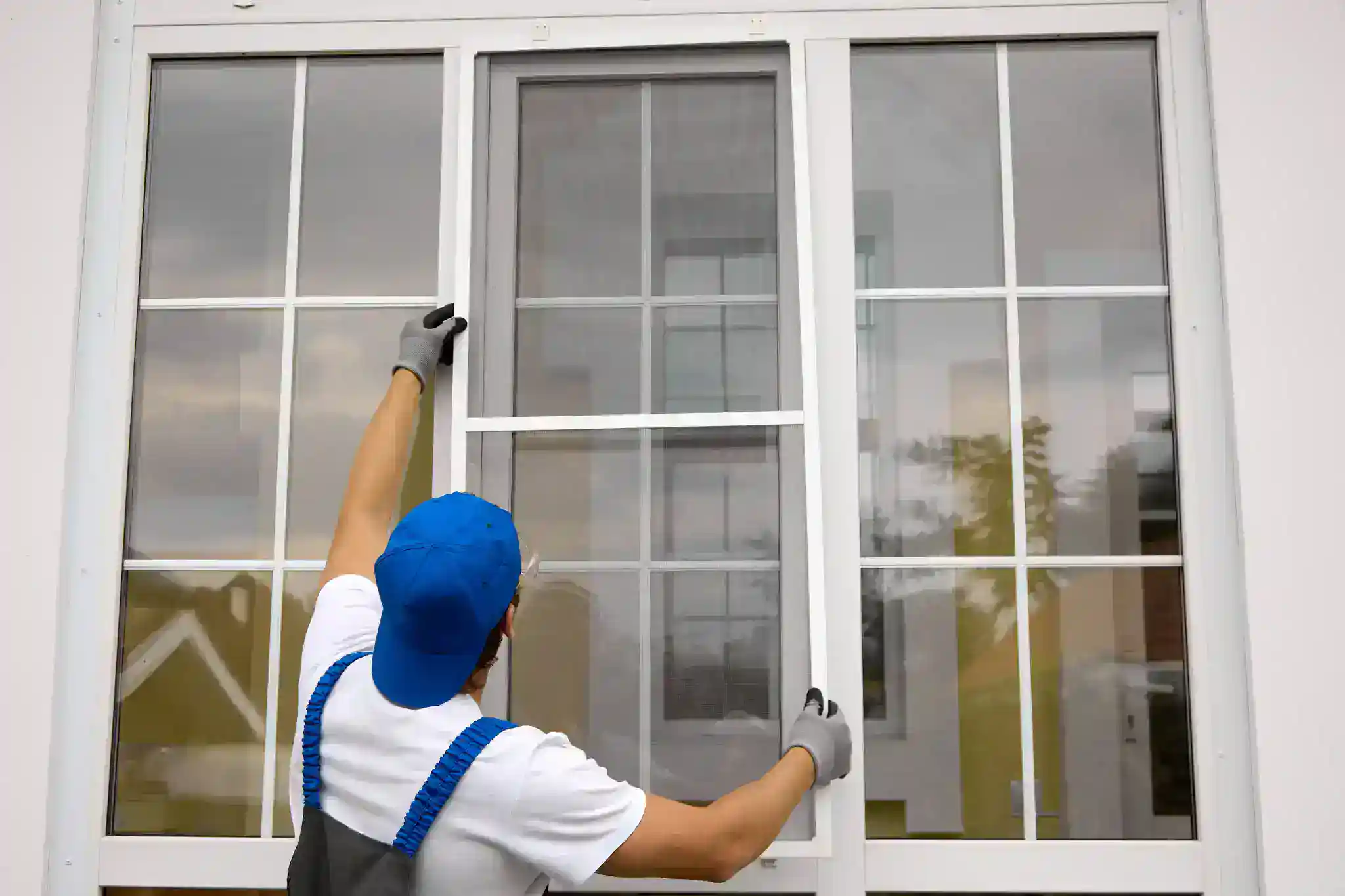
Summary:
You want more light in a room. Maybe better ventilation. Maybe you’re tired of a wall that feels like a cave. Whatever the reason, adding a window to an existing exterior wall is a bigger project than most people expect — and the cost range you’ll find online is wide enough to be almost useless without context. This page gives you real numbers for San Diego County specifically, explains what drives the cost up or down, and walks you through what the process actually looks like. By the end, you’ll know what questions to ask and what to watch out for before you commit to anything.
The honest answer is somewhere between $1,500 and $20,600 for a complete project, with most San Diego County homeowners landing around $5,800 when you factor in everything — wall cutting, framing, the window unit itself, permits, and exterior finishing. That range is wide because the variables are real. A straightforward wood-framed interior wall is a very different job than cutting through a stucco-clad exterior wall that might be load-bearing.
The window unit is often the smallest part of the cost. What drives the number up is everything around it — structural work, permits, and getting the exterior to look right when you’re done.
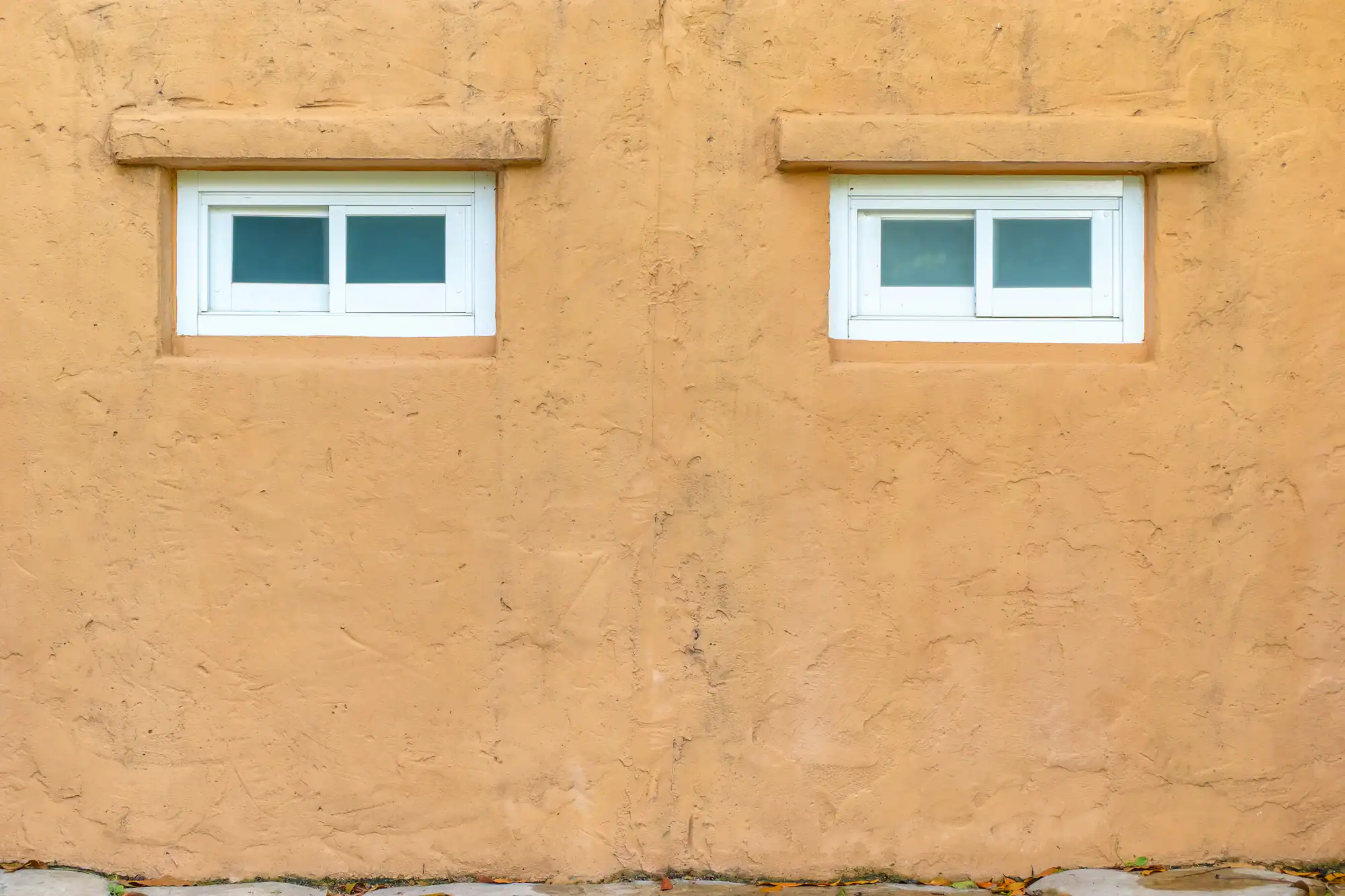
If your home was built any time from the 1960s through today, there’s a strong chance your exterior is stucco. That’s just the reality of San Diego County’s housing stock — from Escondido and El Cajon to Carlsbad and Chula Vista, stucco dominates. And stucco changes this project in a few specific ways that national cost guides tend to gloss over.
Cutting a clean opening through stucco requires a diamond blade saw, not a standard circular saw. Get that wrong and you’re dealing with cracked stucco that spreads well beyond the window opening. After the window goes in, the exterior needs to be patched and finished to match the existing texture — and that’s where a lot of contractors fall short. A patch that doesn’t match the surrounding stucco is obvious. It doesn’t blend in over time. It just sits there looking like a patch.
Done right, you shouldn’t be able to tell where the original wall ended and the new work began. That takes experience with stucco specifically — not just general window installation experience. For most San Diego homes, plan to add $300 to $1,000 or more to your project cost for stucco cutting and patching, depending on the size of the opening and the complexity of the existing finish.
There’s also the flashing and weather sealing to think about. Stucco is not naturally waterproof, and the joint between a new window frame and the surrounding stucco is a common entry point for water if it isn’t sealed correctly. Proper flashing — not just a bead of caulk — is what keeps water out for the long term. We’ve seen too many San Diego County homes with water damage that could have been prevented with the right installation approach.
One of the first things we assess before quoting this project is whether the wall you want to cut into is load-bearing. If the wall carries structural load, you need a properly sized header — a horizontal beam installed above the window opening to redirect that load around the new gap. Header installation typically runs $1,000 to $3,000 in labor, and if an engineering assessment is required, add another $350 to $800 for a structural engineer. In some cases, temporary shoring is needed while the work is done, which adds time and cost.
If the wall isn’t load-bearing, the framing work is simpler — king studs and jack studs on either side of the rough opening, a sill plate at the bottom, and a non-structural header above. The labor is less intensive and the cost reflects that.
What you want to avoid is a contractor who skips this assessment or assures you it’s fine without actually checking. An undersized header in a load-bearing wall doesn’t fail immediately — it settles slowly, and you see it later as cracks in the drywall, sticking doors, or worse. The assessment is essential on a project like this.
Want live answers?
Connect with a MRH Pro Construction & Painting expert for fast, friendly support.
In San Diego County, a building permit is required any time you’re creating a new window opening in an existing wall — not just replacing a window in an existing opening. Permit costs typically run $430 to $2,300 depending on the scope of work and the specific city or unincorporated area you’re in. San Diego County has 18 incorporated cities, each with its own building department, and the permit process varies. We know the local jurisdictions — from the City of San Diego to the County’s Planning and Development Services for unincorporated areas — and we move through that process without surprises.
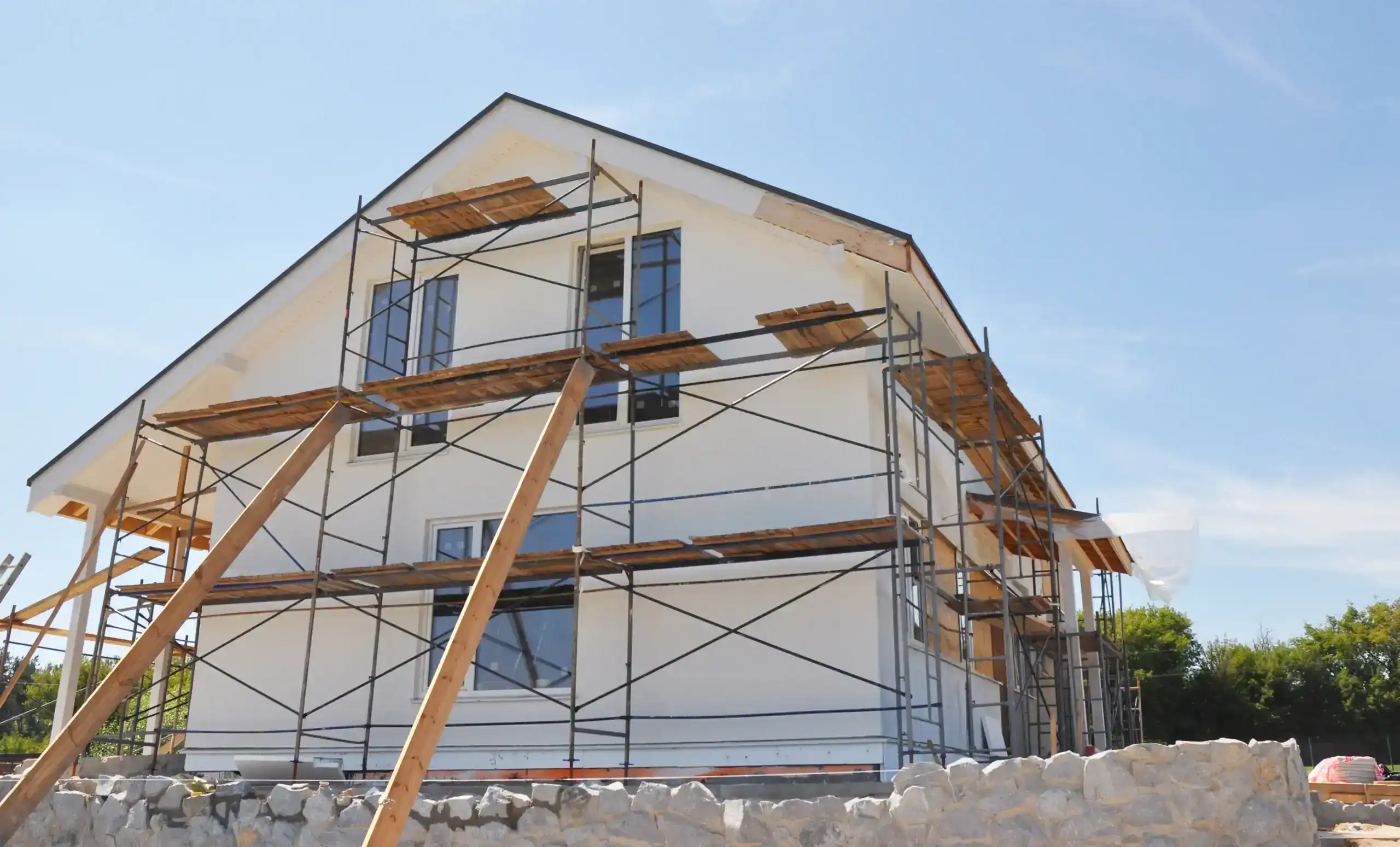
It’s worth knowing upfront that adding a window to an exterior wall often surfaces adjacent work that needs to happen anyway. The most common scenario: the siding or stucco around the new opening is damaged, weathered, or mismatched enough that spot repairs aren’t the right answer. At that point, you’re looking at a broader window and siding replacement cost conversation.
This isn’t an upsell. It’s just the nature of exterior work — once you’re cutting into a wall, you see what’s actually going on behind the surface. Addressing it at the same time is almost always cheaper than coming back to it later.
The window unit itself — the actual frame and glass — can range from a few hundred dollars for a basic vinyl single-hung to several thousand for a large fiberglass or wood-clad unit with specialty glazing. For most San Diego homes, a mid-range double-pane vinyl window with Low-E coating is the practical choice. Low-E glass isn’t optional here. San Diego gets intense UV year-round, and without a proper coating, you’re looking at faded furniture, higher cooling costs, and a window that degrades faster than it should.
If your home is within a few miles of the coast — La Jolla, Encinitas, Oceanside, Coronado — you also need to think about corrosion resistance. Salt air is hard on window hardware and frames. The wrong materials in a coastal environment start showing wear within a few years.
For homes in East County communities like Alpine, Lakeside, or the foothills around El Cajon, there’s another variable: Wildland-Urban Interface (WUI) fire zone requirements. Homes in designated WUI areas may be required to use tempered glass and non-combustible frames. That adds $100 to $300 per window to the material cost, but it’s not optional if the code applies to your property.
On the siding side, if your project involves repairing or replacing the exterior finish around the new window, fiber cement products like James Hardie are a common and durable choice in San Diego’s climate. They hold up well against UV, moisture, and the occasional heavy rain that comes through in January and February. The cost varies by coverage area, but combining the window addition with siding repair in the same project saves on mobilization and labor compared to treating them as separate jobs.
From a pure numbers standpoint, window projects recover 72 to 85 percent of their cost in added home value, according to national remodeling data. In a San Diego County market where median home values consistently sit above $800,000, that’s a meaningful return. Buyers in this market pay a premium for homes with natural light, good ventilation, and energy efficiency — and a well-placed window delivers all three.
The energy savings argument is also stronger here than in most markets. SDG&E has some of the highest residential electricity rates in the country. Energy-efficient windows with Low-E coatings reduce solar heat gain, which means your air conditioning runs less. The savings typically run $100 to $500 per year depending on the size and orientation of the window — and that adds up over time in a way it simply doesn’t in a milder climate with lower utility rates.
There’s also a federal tax credit worth knowing about. The Energy Efficient Home Improvement Credit covers 30 percent of eligible costs for qualifying windows, up to $600 per year. If the windows you’re installing meet Energy Star requirements, that credit is available to you for the tax year the work is completed.
One thing that often gets overlooked is what happens when you don’t address an aging or poorly sealed window situation. Water intrusion around an improperly installed or failing window doesn’t announce itself until there’s already damage to the framing, insulation, or interior wall. In San Diego’s coastal and inland communities alike, that kind of deferred maintenance tends to compound. A project that costs $5,000 to $8,000 done right is a much better outcome than a $15,000 remediation later.
Article details:
Share:
Continue learning: