5 Signs Your Siding Is Failing: What San Diego County Homeowners Need To Know
Your siding may be failing long before it looks like it. Here are five signs San Diego County homeowners should know and what to do about them.
Share:
Summary:
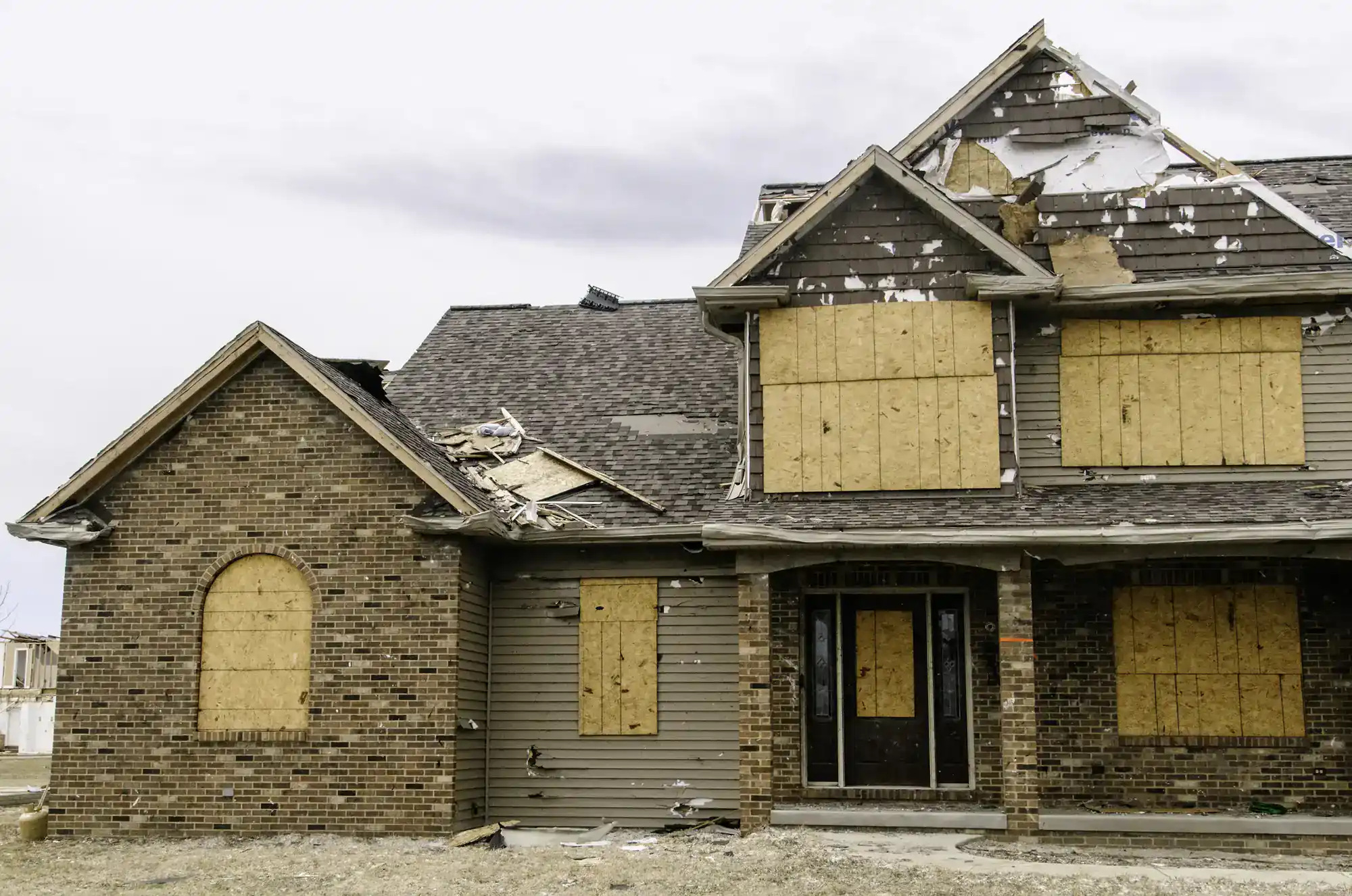
Most siding damage does not announce itself with a crash or a crack. It builds quietly behind the wall, under the surface, through the small gaps you never thought to check. By the time something obvious shows up, the damage is often already deeper than it looks.
This post walks through five warning signs that your siding is struggling, why San Diego County’s climate makes those signs appear faster than most homeowners expect, and how to tell if you are looking at a repair or a full replacement. Read it before you end up in the more expensive conversation.
Table of contents
Most San Diego County homeowners do not think about their siding until something forces the issue: a brown stain on an interior wall, a utility bill that jumped for no obvious reason, or a neighbor who just had their whole exterior redone, making your house look ten years older by comparison. The reality is that by the time siding looks obviously bad, it has usually been quietly failing for a while.
San Diego County’s climate, featuring coastal salt air, inland heat that regularly pushes past 100°F, marine layer humidity, and Santa Ana winds, puts exterior materials under stress that most of the country never deals with. That stress adds up fast. Here is how to read the early signs before they become expensive ones. If your siding is showing signs of wear, a professional siding contractor can help identify the problem and determine the right solution.
The Five Warning Signs Your Siding Is Failing In San Diego County
This is the question almost every homeowner asks, and it is where many contractors either dodge the answer or default to the more expensive recommendation. The honest version depends on how far the damage has spread and what is happening behind the panels, rather than just what remains visible on the surface.
Targeted repairs make sense when the damage is genuinely isolated: a single cracked panel, a small section of rot that has not spread to the sheathing, or a failed caulk joint around one window. Catch it early enough, and you can address it without touching the rest of the wall.
However, if you notice multiple signs showing up in different areas, or if any of the damage involves moisture that has already gotten behind the siding, repairs start turning into a cycle rather than a solution. A soft spot in one panel might be a candidate for repair. Soft spots in multiple locations, or any softness that extends to the wall framing when you pull a panel, means the underlying system has been compromised.
At that point, replacing only the surface material without addressing what lies behind it is the definition of the patch job trap, meaning you will return to the same conversation in two or three years after spending money twice. We have been doing exterior work in San Diego County for over 16 years, and the most common thing we hear from homeowners who have been through the cycle of repeated repairs is that they wish someone had just told them the truth the first time. If replacement is the better long-term option, working with an experienced siding contractor can help ensure the underlying damage is addressed before new materials are installed.
Sign 1: Warping And Buckling In Vinyl Or Fiber Cement Panels
The best fiber cement in the world will fail prematurely if the housewrap behind it is not installed correctly, if flashing around windows is skipped, or if the nailing pattern fails to match the manufacturer’s specifications. This is why we use our own in-house crew consisting of the same seven people, utilizing no subcontractors, rather than whoever happens to be available on a given week.
The person who walks your property for the estimate stays connected to the team that performs the work, ensuring accountability runs through the whole project. We have found that this approach catches details rotating crews miss, meaning the person responsible for the estimate remains invested in the final outcome.
Sign 2: Fading That Is Uneven Or Accompanied By Texture Changes
Want live answers?
Connect with a MRH Pro Construction & Painting expert for fast, friendly support.