Unsure if you should repair your stucco or switch to siding? The answer depends on where in San Diego County you live, alongside what your home has already experienced.
Share:

Summary:
If you find yourself staring at cracked stucco for the third consecutive year, pondering a decision on patching it once more or finally taking a different path, you are not alone. This stands as one of the most frequent questions we hear from homeowners across San Diego County. The frustrating part is that most online answers remain generic, offering a simple pros-and-cons list and leaving you to figure out the rest.
The truth is that the ideal exterior material for your home depends on your specific location within San Diego County, the history of your house, and your long-term goals for the next 30 to 50 years. Let us examine the details.
San Diego County features two distinct climates, and that distinction matters far more than most exterior contractors will admit.
If you live in a coastal community like Encinitas, Carlsbad, La Jolla, or Oceanside, your primary adversary is salt air. It accelerates corrosion, degrades paint rapidly, and places heavy stress on any material containing exposed metal components. Both stucco and fiber cement siding perform well in coastal conditions given proper installation, though the execution details matter immensely.
If your property sits inland in Escondido, Ramona, El Cajon, Fallbrook, or anywhere in the foothills, you face an entirely different challenge. Temperature swings of 40 degrees or more between day and night subject stucco to constant stress. The material expands and contracts with the heat, resulting in visible cracks over time. This reaction is not necessarily a sign of poor stucco work, but rather simple physics. Consequently, many inland San Diego County homeowners find themselves patching the same wall repeatedly every few years.
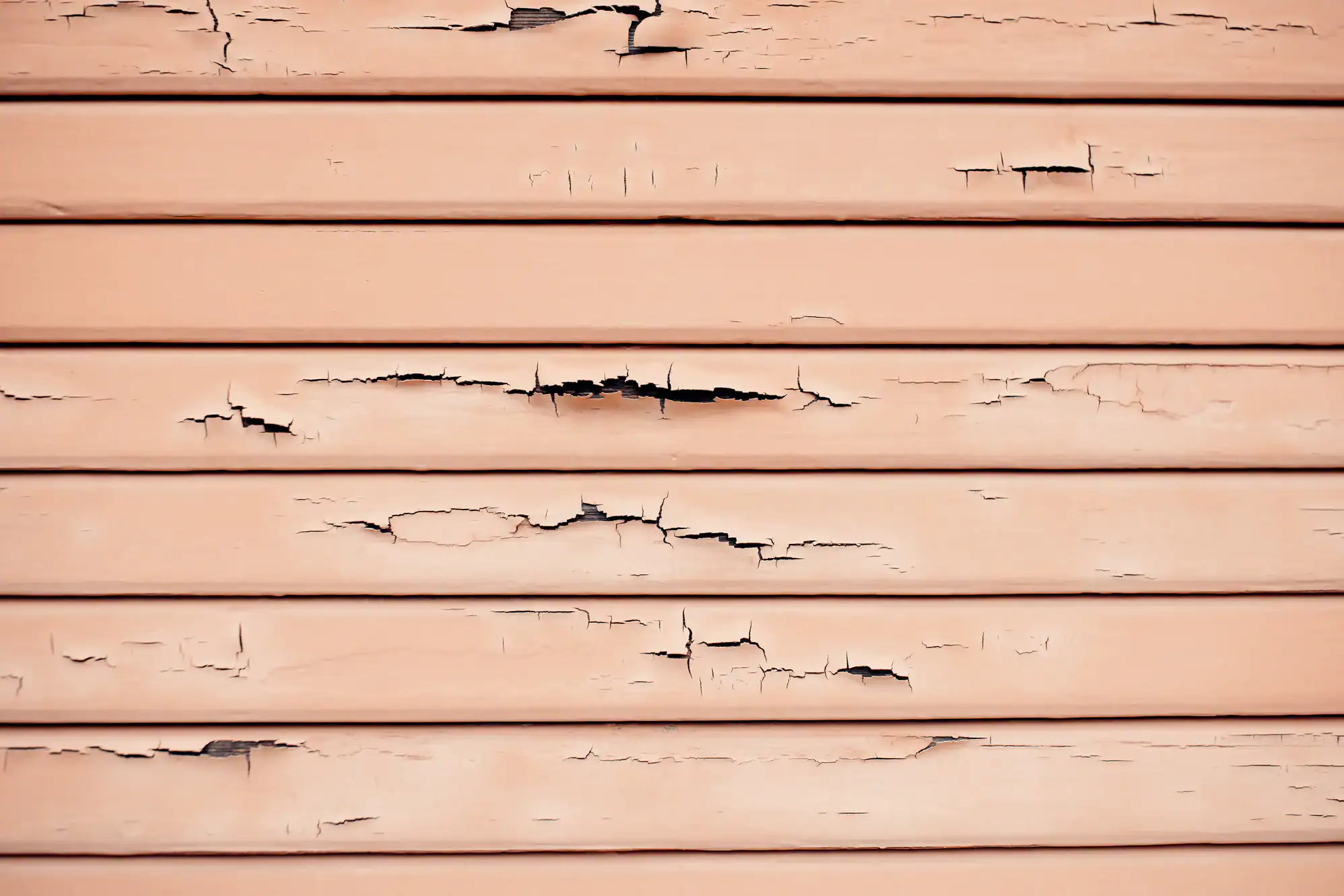
Stucco holds deep roots in San Diego County’s architectural identity. Spanish Colonial, Mediterranean, and Ranch-style homes across the region utilized stucco because it matches the aesthetic and, under optimal conditions, delivers solid performance. Properly applied stucco can last 50 to 100 years, representing a legitimate lifespan rather than mere marketing copy.
The challenge lies in the fact that phrases like properly applied and optimal conditions carry heavy weight. Inland San Diego County’s extreme temperatures test stucco far beyond what most homeowners realize. The material functions as a monolithic surface, meaning any movement leads to cracking. Furthermore, San Diego County sits within an active seismic zone. Minor tremors that go largely unnoticed can introduce hairline cracks in stucco over time. These cracks are rarely purely cosmetic, as water enters the gaps, moisture accumulates behind the wall, and a surface issue transforms into structural damage.
This scenario highlights where fiber cement siding gains a practical advantage rarely discussed in comparative guides. Fiber cement installs as individual boards. When the ground shifts or temperatures swing, these boards flex slightly without fracturing, leaving no single continuous surface to crack. For homes in Escondido, Ramona, Alpine, or the East County foothills, where both seismic activity and extreme temperature differentials occur, understanding that flexibility proves essential before making a choice.
This comparison does not render stucco the wrong choice for inland homes. Instead, the condition of your existing stucco, the quality of its original application, and your property’s specific microclimate determine if repair, re-stucco, or transitioning to siding represents the best path. Consulting a professional who works with both materials, rather than a contractor pushing only one option, remains the wisest course of action.
The short answer is yes, provided the correct product is specified and installed properly. However, one specific detail separates contractors with local San Diego County expertise from those merely working in the area.
James Hardie fiber cement siding, which we install and recommend, offers regional formulations. The version optimized for California carries the designation HZ10, engineered specifically for hot, UV-intense, and humid environments matching San Diego County’s coastal conditions year-round. Utilizing a non-regional formulation compromises performance and can void the manufacturer warranty. A contractor specifying James Hardie generically without understanding HZ10 demonstrates a lack of attention to the details protecting your investment.
For coastal properties in communities like Del Mar, Coronado, Pacific Beach, and Oceanside, fiber cement featuring a factory-applied ColorPlus finish excels. The factory finish resists salt air better than field-painted alternatives and withstands the sustained UV exposure driven by San Diego County’s 266 annual sunny days. This figure ranks among the highest national averages, explaining why exterior paints and coatings suitable for other climates fade and peel quickly here.
One additional consideration for coastal homeowners is that wood siding remains a poor choice in salt-air environments. It rots, demands constant maintenance, and accelerates degradation near the ocean. Replacing wood siding on a coastal San Diego County property with fiber cement represents a practical upgrade improving both aesthetic appeal and long-term durability.
Want live answers?
Connect with a MRH Pro Construction & Painting expert for fast, friendly support.
Fire risk carries greater weight in San Diego County than in almost any other part of California.
The region has endured disasters like the Cedar Fire, the Witch Creek Fire, the Lilac Fire, and the Valley Fire. Communities including Ramona, Alpine, Fallbrook, Jamul, and the Escondido foothills lie within California’s High Fire Hazard Severity Zones. If your home occupies one of these zones, the fire resistance of your exterior materials moves beyond theory to directly impact insurance rates and home defensibility.
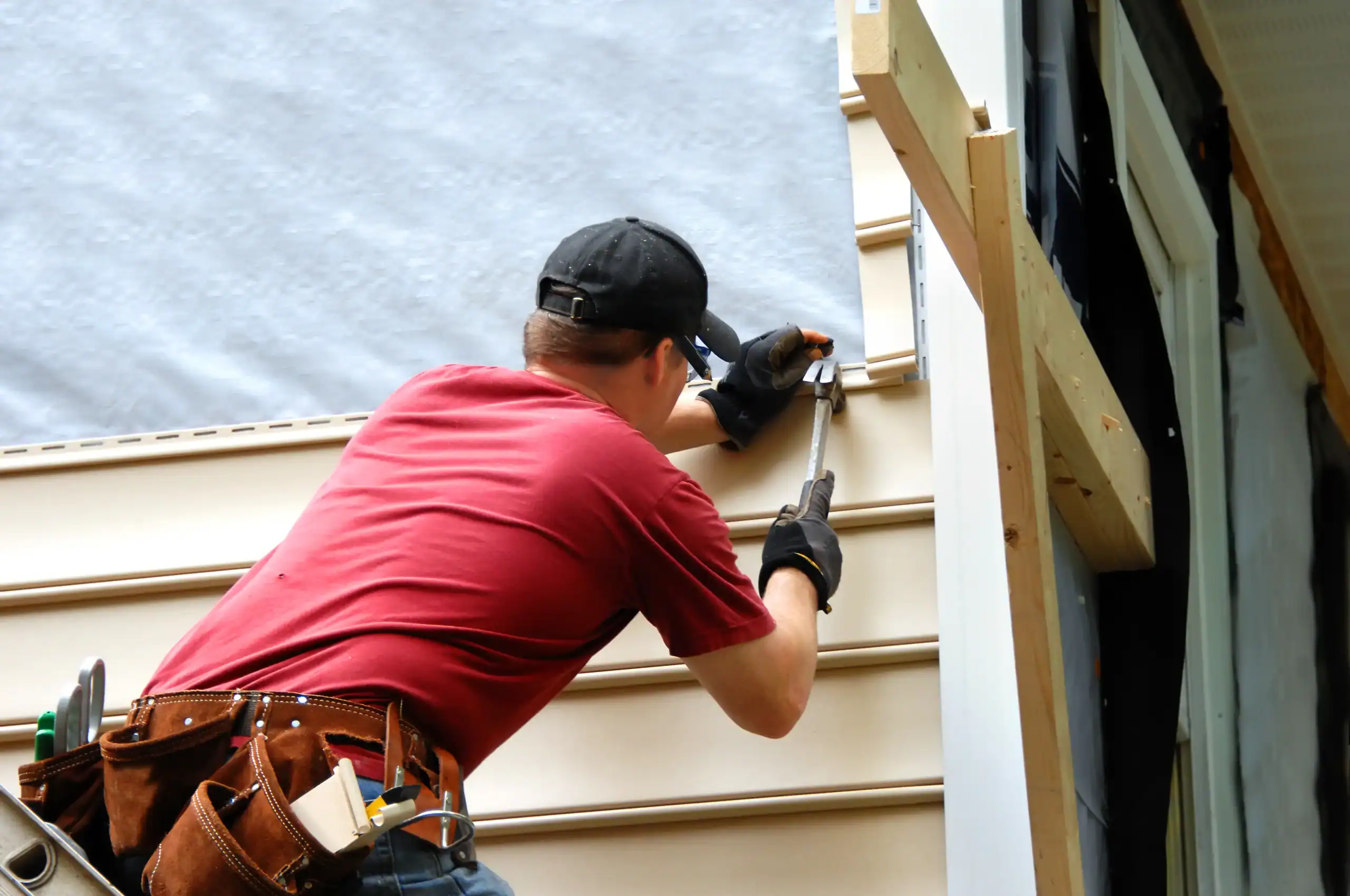
Fiber cement siding holds a Class A fire rating, representing the highest fire-performance rating available for residential siding. Because it is non-combustible, it resists ignition when exposed to direct flame and adds no fuel to fires spreading toward your home. Many insurance providers offer discounts for properties clad in non-combustible materials, making a discussion with your insurer worthwhile if you reside in a high-risk San Diego County zone.
Stucco also performs reasonably well during fires since it is an inorganic material that resists burning. Homeowners in fire-risk zones possessing well-maintained stucco maintain a favorable position regarding fire resistance.
The distinction gains importance when selecting a new material, particularly for homes currently featuring wood siding, aging vinyl, or deteriorated stucco requiring replacement. In such scenarios, fiber cement’s Class A rating and non-combustible nature provide a distinct advantage, especially for properties in fire-adjacent East County and North County inland communities.
Vinyl siding often surfaces as a cost-saving option, but it melts and deforms under heat while lacking the robust fire-resistance profile of fiber cement. Its lifespan is also shorter, spanning 20 to 30 years compared to 50 plus years for fiber cement, and it degrades faster under high UV intensity. Upfront savings typically vanish when factoring in total lifecycle costs.
For homeowners in HOA communities, which are numerous in San Diego County developments like Rancho Bernardo, Carmel Valley, Otay Ranch, and Scripps Ranch, verifying HOA exterior material and color guidelines before proceeding is vital. Securing approvals beforehand prevents numerous complications. We assist homeowners in navigating these guidelines to ensure smooth project planning.
This question sits at the core of most siding-versus-stucco inquiries. Homeowners want to know what steps to take for their existing house rather than debating abstract material merits.
If stucco cracks remain isolated while underlying structures stay sound, repair serves as a reasonable short-term remedy. Stucco patching is straightforward when damage is surface-level and the behind-the-wall moisture barrier remains intact. Problems arise when cracks recur in identical locations, signaling ongoing movement or moisture intrusion where surface patches fail to address root causes.
When stucco suffers from widespread cracking, significant moisture damage, or end-of-life deterioration, property owners must weigh full re-stuccoing against transitioning to fiber cement siding. Pricing for both choices falls into a similar range of roughly $8 to $14 per square foot installed, shifting the focus from cost to long-term preferences over a 50-year horizon. Well-installed stucco and fiber cement both offer durability, differing primarily in maintenance cycles and climate responsiveness within San Diego County.
A third alternative gaining popularity across San Diego County involves mixed materials. Pairing a lower stucco section with fiber cement lap siding or board-and-batten above captures the Mediterranean and Spanish Colonial aesthetic woven into the region’s architecture while delivering fiber cement performance on upper levels. Because we offer both materials, we provide objective guidance on the optimal approach for your property without favoring specific commercial interests.
A practical caveat involves installing siding directly over existing stucco without removal, which is feasible in specific situations but demands careful evaluation. Proceeding without proper moisture barriers and flashing can trap water behind walls, generating expenses far exceeding the original project scope. Avoiding shortcuts remains essential.
The honest answer depends entirely on your neighborhood, current home condition, maintenance preferences, and timeline. Evaluating options with a contractor experienced in both materials who lacks financial incentives to push a single solution simplifies the decision.
MRH Pro Construction & Painting brings 16 years of exterior remodeling experience across San Diego County. We operate using an in-house crew from start to finish without subcontractors, holding both a B General Contractor license and a C33 Painting and Decorating license. We also provide a 10% discount for military and senior homeowners as a recognition of their contributions to our community.
If stucco issues persist or you need clarity on long-term exterior strategies for your property, reach out to MRH Pro Construction & Painting for straightforward guidance.
Article details:
Share:
Continue learning: