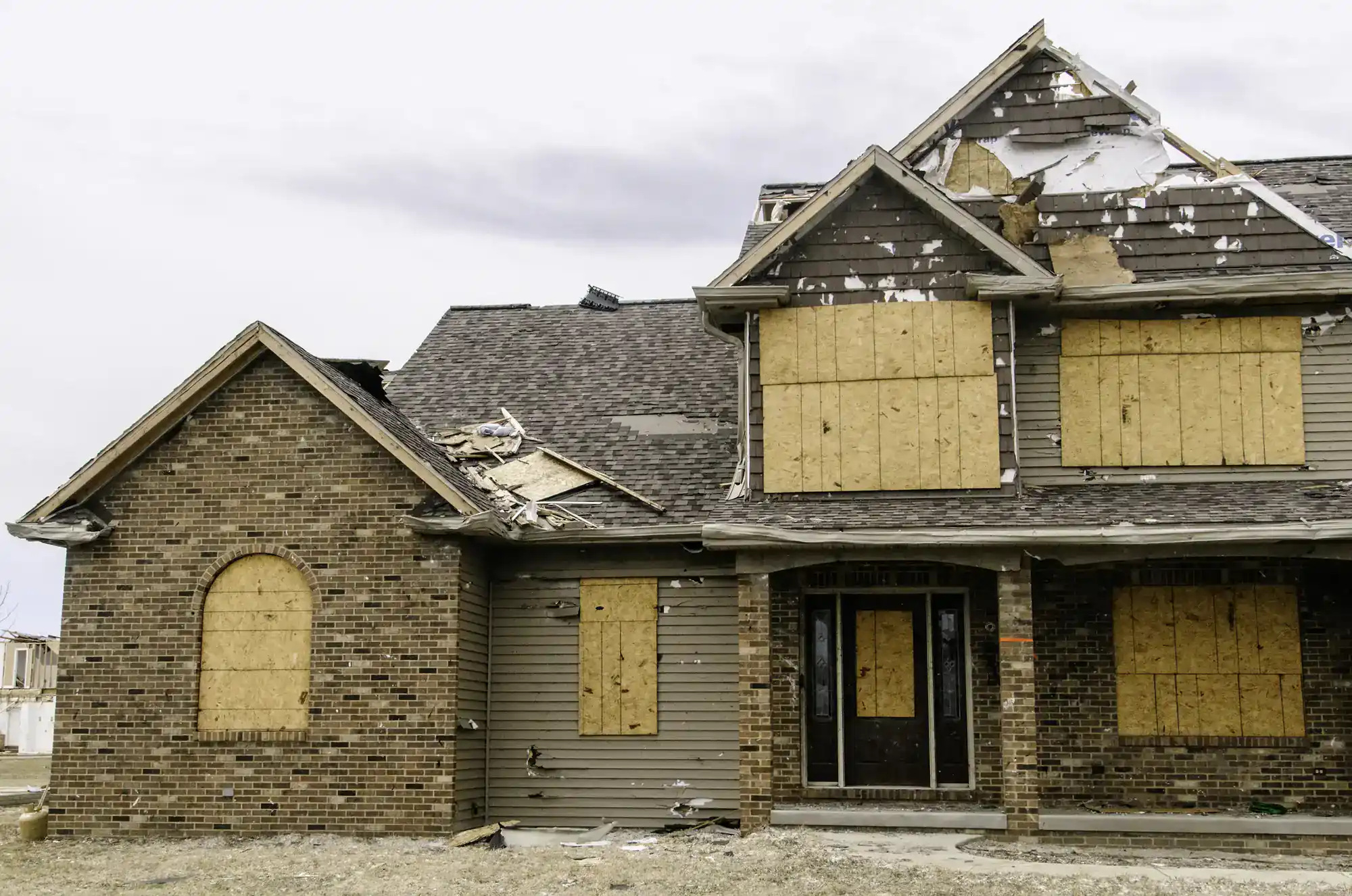
California's contractor licensing system is more specific than most homeowners realize. Here's what the difference actually means for your project in San Diego County.
Share:
Summary:
You’re getting quotes for exterior work — maybe siding, stucco, windows, or a full repaint — and every contractor you talk to says they’re “licensed and insured.” But licensed as what, exactly? In California, that question has a real answer, and it matters more than most people realize. The state’s licensing system isn’t one-size-fits-all. There are general contractors, specialty contractors, and a handful of combinations in between. Knowing the difference helps you hire the right person, avoid legal gray areas, and protect yourself if something goes sideways. Let’s walk through it.
California’s Contractors State License Board — the CSLB — divides contractor licenses into three main categories: A, B, and C. Class A covers general engineering work like grading, pipelines, and large infrastructure. Class B is the General Building Contractor license, which covers construction projects that involve two or more unrelated building trades. Class C licenses are specialty contractor classifications, and there are 45 of them — everything from electrical and plumbing to painting and glazing.
The short version: a general contractor manages the big picture across multiple trades, while a specialty contractor focuses on one specific type of work. But the nuances between those two categories are where most homeowners get confused — and where some contractors quietly operate outside the lines.
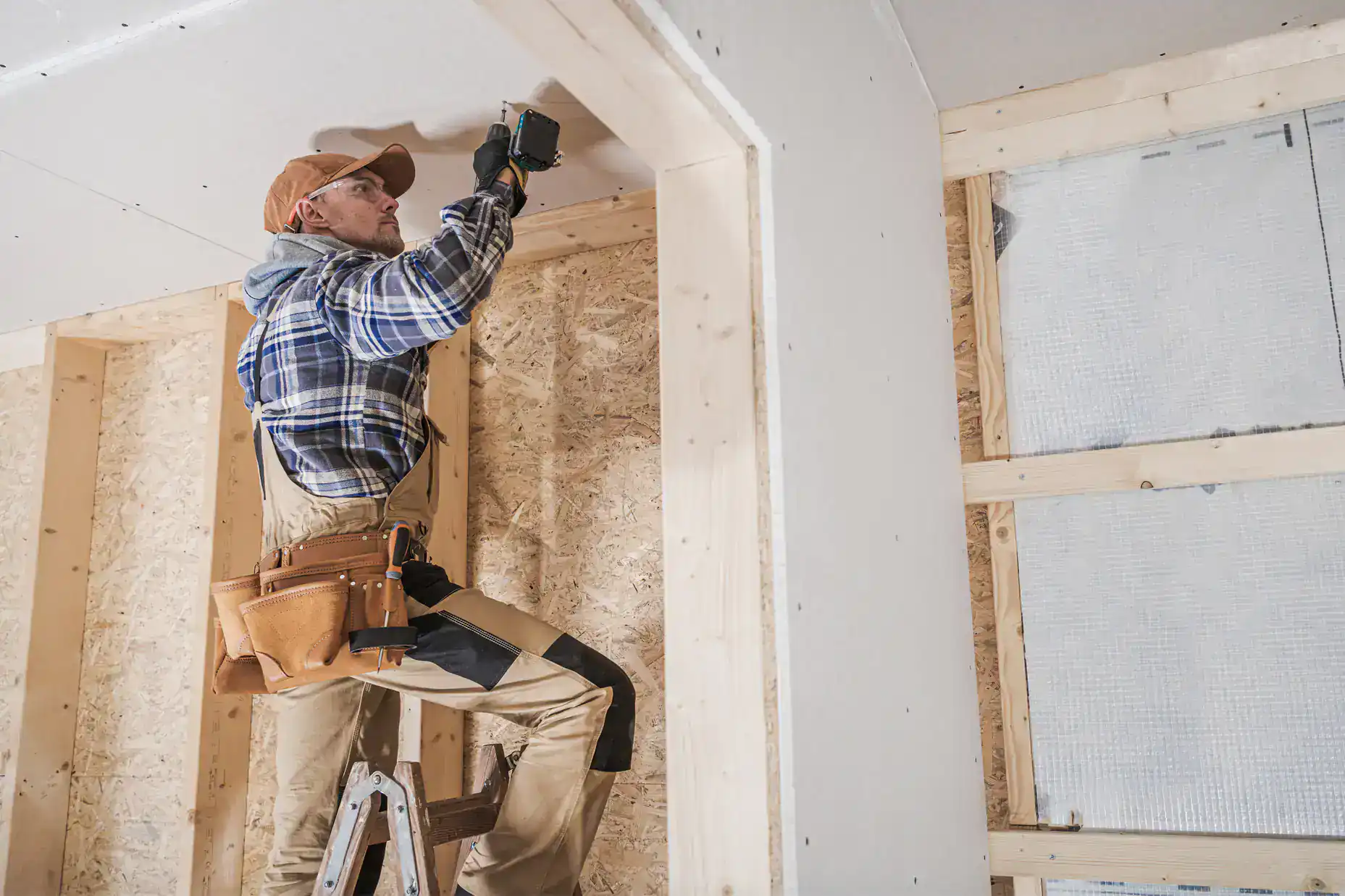
A Class B General Building Contractor license is the most common contractor license in California, and it’s the one most people picture when they think “general contractor.” It authorizes the license holder to manage construction projects that require at least two unrelated building trades — think a project that involves both structural carpentry and stucco work, or siding installation alongside window replacement. The B license is what makes someone legally qualified to act as the prime contractor on a multi-trade project: holding the main contract with the homeowner, coordinating the work, and taking responsibility for the outcome.
Here’s where it gets specific, though. A B license contractor can take on specialty work as part of a larger project, but they can’t legally self-perform that specialty work unless they also hold the appropriate C license. If they don’t have the specialty license, they need to hire a licensed specialty subcontractor to do it. So a B-only contractor who quotes you a full exterior remodel — siding, stucco, and painting — either needs to subcontract the painting portion to a licensed C-33 contractor, or they’re operating in a legal gray area.
There’s also a lesser-known restriction: a B license contractor cannot take a single-trade contract — say, painting only — unless they hold the relevant specialty license separately or structure the contract to include two additional unrelated trades. This is a real rule, and it’s one reason why the license a contractor holds matters beyond just “are they licensed.”
For homeowners planning a full exterior project, the B license is what gives your contractor the legal authority to manage the whole job. But it’s worth asking whether they can actually self-perform the work — or whether they’ll be subcontracting key pieces of it out.
The C-33 is California’s Painting and Decorating Contractor license, and it’s more comprehensive than the name suggests. Yes, it covers paint application — but it also covers surface preparation (scraping, sandblasting, pressure washing), textures, stains, sealers, waterproofing coatings, and fireproofing applications. A C-33 contractor is specifically trained and licensed to prepare surfaces properly and apply materials that protect and preserve the exterior of a structure, not just make it look better.
That distinction matters in San Diego County, where the sun, salt air, and occasional atmospheric river event put real stress on exterior coatings. A proper C-33 scope of work includes identifying failing surfaces, replacing damaged substrate before painting, and selecting materials formulated for the actual conditions the coating will face. It’s not just rolling paint on a wall.
Where the C-33 license has a limitation is in project management authority. A specialty contractor — including a C-33 — is typically licensed to perform a single type of work and act as the prime contractor only for that specific trade. If you hire a painting-only contractor to manage a project that also involves siding installation and window replacement, they’re not legally positioned to be the general contractor for that scope. They can do the painting. They can’t manage the whole job.
This is why the combination of a B General Building Contractor license and a C-33 Painting and Decorating license matters so much for exterior remodeling work. A contractor holding both can legally manage the full exterior project as the prime contractor AND self-perform the painting and coating work — no subcontracting required, no gray area, one point of accountability from start to finish. That’s exactly the licensing structure we hold at MRH Pro Construction & Painting, and it’s not as common as you might expect among exterior contractors in San Diego County.
Want live answers?
Connect with a MRH Pro Construction & Painting expert for fast, friendly support.
Understanding the licensing categories is useful. Knowing how to apply that knowledge when you’re actually hiring someone is what protects you. California requires any contractor performing work above $500 in combined labor and materials to hold an active CSLB license — and you can verify any contractor’s license status, bond status, and disciplinary history at cslb.ca.gov. That’s a free tool, and it takes about 30 seconds.
What you’re looking for: an active license in the right classification for the work being done, current workers’ compensation coverage, and no unresolved disciplinary actions. A contractor who hesitates to give you their license number is a contractor worth walking away from.
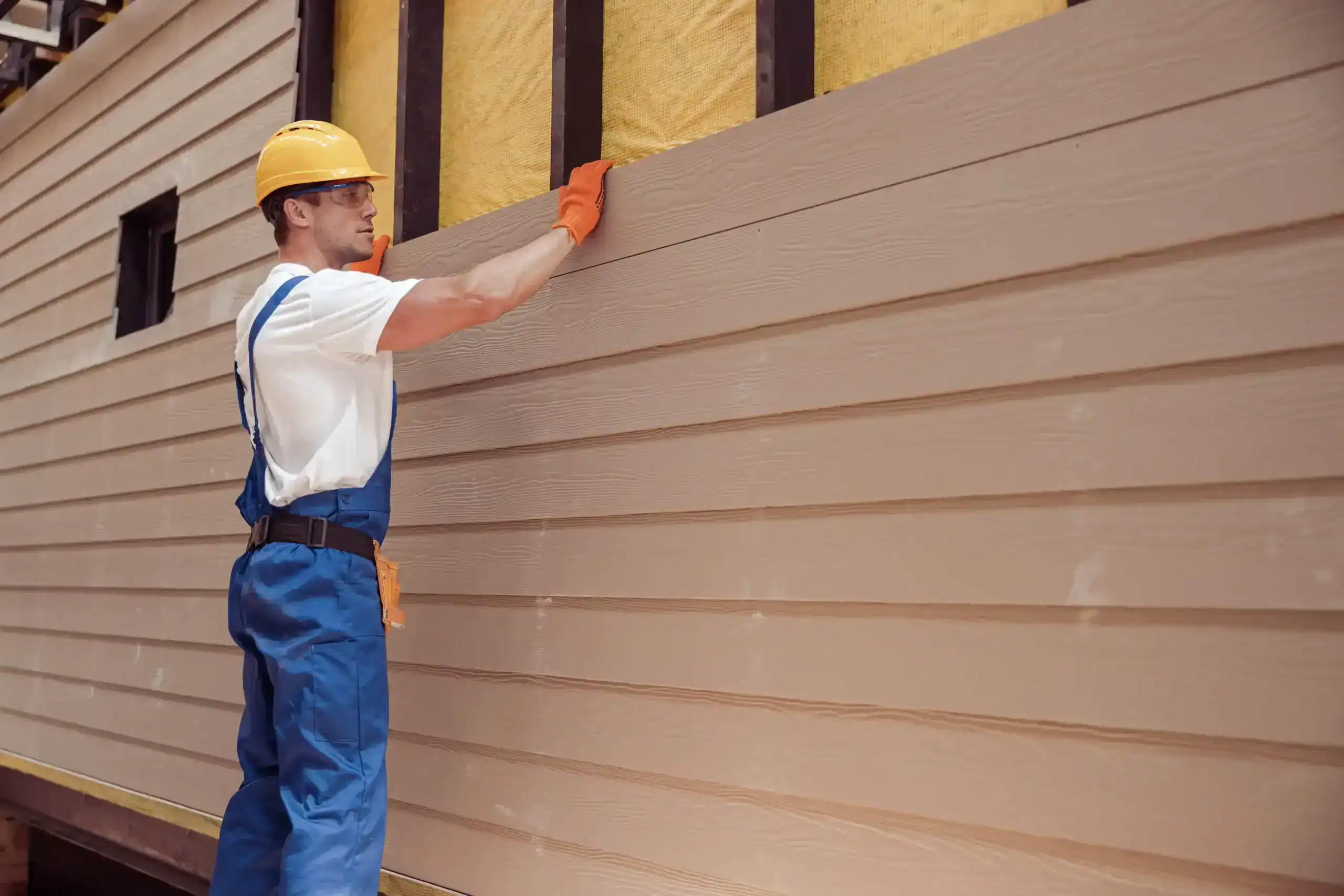
The answer depends almost entirely on the scope of what you’re having done. If you need a single trade performed — your house painted, your windows replaced, or your stucco patched — a licensed specialty contractor in that trade can act as the prime contractor for that job. They hold the contract, pull the permit (if required), and are responsible for the work. That’s a clean, straightforward arrangement.
If you’re doing a multi-trade project — siding replacement plus stucco work plus exterior painting, for example — you need a B General Building Contractor managing the project. Not because of bureaucracy, but because someone needs to be legally responsible for the whole thing: coordinating the trades, pulling the right permits, and ensuring the work meets code. Without a GC in that role, you’re left managing the coordination yourself, dealing with multiple contracts, and navigating permit questions that most homeowners aren’t equipped to handle.
In San Diego County specifically, most exterior remodeling projects fall into the multi-trade category. The housing stock here is predominantly stucco construction — Spanish Colonial and Mediterranean influences that have shaped the region’s architecture for decades. That means a window replacement often involves stucco patching around the new frame. Siding installation on a partial elevation usually requires paint to match or blend the rest of the exterior. These aren’t separate jobs — they’re connected, and they need a contractor whose license covers the full scope.
The clearest signal that you need a B-licensed general contractor: your project involves two or more unrelated trades, requires permits across multiple categories, or involves structural changes to the building envelope. When in doubt, ask the contractor directly what their license covers and whether they’ll be self-performing the work or subcontracting any portion of it.
**Can a general contractor do painting in California without a C-33 license?**
Not legally, at least not on a standalone painting contract. A B-licensed contractor cannot take a single-trade painting job unless they also hold the C-33 license separately or structure the contract to include two additional unrelated trades. For a multi-trade exterior project, a B-only contractor can include painting in the scope — but they’d need to subcontract it to a licensed C-33 painter. This is one reason why we hold both licenses under one company: it removes that subcontracting step entirely and keeps accountability in one place.
**Do I need permits for exterior work in San Diego County?**
It depends on the scope, but more often than not — yes. Window replacements, siding installations, and stucco work frequently require permits in San Diego County, particularly when they involve changes to the building envelope or structural elements. Unpermitted work creates real problems down the line: complications when selling the home, issues with homeowner’s insurance claims, and potential code violations that require correction at your expense. We handle all permits and inspections for every project we manage in San Diego County, and those costs are included in your estimate upfront — no surprises at the end.
**What happens if I hire an unlicensed contractor in California?**
The risk shifts to you. If an unlicensed contractor is injured on your property, you may be liable. If the work fails and you need recourse, you have no CSLB complaint process available to you. And if the work was done without permits, you may be required to tear it out and redo it to pass inspection before you can sell or refinance. California takes unlicensed contracting seriously — the CSLB uses undercover sting operations and license plate scanning at job sites to catch unlicensed activity. The $500 threshold that triggers the licensing requirement is low enough that almost any meaningful home improvement project falls under it.
**Why would a contractor hold both a B and C-33 license?**
Because it gives them the legal authority to manage a full exterior project as the prime contractor AND self-perform the painting and coating work without subcontracting. For homeowners, that means one contract, one crew, and one company responsible for everything. For an exterior remodeling contractor working in San Diego County’s climate — where surface prep and coating selection directly affect how long the work holds up — being able to control the painting scope in-house isn’t just a legal advantage. It’s a quality control one.
California’s contractor licensing system exists for a reason. It’s not just paperwork — it’s a framework that defines who’s legally qualified to manage your project, who’s accountable when something goes wrong, and what protections you have as a homeowner. For exterior remodeling work in San Diego County, the combination of a B General Building Contractor license and a C-33 Painting and Decorating license is the setup that covers the full scope of what most projects actually require.
We’ve spent sixteen years doing exterior remodeling work in San Diego County with a dual B and C-33 license, direct employee crews with no subcontracting, and permit management built into every estimate. If you’re planning exterior work and want to talk through what your project actually needs, reach out to MRH Pro Construction & Painting. We’ll give you a straight answer and a detailed estimate, no pressure attached.
Article details:
Share:
Continue learning: