San Diego's intense sun and coastal air make exterior painting challenging. Discover the five mistakes that cause premature paint failure and how professionals avoid them.
Share:
Summary:
You can use the most expensive paint on the market, but if you’re applying it to a dirty, damaged, or unstable surface, you’re setting yourself up for failure. Surface prep isn’t the fun part of exterior painting. It’s tedious, time-consuming, and doesn’t show immediate results. That’s exactly why so many people skip it or rush through it.
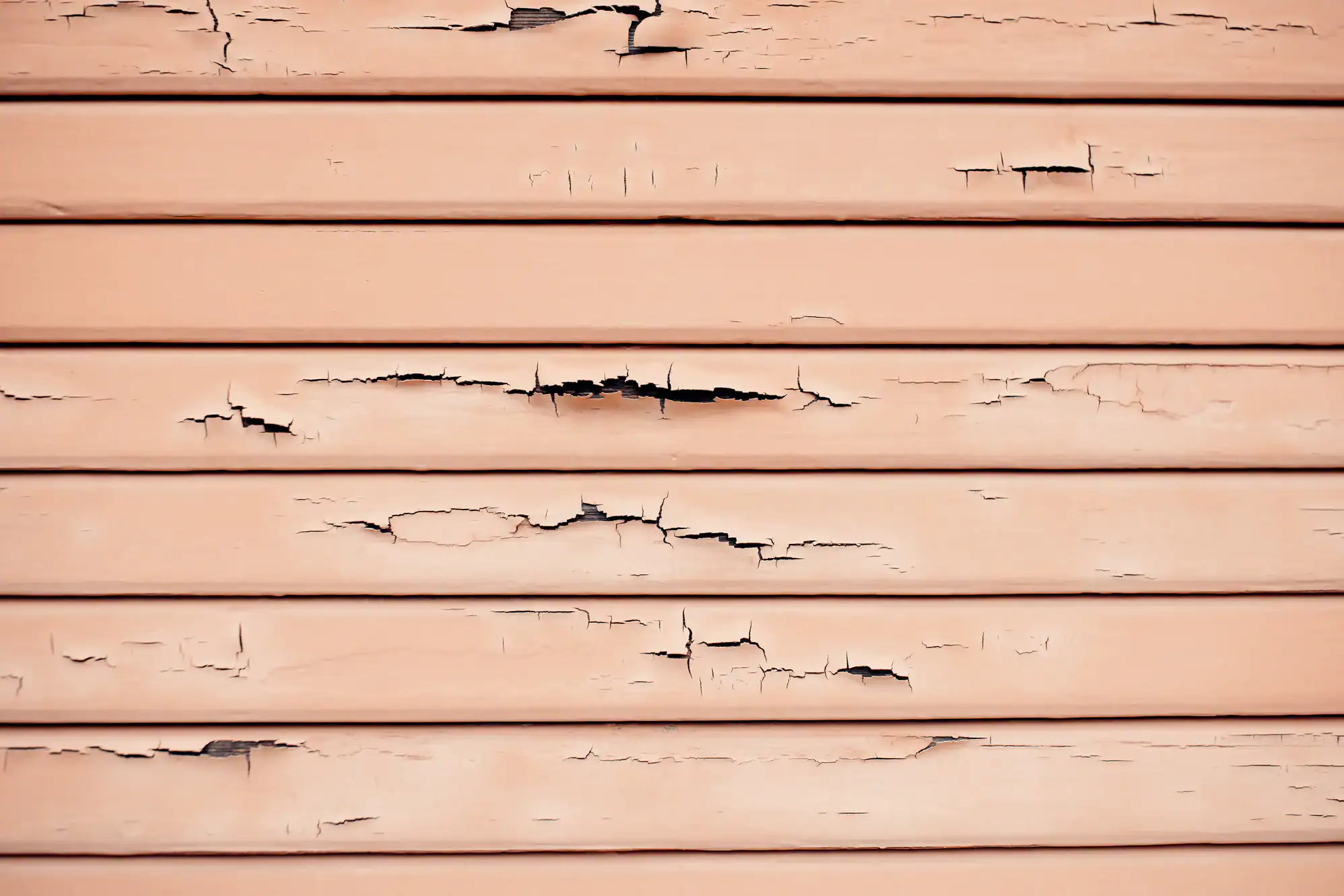
The reality is simple. Paint needs a clean, stable surface to bond with. When you skip proper cleaning, you’re essentially asking new paint to stick to a layer of dirt, mildew, salt deposits, and degraded old paint. It won’t. It might look fine for a few weeks or months, but San Diego’s sun and moisture will get underneath that paint and start lifting it away from the surface.
We know that thorough surface preparation is where a quality paint job actually begins. It’s not glamorous, but it’s the difference between a paint job that lasts three years and one that lasts ten.
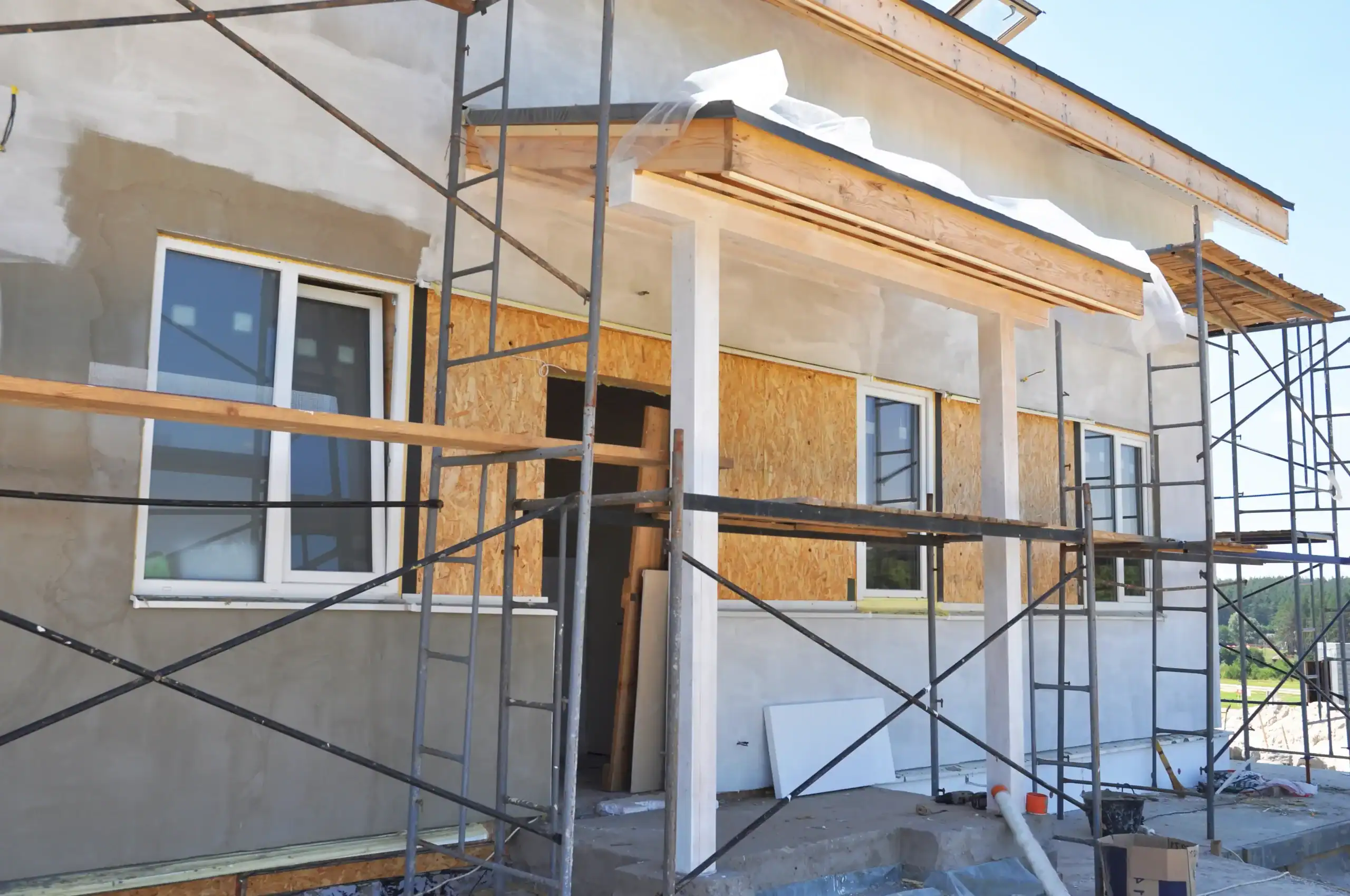
Proper surface prep starts with a complete inspection of your home’s exterior. We look for existing damage—cracks in stucco, rot in wood siding, loose or peeling paint, and areas where moisture has already caused problems. These issues need to be addressed before any paint goes on. You can’t paint over rot and expect it to disappear. You’re just hiding a problem that’s going to get worse.
Cleaning comes next, and this means more than spraying down your house with a garden hose. Professional exterior painting services in San Diego typically use pressure washing to remove years of accumulated dirt, mildew, salt deposits, and loose paint. But here’s where experience matters—too much pressure can damage wood siding or force water into places it shouldn’t go. Too little pressure leaves contaminants that prevent proper paint adhesion.
After washing, the surface needs time to dry completely. Painting over damp surfaces traps moisture under the new paint, creating the perfect environment for mold, mildew, and paint failure. In San Diego’s coastal areas, this drying time becomes even more critical because of morning marine layer moisture.
Then comes the scraping and sanding. Every bit of loose, flaking, or poorly adhered old paint needs to come off. Edges where old paint meets bare surface need to be sanded smooth so you don’t see ridges through the new paint. This is backbreaking work, especially on older homes, but it’s absolutely essential. We don’t skip this step because we know what happens when you do—callbacks, unhappy clients, and a reputation for subpar work.
Finally, any cracks, holes, or gaps get filled with appropriate exterior-grade materials and sanded flush. Caulking goes around windows, doors, and anywhere two different materials meet. This creates a smooth, sealed surface that’s ready to accept primer and paint. It also prevents moisture infiltration, which is one of the biggest threats to exterior paint longevity in San Diego County.
The entire surface prep process can take as long as the actual painting—sometimes longer. But we understand that this foundation work determines everything that comes after. Rushing through prep to get to the “real” painting faster is how you end up repainting in three years instead of ten.
San Diego’s climate creates specific challenges that make proper surface preparation absolutely non-negotiable. The intense UV exposure we get year-round doesn’t just fade paint colors—it actually breaks down the molecular structure of paint and the materials underneath. When you skip proper surface prep, you’re leaving damaged, weakened surfaces that can’t hold new paint effectively.
Coastal areas face an additional challenge with exterior painting. Salt air carries microscopic salt particles that settle on every exterior surface. These particles are hygroscopic, meaning they attract and hold moisture. When salt gets trapped between old paint and new paint because you didn’t clean properly, it creates ongoing moisture problems that cause paint to bubble, peel, and fail prematurely. Homes within five miles of the ocean need extra attention to surface cleaning and prep because of this salt air exposure.
Temperature fluctuations cause materials to expand and contract daily. Stucco, wood, and metal all respond differently to temperature changes. When surfaces haven’t been properly prepared—when cracks haven’t been filled, when old paint hasn’t been removed, when surfaces haven’t been sealed—these daily expansion and contraction cycles create stress points where paint fails first.
The marine layer that rolls in overnight brings moisture that settles on surfaces. If you’ve painted over dirt, mildew, or degraded old paint, this moisture gets trapped in all the wrong places. We understand these climate-specific challenges and adjust our surface prep accordingly. We know that what works in other parts of the country won’t necessarily hold up here.
Mildew and algae growth is another San Diego-specific issue, particularly on north-facing walls that don’t get direct sun. You can’t just paint over mildew and expect it to stay gone. It will grow right through new paint. Proper surface prep includes treating these areas with appropriate cleaners that kill mildew at the source, then allowing surfaces to dry completely before priming and painting.
Professional exterior painting services account for all these factors during the prep phase. We’re not just cleaning your house—we’re addressing the specific challenges that San Diego’s climate creates. This climate-aware approach to surface preparation is what separates paint jobs that last from paint jobs that fail.
Want live answers?
Connect with a MRH Pro Construction & Painting expert for fast, friendly support.
Not all exterior paint is created equal, and the paint that works great in Minnesota might fail spectacularly in San Diego. Choosing the wrong paint for our climate—or trying to save money by skipping primer—ranks among the costliest mistakes homeowners make. These decisions might save you a few hundred dollars upfront, but they’ll cost you thousands when you need to repaint years earlier than necessary.
The paint you choose needs to stand up to constant UV exposure, salt air if you’re near the coast, temperature fluctuations, and occasional heavy moisture from winter rains. Cheap paint or paint not formulated for these conditions will fade, chalk, crack, and peel. Primer creates the foundation that helps your topcoat perform the way it’s supposed to. Skipping it to save time or money almost always backfires.
We don’t make these mistakes because we’ve seen the results too many times. We know which products hold up in San Diego’s specific conditions, and we understand when primer is necessary versus when it’s optional.
Primer serves multiple critical functions that directly impact how long your exterior paint job lasts. First, it creates a uniform surface that helps topcoat paint adhere properly. Different materials—wood, stucco, metal, previously painted surfaces—all have different porosity and texture. Primer bridges these differences and gives your topcoat something consistent to grip onto.
Second, primer seals bare surfaces and prevents moisture from penetrating into the substrate material. This is particularly important in San Diego where morning moisture from marine layers can cause problems. When bare wood or bare stucco gets exposed during surface prep, leaving it unsealed invites moisture infiltration that leads to rot, mold, and structural damage. Primer creates a protective barrier that prevents these issues.
Third, primer improves coverage and color accuracy. If you’re making a significant color change—going from dark to light, for example—primer prevents the old color from showing through. It also helps your topcoat go on more evenly, which means better appearance and often fewer coats needed to achieve proper coverage.
Fourth, primer enhances adhesion on challenging surfaces. Glossy surfaces, previously painted surfaces, and surfaces with stains or discoloration all benefit from primer. It gives the topcoat something to grab onto and prevents issues like peeling and flaking that happen when paint doesn’t adhere properly.
We don’t view primer as optional. We understand that the relatively small investment in primer and the time it takes to apply it pays massive dividends in paint longevity and performance. Trying to skip this step to save money or time is a false economy—you’ll end up spending far more on premature repainting.
There are situations where primer might not be strictly necessary—for example, when you’re repainting a surface that’s in excellent condition with the same type and color of paint. But even in these cases, we still recommend at least spot-priming any areas where bare substrate is exposed. The cost of primer is minimal compared to the cost of paint failure.
The paint you select for your San Diego home needs specific characteristics that you might not find in basic, economy-grade products. UV resistance tops the list. San Diego’s year-round sunshine delivers intense ultraviolet radiation that breaks down paint binders and causes fading. Premium exterior paints formulated with UV-resistant pigments and high-quality binders can extend paint life significantly compared to cheaper alternatives.
Flexibility matters in our climate because of daily temperature fluctuations. As surfaces heat up and cool down, materials expand and contract. Paint that’s too rigid will crack under this constant movement. Quality exterior paints designed for variable climates have flexibility built in—they move with the substrate instead of cracking away from it. This flexibility is particularly important on stucco, which expands and contracts more than some other materials.
For coastal areas, salt resistance becomes critical. Paint formulated to resist salt air corrosion will hold up much better than standard products. These paints typically have higher-quality resins and better moisture resistance, which prevents salt particles from penetrating the paint film and causing problems underneath.
Mildew resistance is another important characteristic, especially for north-facing walls and areas that don’t get much direct sun. Paint with mildew-resistant additives prevents the growth that causes discoloration and degradation. This is particularly valuable in San Diego where morning moisture creates conditions that mildew loves.
The difference between economy paint and premium paint might be thirty to fifty dollars per gallon, but that difference translates to years of additional life. Economy paint might need repainting every three to five years. Premium paint formulated for challenging climates can last seven to ten years or longer. When you factor in the cost of labor for repainting, using premium paint is actually the more economical choice.
We typically work with specific paint brands and products we’ve tested in San Diego’s conditions. We know which products hold up on stucco, which work best on wood siding, and which provide the best combination of durability and appearance for different exposures. This product knowledge comes from years of experience and from seeing which paint jobs last and which ones fail.
Latex paint is generally preferred for most San Diego exterior applications because it’s flexible, breathable, and holds up well to UV exposure. Oil-based paints, while durable, can become brittle over time and crack under our temperature fluctuations. There are specific applications where oil-based products make sense, but for most residential exterior painting, high-quality latex is the better choice.
The sheen level you choose also impacts durability. Flat finishes hide imperfections better and work well on textured surfaces like stucco, but they can be harder to clean. Satin and semi-gloss finishes are more durable and easier to maintain, which makes them good choices for trim, doors, and high-traffic areas. We can guide you toward the right sheen for each application based on the surface material and exposure.
The exterior painting mistakes we’ve covered—inadequate surface prep, wrong paint selection, skipping primer, ignoring climate factors, and poor timing—account for most paint failures in San Diego. They’re also completely preventable when you work with experienced professionals who understand what our climate demands.
Quality exterior painting isn’t about finding the cheapest option or the fastest timeline. It’s about doing the work correctly so you get a finish that protects your home and looks great for years, not months. That means thorough surface preparation, climate-appropriate materials, proper application techniques, and realistic timelines that account for weather and drying requirements.
When you’re ready to invest in exterior painting that actually lasts, MRH Pro Construction & Painting brings 16 years of San Diego experience and the proper licensing to handle your project right from the start. Our direct crews—no subcontractors—ensure consistent quality and clear communication throughout your project.
Article details:
Share:
Continue learning: