Learn the insider techniques San Diego painting professionals use to achieve flawless finishes that withstand coastal conditions and deliver lasting beauty.
Share:
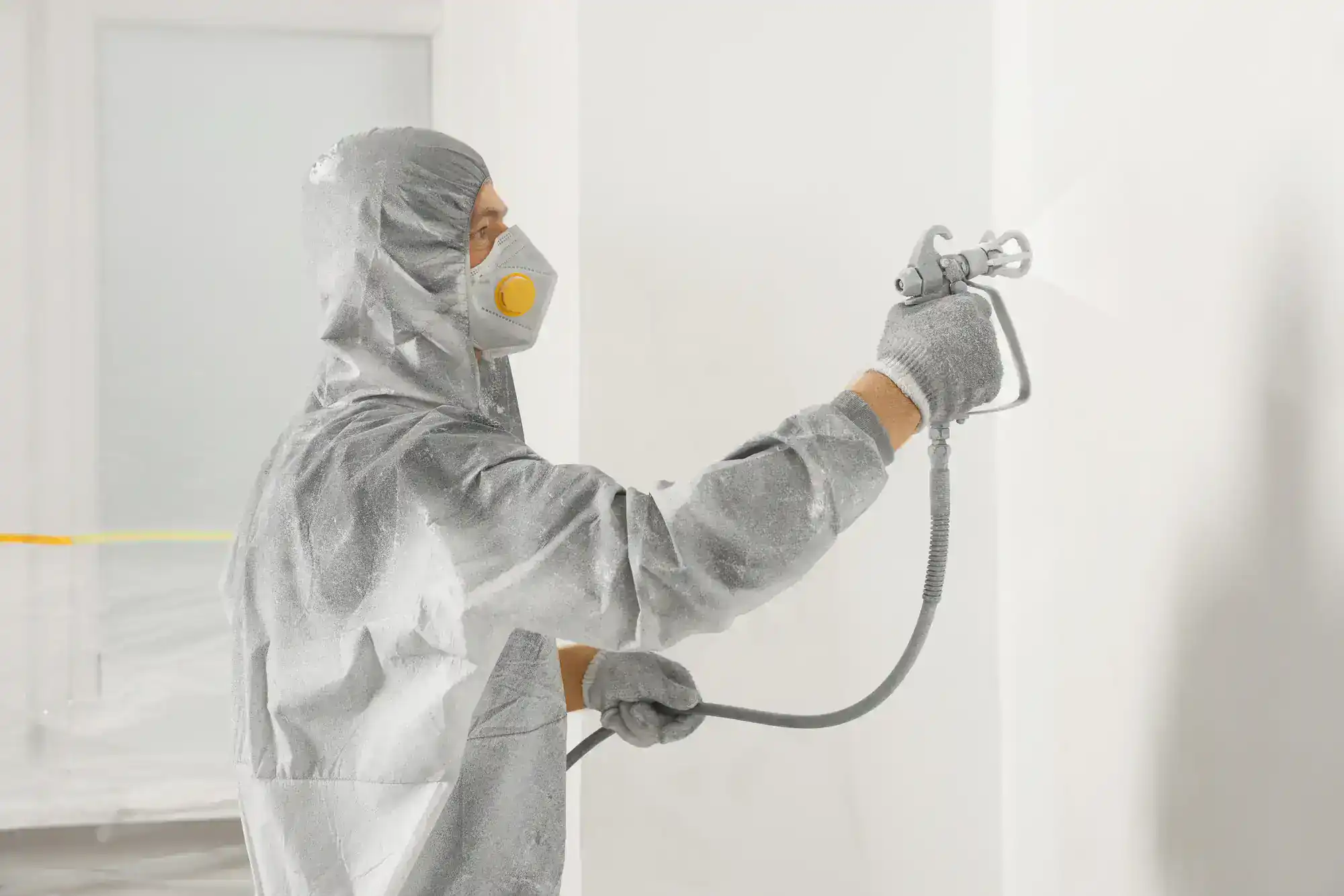
Summary:
Most contractors choose paint and materials based on price or availability. We choose materials specifically engineered for San Diego’s coastal conditions because we understand what delivers lasting results. If you’re planning exterior remodeling San Diego, selecting the right materials from the start helps protect your investment and ensures every upgrade performs well in the local climate.
Our climate combines salt air, intense UV exposure, and temperature swings that can crack inferior materials within months. The wrong paint formulation will fade, chalk, or peel when exposed to these conditions consistently.
Smart material selection means understanding how different paint chemistries respond to salt air and UV radiation. It means choosing primer systems that bond properly with stucco, wood, and fiber cement siding in high-moisture environments.

The paint aisle at your local home improvement store offers dozens of options, but most weren’t formulated for San Diego’s specific environmental challenges. Premium 100% acrylic paints contain higher-quality resins that maintain flexibility as temperatures fluctuate, preventing the cracking and peeling that plague cheaper alternatives.
These paints also include UV inhibitors that prevent color fading and chalking. In San Diego’s intense sunlight, this protection becomes critical within the first year. Budget paints may cost 30% less initially, but they typically require repainting every 3-4 years instead of 8-10 years for premium formulations.
We understand that paint brands like Sherwin Williams and Dunn Edwards restrict their premium lines to factory-trained, certified contractors. This isn’t just marketing—these formulations require specific application techniques and surface preparation to perform as designed.
The chemistry matters too. Premium acrylics maintain better adhesion to surfaces that expand and contract with temperature changes. They resist moisture penetration that can lead to substrate damage, particularly important for stucco and wood surfaces common in San Diego homes.
When you factor in labor costs for repainting, premium materials actually cost less over time while providing superior protection for your home’s structure.
Surface preparation accounts for 80% of a paint job’s longevity, yet it’s where most contractors cut corners to save time and money. Our professional preparation goes far beyond washing and scraping loose paint.
Proper preparation starts with identifying why previous paint failed. Was it moisture intrusion? Inadequate primer? Surface contamination? Each failure mode requires specific corrective measures before new paint can perform properly.
For stucco surfaces, this means checking for cracks that allow moisture penetration and repairing them with appropriate elastomeric fillers. For wood surfaces, it means testing moisture content and ensuring proper drying before primer application.
We also understand substrate compatibility. Applying latex paint over oil-based primers, or vice versa, creates adhesion problems that show up months later as peeling and bubbling. Each surface type—wood, stucco, metal, or composite—requires specific primer systems for the best adhesion.
The extra time spent on proper surface preparation adds maybe 15% to project cost but can double or triple the lifespan of the finished coating. This is why we often spend more time on prep work than actual painting.
Want live answers?
Connect with a MRH Pro Construction & Painting expert for fast, friendly support.
San Diego’s year-round painting weather is both a blessing and a trap. While you can paint almost any month, optimal conditions still matter for achieving flawless finishes.
We monitor temperature, humidity, and wind conditions before starting each phase of work. Paint applied in less-than-ideal conditions may look acceptable initially but fail prematurely as environmental stresses reveal application defects.
Understanding how environmental conditions affect different coating systems separates professional results from amateur work that looks good initially but disappoints over time.
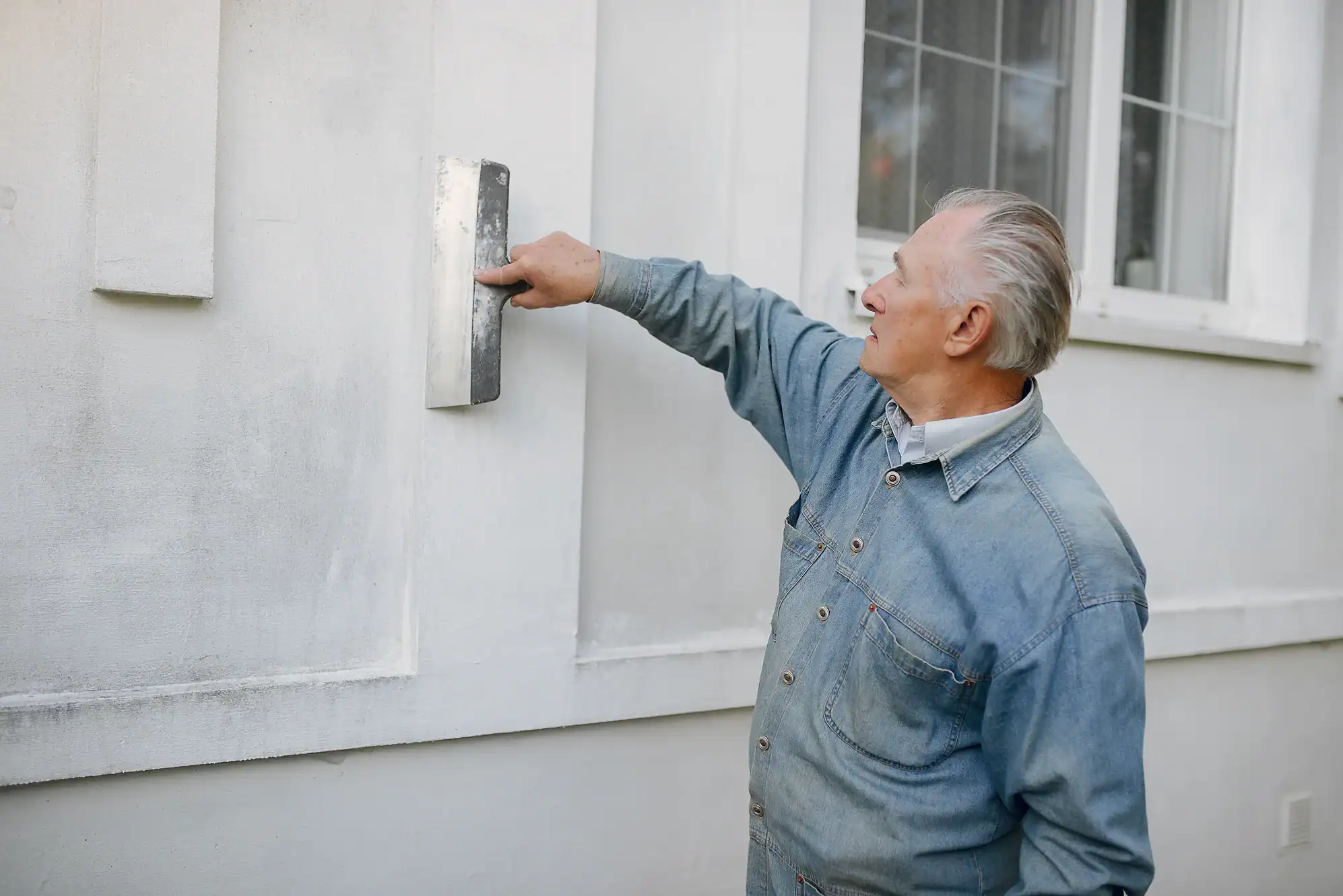
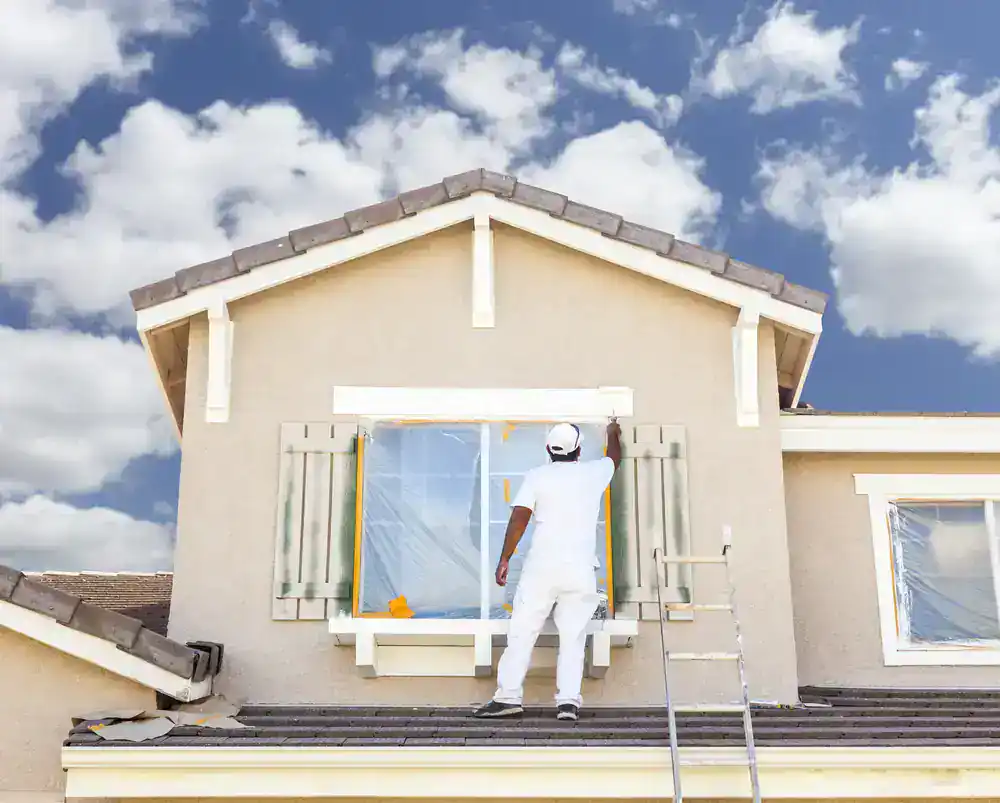
Paint manufacturers specify application temperature ranges for good reason—the chemistry of paint curing depends on controlled conditions. Most quality paints perform best when applied between 50-85°F with relative humidity below 70%.
In San Diego, this means avoiding early morning applications when surfaces may still carry moisture from marine layer conditions. It also means stopping work when afternoon temperatures exceed optimal ranges, even though the weather feels pleasant.
We know that each coat needs adequate cure time before the next application. Rushing this process, especially in high humidity conditions, can cause solvent entrapment that leads to soft, easily damaged finishes.
Wind conditions matter too. Excessive wind during application causes solvent flash-off that prevents proper leveling and can create texture variations in the finished surface. Coastal breezes that feel refreshing can compromise paint application quality.
Temperature also affects how paint flows and levels. Cool morning applications may show brush marks that would disappear in warmer conditions, while hot afternoon work can cause paint to set before proper leveling occurs.
San Diego’s coastal location means moisture management extends beyond avoiding rainy days. Marine layer conditions, morning dew, and salt air create moisture challenges that affect paint performance long after application.
Our moisture management starts with substrate moisture testing. Wood surfaces above 12% moisture content will cause paint adhesion problems regardless of surface preparation quality. Stucco surfaces need adequate cure time after repairs before paint application.
Proper primer selection creates moisture barriers that prevent substrate moisture from compromising the paint film. This is particularly critical for exterior applications where temperature cycling can drive moisture through improperly sealed surfaces.
Understanding vapor transmission rates helps us choose coating systems that allow proper moisture movement while preventing water intrusion. Trapping moisture behind impermeable coatings often causes more damage than the original moisture exposure.
We also consider seasonal moisture patterns when scheduling work. Even in San Diego’s mild climate, certain times of year present higher moisture challenges that affect application success and cure quality.
These professional secrets represent the difference between paint jobs that protect and beautify your home for decades versus those that require frequent touch-ups and early replacement. Understanding climate-specific materials, proper surface preparation, and optimal application conditions guarantees your investment delivers lasting value.
The techniques we use may add 15-20% to initial project costs, but they typically extend coating life by 200-300%. For San Diego homeowners, this translates to better protection against our unique coastal conditions and significantly lower long-term maintenance costs.
When you’re ready to achieve professional results that stand the test of time in San Diego’s challenging coastal environment, MRH Pro Construction & Painting brings 16 years of expertise and proven techniques to every project.
Article details:
Share:
Continue learning: