San Diego's coastal climate demands more than standard exterior remodeling. Discover how to protect your investment from UV damage, salt air, and moisture. Spoiler alert: The sun is not your friend.
Share:
Summary:
Generic materials might work fine in the Midwest, but San Diego’s coast is a different beast. You’re dealing with relentless UV exposure and salt-laden air that standard products simply weren’t designed to handle. Choosing the right materials isn’t about finding the cheapest bargain at a big-box store—it’s about finding products that don’t surrender the moment they smell the ocean.
Fiber cement siding has become the MVP in San Diego County. Unlike wood siding that can rot or warp, or vinyl that can literally “melt” or crack in the heat, fiber cement stays as cool as a surfer at sunset. It resists UV damage, handles moisture without throwing a tantrum, and maintains its integrity year after year. For stucco, using high-quality elastomeric sealers is like giving your house a breathable raincoat. It keeps the water out but doesn’t trap the “sweat,” which is a much more professional way of describing moisture vapor.
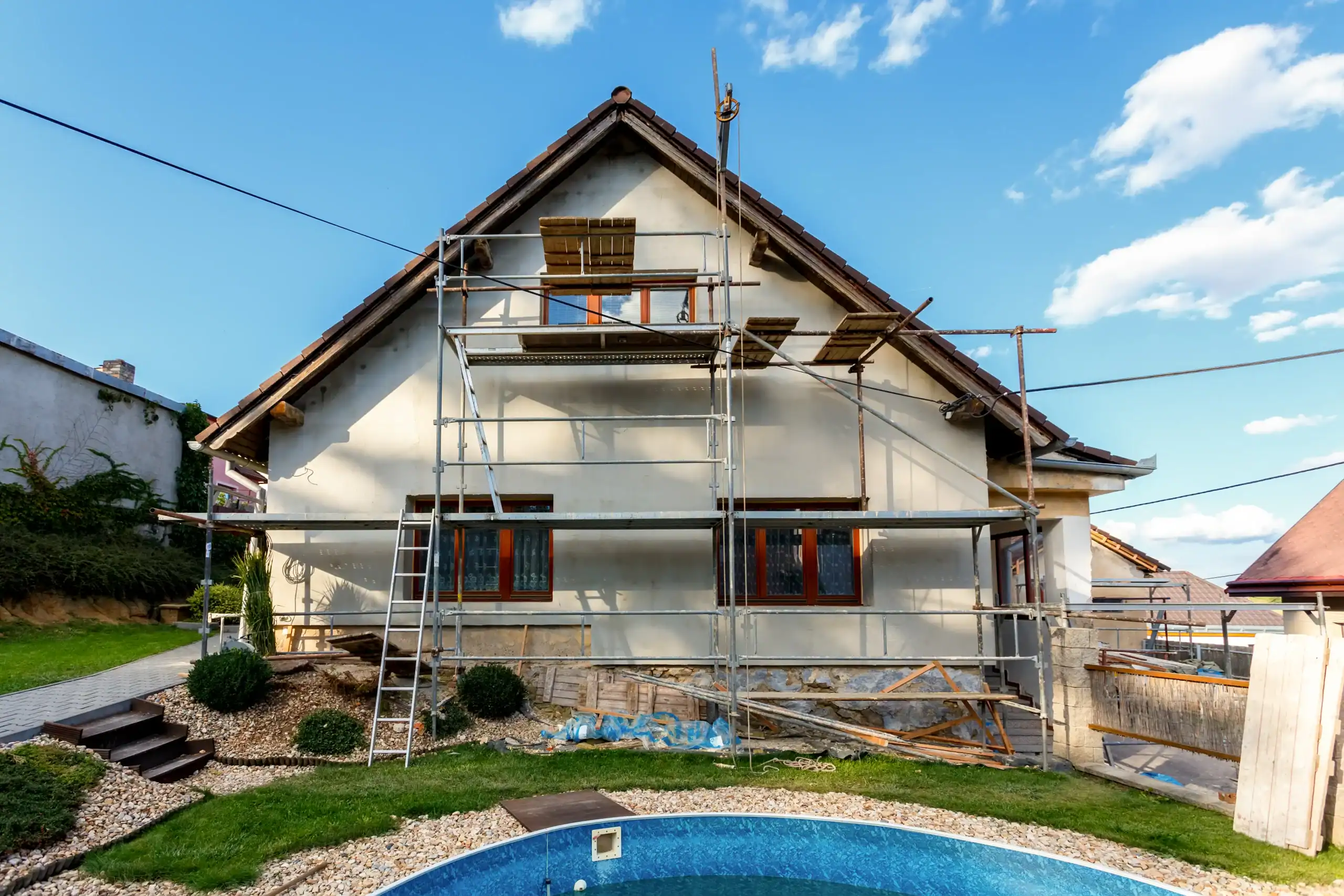
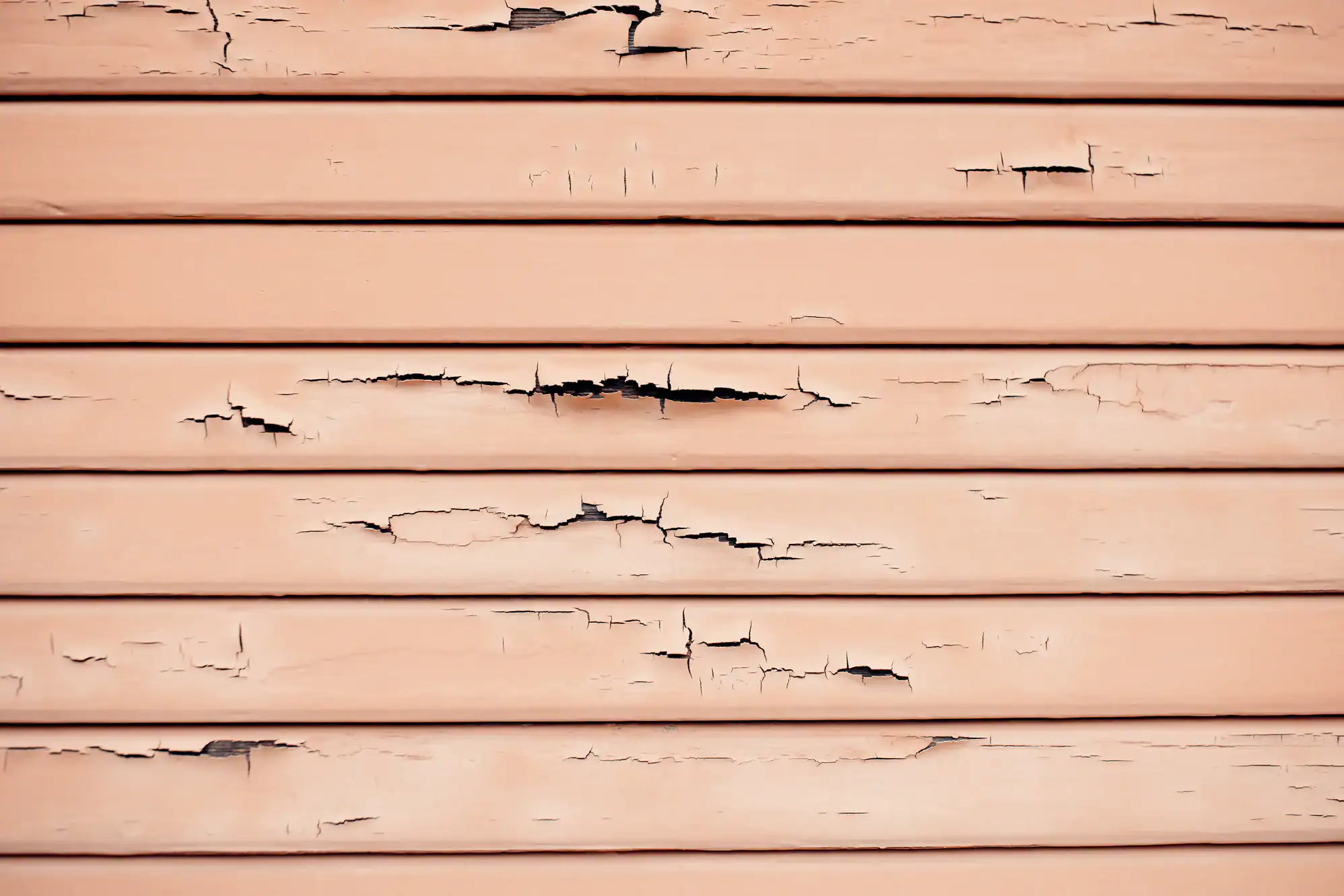
San Diego’s sunshine is the reason we pay the “sunshine tax,” but it’s also a molecular wrecking ball. Standard paints and sealants break down under constant UV bombardment. If you use cheap paint, your house will start looking like a piece of chalk within twenty-four months. UV rays don’t just fade your favorite “Coastal Blue” to a “Confused Gray”—they break down the structure of the materials. Sealants become brittle and crack, essentially opening a tiny front door for rain. When selecting materials, ask about UV resistance ratings. Premium paints designed for San Diego include UV inhibitors that extend their protective life. These materials might cost a bit more upfront, but they eliminate the fun of repainting your entire house every three years. Unless, of course, you really enjoy the smell of wet paint and the sound of your bank account weeping.
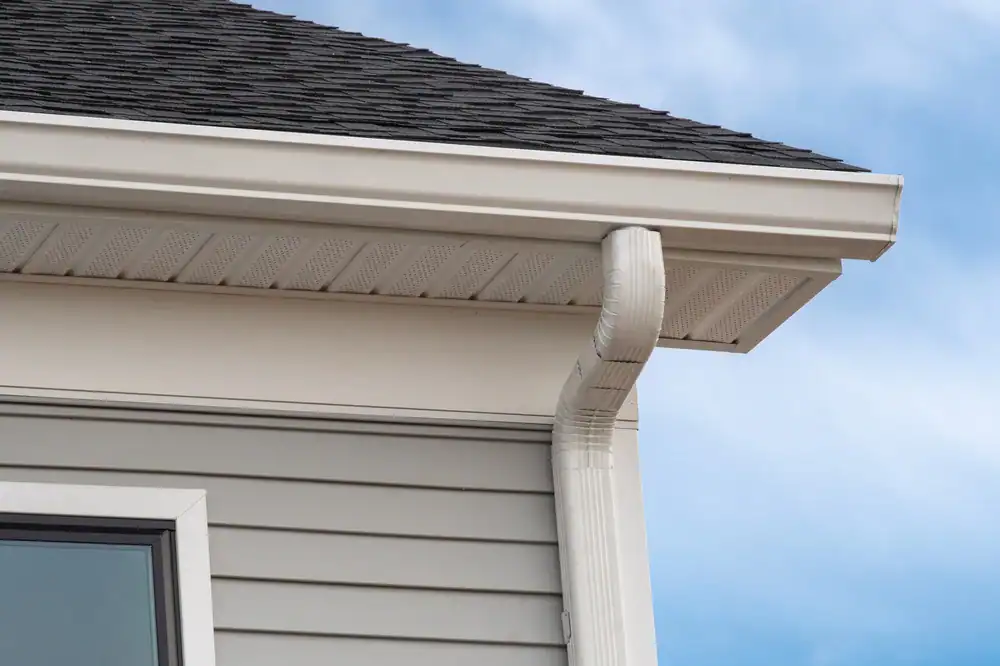
Even if you aren’t “oceanfront,” that salt air travels miles inland. It’s looking for metal gutters, flashing, and fasteners to eat for breakfast. Standard galvanized materials will eventually lose the fight against salt.
This is why professional remodeling requires stainless steel fasteners and marine-grade hardware. When cheap flashing fails, it creates a direct highway for water to enter your home’s bones. You don’t want to find out your $2.00 fasteners have rusted through when your siding starts sliding off the wall during a Santa Ana wind event. That’s a very dramatic way to greet the neighbors.
Want live answers?
Connect with a MRH Pro Construction & Painting expert for fast, friendly support.
Even the world’s most expensive siding will fail if it’s installed by someone who thinks “moisture management” is just using a coaster for their coffee. Proper installation includes moisture barriers, strategic flashing, and actual attention to detail.
San Diego moisture doesn’t just evaporate; it sneaks behind surfaces. Once it’s behind your stucco or siding, it can’t dry out easily in our humid coastal air. This trapped moisture rots your wood framing and creates a science experiment in your walls. If you see brown stains or “stucco tears,” your house is literally crying for a better installation team.
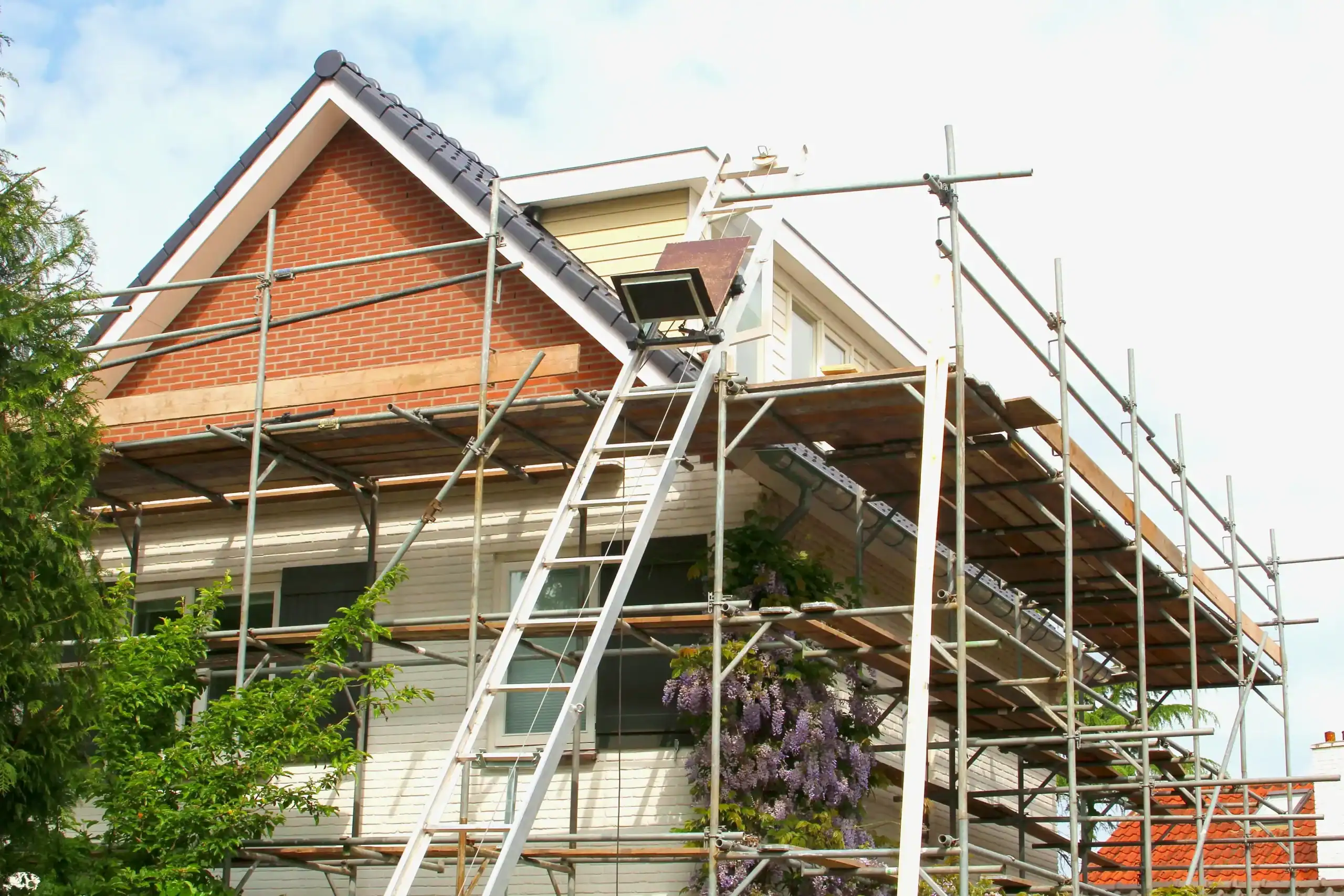
Your home’s exterior isn’t just about the “skin”—it’s about the “underwear.” The moisture barrier (house wrap) is that secondary line of defense. But “continuous” is the magic word here. Any gap or tear is a weak point.
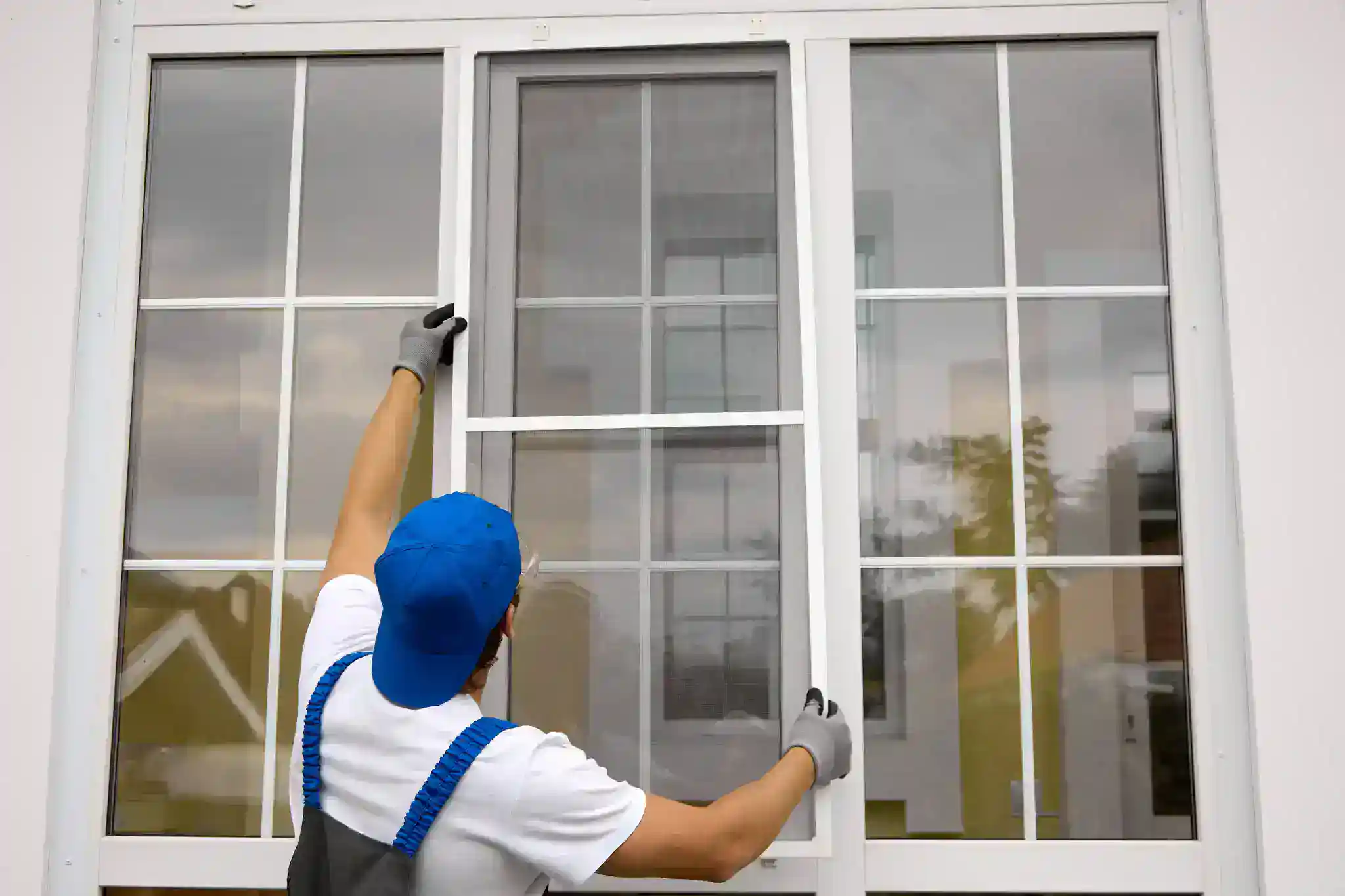
Flashing is like a raincoat for your windows and doors. It directs water away from the structure. In San Diego, this is critical because coastal moisture is constantly testing your home’s defenses. If your contractor rushes the flashing, they are basically leaving the window cracked during a car wash. It’s not a question of IF you’ll get wet, but WHEN.
Water management is about more than just a roof. It involves proper grading (so water flows away from the house, not into your living room) and functional gutters. Clogged gutters are just horizontal waterfalls that destroy your stucco.
For stucco, weep screeds are non-negotiable. They allow moisture that penetrates the stucco to drain out at the bottom. Many “budget” contractors skip this, which is like wearing waterproof boots but sealing the tops around your legs so the water has nowhere to go. It’s uncomfortable, it’s messy, and eventually, something is going to rot.
Your remodel is a big deal. In San Diego, “standard” work isn’t enough. You need UV-resistant coatings, salt-resistant hardware, and a team that knows exactly how a marine layer interacts with fiber cement.
The difference between a 30-year exterior and a 3-year exterior is the person holding the hammer. We bring 16 years of local experience to the table, along with the proper B General and C33 licensing. We don’t use “mystery subcontractors” or cut corners, because we’d like to be able to show our faces at the beach without being chased by angry homeowners.
Article details:
Share:
Continue learning: