Discover essential water damage prevention strategies specifically designed for Oceanside's challenging coastal environment and salt air exposure.
Share:
Summary:
Oceanside’s coastal environment creates specific challenges that need to be addressed directly. Salt air accelerates wear, humidity creates moisture problems, and temperature fluctuations cause expansion and contraction.
Your home’s exterior isn’t just dealing with occasional rain. Salt in the air and water can deteriorate stucco surfaces over time, leading to cracks, erosion, and discoloration. These microscopic salt particles land on every surface, attract moisture, and slowly eat away at protective coatings and materials.
The result is a home that ages faster than it should, with small problems becoming expensive repairs if you don’t stay ahead of them.
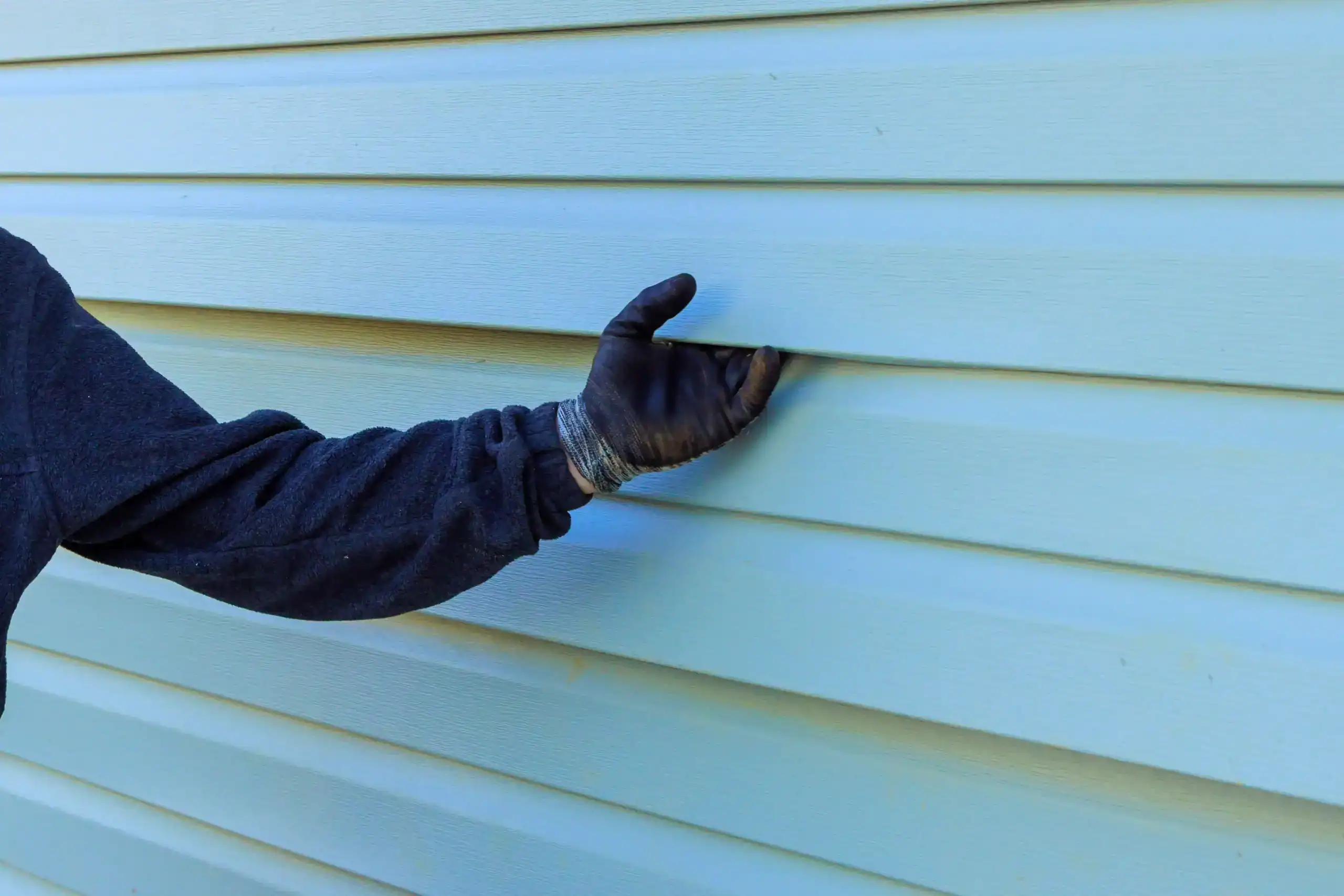
Most waterproofing approaches work fine inland, but they fall short in Oceanside’s unique conditions. Standard paint and sealers aren’t formulated to handle the constant salt exposure and humidity cycles that coastal homes endure.
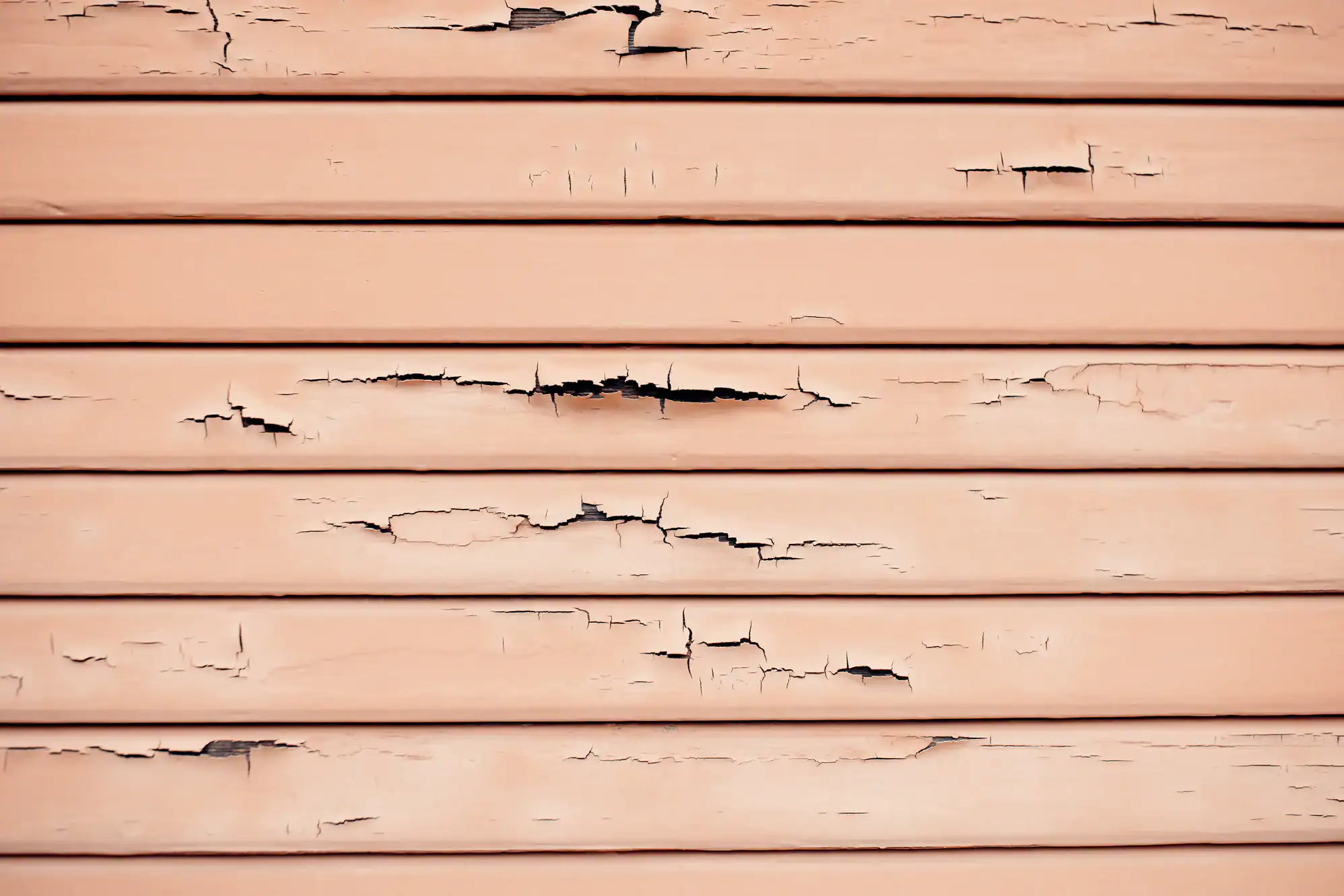
When salt-laden moisture penetrates stucco and evaporates, it leaves behind salt crystals. Over time, these crystals expand and cause the stucco to crack. Salt can make stucco more porous, leading to water retention that weakens the structure.
This is why you might notice that your neighbor’s house, painted the same time as yours, already shows signs of wear while yours looks fine—or vice versa. The difference often comes down to using materials specifically designed for coastal conditions versus generic solutions.
Homes within a few steps of the beach could realistically expect annual or biennial maintenance to painted surfaces. The most important thing to do is catch the damage early. Careful and frequent inspections of coastal home exteriors help prevent costly repairs.
Think of it like sunscreen—you wouldn’t use regular lotion at the beach and expect the same protection. Your home’s exterior needs that same specialized approach to handle what the ocean throws at it.
When stucco isn’t installed correctly for coastal conditions, water gets in, mold develops, and homeowners face expensive repairs. What starts as a small crack or discolored patch can quickly escalate into structural problems that affect your home’s value and safety.
If water gets trapped between stucco and your house, mold and other damage can occur. The end result is not only will the crack need to be repaired, but even more stucco may need to be chipped away to release the trapped water or dry out moisture wherever the water traveled to. Usually, a bubble will appear to indicate trapped water.
We’ve seen homeowners spend $15,000 or more on repairs that could have been prevented with a $2,000 maintenance investment. The math is simple, but the emotional cost of discovering extensive damage in your home is something no homeowner should have to experience.
Mold can appear within 24–48 hours of water exposure. Prompt restoration greatly reduces the risk of mold infestations, which can trigger allergies and respiratory problems. This isn’t just about property damage—it’s about your family’s health and wellbeing.
Want live answers?
Connect with a MRH Pro Construction & Painting expert for fast, friendly support.
Poor drainage is often the root cause of water damage in coastal homes. Your lawn should slope away from your home’s foundation to prevent water from pooling around it. When the grading is off, water can accumulate and cause significant damage to your foundation and landscaping.
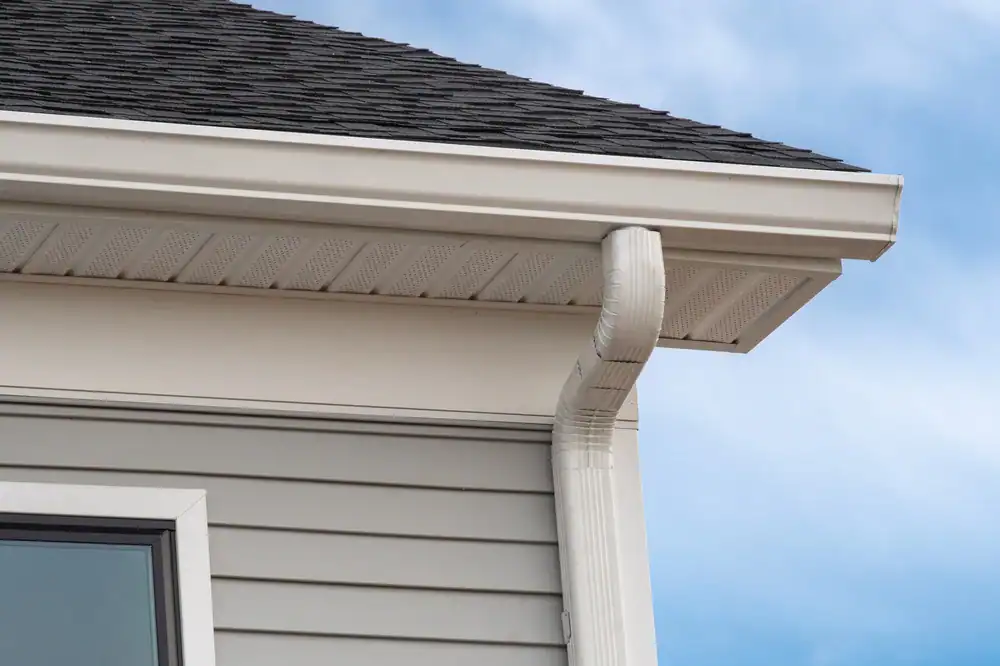
Gutters and downspouts play a vital role in managing roof runoff. They channel rainwater away from your home’s foundation and prevent water from pooling around the base, which could lead to flooding or structural damage. Install seamless gutters to reduce the risk of leaks and ensure they are large enough to handle heavy rainfall.
The key is creating a system that works with Oceanside’s weather patterns, not against them.
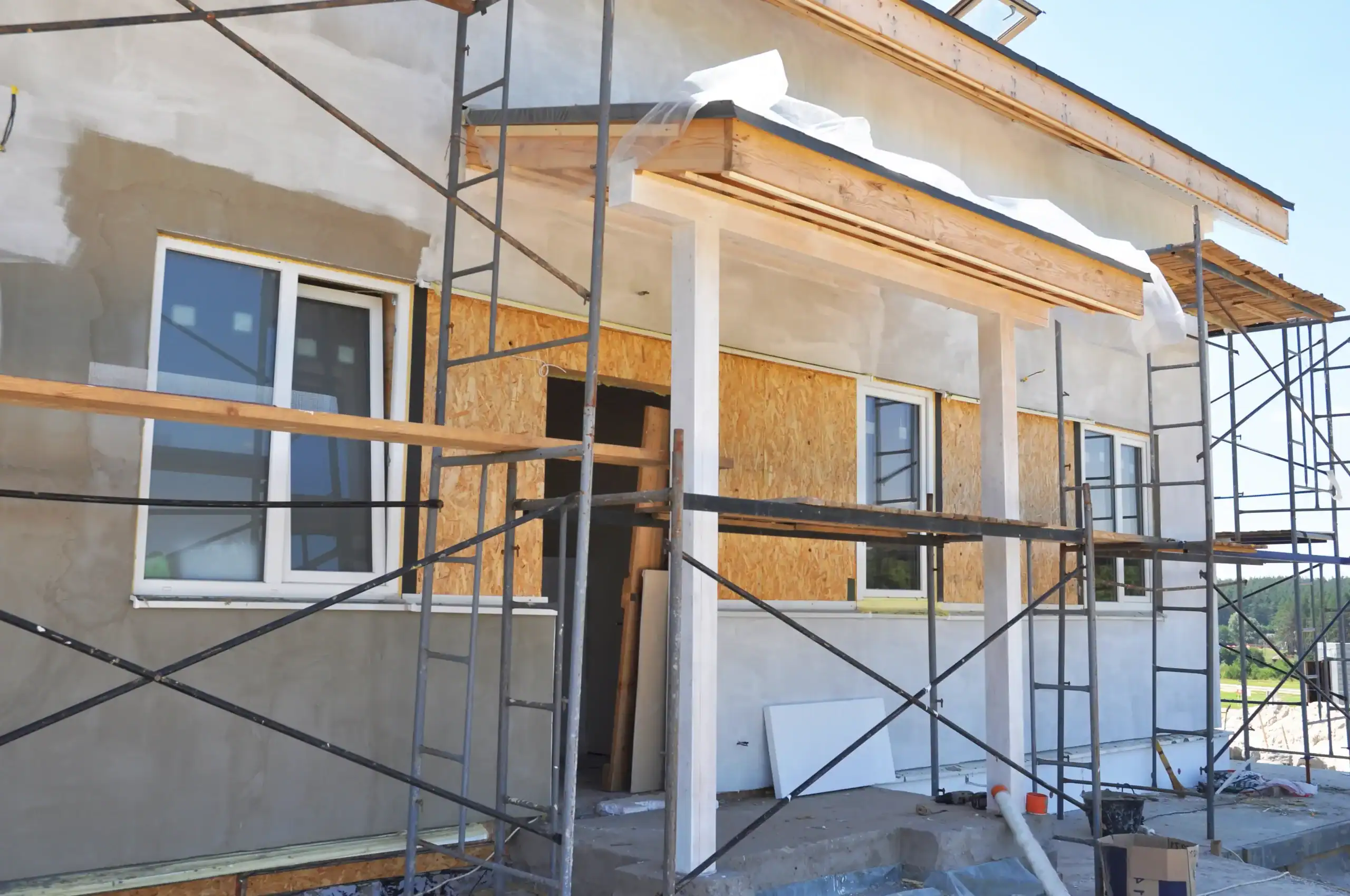
A French drain is a simple yet effective solution for redirecting water away from your property. It consists of a trench filled with gravel and a perforated pipe that channels water away from affected areas.
These systems work particularly well in Oceanside because they handle both surface water from rain and the constant moisture that salt air brings. This drainage system consists of a trench filled with gravel or rock containing a perforated pipe that redirects surface water and groundwater away from an area. French drains are particularly useful in areas prone to flooding or where water tends to pool. By allowing water to flow through the gravel and enter the perforated pipe, the system channels water away from the problematic area.
The beauty of French drains is their simplicity and effectiveness. They don’t require electricity, they work 24/7, and when properly installed, they can last decades with minimal maintenance. For Oceanside homes dealing with both seasonal rains and year-round humidity, they provide consistent protection.
Blocked rain gutters and downspouts are another frequent culprit. If rain runoff from your roof pools near the foundation, it can lead to severe issues. Make sure your gutters are clear and that downspouts are directing water far enough away from your home.
We recommend extending downspouts at least 6 feet from your foundation, and in some cases, connecting them directly to a French drain system for maximum protection.
Grading involves reshaping the land to ensure water flows away from your home. Proper grading is often the least expensive and most effective solution for poor drainage. In Oceanside’s sandy soil conditions, this becomes even more critical because water can move unpredictably.
One common approach is to create a gentle incline away from the house, ensuring water flows naturally towards a designated drainage area. This can be part of a detailed backyard drainage system designed to manage water efficiently. Using the best backfill for wet areas, such as gravel or crushed stone, can improve water movement and prevent pooling.
The goal isn’t to create dramatic slopes that look unnatural. A gentle 2% grade away from your foundation is usually sufficient to direct water where you want it to go. This means for every 10 feet away from your house, the ground should drop about 2.4 inches.
Dry wells are underground structures designed to collect and disperse excess water. They consist of a large, porous container buried in the ground and covered with soil. Water is directed into the dry well, where it slowly infiltrates the surrounding soil. Dry wells are particularly useful for managing runoff from roofs, downspouts, and other areas where water tends to accumulate. They help prevent surface flooding and reduce the burden on other drainage systems.
For coastal properties, combining proper grading with strategic landscaping creates multiple layers of protection against water damage.
Regular coastal stucco maintenance is essential for keeping your home in top shape. Monthly: Rinse stucco surfaces with fresh water to remove salt buildup. Every 6 Months: Inspect for cracks, chips, or signs of erosion. Reapply a protective sealant if needed. Annually: Consider repainting or recoating stucco surfaces to maintain protection against salt exposure.
The reality is that coastal homes require more attention than inland properties, but the investment pays off in avoided repairs and maintained property values. Getting it right the first time, using materials and techniques specifically chosen for Oceanside’s unique environment makes all the difference between a home that weathers the years gracefully and one that becomes a constant source of expensive problems.
When you’re ready to protect your home with professional exterior waterproofing and drainage solutions designed for coastal conditions, we bring 16 years of experience working specifically with Oceanside’s challenging environment.
Article details:
Share:
Continue learning: