San Diego's exterior painting scene is shifting toward warm neutrals, climate-resistant finishes, and colors that actually perform in coastal conditions—not just look good for a season.
Share:
Summary:
If you drive through neighborhoods like La Jolla or North County right now, you’ll see it: the Great Warming. Those stark, blinding whites that used to dominate are being evicted in favor of “San Diego Sandy” tones. We’re seeing a surge in soft beiges, warm taupes, and creamy off-whites that feel like a warm hug rather than a cold clinic.
There is a sneaky, practical reason for this shift beyond just looking sophisticated. Pure white is a magnet for “marine layer grime” and inland dust—within six months, a white house can look like it needs a shower. Warmer neutrals hide the daily dust of San Diego living much more gracefully, giving you a home that looks fresh even if you haven’t power-washed it since the last Padres win.
The psychology here is also “biophilic,” which is just a fancy design word for “it matches the dirt outside.” By pulling colors from our local canyons and beaches, these earthy tones make your home feel like it grew out of the landscape. It’s a grounded, intentional look that says, “I live in paradise and my house knows it.”
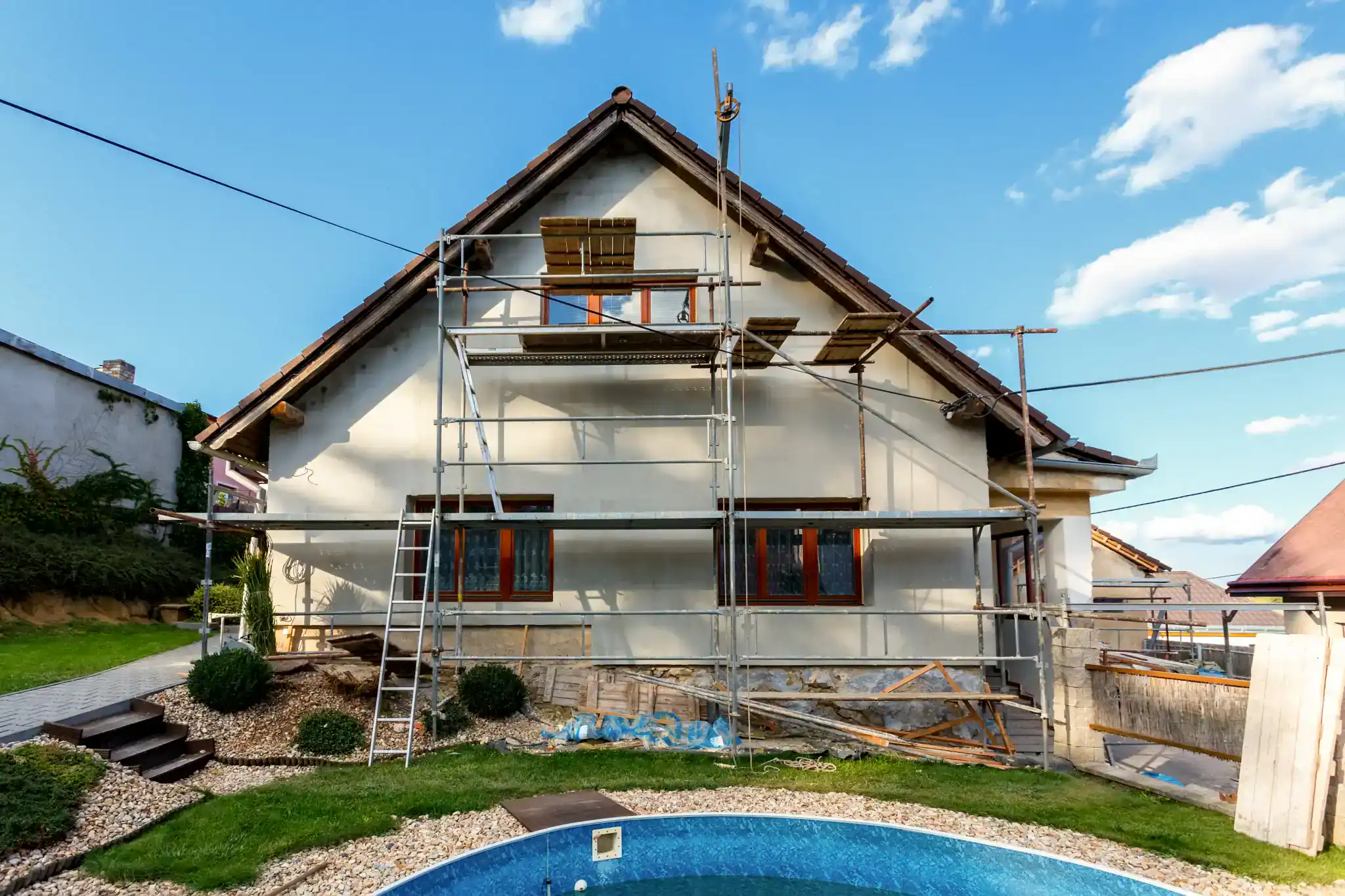
In San Diego, picking a dark color for your main field isn’t just a bold design choice—it’s an invitation for a higher FPL bill. Dark colors like charcoal or navy act like thermal sponges, soaking up that 2:00 PM sun and radiating heat directly into your living room. In our climate, your house shouldn’t be a solar oven unless you’re planning on baking cookies in the hallway.
Light colors, on the other hand, act like a high-end pair of sunglasses. They reflect the solar radiation back into the atmosphere, keeping your exterior surface temperature significantly lower. Homeowners using reflective, light-colored coatings have seen cooling cost reductions of up to 20%. That is real money you could be spending on fish tacos instead of air conditioning.
Then there is the “Chalking” factor. Darker pigments break down much faster under intense UV bombardment. That sophisticated deep teal can turn into a dusty, chalky mess in just a few years on your sun-exposed elevations. Lighter tones have a much longer “shelf life” in the San Diego sun, meaning you won’t have to call your painter back for a re-do quite as often.
Not all neutrals are created equal when you’re dealing with San Diego’s “Microclimate Roulette.” If you’re coastal, you want “Cool Warms”—think sandy beige with a hint of grey to play nice with the blue marine layer. If you’re inland where the light is sharper and more yellow, you can lean into richer ochres and terracottas that can actually handle the “high-def” sunshine without looking washed out.
The “Modern Farmhouse” look is also evolving for 2026. Instead of the high-contrast black and white, we’re seeing “Oatmeal and Iron.” This pairs a warm, creamy oatmeal field color with dark, moody accents on the shutters or front door. It’s a softer, more livable version of the trend that doesn’t feel like a cookie-cutter development in the middle of a drought.
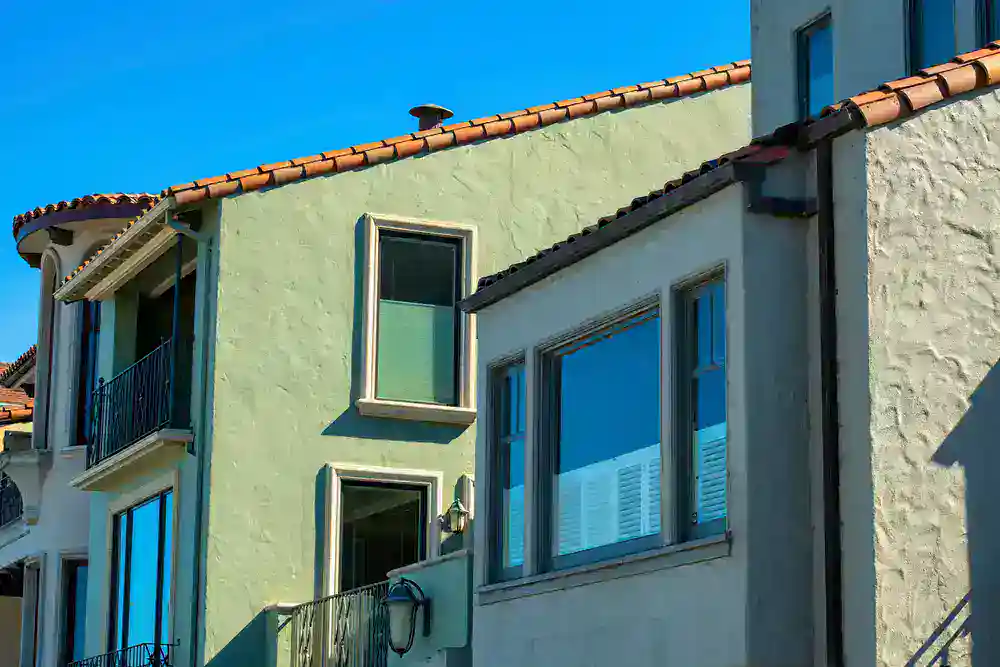
Mediterranean Revival is also having a “grown-up” moment in Point Loma and Mission Hills. Gone are the bright, “taco shop orange” tones, replaced by sophisticated terracotta-whites and muted clay. These colors have been tested for centuries in similar climates like Italy and Spain, so we know they have the DNA to survive a San Diego summer while looking like a five-star resort.
Want live answers?
Connect with a MRH Pro Construction & Painting expert for fast, friendly support.
Choosing the right color is only half the battle; the finish is where the real “boring but important” engineering happens. In 2026, San Diego homeowners are finally realizing that “standard exterior paint” is a myth. For our stucco-heavy landscape, you need a finish that has more “stretch” than your favorite yoga pants—something we call elastomeric coatings.
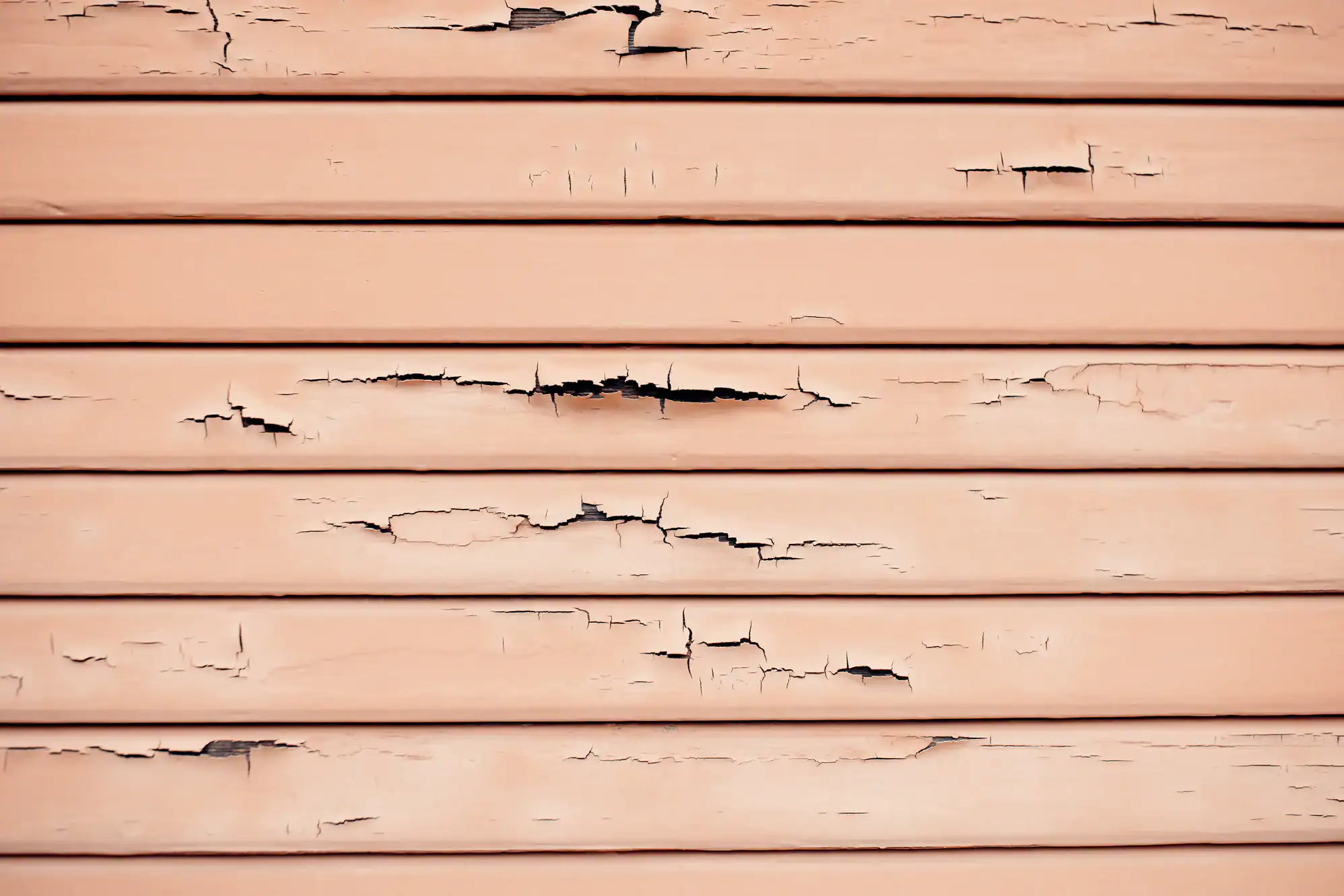
Stucco is notorious for developing “spider cracks” as it settles and reacts to temperature swings. A high-quality acrylic latex or elastomeric finish creates a flexible membrane that bridges those tiny cracks, stopping water from getting in and causing a moldy disaster. It’s essentially a waterproof jacket for your house that still lets the walls “breathe” out vapor so they don’t get soggy.
Matte and flat finishes are also winning the popularity contest this year. Not only do they look more modern and “custom,” but they are actually better at hiding the imperfections that San Diego sun loves to highlight. Glossy finishes can make your walls look like an orange peel under direct light; matte finishes absorb that light, making your home look smoother and more expensive.
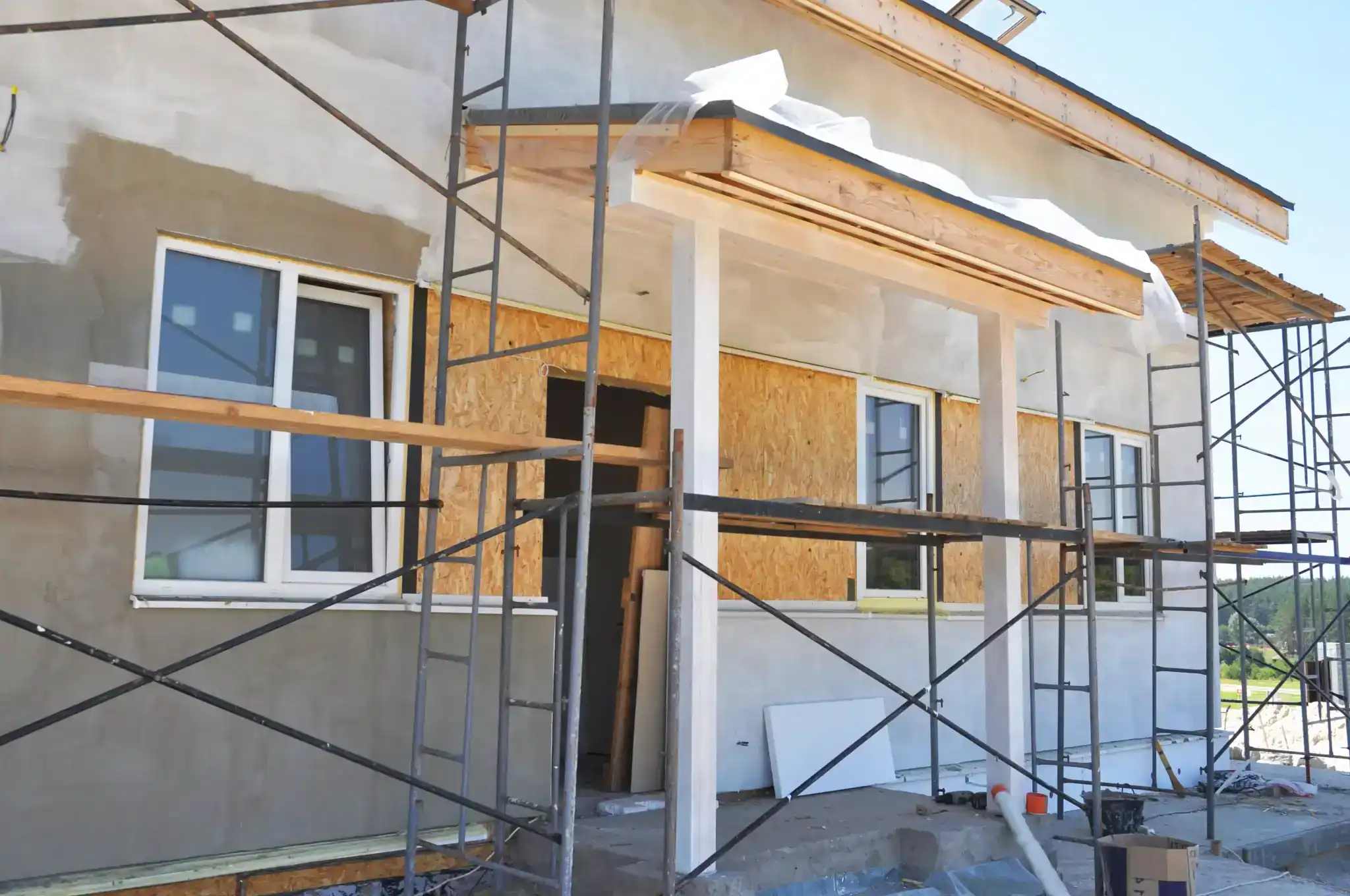
Think of premium paint as SPF 50 for your home’s “skin.” Quality brands now pack their formulations with advanced UV inhibitors that absorb ultraviolet rays before they can destroy the binder system of the paint. Without these, the paint binders literally evaporate, leaving the color pigments loose and ready to blow away in the wind (that’s the white dust you see on old paint).
Investing in top-tier paint is the ultimate “buy once, cry once” scenario. Builder-grade paint is essentially tinted water with a prayer attached; it will look great for the escrow period and then fail before your first anniversary. Premium lines from Benjamin Moore or Sherwin-Williams have higher resin counts, meaning the color stays locked in and the protective barrier remains intact for up to 15 years.
In San Diego, your south and west-facing walls are the front lines of this UV war. Smart homeowners are now asking for “high-reflectance” coatings specifically for those elevations. It’s a specialized approach that treats different parts of the house based on how much sun they eat, ensuring you don’t have one wall that looks ten years older than the rest of the house.
If you’re lucky enough to hear the waves from your bedroom, you’re also “lucky” enough to deal with salt-water aerosol. Salt is a tiny, corrosive hitchhiker that lives in the morning fog and lands on your paint, attracting moisture like a magnet. This leads to the “blistering” effect where paint starts to look like it has bubbles under the skin—a sure sign your coating has lost its grip.
Coastal defense starts with the preparation. You can’t just paint over the salt; you have to surgically remove it with a specialized wash. Once clean, we use marine-grade sealants at every junction where the stucco meets the trim. In coastal San Diego, a “good enough” caulk job will last about six months before the salt air finds a way in and starts eating your wood framing for breakfast.
Mildew resistance is the final piece of the coastal puzzle. The combo of morning moisture and mild temps is basically a “Tinder for Mold.” Quality exterior paints for 2026 include built-in mildewcides that make your walls a very unattractive place for algae and mold to set up camp. It keeps your warm neutrals looking crisp and prevents that “unintentional camo” look that comes from green mold streaks.
The trends of 2026 are clear: San Diego is going warm, earthy, and high-tech. By choosing warm neutrals, you’re embracing a look that hides the dust and matches the beauty of our canyons. By insisting on UV-inhibitor finishes and heat-reflective colors, you’re making a savvy financial move that protects your property value and lowers your energy consumption. It’s the rare moment where the “fashionable” choice is also the “frugal” one.
Your home isn’t just a place to sleep; it’s likely your biggest investment. Treating it to a climate-ready paint job is the easiest way to ensure it stays healthy and beautiful for the next decade. Don’t let the San Diego sun win the battle—arm your home with the right colors and the latest “stretch” finishes to keep it looking legendary.
At MRH Pro Construction & Painting, we’ve spent 16 years studying the San Diego sun so you don’t have to. We bring the right prep, the direct crews, and the best local knowledge to every bucket of paint.
Article details:
Share:
Continue learning: