Not all energy-efficient windows perform the same — especially in San Diego County. Here's what Low-E glass actually does, and why installation quality matters just as much as the product.
Share:
Summary:
If your energy bills have been climbing and certain rooms in your house never quite cool down no matter how long the AC runs, your windows are probably a bigger part of the problem than you think. According to the U.S. Department of Energy, heat gain and heat loss through windows account for 25 to 30 percent of what you spend on heating and cooling every year. That’s not a small number.
The fix isn’t complicated, but it does require understanding what you’re actually buying — because “energy-efficient windows” gets thrown around by every contractor and manufacturer in the business, and not all of it means the same thing. Let’s start with the technology that actually does the work. Energy-efficient vinyl windows can be a practical option for improving insulation and reducing unwanted heat transfer.
Low-E stands for low-emissivity. It refers to a microscopically thin metallic coating applied to window glass that reflects heat while still allowing natural light to pass through. The coating is so thin it’s invisible to the naked eye — we’re talking thinner than a human hair — but the effect on your home’s thermal performance is significant.
The way it works is straightforward. Glass on its own absorbs heat and radiates it in both directions — into your home in summer, out of it in winter. The Low-E coating interrupts that process by reflecting infrared heat back toward its source. In summer, that means solar heat stays outside. In winter, the heat your HVAC system generates stays inside where it belongs.
There are two main types worth knowing about. Hard-coat Low-E is applied during the glass manufacturing process, making it more durable and suitable for all climates. Soft-coat Low-E is applied after the glass is produced and offers better thermal control — it’s the more common choice in high-performance windows today and is applied between the panes, which protects it from damage and keeps it virtually invisible from inside or outside the home.
A double-pane window creates an insulating space between two layers of glass, but what fills that space matters more than most people realize. Standard windows use dry air. Higher-performing windows use argon gas — and there’s a real reason for that.
Argon is a dense, inert gas that occurs naturally in our atmosphere. Because it’s denser than air, it slows the conductive transfer of heat between the two panes of glass. That means less heat sneaking through in summer and less heat escaping in winter. It’s factory-sealed into the window unit during manufacturing, it’s non-toxic, and it doesn’t degrade under normal conditions. When you see “Low-E argon windows” on a product spec sheet, you’re looking at a window that combines the reflective benefits of the Low-E coating with the insulating benefits of the gas fill — and those two technologies working together is what gives modern replacement windows their real efficiency advantage.
For homeowners in inland San Diego County communities like Escondido, El Cajon, Santee, or Lakeside, where summer temperatures can push well past 90 degrees and stay there for months, the argon fill is more than a nice-to-have. It’s a meaningful part of what keeps your cooling costs from spiraling. The combination of Low-E coating and argon fill can reduce radiant heat gain by 50 to 70 percent compared to standard clear glass — which translates directly to a cooler home and a lower monthly bill.
One thing worth addressing directly: some homeowners worry that Low-E windows will look tinted or darken their rooms. Modern soft-coat Low-E applied between panes is essentially transparent. It doesn’t affect how much visible light comes through in any meaningful way. Your rooms won’t look darker. The glass won’t look green or bronze. What you’ll notice is that the room stays more comfortable — not that anything looks different.
Not every double-pane window with a Low-E coating performs at the same level, and this is where a lot of homeowners get misled. A basic double-pane unit with a hard-coat Low-E and an aluminum spacer can have a U-factor — the measure of how well a window insulates — of 0.40 or higher. California’s Title 24 energy code, updated effective January 1, 2026, requires a maximum U-factor of 0.30 and a maximum Solar Heat Gain Coefficient (SHGC) of 0.23 for permitted window replacements statewide. A window that doesn’t meet those numbers isn’t just underperforming — it’s non-compliant.
High performance glazing windows close that gap. Triple Silver Low-E is the most advanced coating technology currently available, offering optimal solar control and thermal performance in a single unit. Paired with warm-edge spacers — which reduce heat transfer at the glass edge and minimize condensation — and argon or krypton gas fills, these windows can achieve U-factors well below 0.30 and SHGC values that make a real difference in homes with significant solar exposure.
For most San Diego County homeowners, a quality Low-E argon double-pane unit that meets Title 24 requirements is the right call. Triple-pane windows exist and perform well in cold climates, but in San Diego County’s climate — even in the hotter inland zones — the marginal improvement over a properly specified double-pane rarely justifies the added cost. Where high-performance glazing genuinely earns its price is in homes with large west- or south-facing windows that take direct afternoon sun for hours, or in inland communities where summer cooling loads are especially high.
The key metric to focus on for San Diego County is SHGC. Coastal communities can tolerate a slightly higher SHGC since temperatures stay milder, but inland zones benefit most from SHGC values at or below 0.23 — especially on sun-exposed elevations. U-factor matters too, but in a climate where you’re running the AC far more than the heat, solar heat gain is typically the bigger driver of discomfort and energy cost.
Want live answers?
Connect with a MRH Pro Construction & Painting expert for fast, friendly support.
Here’s something a lot of San Diego County homeowners don’t realize until they’re already in the middle of a project: window replacement in California is a permitted activity, and the windows you install must meet specific performance standards under Title 24 of the California Energy Code. This isn’t optional, and it isn’t just a formality.
The 2026 update to Title 24 sets a maximum U-factor of 0.30, a maximum SHGC of 0.23, requires double-pane glass at minimum, and mandates a Low-E2 coating on all replacement windows statewide. Low-E double pane windows that meet these specs are the legal baseline — not a premium upgrade. Any window replacement that doesn’t go through the permit process leaves you with unpermitted work that can create serious problems when you sell your home, affect your homeowner’s insurance coverage, and in some cases result in stop-work orders with daily fines that can exceed what the permit would have cost in the first place.

Yes — and in San Diego County, the savings tend to be more meaningful than in most other U.S. markets, for a specific reason. SDG&E consistently ranks among the highest-cost residential electricity providers in the country. That means every unit of energy your home wastes costs you more here than it would almost anywhere else. When you reduce how much heat is entering your home through the glass, the savings per kilowatt-hour are larger than the national averages suggest.
The EPA’s ENERGY STAR program estimates that replacing old windows with ENERGY STAR certified units reduces household energy bills by an average of up to 13 percent. San Diego County homeowners can realistically expect to save in the range of $10 to $50 per month depending on the size of the home, the number of windows being replaced, and how inefficient the existing windows are. For homes in Escondido, Poway, or Santee running air conditioning from May through October, those monthly savings add up fast.
There’s also a federal tax credit currently available through the end of 2025: homeowners who install qualifying energy-efficient windows can claim 30 percent of the cost, up to $600, on their federal taxes. That’s a real reduction in the net cost of the project, and it’s worth factoring into any comparison between replacing now versus waiting. If you’re planning a window replacement project this year, this is worth discussing with your tax advisor before the credit window closes.
Beyond the monthly savings, the 2024 Cost vs. Value Report found that vinyl window replacement recoups approximately 67 percent of its cost in the selling price of a home. Energy-efficient windows aren’t just a comfort upgrade — they’re a documented contributor to resale value in a market where buyers are increasingly aware of energy costs.
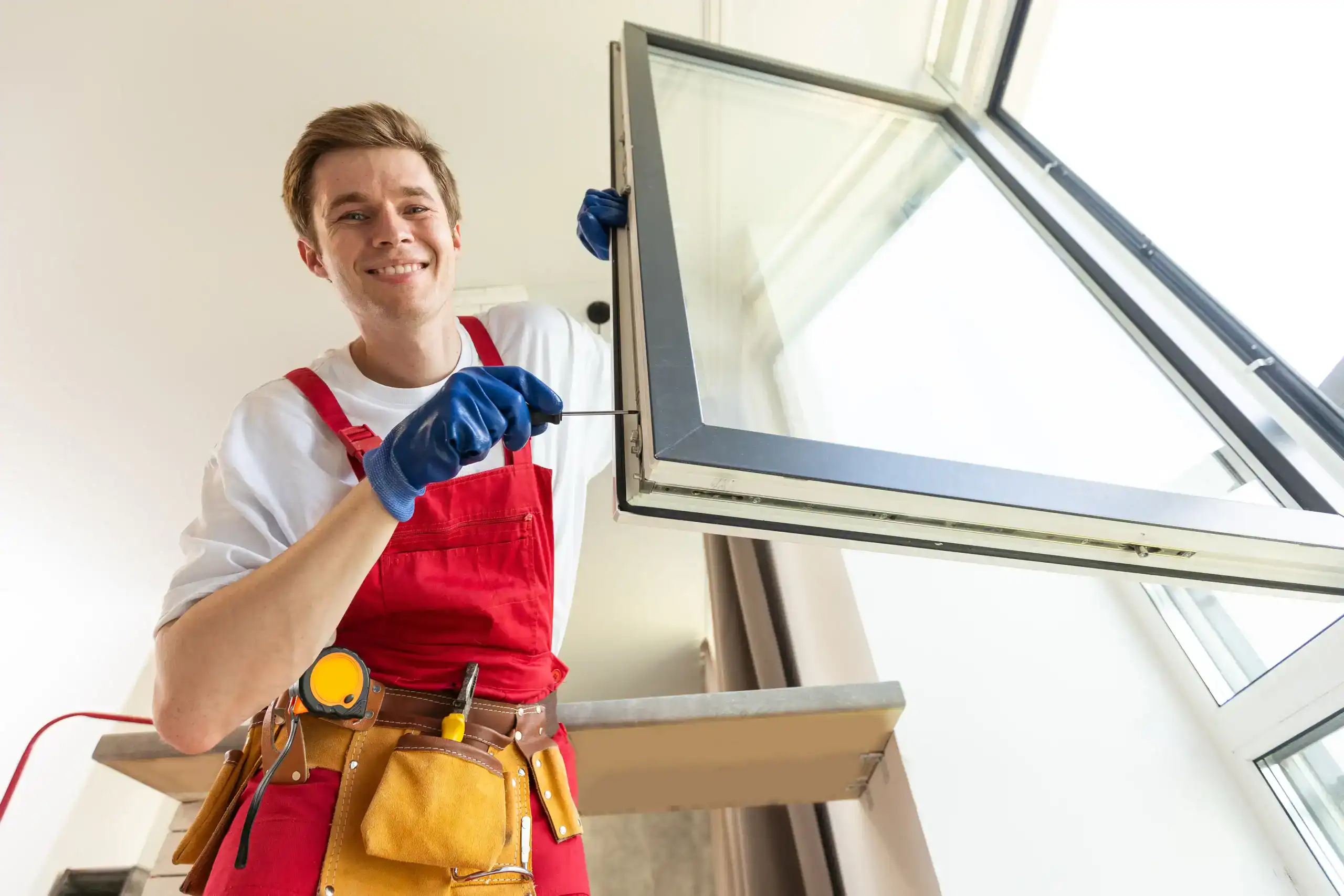
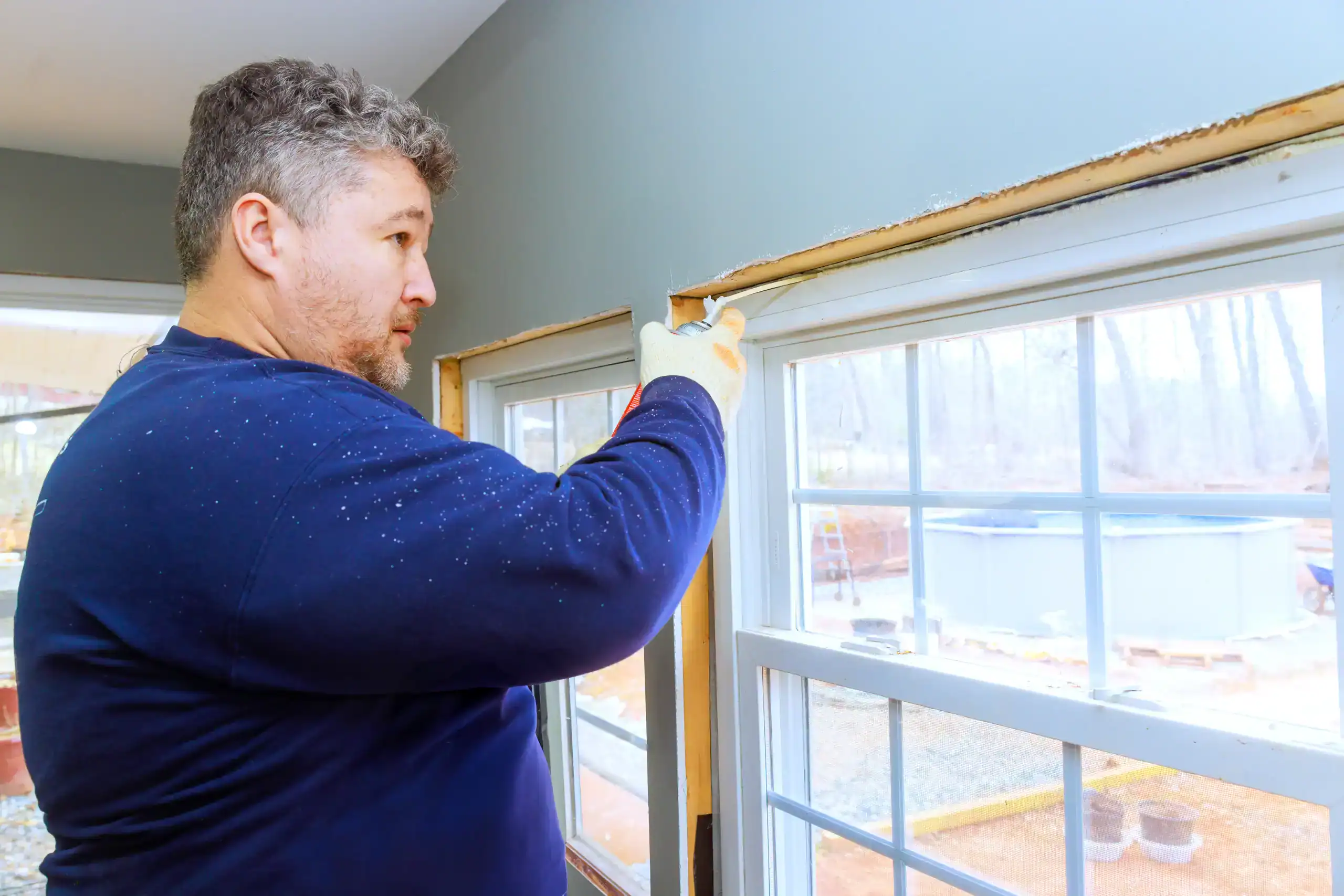
Even the most precisely specified Low-E argon double-pane window — one that checks every Title 24 box and carries every ENERGY STAR certification — can fail within a few years if it’s installed wrong. Improper sealing leads to air leakage. Air leakage means drafts, moisture infiltration, and condensation between the panes. Condensation between the panes means the argon seal has failed and the insulating gas is gone. At that point, you have an expensive window performing like a basic single-pane unit, and the savings you were counting on are gone with it.
We’ve been doing exterior remodeling in San Diego County for 16 years, and we’ve seen this play out more times than we’d like. A homeowner invests in good windows, the contractor subs the installation out to whoever is available that week, and the job gets done fast but not right. No one is accountable because the person who sold you the windows isn’t the person who installed them, and the person who installed them doesn’t have a long-term stake in how the project holds up.
That’s why we use our own trained crew for every installation — no subcontracting, no handoffs to unknown third parties. The same team that walks your property and gives you an estimate is the team that shows up to do the work. We also handle all permits and inspections for San Diego County, which means the project is fully compliant, properly documented, and protected from the kinds of issues that surface years later during a home sale or insurance claim.
San Diego County’s climate adds another layer to this. Coastal homes in Encinitas, Carlsbad, or La Jolla face salt air and marine humidity that stress window frames and seals over time — frame material selection and installation quality both matter more in those environments. Inland homes in Escondido or El Cajon face thermal expansion and contraction cycles that can compromise a poorly installed seal faster than you’d expect. Knowing which materials hold up in which conditions, and installing them correctly the first time, is what 16 years of working in this specific market looks like in practice.
The technology behind Low-E glass and argon-filled double-pane windows is well-established and genuinely effective — but only when the right product is matched to your home’s specific conditions and installed by someone who knows what they’re doing. In San Diego County, that means understanding the difference between a coastal spec and an inland spec, knowing what Title 24 requires, and working with a contractor who handles the permit process rather than leaving it to you.
If your windows are older, your energy bills are higher than they should be, or you’re noticing rooms that never quite reach a comfortable temperature, it’s worth having a conversation about what replacement would actually look like for your home.
We serve San Diego County from our base in Escondido. We’re available Monday through Friday, 7am to 5pm, and you can reach us by phone or text at 619-481-7245. We offer a 10% discount for military and senior customers, and there’s no contract required — you can cancel anytime.
Article details:
Share:
Continue learning: