High energy bills, foggy glass, drafts near the frame — San Diego County homes face window problems that most guides don't account for. Here's what actually matters in this climate.
Share:

Summary:
If your SDG&E bill keeps climbing and your windows are original to the house, there’s a good chance those two things are connected. Windows account for 25 to 30 percent of a home’s heating and cooling energy use, according to the U.S. Department of Energy — and in San Diego County, where utility rates rank among the highest in the nation, that inefficiency hits your wallet harder than it would almost anywhere else.
This page covers what energy efficient windows actually are, how the ratings work, what makes San Diego County’s climate different from the national average, and what a legitimate replacement project looks like from start to finish.
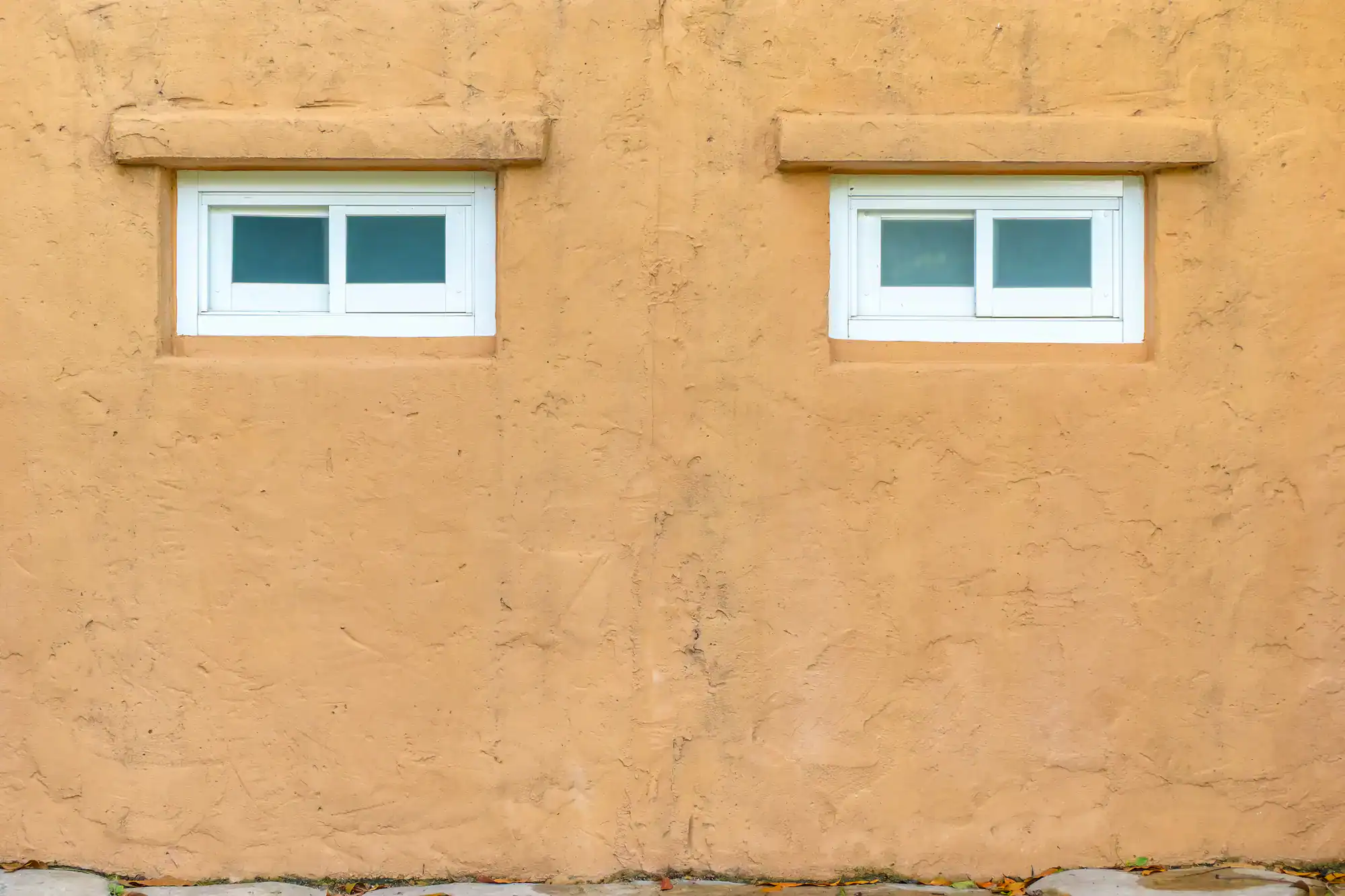
Low-e stands for low-emissivity. It refers to a microscopic metallic coating applied to the glass surface that reflects infrared radiation — heat — while still allowing visible light to pass through. The result is a window that keeps solar heat out in summer and slows heat loss in winter, without noticeably darkening the room.
Modern low-e coatings are designed to filter UV and infrared light while maintaining high visible light transmittance. You get the natural light without the heat that comes with it.
For San Diego County homes, low-e glass isn’t a premium upgrade — it’s the standard. Inland communities like Escondido, El Cajon, Santee, and Ramona regularly see summer highs in the 95 to 105°F range. A window without a low-e coating in those areas is essentially a solar heater pointed at your living room. Even coastal areas in Encinitas, Carlsbad, and Oceanside benefit from low-e glass, because the coating also slows UV-driven fading of flooring, furniture, and finishes.
Low-e coatings are typically applied to one of the interior glass surfaces in a double-pane unit. The specific placement — surface 2 or surface 3 in a double-pane assembly — affects whether the coating is optimized more for solar control or for insulation. In San Diego County’s cooling-dominated climate, a coating optimized for solar control (surface 2) is generally the right call for inland homes. A contractor who understands the difference will specify accordingly.
Triple-pane windows get a lot of attention, and in Minnesota or Colorado they earn it. But in San Diego County, the math is different. Triple-pane windows add cost, weight, and structural load — and the performance gain over a quality double-pane low-e argon window is minimal in a climate that rarely sees freezing temperatures.
The sweet spot for most San Diego County homes is a double-pane unit with a low-e coating and argon gas fill. Argon is a dense, inert gas that slows heat transfer between the panes better than air. Combined with a low-e coating, this configuration delivers an effective R-value in the range of 3 to 4 — compared to roughly R-1 for a single-pane aluminum window. That’s three to four times the insulating performance, which translates directly into reduced air conditioning load during Escondido’s hottest months.
Where triple-pane windows do make sense locally is in homes with significant north-facing exposure, in higher-elevation communities like Julian or Alpine where winter temperatures drop more sharply, or in commercial applications where acoustic performance is also a priority. For the majority of San Diego County’s residential housing stock — particularly the 1960s through 1990s construction that dominates Escondido, La Mesa, and Santee — double-pane low-e argon is the right specification.
The frame material affects performance too. Vinyl frames have become the dominant choice for energy efficient replacement windows in California because they don’t conduct heat the way aluminum does. Aluminum frames, even with a thermal break, lose more energy through the frame itself. Fiberglass frames perform similarly to vinyl but at a higher price point. For most residential replacements in San Diego County, vinyl is the practical, cost-effective standard.
Want live answers?
Connect with a MRH Pro Construction & Painting expert for fast, friendly support.
Understanding the technology is one thing. Understanding what it actually takes to get new windows installed — correctly, legally, and without a headache — is another.
Window replacement in San Diego County falls into two categories: insert replacement (also called pocket replacement) and full-frame replacement. Insert replacement fits a new window unit into the existing frame opening, which works well when the existing frame is structurally sound. Full-frame replacement removes everything down to the rough opening and starts fresh — necessary when frames are rotted, corroded, or when the opening size is changing.
California requires permits for window replacement projects that alter the opening size, affect the building envelope, or trigger an energy compliance review under Title 24. A licensed contractor handles that process. An unlicensed one often skips it — which creates real problems at resale when a home inspector or title company flags unpermitted work.
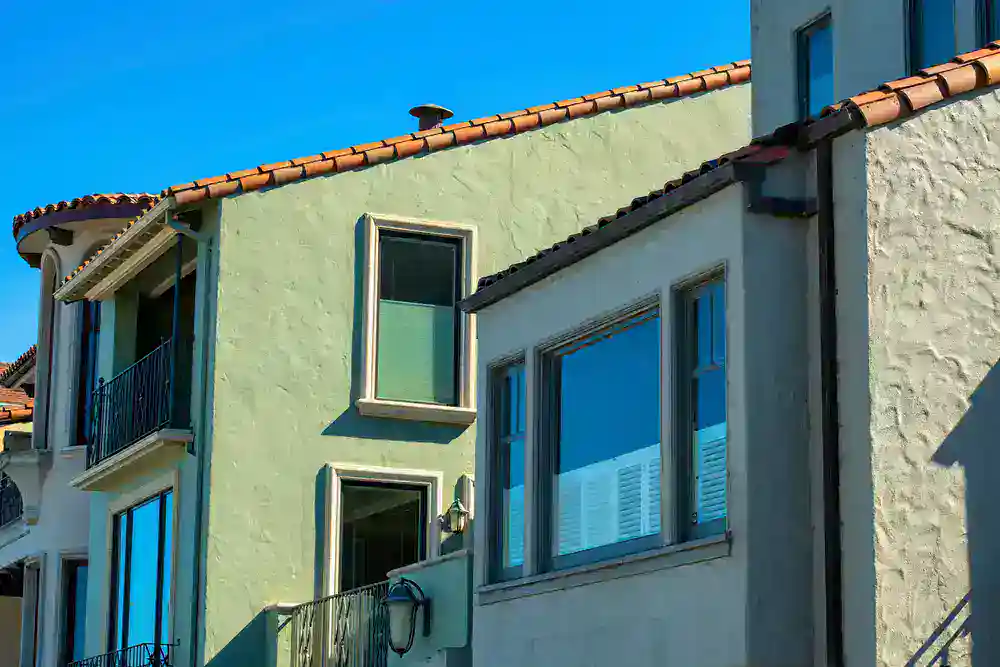
This is the part most window replacement content glosses over, and it’s worth being direct about: unpermitted window work in California is a liability. Not a technicality — an actual liability that can surface when you sell your home, file an insurance claim, or have a future inspection done.
San Diego County enforces California’s Title 24 energy standards through the local building department. When a licensed contractor pulls a permit for your window replacement, the project is reviewed for compliance with the current energy code, and a final inspection confirms the installation meets code. That documentation becomes part of your home’s permit history — which matters to buyers, lenders, and insurance carriers.
We handle all permits and inspections for window replacement projects in San Diego County. That’s not an upsell — it’s part of doing the job correctly. If a contractor quotes you a window replacement and doesn’t mention permits, that’s worth asking about directly.
The permit process creates accountability. When a project is permitted, the contractor is on record. The work is inspected by a third party. There’s a paper trail. For homeowners who’ve been burned by contractors who disappeared after the job, the permit process is one of the cleaner forms of protection available.
The window itself is only half the equation. A high-quality, ENERGY STAR-certified window installed poorly will underperform a mid-grade window installed correctly. Air sealing around the frame, proper flashing to prevent water intrusion, and correct shimming and leveling all affect how the window actually performs over time.
This is where the subcontractor model creates real risk. When a company sells you windows and then hands the installation off to a crew they don’t directly employ, accountability gets diluted fast. The salesperson doesn’t know the installer. The installer doesn’t know what was promised. If something goes wrong — a draft, a leak, a frame that’s not quite plumb — figuring out who’s responsible becomes a project in itself.
The crew that shows up to install your windows is our crew. We’ve been doing exterior remodeling in San Diego County for 16 years, and the people on your job are the same people who gave you the estimate. No handoffs, no subcontractors, no “I’ll have to check with the installer.” If something isn’t right, we’re the ones who fix it.
San Diego County’s climate adds specific installation demands that a generic crew may not account for. Coastal homes in Carlsbad, Encinitas, and Del Mar need marine-grade hardware and sealants that hold up against salt air and humidity. Inland homes in Escondido and El Cajon need window specifications matched to Climate Zone 10 — the most heat-intensive climate zone in the county. Getting those details right requires local experience, not just a general installation manual.
For homeowners in San Diego County considering window replacement, the federal Energy Efficient Home Improvement Credit is currently available through 2025 — covering 30% of qualifying costs, up to $600 per year for windows and skylights. That’s a real, time-limited financial incentive worth factoring into your timeline.
The right window for a home in Escondido is not the same as the right window for a home in La Jolla. Climate zone, sun exposure, frame condition, housing age, and budget all factor into what actually makes sense — and a good contractor will walk through those variables with you before recommending anything.
What matters most: a low-e double-pane unit with argon fill, matched to your climate zone’s U-factor and SHGC requirements, installed by a licensed contractor who pulls permits and uses their own crew. That combination covers the performance, the compliance, and the accountability.
If you’re in San Diego County and want a straightforward conversation about what your home actually needs, MRH Pro Construction & Painting offers free estimates with no pressure and no contract required. Active military and seniors receive a 10% discount. Reach us by call or text at 619-481-7245, Monday through Friday, 7am to 5pm.
—
**Frequently Asked Questions**
**Can I replace just the glass in a double-pane window, or do I need a full replacement?** Sometimes glass-only replacement — swapping out the insulating glass unit inside an existing frame — is a viable option when the frame itself is structurally sound and the seal has failed. This is more common in newer windows where the frame still has years of life left. If the frame is aluminum, corroded, or original to a 1970s or 1980s San Diego County home, full window replacement is usually the more cost-effective long-term call. A quick assessment of the frame condition will tell you which direction makes sense.
**Do I need a permit to replace windows in San Diego County?** It depends on the scope of the work. If you’re doing a straight insert replacement — same size, same opening, no structural changes — the permit requirement varies by jurisdiction within San Diego County. If the opening size changes, or if the project triggers a Title 24 energy compliance review, a permit is required. The safest approach is to work with a licensed contractor who knows the local requirements and handles the permit process for you. Unpermitted work that surfaces during a home sale can be costly to resolve after the fact.
**What does a window screen replacement involve?** Screen replacement is typically a straightforward swap — new mesh, new frame hardware, or a full screen unit depending on condition. It doesn’t affect energy performance directly, but damaged or missing screens can contribute to debris buildup around the frame and seal over time. Most screen replacements are handled at the same time as a full window replacement project.
**What are the most energy efficient windows available right now?** The highest-performing residential windows currently combine triple-pane glass, low-e coatings on multiple surfaces, krypton gas fill (denser than argon), and fiberglass frames. The ENERGY STAR Most Efficient designation identifies the top tier of certified products each year. That said, for most San Diego County homes, a quality double-pane low-e argon window hits the performance target at a more practical price point. Triple-pane makes more sense in colder climates where the additional insulation value pays off faster.
**What are good energy efficient windows to look for on a budget?** ENERGY STAR-certified vinyl double-pane windows with low-e glass and argon fill represent the best balance of cost and performance for San Diego County homes. Installed costs typically range from $390 to $1,128 per window depending on style, size, and whether it’s an insert or full-frame replacement. A whole-home replacement of 10 to 15 windows generally runs $8,000 to $15,000 installed. The 30% federal Energy Efficient Home Improvement Credit (up to $600 per year through 2025) can offset a meaningful portion of that cost for qualifying projects.
**What’s the best energy efficient window for my home specifically?** The honest answer is: it depends on where in San Diego County you live, the age and condition of your existing windows, and your budget. A coastal home in Oceanside has different needs than an inland home in Escondido. The best starting point is a free in-person estimate from a licensed contractor who will assess your existing windows, identify your climate zone, and recommend specifications that meet Title 24 requirements — not just whatever’s easiest to sell.
**Are affordable energy efficient windows worth it, or should I spend more?** For most San Diego County homeowners, mid-range ENERGY STAR-certified double-pane windows deliver the performance that matters — lower U-factor, low-e coating, argon fill — without the premium cost of top-tier triple-pane products. Spending more on a better frame material (fiberglass over vinyl) makes sense in coastal areas where salt air accelerates wear. But chasing the most expensive window on the market isn’t necessary to see real energy savings in San Diego County’s climate. Correct specification and quality installation matter more than buying the most expensive unit available.
Article details:
Share:
Continue learning: