Discover professional stucco solutions for San Diego County homes and businesses, from expert repairs to complete installations.
Share:
Summary:
San Diego County’s beautiful climate comes with hidden challenges for your stucco. The coastal humidity, salt air, and occasional seismic shifts create a perfect storm of potential issues.
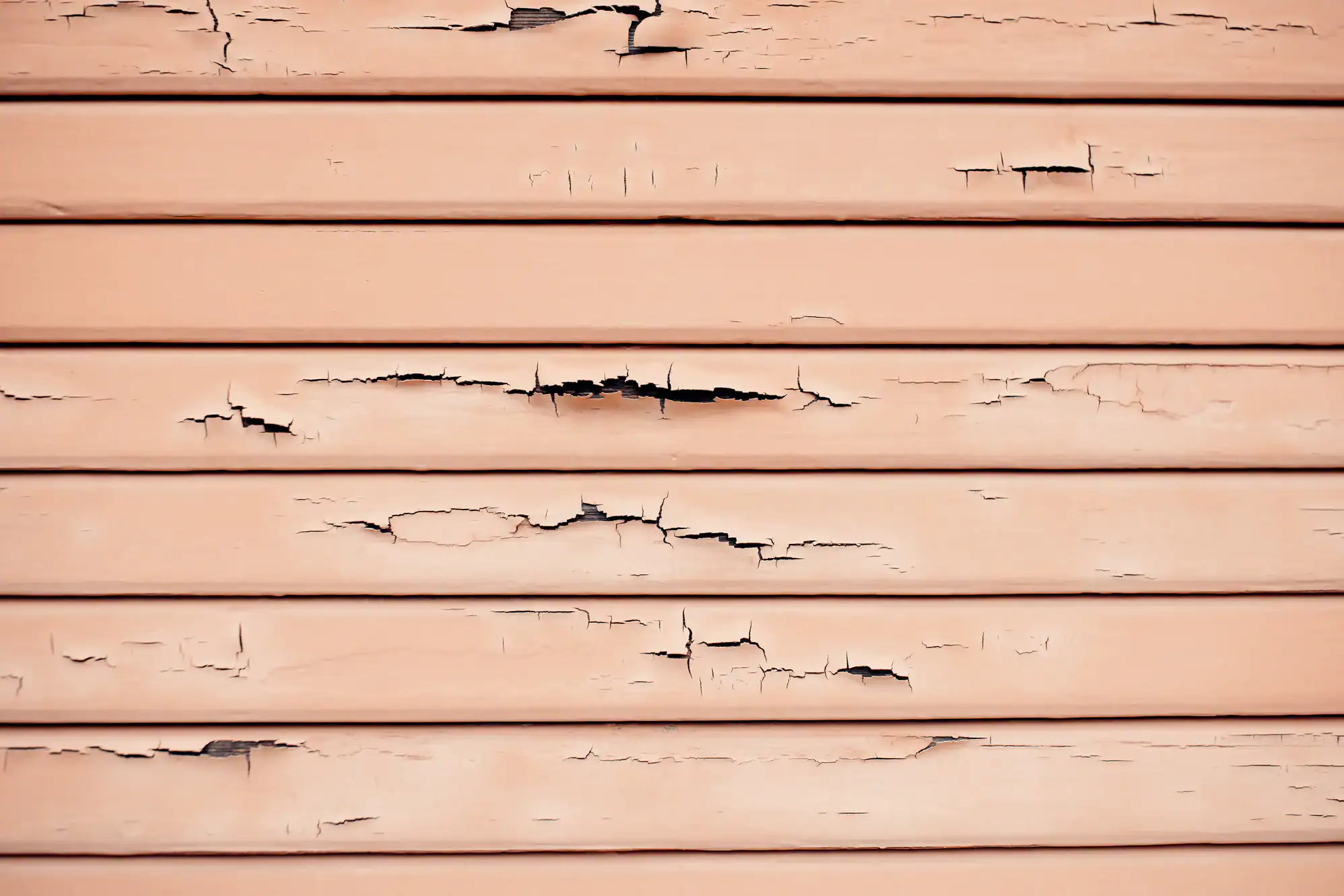
You’ve probably noticed some telltale signs already. Water stains appearing near windows or at the base of walls. Small cracks that seem to grow larger each month. Maybe you’ve spotted those white, chalky deposits that appear after rain – what professionals call efflorescence.
These aren’t just cosmetic concerns. They’re early warning signs that moisture is finding its way behind your stucco system, where it can cause serious structural damage over time.
Living near the coast means your stucco faces challenges that inland properties rarely encounter. Salt-saturated air doesn’t just affect your car’s paint job – it actively attacks the metal components within your stucco system.
When moisture-laden winds hit your exterior walls, they drive chlorides deep into the stucco matrix. These chlorides then trigger chemical reactions that corrode metal lath and weaken the cement structure itself. It’s like a slow-motion chemical attack happening right on your walls.
The result? Premature deterioration that can cut your stucco’s lifespan in half if not properly addressed. You might notice this as rust stains bleeding through the surface, or sections of stucco that feel soft or hollow when tapped.
Traditional stucco acts like a sponge during our occasional heavy rains. It absorbs significant moisture, and without proper drainage behind the system, that water has nowhere to go. It sits against your home’s structural elements, creating ideal conditions for mold growth and wood rot.
This is why you can’t just slap some paint over stucco problems and call it solved. The underlying moisture management system needs to function correctly, or you’ll be dealing with the same issues again within a few years.
Living near the coast means your stucco faces challenges that inland properties rarely encounter. Salt-saturated air doesn’t just affect your car’s paint job – it actively attacks the metal components within your stucco system.
When moisture-laden winds hit your exterior walls, they drive chlorides deep into the stucco matrix. These chlorides then trigger chemical reactions that corrode metal lath and weaken the cement structure itself. It’s like a slow-motion chemical attack happening right on your walls.
The result? Premature deterioration that can cut your stucco’s lifespan in half if not properly addressed. You might notice this as rust stains bleeding through the surface, or sections of stucco that feel soft or hollow when tapped.
Traditional stucco acts like a sponge during our occasional heavy rains. It absorbs significant moisture, and without proper drainage behind the system, that water has nowhere to go. It sits against your home’s structural elements, creating ideal conditions for mold growth and wood rot.
This is why you can’t just slap some paint over stucco problems and call it solved. The underlying moisture management system needs to function correctly, or you’ll be dealing with the same issues again within a few years.
Want live answers?
Connect with a MRH Pro Construction & Painting expert for fast, friendly support.
Quality stucco work isn’t just about mixing cement and slapping it on a wall. It’s a systematic process that addresses moisture management, proper adhesion, and long-term durability from the ground up.
The process starts with a thorough assessment of your existing conditions. We examine not just the visible damage, but the underlying structure, moisture barriers, and drainage systems that keep your stucco performing properly.
Proper preparation makes all the difference between a repair that lasts decades and one that fails within a few years.
Traditional stucco installation follows a time-tested three-coat system, but each layer serves a specific purpose that many contractors skip or rush through.
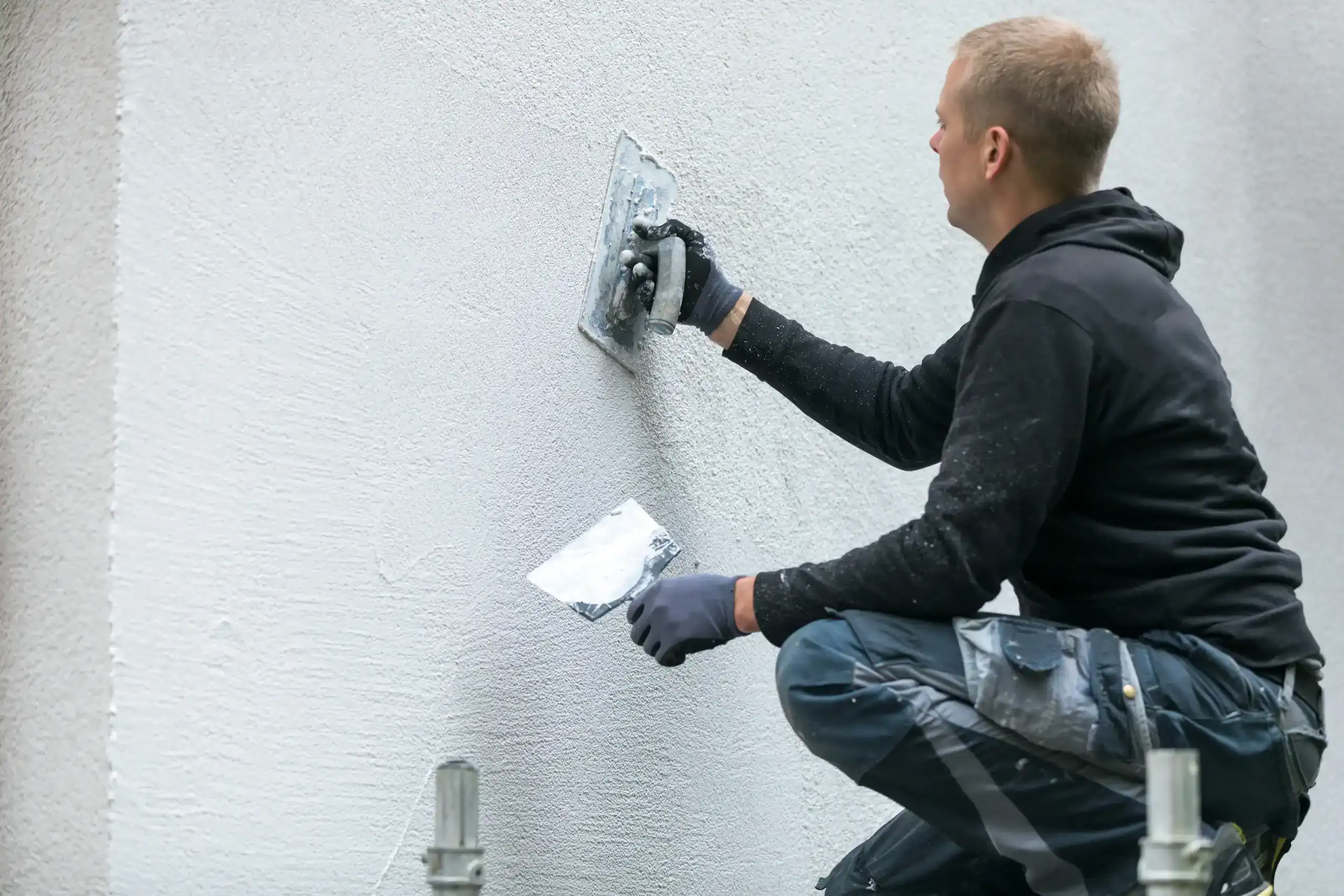
The scratch coat provides the foundation – literally. It’s applied over metal lath and scored with horizontal lines to create a rough surface for the next layer to grip. This coat needs to cure properly, which means keeping it damp for several days in our dry climate. Rushing this step creates weak spots that will fail later.
The brown coat, also called the leveling coat, creates the smooth, even surface that determines your final appearance. This is where skilled craftsmen really show their expertise. They’re not just smoothing cement – they’re creating the precise thickness and texture that will support the finish coat for decades.
The finish coat is what you see, but it’s much more than decoration. It provides the final barrier against moisture and UV damage while creating the texture and color that define your property’s appearance. This coat must be applied at the right thickness and properly cured to avoid future problems.
Between each coat, proper curing time is essential. In San Diego County’s dry climate, this often means misting the surface regularly to prevent too-rapid moisture loss. Contractors who rush this process create weak bonds that lead to premature failure.
Modern installations also incorporate proper flashing around windows and doors, weep screeds at the foundation level, and adequate drainage planes behind the stucco system. These aren’t optional extras – they’re essential components that prevent the moisture problems that plague so many local properties.
Not every stucco problem requires complete replacement, but knowing when repairs are sufficient versus when you need to start over can save you significant money and frustration.
Minor cracks, small holes, and surface damage often respond well to professional patching. The key is matching not just the color, but the texture of your existing stucco. This requires skill and experience that most homeowners don’t possess. A quality repair should be invisible once complete.
However, widespread water damage, structural movement, or installation problems often make replacement the more economical choice. If you’re dealing with multiple problem areas, or if previous repairs have failed, it’s usually more cost-effective to address the entire system properly.
Water damage is the big deciding factor. If moisture has been getting behind your stucco for an extended period, you’re likely dealing with damaged substrate, compromised moisture barriers, and potentially structural issues. In these cases, patching the surface won’t solve the underlying problems.
We can help you understand what you’re really dealing with through a professional assessment. Sometimes what looks like extensive damage on the surface has simple solutions. Other times, minor visible problems indicate major underlying issues that need comprehensive attention.
The cost difference between quality repairs and complete replacement is significant, but so is the difference in longevity and performance. A proper evaluation helps you make the choice that provides the best long-term value for your specific situation.
In San Diego County’s challenging climate, cutting corners on stucco work almost always costs more in the long run. Whether you choose repair or replacement, insist on proper moisture management and quality materials that can handle our unique environmental conditions.
Your stucco system is more than just exterior decoration – it’s a critical component of your property’s weather protection and structural integrity. In San Diego County’s unique climate, proper installation and maintenance aren’t optional extras.
The difference between amateur and professional stucco work becomes obvious within a few years. Quality work provides decades of reliable performance, while shortcuts lead to recurring problems and escalating repair costs.
When you’re ready to address your stucco needs properly, we bring 16 years of exterior remodeling experience and the specialized knowledge that San Diego County properties require.
Article details:
Share:
Continue learning: