San Diego's 2026 exterior trends favor climate-smart materials—fiber cement siding, refined stucco, earthy paint tones—over quick fixes that fail in coastal conditions. Think of it as SPF 50 for your house, but with better curb appeal.
Share:

Summary:
Drive through San Diego neighborhoods and you’ll spot the shift. Homes are getting exterior upgrades, and the materials showing up most often aren’t the same ones from five years ago.
Fiber cement has become the default choice for homeowners who don’t want to repaint every three years or replace warped sections. It handles the morning marine layer followed by an afternoon sun that hits 85 degrees without the constant drama wood siding demands or the heat-related “melting” look that vinyl can create. Working with an experienced siding contractor San Diego homeowners rely on helps ensure these materials are installed for maximum durability and performance.
Mixed materials are showing up more often too. We’re seeing a lot of “material mashups”: fiber cement as your base with stone veneer accents. Smooth panels combined with textured sections. These combinations create visual depth while letting you optimize material selection.

Fiber cement isn’t new, but how it’s being used in 2026 reflects a better understanding of what San Diego homes need. This material combines cement, sand, and cellulose fibers into something that won’t rot, warp, or become a five-star buffet for termites.
James Hardie’s HZ10 product line is the “local favorite” for San Diego County. It’s formulated specifically for high-moisture environments—exactly what you get with our marine layer and salt air. The material can last 50 years when installed correctly. Not 50 years with a weekly therapy session—just 50 years of sitting there looking good.
Installation quality determines whether you get 50 years or 10. Proper technique includes appropriate spacing for expansion and moisture barriers that work. Shortcuts erase all the material’s advantages. This is why working with contractors who understand San Diego’s climate—not just someone who owns a hammer and a truck—is the difference between an exterior that performs and one that needs a “Do Over” in 2029.
The most compelling exteriors in 2026 aren’t single-material installations. They’re thoughtful combinations that serve both aesthetic and functional purposes without looking like your house had an identity crisis.
Fiber Cement + Cedar: This pairing gives you the clean horizontal lines of lap siding with the rich texture of vertical wood. The fiber cement does the heavy lifting against the weather, while the cedar adds warmth in protected areas where it won’t get toasted by the sun.
Stone + Siding: Stone veneer at the foundation or on columns gives your home “visual weight” (and makes it look like you’ve been doing a lot of structural bench presses).
The key is understanding how these materials interact. Each has a different expansion rate. If you don’t account for that, they’ll push against each other like siblings in the backseat of a car on a long road trip. We’ve spent 16 years officiating these material relationships, so we know how to keep the peace.
Want live answers?
Connect with a MRH Pro Construction & Painting expert for fast, friendly support.
Stucco dominates San Diego, but the 2026 vibe is moving away from that heavy “Spanish lace” texture that looks like someone threw oatmeal at your house. We’re seeing a shift toward smoother, more refined applications.
Rather than just painting over it, we’re adding pigment directly to the stucco mix. This creates color that goes all the way through. So, when your kid accidentally hits the house with a bike, you’re not left with a bright white chip staring back at you like a missing tooth.
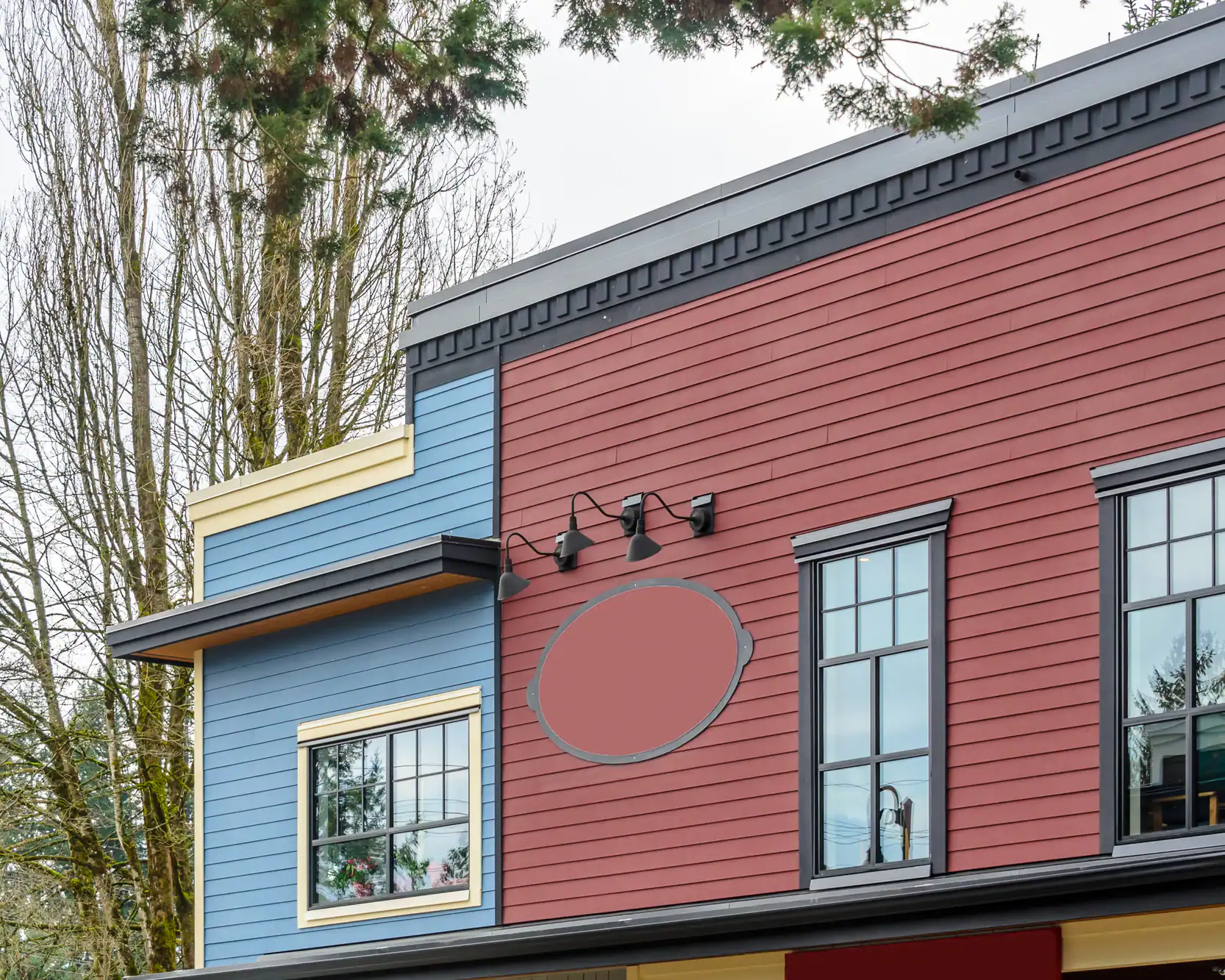
Earthy, warm tones are taking over. Think terracotta, soft sage, sandy neutrals, and warm beiges. These colors complement our natural landscape and—bonus—they’re great at hiding the “coastal dust” that accumulates when you haven’t washed your house in six months. UV Protection: In San Diego, the sun is basically a giant bleach bottle in the sky. Quality paints with UV inhibitors are mandatory if you want your “Deep Forest Green” to stay green and not turn into “Confused Mint” by next year.
Matte is Back: Matte and flat finishes are trending because they hide imperfections and absorb less heat. They look sophisticated and modern, whereas high-gloss stucco tends to look a bit like it’s covered in plastic wrap.
Summer in San Diego is when your home’s exterior takes the most “solar punches.” 1. Sealant Check: Caulks and sealers in our climate tend to dry out faster than a forgotten bagel. Check them every 3-5 years. 2. Window Synergy: If you’re replacing windows, that is the perfect time to address the stucco around them. Don’t let a window guy just “caulk and walk.” Proper installation requires integrating the moisture barrier so your new windows don’t become the source of your next leak.
Small cracks should be addressed quickly. A hairline crack today is a “Waterfront Property” inside your wall tomorrow. After 16 years, we recognize the patterns of how San Diego homes move—someone new to the area is just guessing.
The 2026 trends are all about playing the long game. UV-resistant siding, breathable stucco, and earth-toned paint aren’t just for looks; they’re for longevity.
Your home’s exterior faces a unique set of challenges here. Protecting your investment means choosing materials that can handle the salt, the sun, and the occasional 40-degree temperature swing. The difference between an exterior that lasts 50 years and one that fails in 10 is a matter of choosing the right materials and a contractor who actually knows how to use them.
We bring 16 years of local experience and the proper B General and C33 licensing to every job. We know San Diego homes, and we know how to make them look good enough to make the neighbors jealous.
Article details:
Share:
Continue learning: