San Diego homeowners face tough decisions about exterior repairs. Get expert guidance on when repairs make sense versus full replacement.
Share:
Summary:
Stucco problems often announce themselves with “stucco tears” – those dark, mascara-like streaks that drip from window corners. These aren’t just cosmetic issues. They’re telling you that water is getting where it shouldn’t be.
Here’s a simple test we use: if you can fit a credit card into a crack, it needs professional attention. Hairline cracks can usually wait, but anything bigger is letting moisture into places that will cost you serious money later.
The key is understanding what’s causing the problem in the first place, because that determines whether a patch job will actually work or if you’re just buying yourself a few months before the issue comes back worse.
Small sections of damaged stucco, like cracking around window frames, are perfect candidates for repair rather than replacement. Minor cracks and localized damage from sprinkler systems typically cost $200-300 to fix properly.
Repair works when the underlying structure is sound and the damage is surface-level or limited to specific areas. In San Diego, stucco damage often concentrates at the base of walls, typically from ground level up to about two feet high, caused by water absorption from soil, plants, and grass.
If your stucco is relatively new and the damage is clearly from a specific incident – like a sprinkler hitting the same spot for months or minor settling cracks – repair is usually the smart move. The key is catching water damage quickly so you can remove deteriorated sections and seal the rest.
You also want to consider the age of your stucco and how much of the surface is affected. If you’re looking at repairs on multiple walls or the damage keeps appearing in new spots, that’s usually your stucco telling you it’s reached the end of its useful life.
The repair process itself matters too. Professional repair involves removing deteriorated material, applying the right stucco mix, matching existing texture, spot priming, applying waterproofer, and finishing with two coats of paint. Anything less is just a temporary band-aid.
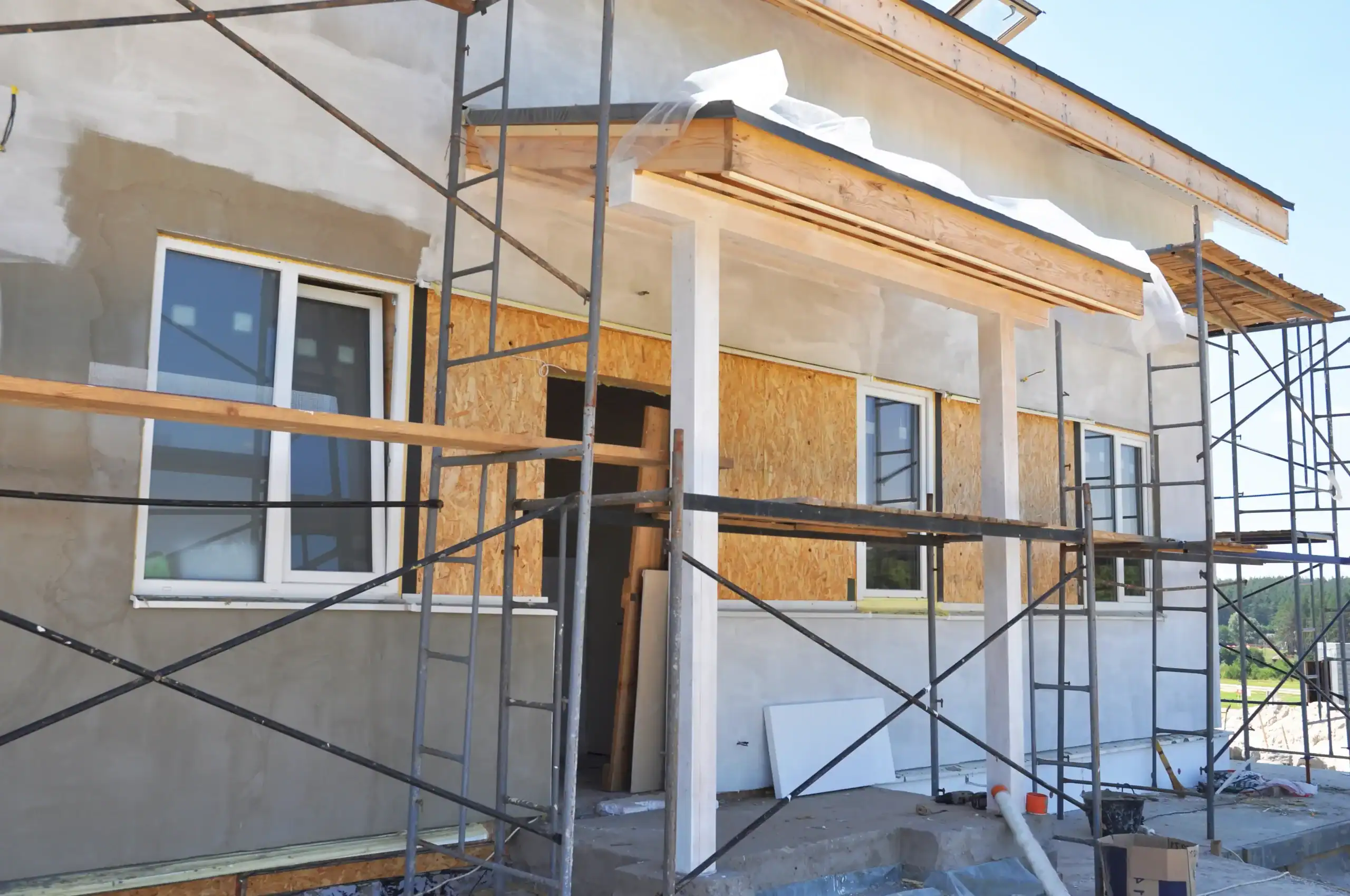
Stucco replacement becomes necessary when existing material has been damaged by water or mold, has extensive cracks or chips from age and wear, or simply needs a complete upgrade. Complete home stucco replacement can cost up to $11,000, so you want to be sure it’s actually needed.
The decision point comes when damage is so extensive that repairs won’t help anymore and you’re looking at complete replacement anyway. This typically happens when water damage has gotten behind the stucco and affected the underlying structure, or when you’re dealing with widespread cracking across multiple walls.
Look for signs like extensive cracks, bulges, or water damage that indicate underlying structural issues. Mold or mildew growth on stucco is a clear sign of moisture infiltration that usually requires replacement to prevent further damage.
Age is another factor. In San Diego’s climate, stucco should be repainted every 6-7 years for protection. If you’re constantly dealing with paint failure, cracking, or water intrusion issues, the stucco itself may have reached the point where replacement is more cost-effective than ongoing repairs.
Even well-maintained stucco eventually shows signs of aging like cracks, fading, or water damage from San Diego’s intense sunlight and occasional rain. When repair costs start adding up to a significant percentage of replacement cost, or when you’re fixing the same areas repeatedly, replacement becomes the smarter long-term investment.
Want live answers?
Connect with a MRH Pro Construction & Painting expert for fast, friendly support.
San Diego homeowners face siding issues from constant sun exposure, coastal humidity, and seasonal temperature shifts that cause even the best materials to deteriorate over time. The decision between repair and replacement often comes down to how much of your siding is affected and what’s causing the damage.
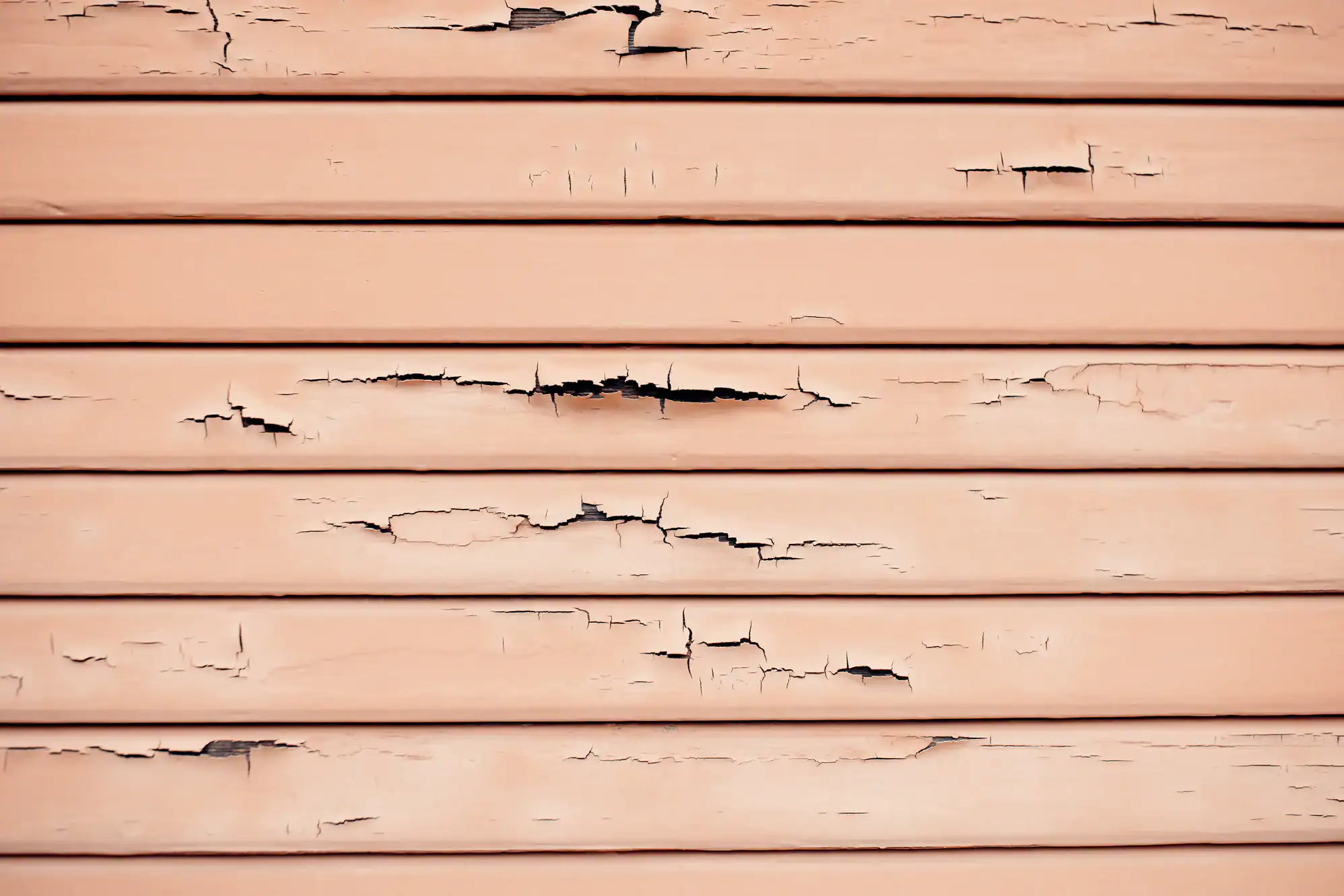
You can’t have a quality exterior paint job without quality siding, so siding problems affect more than just appearance – they impact your home’s protection and energy efficiency. Watch for visible cracks or gaps, warping or buckling panels, and fading or discoloration that may indicate sun damage or underlying issues like water damage or termite infestation.
The key question is whether the damage is localized or systemic, and whether the underlying structure is still sound.
Siding repair works well for localized damage, but extensive rot or warping usually makes full replacement more efficient long-term. Common signs your siding needs attention include cracks or holes that allow moisture and pests to enter, and fading or discoloration from sun damage or aging.
If your siding needs repainting every 2-3 years instead of the typical 5+ years, the issue isn’t the paint – it’s the siding itself. Frequent maintenance runs including repainting and filling holes and cracks cost much more long-term than replacement, especially with inflation and rising labor costs.
Termite damage, wood rot, and natural weathering are normal over time and often repairable, but older siding may be slightly different from current materials, requiring either custom milling or replacement with similar available options.
Material type affects the decision too. Cedar siding typically needs replacement every 10-15 years in San Diego, though proper installation and maintenance can extend its life. Cedar is particularly susceptible to moisture around windows and doors, though painting or staining can help prevent damage.
Pay attention to increased energy bills or drafts inside your home, as these can indicate compromised insulation due to damaged siding. When siding fails to protect your home’s envelope, replacement becomes necessary for both comfort and energy efficiency.
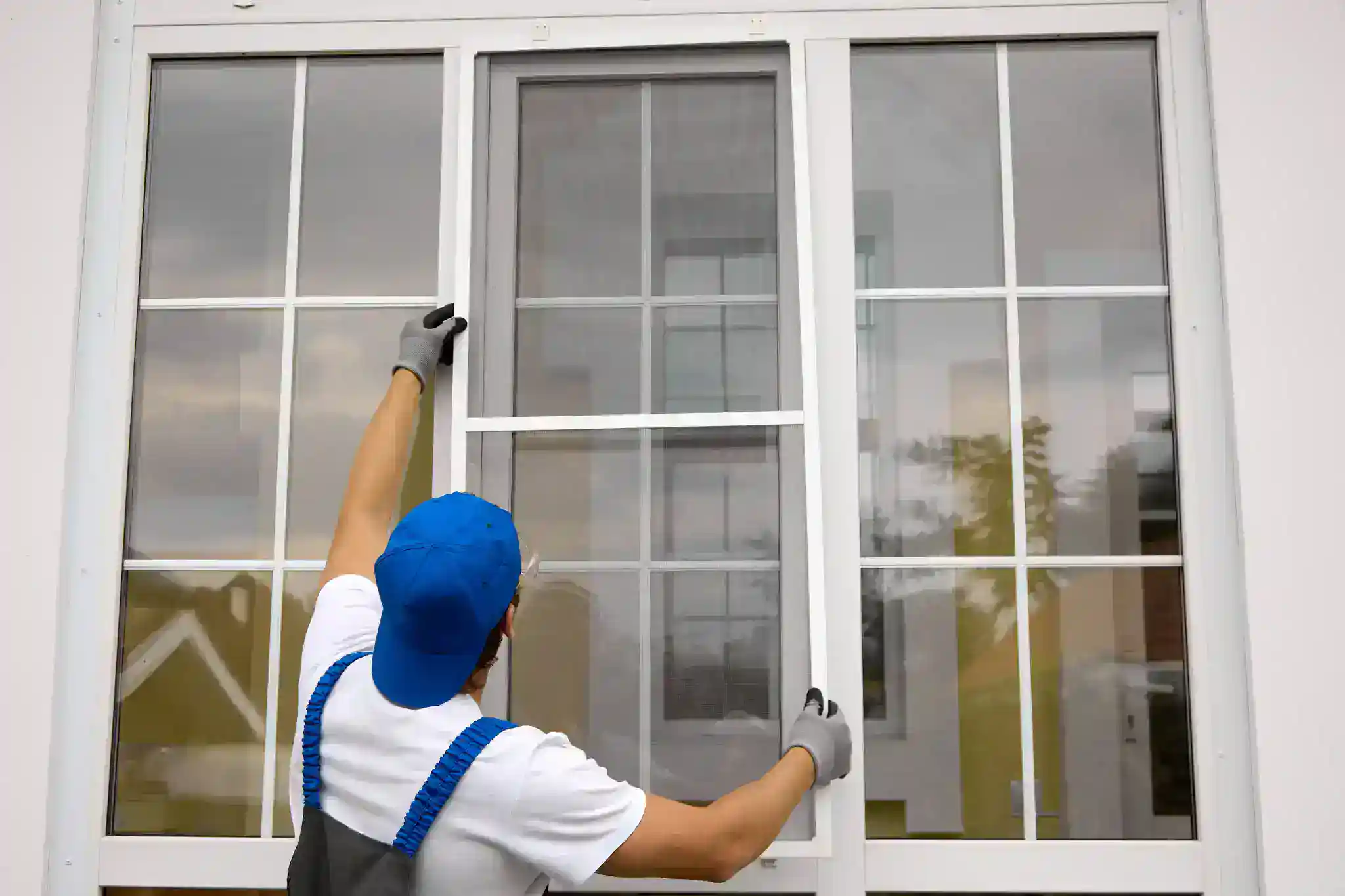
Windows over 20 years old are likely inefficient and causing unnecessarily high energy bills. Key signs that windows need replacing include drafts, condensation, difficulty opening or closing, increased energy bills, and water damage around frames.
Leaking windows create serious problems including dry rot, black mold, and foundation issues if left untreated, which is why it’s important to replace them as quickly as possible. If you’re experiencing drafty windows or notice signs of wear or cracks, it may be time for replacement.
San Diego’s climate typically demands air conditioning during hot summers, so energy-efficient windows that keep cool air in and hot air out can significantly reduce cooling costs and provide year-round energy savings. Replacing old windows with insulated ones allows more natural light while keeping heat or cold out, creating a win-win situation for lighting and energy costs.
The decision often comes down to whether window problems are isolated to specific units or widespread throughout your home. Single window issues might be repairable, but if multiple windows show signs of failure, replacement usually makes more financial sense. While homeowners can expect to spend $500-1,200 per window on average, new windows offer significant long-term savings and add value to your home.
The repair versus replacement decision ultimately comes down to understanding what you’re really buying with each option. Repairs make sense when they actually solve the underlying problem and the rest of your exterior is in good condition. Replacement becomes the smart choice when you’re dealing with systemic issues, aging materials, or when repair costs start approaching replacement costs.
In San Diego’s coastal climate, proper surface preparation and quality materials designed for local conditions mean exterior paint should last 7-10 years and interior paint 10-15 years – but only when the job is done right the first time. Don’t let short-term thinking cost you long-term money and frustration.
When you’re ready to make the right decision for your San Diego home’s exterior, we can help you evaluate what makes the most sense for your specific situation and budget.
Article details:
Share:
Continue learning: