Everything San Diego homeowners need to know before hiring a home addition contractor — costs, permits, materials, and red flags to avoid.
Share:
Summary:
San Diego home prices don’t leave much room to move. When your family needs more space, buying a bigger house in the same neighborhood often means spending $200,000 to $400,000 more — if you can even find one. That’s why so many homeowners across Chula Vista, El Cajon, Poway, and Rancho Bernardo are choosing to build up or build out instead.
But a home addition is only as good as the contractor behind it. The wrong hire can leave you with unpermitted work, a mismatched exterior, and a final bill that looks nothing like the estimate. This guide is here to help you avoid that — and understand exactly what to look for before you commit.
A home addition contractor manages the full scope of expanding your home’s footprint — from pulling permits with San Diego County to coordinating structural work, exterior finishing, and final inspections. Whether you’re planning a room expansion or larger home additions San Diego, it sounds straightforward, but in practice, the job touches a lot of moving parts: zoning setbacks, foundation assessments, framing, siding, windows, stucco, and paint all have to come together in a way that looks and performs like it was always part of the original house.
That last part matters more than most people realize. A poorly finished addition stands out immediately — different siding texture, windows that don’t match, stucco that doesn’t blend. The exterior finishing is what separates a seamless addition from one that looks bolted on. It’s also where a lot of contractors cut corners, because it’s the last thing done and the budget is usually tight by then.
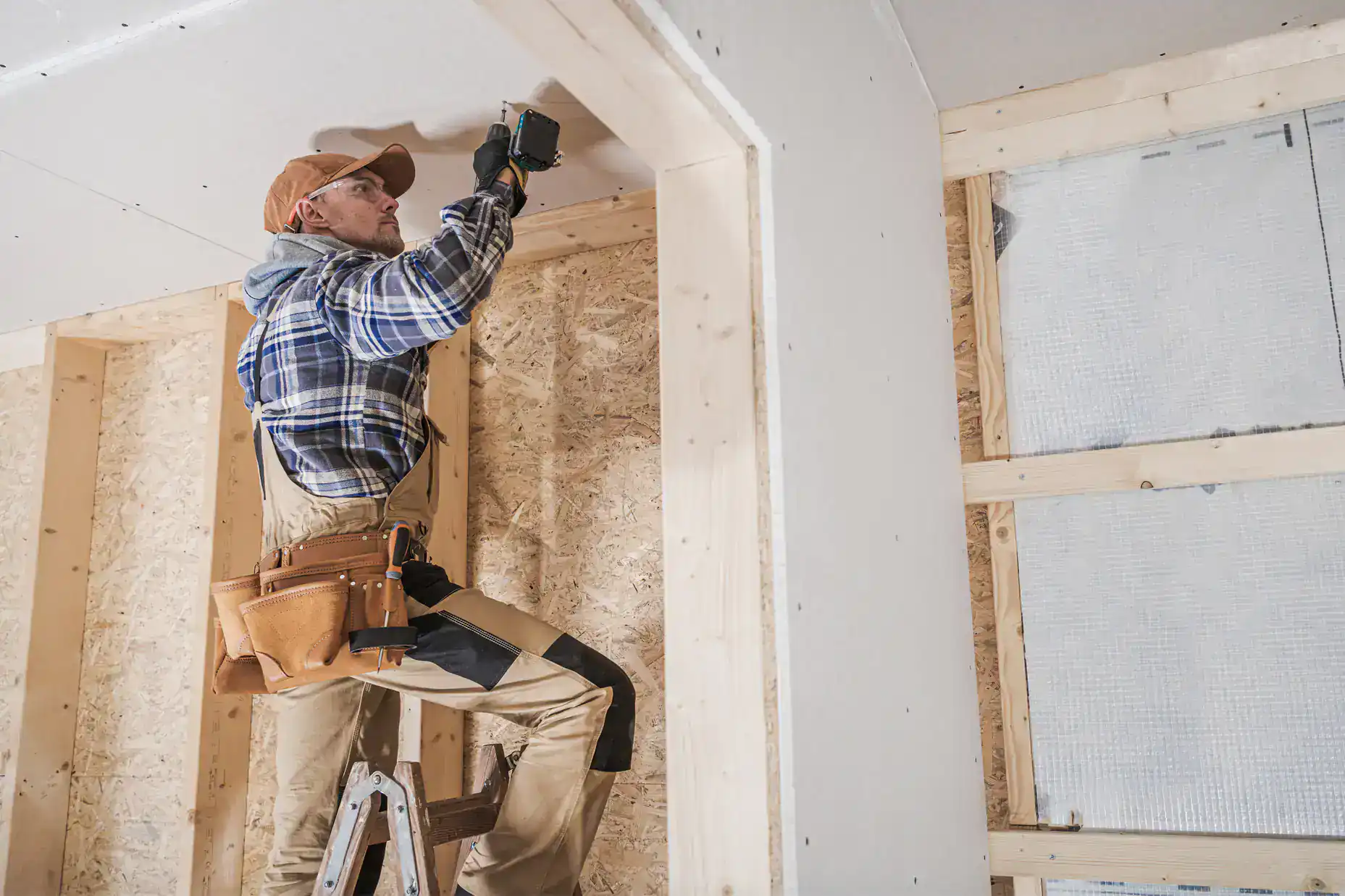
When most homeowners in San Diego search for room addition contractors, they’re thinking about a single room — a master bedroom, a home office, an in-law suite. These are the most common addition types, and for good reason. A single-room addition is typically the most manageable in terms of cost, timeline, and disruption.
In California, a single-room addition generally runs between $20,000 and $50,000 on the lower end, though that number climbs quickly depending on finish level, structural complexity, and whether the addition requires foundation work. In San Diego’s market specifically, costs can range from $200 to $500 per square foot for standard projects — and higher for premium finishes or coastal locations where material durability requirements are stricter.
What most homeowners don’t fully account for is the exterior finishing. Once the framing is up, the outside of that addition needs to match the rest of your house. That means siding, stucco, windows, and paint all have to integrate with what’s already there. If your home is stucco — which a large portion of San Diego homes are — the new stucco needs to match in texture and color, which takes skill and experience, not just effort.
The permit process is also something to think through early. San Diego County requires permits for any structural addition, and the inspection schedule can affect your timeline. We handle permits as part of every project and include those costs in the estimate, which eliminates a major source of stress and surprise charges.
A second story addition is one of the more complex projects a homeowner can take on, but in San Diego it often makes the most financial sense. Lot sizes in established neighborhoods like North Park, Mission Hills, and Santee don’t always allow for horizontal expansion — setback requirements and existing structures limit how far out you can go. Building up solves the space problem without touching your yard.
That said, second floor addition contractors will tell you the same thing: a vertical addition starts with the foundation. Before any framing goes up, a structural engineer needs to assess whether your existing foundation can support the additional load. Many homes built in the 1960s and 1970s — a common era for San Diego’s housing stock — can be reinforced, but that work adds cost and time. It’s not a reason to avoid a second story, but it’s a reason to budget for it honestly.
The exterior finishing on a second-story addition is particularly visible. Every window, every square foot of siding or stucco, every painted surface is at eye level from the street. In a neighborhood where homes hold values north of $800,000, the quality of that exterior work directly affects how the property is perceived — by neighbors, appraisers, and future buyers. Matching the existing exterior texture and material is not optional; it’s the difference between an addition that adds value and one that raises questions.
We handle the full exterior finishing on second-story additions — siding, stucco, windows, and paint — using materials selected specifically for San Diego’s climate conditions. That means accounting for UV intensity on south- and west-facing walls, salt air in coastal neighborhoods, and the marine layer moisture that affects everything from Pacific Beach to Coronado.
Want live answers?
Connect with a MRH Pro Construction & Painting expert for fast, friendly support.
California has one of the strictest contractor licensing systems in the country, and for good reason. Home improvement contracting is historically one of the top complaint categories reported to state consumer protection agencies. In California, any project totaling more than $1,000 in labor and materials legally requires a valid license from the Contractors State License Board — the CSLB.
For a home addition specifically, you need a contractor holding a Class B General Building Contractor license. This is the license that authorizes a contractor to manage full construction projects involving multiple trades. Without it, a contractor isn’t legally permitted to oversee the kind of multi-trade work a home addition requires. You can verify any contractor’s license at CSLB.ca.gov before you sign anything — and you should.
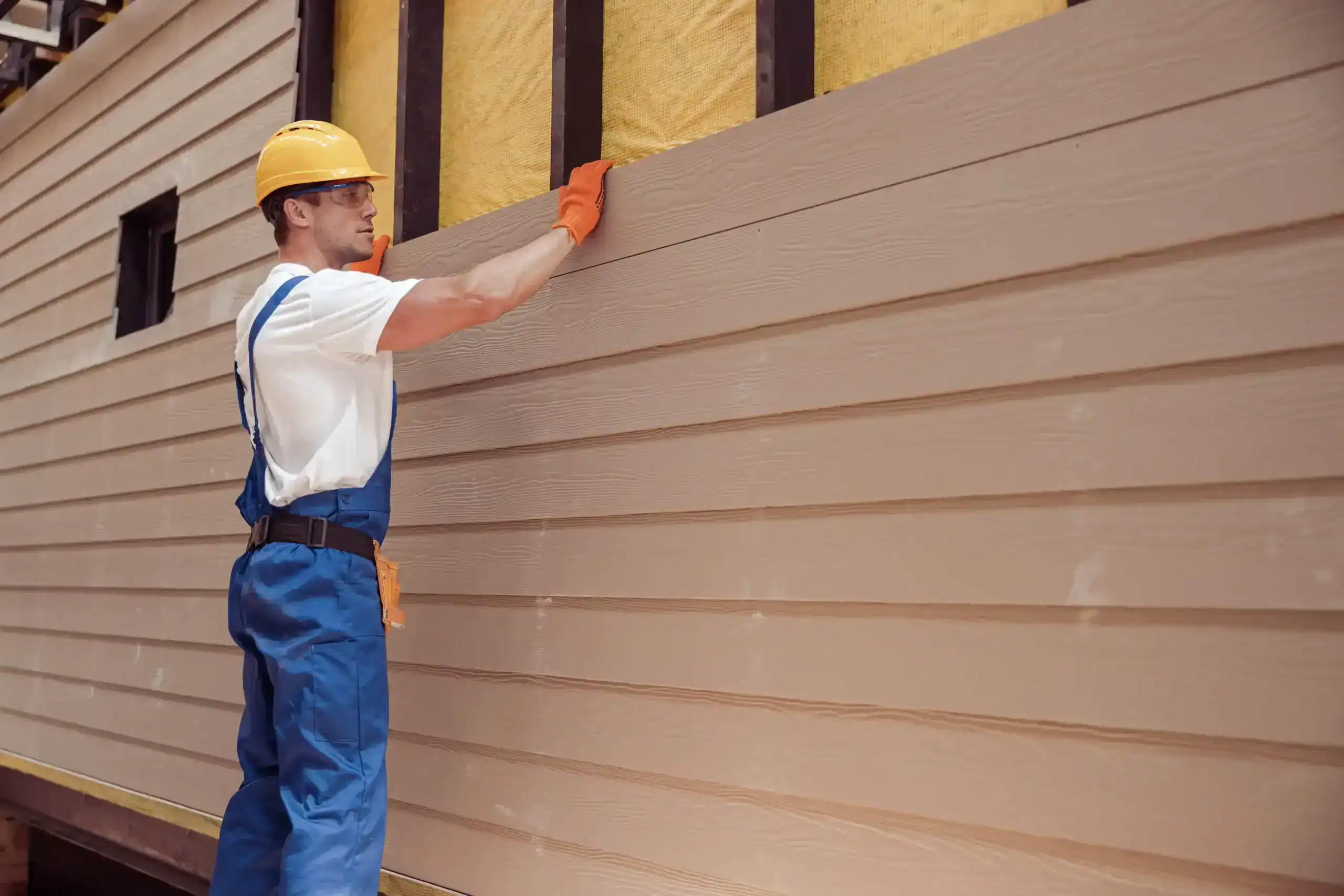
The Class B General Contractor license isn’t easy to get, which is exactly why it carries weight. To qualify, a contractor must demonstrate four years of journeyman-level experience, pass both a Law and Business exam and a Trade exam, clear a background check, and maintain an active contractor bond and workers’ compensation insurance. The license renews every two years and is tied to ongoing compliance requirements.
What this means for you as a homeowner is straightforward: a B-licensed general contractor has been vetted. We understand construction law, safety standards, and trade coordination. We’re bonded, which means there’s financial protection if something goes wrong. And we’re on record with the state, which means we have something real to lose if we cut corners.
We obtained our B General Contractor license alongside our existing C33 Painting specialty license. For homeowners in San Diego, that combination means we can legally and competently manage full exterior remodeling projects — from the structural addition through every layer of exterior finishing — under one license, one crew, and one point of accountability. No handoffs. No subcontractors brought in to handle the parts we don’t want to deal with. Just one team that owns the entire outcome.
That matters more than it might sound. One of the most common complaints in this industry is the subcontractor shuffle — you hire a general contractor, and then a rotating cast of workers you’ve never met shows up at your house. Our crew is seven people, all direct employees, working one project at a time. When we start your job, we finish your job.
The San Diego market has no shortage of home addition companies, and not all of them are straightforward about what they can actually deliver. Here’s what to look for before you hand over a deposit.
Start with the license. Go to CSLB.ca.gov, search the contractor’s name or license number, and confirm the license is active, in good standing, and covers the type of work you’re hiring for. A B General Contractor license should be listed for any addition project. If a contractor can’t give you a license number or gets defensive when you ask, that tells you what you need to know.
Ask specifically about permits. Any legitimate contractor will pull permits for a structural addition — it’s not optional, and skipping permits creates serious problems at resale. San Diego building inspectors flag unpermitted work during escrow inspections, and the cost to remediate can far exceed what you saved by skipping the process. Ask whether permit costs are included in the estimate or added later. The answer tells you a lot about how that contractor handles transparency in general.
Ask who will actually be working on your house. Many contractors use subcontractors for most of the work, which means the person you interviewed and trusted may not be the person swinging a hammer on your project. There’s nothing inherently wrong with subcontracting, but it does dilute accountability. When something needs to be fixed, the GC points at the sub and the sub is unreachable. A contractor who uses direct employees and works one project at a time is a different proposition — the accountability chain is short and clear.
Finally, ask about materials. San Diego’s coastal climate is genuinely demanding on exterior materials. Salt air, marine layer moisture, UV intensity, and thermal cycling all degrade lower-grade products faster than manufacturers’ warranties suggest. A contractor who can explain why they chose a specific siding product or window brand for San Diego conditions — not just what’s cheapest — is one who’s actually thinking about how your home will hold up five and ten years from now.
The decision to add on to your home instead of moving is usually the right one in San Diego’s market. The math almost always works in your favor. But the contractor you choose determines whether that investment pays off or becomes a source of stress, surprise costs, and work that needs to be redone.
What you’re looking for is straightforward: a licensed B General Contractor who pulls permits, uses their own crew, selects materials for San Diego’s specific climate, and gives you a written estimate that doesn’t change when the invoice arrives. That combination is less common than it should be — but it’s exactly the standard worth holding out for.
If you’re planning a home addition in San Diego County and want to talk through what the project actually involves, we’re here to give you a straight answer. No pressure, no vague estimates — just 16 years of exterior remodeling experience and a crew that shows up and finishes what we start.
Article details:
Share:
Continue learning: