Choosing the right general contractor for your exterior project means knowing what to verify, what to ask, and which red flags signal trouble before you sign anything.
Share:
Summary:
Not everyone with a truck and tools is qualified to work on your home. California requires specific licensing for a reason—to protect you from financial loss, substandard work, and legal liability when things go sideways.
A legitimate general contractor holds a valid California Contractors State License Board license. For exterior projects involving multiple trades, you’re looking for a Class B (General Building) license. If the work is primarily painting and coatings, a C33 license covers that scope. These aren’t just bureaucratic hoops. They represent verified experience, passed examinations, and accountability to state oversight.
The CSLB requires four years of journeyman-level experience before someone can even sit for the licensing exam. That means your contractor should have a track record, not just enthusiasm. They’ve also posted a $25,000 bond—money set aside specifically to compensate homeowners if the contractor violates the contract or abandons your project.
Anyone can claim they’re licensed. Verifying it takes two minutes and could save you tens of thousands in headaches.
Go directly to the CSLB website and use their license lookup tool. You’ll need the contractor’s license number or business name. The search results show you whether the license is active, what classifications they hold, when it expires, and any disciplinary actions on record. An active license means they’re current on renewals and haven’t had their credentials suspended.
Pay attention to the license classification. A C33 painting contractor shouldn’t be doing structural work. A Class B general contractor can oversee multiple trades but might subcontract specialty work. Know what you’re hiring for and confirm their license covers that scope.
Check the issue date too. A license obtained last month doesn’t carry the same weight as one held for a decade. Longevity matters in construction. Companies that cut corners or burn clients don’t tend to stick around long enough to renew year after year.
While you’re looking, note any complaints or legal actions listed. One resolved complaint from years ago might not be a dealbreaker. Multiple recent complaints with no resolution? That’s a pattern you don’t want to be part of.
Finally, confirm the business name on the license matches the name on your estimate and contract. Some contractors rebrand after accumulating negative reviews or unresolved complaints. If the name doesn’t match, ask why. The answer will tell you everything you need to know.
A contractor’s license is step one. Insurance and bonding are what actually protect you when something goes wrong on your property.
General liability insurance covers property damage caused during the project. If a worker accidentally breaks a window, damages your landscaping, or causes structural issues, liability insurance handles the repair costs. Without it, you’re paying out of pocket to fix their mistakes.
Workers’ compensation insurance protects you from financial responsibility if someone gets hurt on your property. Construction work is inherently risky. If an uninsured worker falls off a ladder or injures themselves using power tools, you could be liable for their medical bills and lost wages. Workers’ comp transfers that risk away from you.
Don’t take a contractor’s word that they’re insured. Ask for certificates of insurance and call the insurance company directly to verify coverage is active. Policies lapse. Contractors sometimes let coverage expire between jobs to save money, then scramble to reinstate it when a client asks. A phone call confirms the policy is actually in force right now, not just that it existed at some point.
The $25,000 contractor bond required by California serves a different purpose. It’s not insurance for accidents—it’s recourse for contract violations. If your contractor takes your deposit and disappears, does shoddy work, or fails to pay subcontractors (which could result in liens against your property), you can file a claim against that bond.
It won’t cover every possible scenario, but it’s a layer of protection unlicensed contractors simply don’t offer. Some contractors carry additional bonding beyond the state minimum, especially for larger commercial projects. Ask what coverage they maintain and get it in writing.
San Diego’s coastal climate adds another wrinkle. Salt air, intense sun, and occasional heavy rains create conditions that accelerate wear and expose poor workmanship faster than inland areas. Properties near the water in La Jolla, Del Mar, or Ocean Beach need contractors whose insurance is sufficient to cover higher-value claims that can result from coastal property damage. Standard minimum coverage might not cut it.
Want live answers?
Connect with a MRH Pro Construction & Painting expert for fast, friendly support.
A contractor’s answers to direct questions reveal more than their marketing materials ever will. Ask these questions during your initial consultation and pay attention not just to what they say, but how they say it.
How long have you been in business? Longevity suggests stability. A company operating for 15 or 20 years has survived economic downturns, resolved customer issues, and built a reputation worth protecting. A brand-new operation isn’t automatically bad, but it carries more risk.
Will you handle permits and inspections? The answer should be yes without hesitation. Contractors familiar with San Diego’s building codes and permit processes should manage this themselves. If they suggest you pull permits or seem vague about permit requirements, they’re either unlicensed or trying to avoid the scrutiny that comes with official inspections.
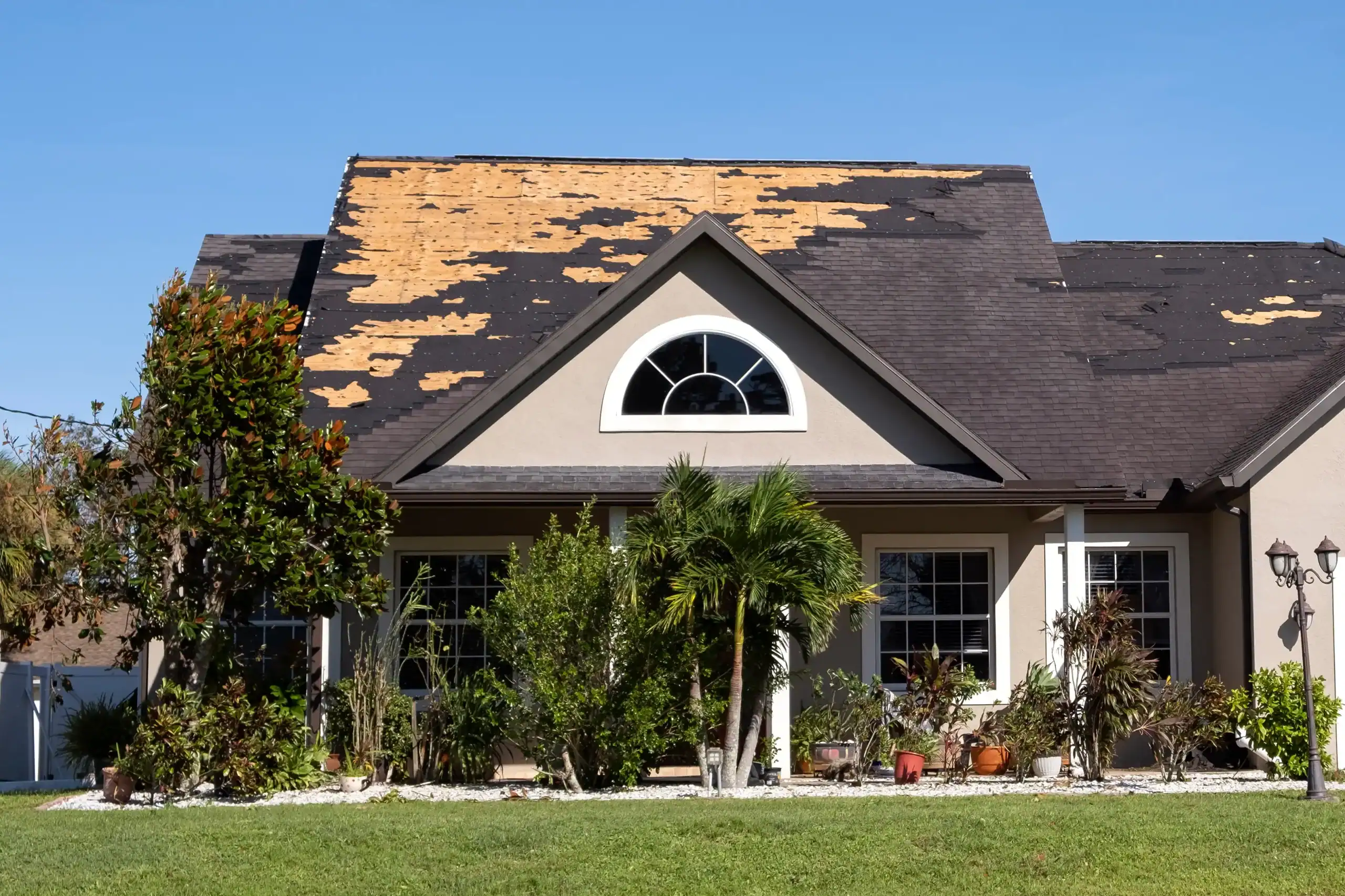
The best home contractors near me have systems for keeping projects on track and clients informed. Ask how they manage the work and what you should expect once they start.
Who will be on-site managing the project? You need a clear answer about daily supervision. Will the owner be there? A dedicated project manager? A lead carpenter?
Someone needs to be making decisions, directing subcontractors, and ensuring quality control. If no one’s clearly in charge of day-to-day operations, your project will drift.
How do you communicate with clients during the project? Look for specificity. “We’ll keep in touch” isn’t an answer. “We send a text update every afternoon and schedule a weekly call to review progress” is an answer. Establish communication expectations upfront so you’re not left wondering what’s happening with your home.
What’s your typical project timeline for work like this? Experienced contractors can estimate timeframes based on past projects. If they can’t give you even a ballpark timeline, they either haven’t done similar work or they’re not organized enough to track how long things actually take.
How do you handle unexpected issues or changes? Construction reveals surprises—rotted framing hidden behind old siding, outdated electrical that needs upgrading, structural issues that weren’t visible during the estimate. Ask how they communicate these discoveries and handle the additional cost and time.
A good contractor explains the issue, provides options, and gets your approval before proceeding. A bad one just does the work and hands you a bill.
What’s your payment schedule? Legitimate contractors typically request 10-30% upfront to secure materials and schedule labor, with additional payments tied to project milestones. Final payment comes after you’ve inspected the work and confirmed everything’s complete.
If someone wants 50% or more upfront, or asks for full payment before the work is done, that’s a red flag. They’re either cash-strapped or planning to take your money and run.
Some warning signs are obvious. Others are subtle. All of them mean you should keep looking for a different contractor.
Pressure to sign immediately is a classic manipulative tactic. “This price is only good if you sign today” or “We have a crew available this week but they’ll be booked after that” creates false urgency. Legitimate contractors give you time to review contracts, compare estimates, and make informed decisions.
Vague or incomplete estimates suggest they either don’t understand the scope of work or they’re intentionally lowballing to win the bid, planning to hit you with change orders later. A professional estimate breaks down labor, materials, permits, and timeline. If you’re looking at a single lump sum with no detail, you have no way to know what you’re actually paying for.
Reluctance to provide references means they don’t have satisfied customers willing to vouch for them. Every contractor should be able to connect you with recent clients whose projects were similar to yours. If they make excuses about privacy or can’t produce anyone willing to talk to you, they’re hiding something.
No written contract is a dealbreaker. Handshake agreements protect no one. Everything should be in writing—scope of work, materials, timeline, payment schedule, warranty terms, and what happens if either party needs to make changes.
Being available to start immediately sounds convenient, but it’s often a sign they’re not busy. Good contractors have backlogs. They’re scheduled out weeks or months because people want to work with them. If someone can start tomorrow, ask yourself why they don’t have other projects lined up.
Cash-only deals or offers of a discount for paying in cash often indicate they’re avoiding taxes or operating without proper licensing and insurance. There’s no legitimate business reason to prefer cash over checks or credit cards other than staying off the books. That lack of documentation will hurt you if something goes wrong and you need to prove what you paid or what was agreed to.
Poor communication before you hire them will only get worse once they have your money. If they’re slow to return calls, vague in their responses, or difficult to pin down during the estimate phase, expect that behavior to continue throughout your project.
Choosing a general contractor comes down to verification, not trust. Verify their license through the CSLB. Verify their insurance by calling the carrier directly. Verify their experience by talking to past clients. Verify their process by asking detailed questions and expecting detailed answers.
San Diego’s coastal climate demands contractors who understand how salt air, sun exposure, and moisture affect exterior materials. Your project needs someone who’s pulled permits in your jurisdiction, knows local building codes, and has relationships with inspectors who’ll be signing off on the work.
The right contractor won’t pressure you, won’t ask for unreasonable deposits, and won’t hesitate to put everything in writing. They’ll answer your questions directly, provide proof of their qualifications, and treat your project with the seriousness it deserves.
We bring 16 years of exterior remodeling experience, both B general and C33 licenses, and BBB accreditation to every San Diego County project. If you’re ready to work with a contractor who handles permits, communicates clearly, and shows up with proper credentials, reach out about your exterior project.
Article details:
Share:
Continue learning: