San Diego's coastal humidity creates perfect conditions for wood rot. Discover early warning signs and prevention strategies to protect your home.
Share:
Summary:
Neighborhoods like Pacific Beach and Point Loma experience higher humidity levels due to marine layers, while winter rain periods can saturate wood creating ideal conditions for fungi to thrive. Unlike inland areas where heat and dryness naturally discourage fungal growth, our coastal environment maintains moisture levels that allow wood-destroying organisms to flourish year-round.
Wood-destroying fungi break down wood fibers by feeding on cellulose, hemicellulose, and lignin, causing structural integrity loss with damage often hidden beneath surfaces until extensive. What makes San Diego particularly challenging is that this process happens faster and more consistently than in drier climates.
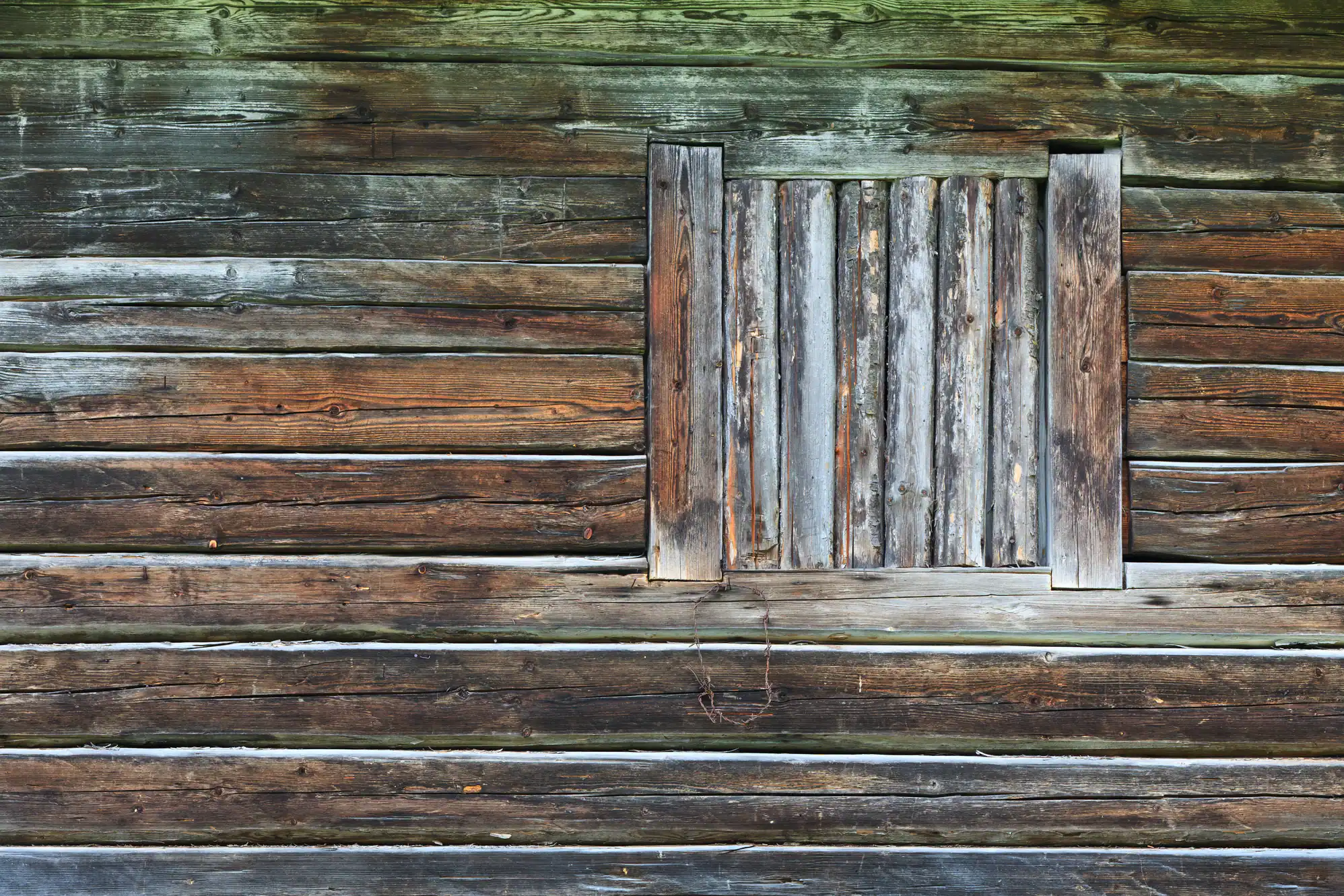
Exterior patios and decks are prime locations for dry rot and termite damage because they’re exposed wood members with perfect moisture levels, and these structural roof supports can create safety hazards if damage becomes extensive. But that’s just the beginning of where problems typically start.
Pay special attention to crawl spaces and basements, wooden decks, patios and fences, roof eaves and window frames, and bathrooms and kitchens where plumbing leaks occur. These areas combine the three elements fungi need: moisture, organic material, and limited air circulation.
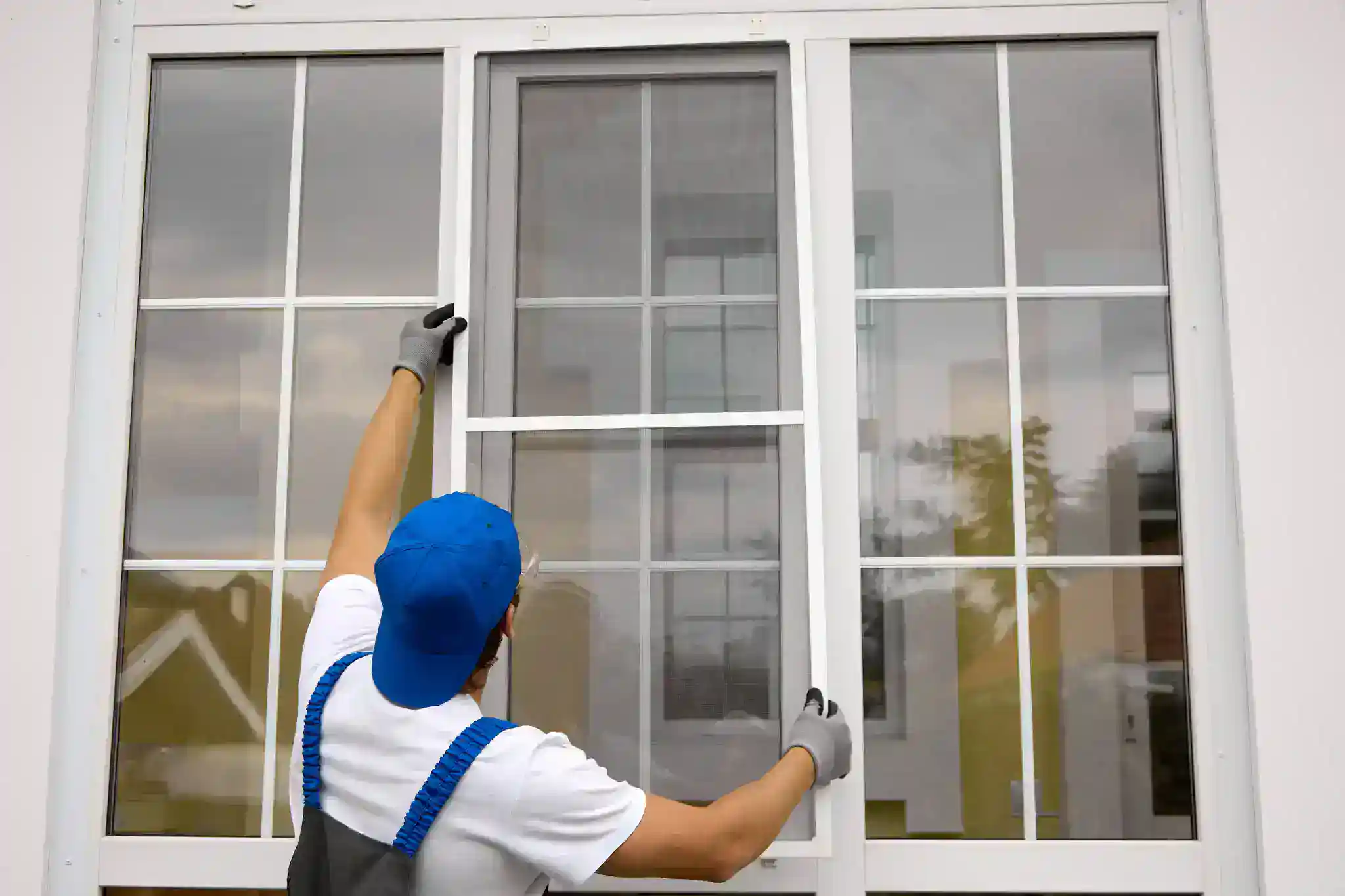
Window and door frames deserve extra scrutiny in our climate. In coastal areas, dry rot commonly appears around leaking windows or doors improperly installed without adequate waterproof flashing material. The combination of morning marine layer moisture and occasional winter rains creates persistent dampness that standard construction materials struggle to handle.
Don’t overlook areas where different materials meet. Check rim joists especially on porches, crawlspaces, or basements, where wood meets masonry floors or walls, and floors around tubs or toilets. These transition zones often trap moisture and provide perfect breeding grounds for wood-destroying organisms.
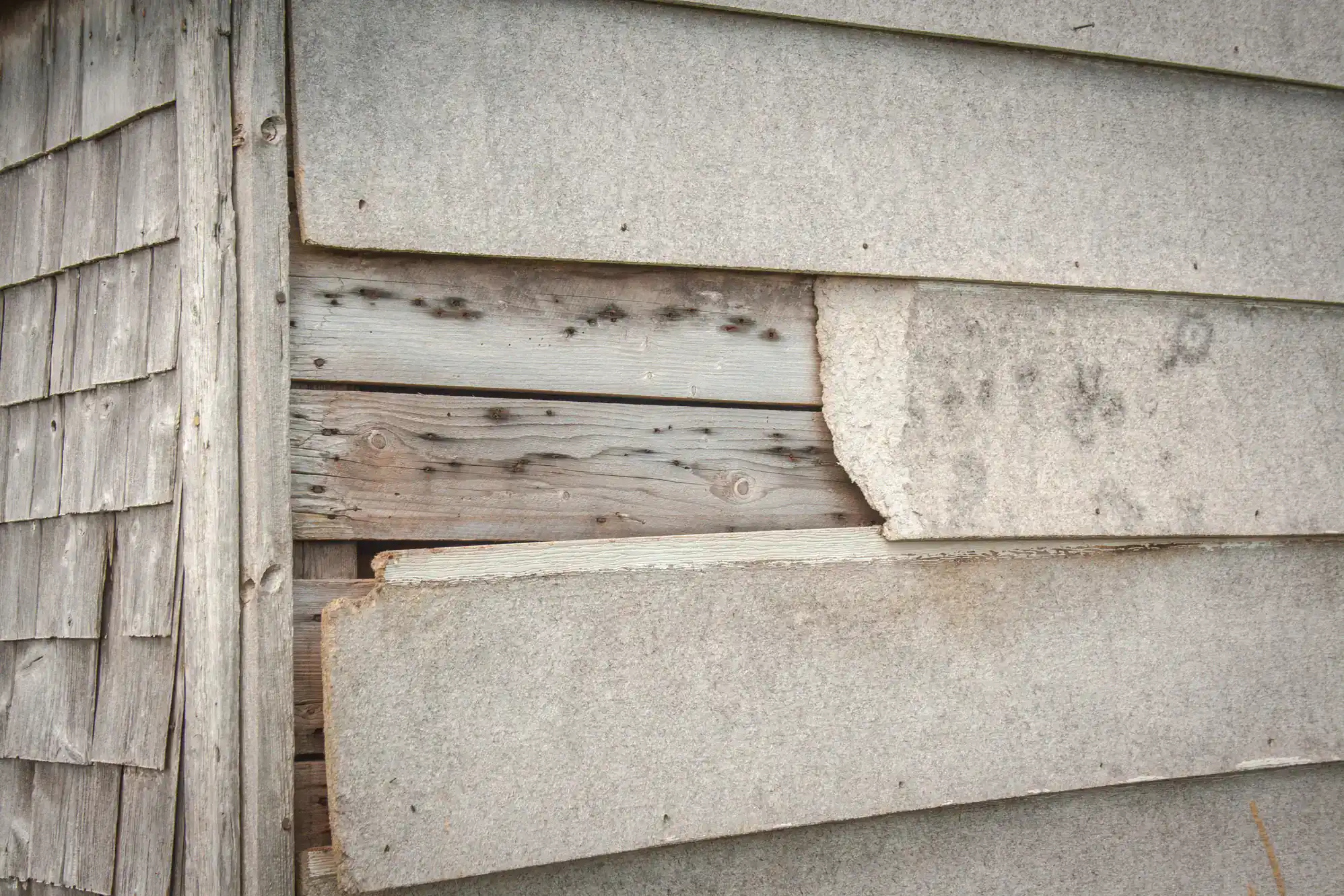
Peeling paint is often the first visible sign of wood rot, as water penetration causes paint separation from the surface, with moisture pulling through wood causing paint to flake off. This isn’t just a cosmetic issue—it’s your home’s way of warning you about underlying moisture problems.
Look for softened texture that’s spongy and easy to penetrate with a pointed object, darkened appearance where one area appears different from surrounding wood, and chipping paint especially on exterior surfaces. These visual cues often appear before you can see actual fungal growth.
Trust your sense of smell—when water damage or mold causes wood rot, a telltale musty odor becomes noticeable, especially in areas with minimal ventilation as fungus spreads and produces decay. This earthy, damp smell is often your first indication that something’s wrong, even when visual signs aren’t obvious.
The texture test is simple but revealing. Use a pick or screwdriver to check suspected areas—if it penetrates easily or wood flakes away, there’s rot, and there may be hidden damage behind flooring, drywall, or siding apparent only through discoloration or structural weakness. This quick test can save you thousands by catching problems early.
Want live answers?
Connect with a MRH Pro Construction & Painting expert for fast, friendly support.
Wood rot repair costs range dramatically from $500 for minor surface damage caught early to over $40,000 for major structural rehabilitation in severely neglected cases. The difference between these extremes often comes down to timing and early detection.
If dry rot remains untreated for six months to a year, it can cause structural damage to affected wood, particularly problematic when the compromised lumber is a structural component. What starts as a small repair can quickly become a major renovation project affecting your home’s safety and value.
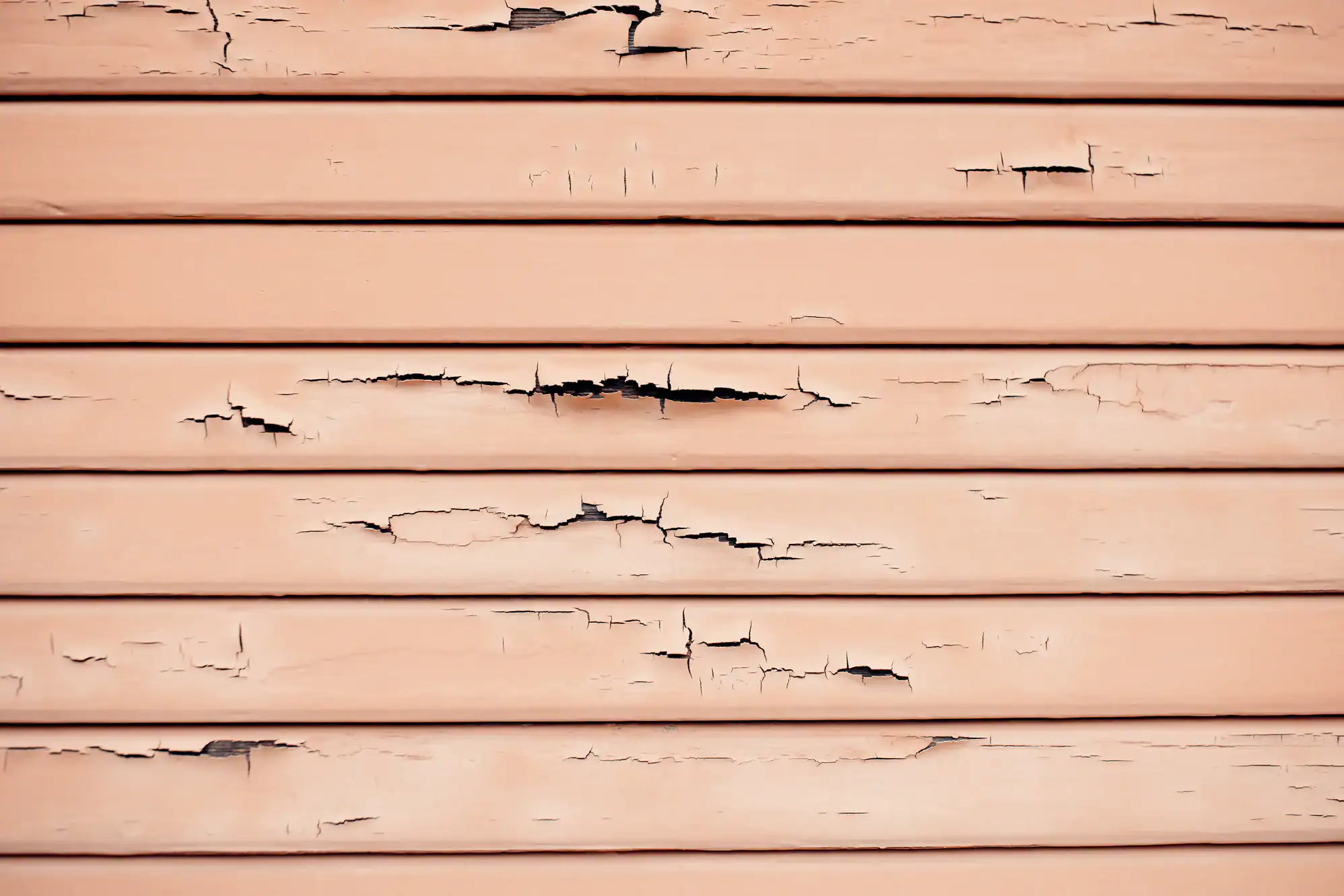
Signs of dry rot in walls are hard to see and can take months or years before external evidence presents itself, with the best evidence like mycelium and fruiting bodies occurring later in the lifecycle. By the time most homeowners notice obvious signs, the damage has often spread beyond what’s visible.
Dry rot spreads through masonry and other building materials into hard-to-reach areas, making quick identification and removal crucial. We have the tools and experience to detect problems in hidden areas like inside walls, under flooring, and within structural components.
There’s no one-size-fits-all answer for repair costs, and accurate estimates require exploratory work first, which can be frustrating for homeowners since these repairs can only be evaluated properly with professional investigation. This is why working with experienced contractors who understand your home’s structural aspects becomes essential for accurate damage assessment and repair recommendations.
Professional inspection catches problems that homeowners miss. Detecting wood rot is crucial for timely intervention, with common signs including musty smells, flaking paint, excess moisture, and visible damage or termite presence. We know where to look and what tools to use for comprehensive evaluation.
Effective prevention includes properly ventilating and insulating attics, ventilating crawlspaces, sealing basement and crawlspace floors to reduce ground moisture, checking wall and roof flashing, inspecting deck and porch flashings, keeping wood siding and trim off ground and away from roof and masonry, guaranteeing proper window and door flashing, maintaining painting and caulking, and keeping drains and downspouts clear.
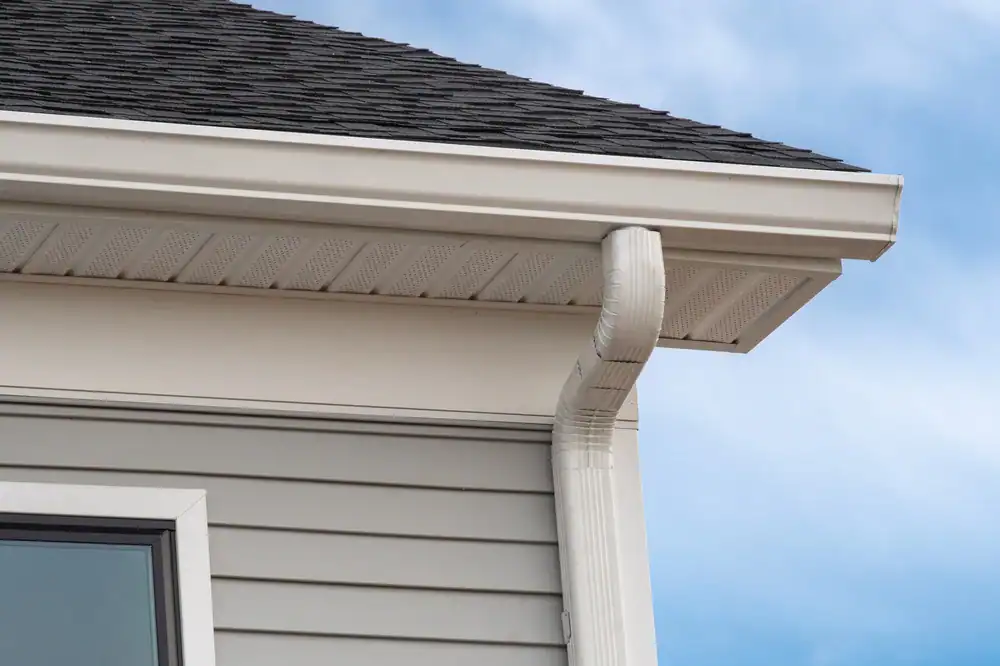
Caulk open spots around windows, dryer vents, and doors, schedule roof inspections for leak prevention, reinforce and maintain gutters, trim vegetation away from siding and roofing to prevent friction damage, scrape peeling paint and reseal surfaces, clear debris from crawl spaces, and clean between decking boards to remove trapped moisture and organic debris.
Regular maintenance is about protection. Regular maintenance like cleaning, staining, and sealing fights against decay, mold growth, and UV damage, meaning you won’t need to restore as often, saving money long-term. In San Diego’s climate, this preventive approach is especially crucial because our year-round moderate temperatures mean biological activity never really stops.
San Diego’s coastal climate demands premium coating systems designed for coastal conditions with salt air, UV exposure, and temperature fluctuations requiring proper surface preparation, and with quality materials exterior paint should last 7-10 years while interior paint lasts 10-15 years with thorough prep work. This is why choosing the right contractor and materials matters so much in our unique environment.
Wood rot doesn’t have to be inevitable in San Diego’s coastal climate. Early detection, prompt action, and proper prevention can save you thousands while protecting your home’s structural integrity and value. The key is understanding what to look for and acting quickly when you spot warning signs.
Most importantly, treat dry rot as soon as it’s discovered since untreated dry rot can cause major damage to your home. Whether you’re dealing with suspicious soft spots, peeling paint, or musty odors, professional evaluation can determine the extent of any problems and provide solutions before they become expensive emergencies.
For San Diego homeowners serious about protecting their investment, we at MRH Pro Construction & Painting bring 16 years of local experience and the expertise to handle both detection and prevention in our unique coastal environment.
Article details:
Share:
Continue learning: