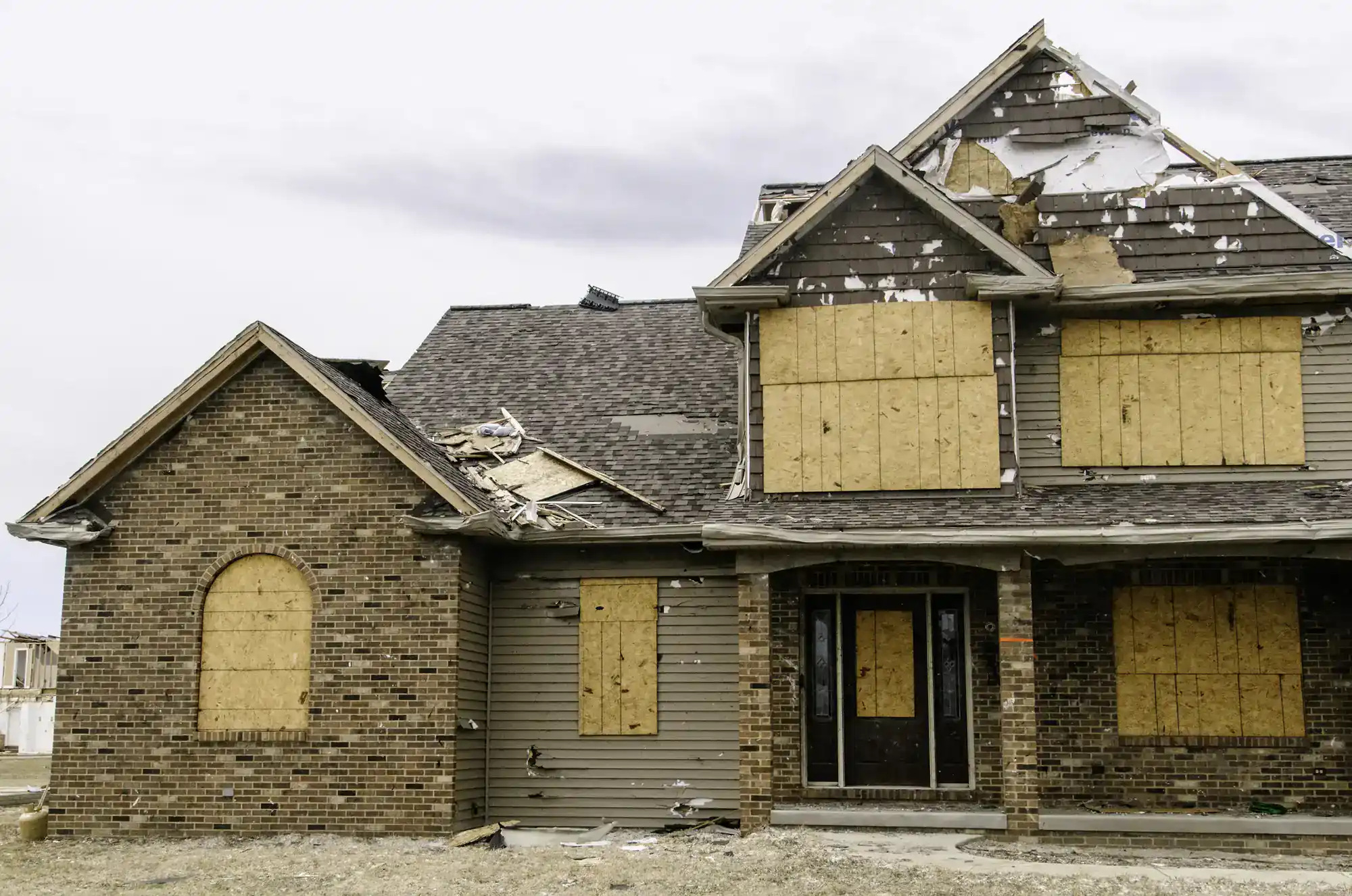
The wrong paint choice in San Diego's coastal climate leads to expensive failures within months, not years.
Share:
Summary:
Paint seems simple until you understand what’s inside the can. Both interior and exterior paints contain the same four basic components: pigment for color, solvent to keep everything liquid, resin to bind it all together, and additives for specific performance.
The difference lies in how these components are balanced. Interior paint uses rigid resins that create a hard, scuff-resistant surface perfect for walls that get touched, cleaned, and lived around daily. Exterior paint uses softer, more flexible resins that expand and contract with temperature changes without cracking.
This isn’t just a technical detail—it’s why exterior paint feels tacky when used indoors and why interior paint fails catastrophically when exposed to weather. Each formulation is engineered for its environment, and swapping them creates problems that show up fast.
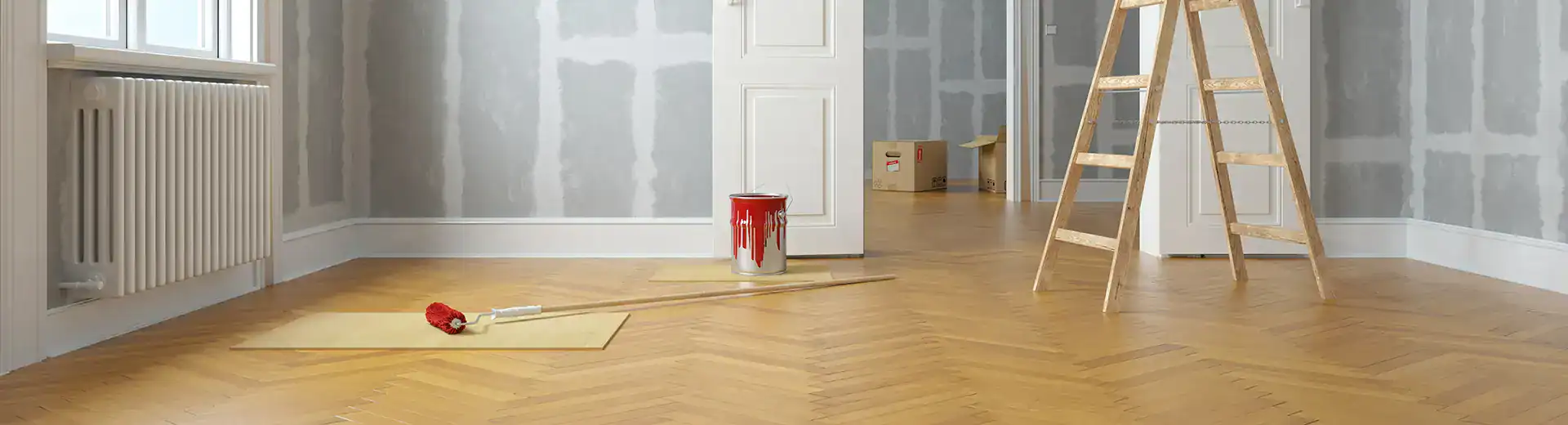
Your interior walls face daily contact from hands, furniture, cleaning products, and the occasional moving day scuff. Interior paint formulations use harder, more rigid resins that resist scratching and clean easily with soap and water. You can scrub crayon marks off without damaging the finish.
Safety matters indoors too. Interior paints contain minimal volatile organic compounds (VOCs) because you’re breathing that air every day. Modern interior paints are virtually odorless and safe for bedrooms, nurseries, and spaces where air quality counts. They skip the fungicides and mildew-resistant additives that exterior paints need.
The finish options reflect these priorities. Interior paint comes in everything from flat to high-gloss because aesthetics and cleanability matter more than weather resistance. Flat for ceilings where you don’t want glare. Semi-gloss for bathrooms where moisture resistance helps. Eggshell for living areas that balance durability with sophistication.
But here’s what trips up homeowners: these same characteristics that make interior paint perfect for your walls make it completely wrong for outdoor use. The rigid resins that resist scuffing indoors become brittle under UV rays and temperature swings. The low-VOC formulation lacks the protective additives needed to fight mildew, fading, and moisture penetration. Use interior paint outside in San Diego, CA’s coastal climate, and you’re repainting within months.
San Diego, CA’s coastal climate creates a perfect storm of paint-destroying conditions. Salt air corrodes surfaces and accelerates breakdown. Intense UV radiation fades colors and breaks down protective resins. Temperature swings from cool ocean breezes to inland heat cause constant expansion and contraction that cracks inferior paint.
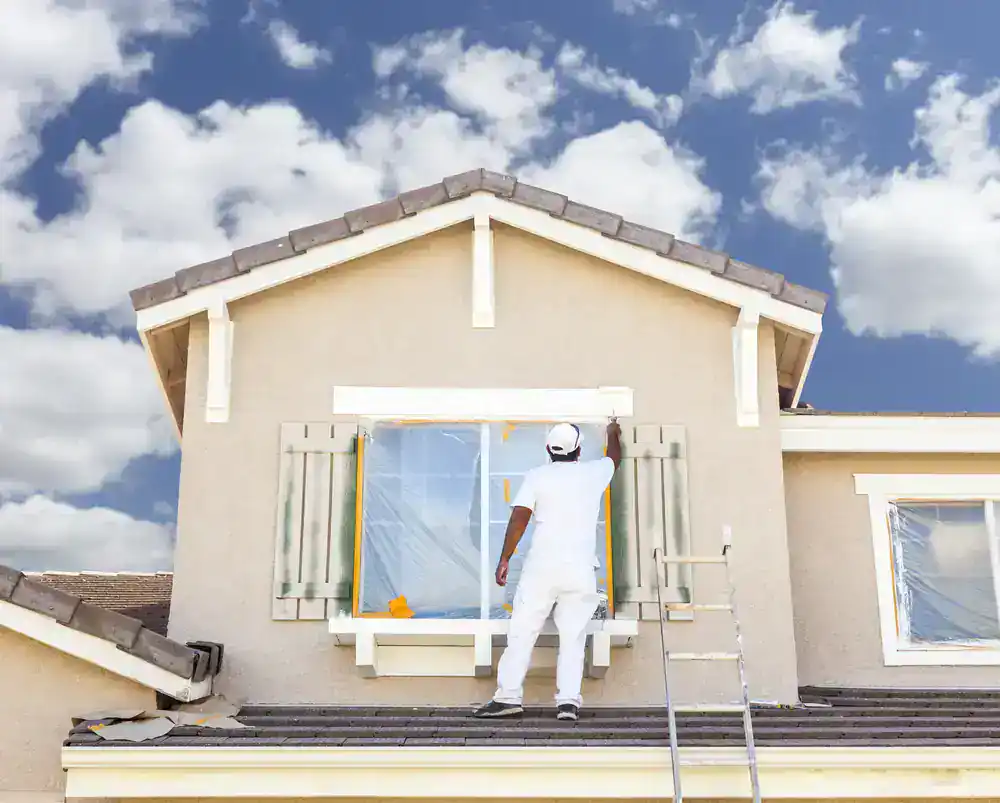
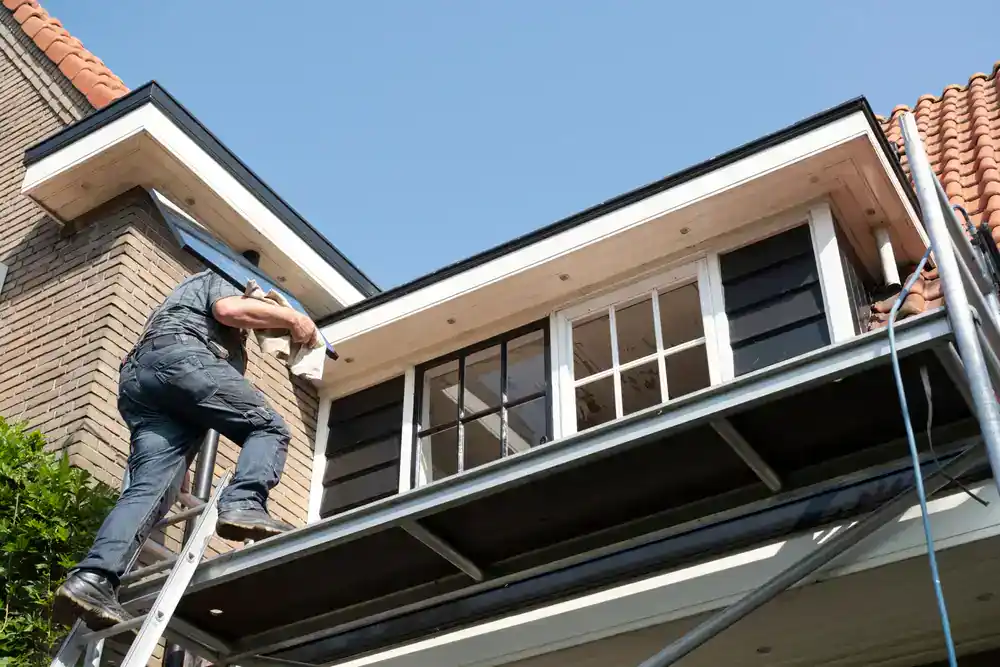
Exterior paint formulations are engineered specifically for these challenges. Softer, more flexible resins allow the paint film to move with your siding as temperatures change throughout the day. UV-blocking additives protect both the paint and the surface underneath from sun damage. Anti-mildew and moisture-resistant compounds prevent the growth problems that plague coastal properties.
This protection comes with trade-offs that make exterior paint unsuitable indoors. The flexible resins that prevent outdoor cracking create surfaces that scuff easily inside. The higher VOC content needed for weather resistance can create indoor air quality issues. The limited finish options—typically flat, semi-gloss, or gloss—don’t provide the aesthetic variety that interior spaces need.
Most importantly, exterior paint requires UV exposure to cure properly. Without sunlight, it never reaches full hardness and remains vulnerable to damage. This is why exterior paint used indoors often feels sticky or tacky long after application—it’s literally not finishing its curing process in your indoor environment.
The coastal location adds complexity. Paint systems that work fine in Phoenix or Denver fail quickly in San Diego, CA’s salt air. We understand these regional differences and select products specifically rated for coastal applications.
Want live answers?
Connect with a MRH Pro Construction & Painting expert for fast, friendly support.
The most expensive paint mistakes happen when homeowners assume all paint is basically the same. Using interior paint on exterior surfaces leads to rapid failure—fading, cracking, and peeling within months rather than years. The paint can’t handle UV exposure, moisture, and temperature changes.
Using exterior paint indoors creates different but equally frustrating problems. The surface stays tacky longer, scuffs more easily, and can create air quality concerns. Many homeowners notice the difference immediately but don’t understand why their “high-quality” exterior paint performs so poorly on interior walls.
San Diego, CA’s coastal environment makes these mistakes even more expensive. The salt air and intense sun accelerate paint failure, turning a minor misstep into a major expense requiring complete surface preparation and repainting.

San Diego, CA’s microclimate creates conditions that expose paint weaknesses quickly. Interior paint used on exterior trim might look fine for weeks, but the first hot Santa Ana wind or marine layer cycle reveals the problem. The rigid resins crack under thermal stress, creating entry points for moisture that lead to wood rot and extensive damage.
Salt air acts like a paint accelerant, speeding up chemical breakdown and surface degradation. Paint systems that might survive a year in inland areas fail within months near the coast. This is why proper paint selection isn’t just about performance—it’s about protecting your underlying investment in siding, trim, and structural materials.
Temperature swings compound the problem. A surface that’s 70 degrees in morning shade might hit 120 degrees in afternoon sun, then drop to 65 degrees after sunset. Interior paint can’t handle this thermal cycling without cracking, while properly formulated exterior painting moves with these changes.
Morning marine layers bring humidity that penetrates paint systems, while afternoon heat drives rapid drying. Paint that lacks proper moisture resistance allows water penetration that leads to substrate damage, mildew growth, and premature failure of the entire system.
This explains why we emphasize proper paint selection so strongly. It’s not about selling expensive products—it’s about ensuring your paint job survives the specific challenges of your location and application.
We understand that paint selection starts with your specific application and environment. We consider substrate materials, exposure conditions, expected wear patterns, and local climate factors before recommending products. This knowledge prevents the costly mistakes that happen when homeowners choose paint based on price or color alone.
We also understand product compatibility and system requirements. We know which primers work with specific topcoats, how different substrates affect paint performance, and which products are specifically rated for coastal applications. This expertise guarantees every component of your paint system works together for maximum performance and longevity.
Our preparation process reveals another crucial difference. We identify existing paint problems, surface defects, and compatibility issues before they become expensive failures. We understand when complete removal is necessary versus when proper priming can solve adhesion problems.
We give you realistic expectations about paint performance in your specific environment. We explain how long different systems should last, what maintenance to expect, and how to identify early signs of problems before they become major issues. This education helps homeowners make informed decisions about product selection and maintenance schedules.
Most importantly, we stand behind our work with warranties covering both materials and labor. This accountability makes sure we select appropriate products and apply them correctly, since we’ll be responsible for fixing any premature failures.
The key to successful painting projects is understanding that interior and exterior paints are specialized tools designed for specific jobs. Using the right product in the right application protects your investment and delivers the performance you expect. Trying to save money by using the wrong paint type almost always costs more through premature failure and expensive repairs.
In San Diego, CA’s coastal environment, proper paint selection becomes even more critical. The combination of salt air, UV exposure, and temperature swings creates conditions that quickly expose any weaknesses in your paint system. Investing in the right products and professional application pays for itself through extended performance and reduced maintenance.
When you’re ready to protect your investment with a paint system designed for San Diego, CA’s unique challenges, MRH Pro Construction & Painting brings 16 years of coastal experience to every project. We understand the difference between products that look good initially and systems that perform for years in our demanding environment.
Article details:
Share:
Continue learning: