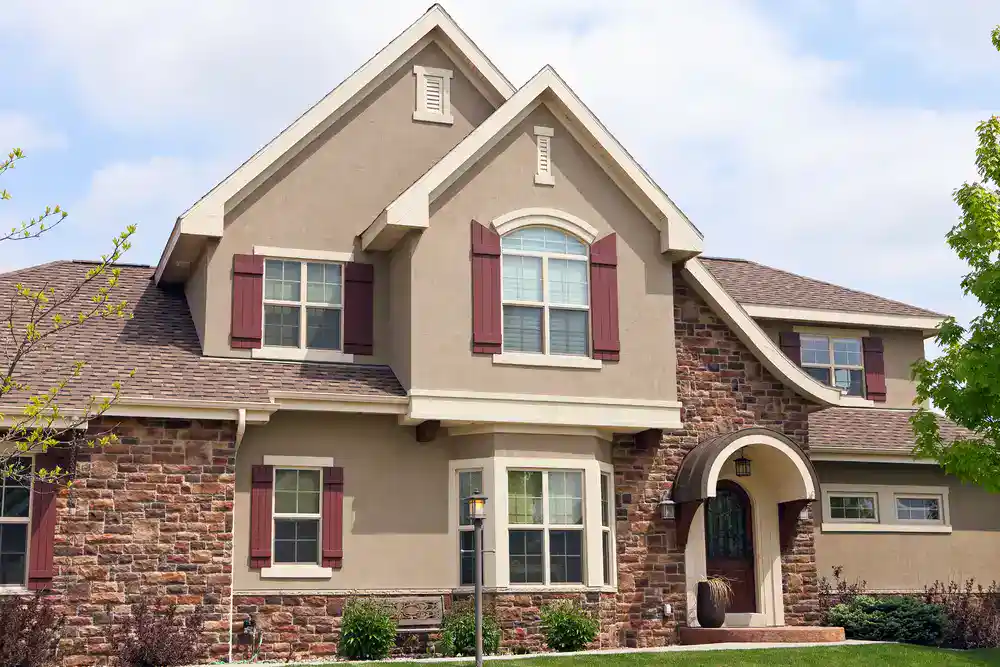
Mixed-material siding is revolutionizing San Diego exteriors in 2025, combining textures like lap siding with vertical cedar for stunning custom appeal.
Share:
Summary:
This isn’t just another design fad that’ll look dated in five years. Mixed-material siding addresses real problems homeowners face with traditional single-material approaches. When your entire exterior is one material, it can look flat, generic, or just blend into the neighborhood background.
The mixed-material approach lets you highlight your home’s best architectural features while adding the kind of custom detail that makes people slow down when they drive past. You’re not just updating your siding—you’re creating a home that feels intentionally designed rather than builder-grade basic.
The most successful mixed-material projects aren’t random combinations thrown together. They’re strategic pairings that complement each other while serving different functional purposes. Here’s what’s working in San Diego’s climate and architectural styles right now.
HardiePlank lap siding paired with vertical cedar creates an incredible contrast between the clean, horizontal lines and the rich, textured wood grain. This combination works especially well when you use the lap siding as your primary material and introduce vertical cedar on gables, dormers, or around entryways for that custom accent.
Stone veneer with fiber cement is another winning combination that’s particularly popular in San Diego County, CA. The stone typically goes on foundation areas, columns, or accent walls, while fiber cement handles the main exterior surfaces. This pairing gives you the luxury look of natural stone without the weight and installation challenges, plus the durability and low maintenance of modern fiber cement.
Board and batten combined with horizontal lap siding offers a more traditional approach that still feels fresh and intentional. Many homeowners are using this combination to break up long exterior walls or to differentiate between first and second stories, creating visual interest without overwhelming the overall design.
Textured shakes mixed with smooth panels appeal to homeowners who want something contemporary but not stark. The smooth panels provide clean, modern lines while the textured shakes add warmth and visual depth. This combination works particularly well on contemporary and transitional home styles.
Getting mixed-material siding right requires more than just picking materials you like. The installation process demands careful planning, proper sequencing, and attention to how different materials interact with each other and your home’s structure.
Water management becomes critical when you’re working with multiple materials that have different expansion rates and weathering characteristics. We ensure proper flashing and sealing at every transition point between materials. This isn’t just about preventing leaks—it’s about ensuring each material can perform as designed without being compromised by its neighbors.
Color coordination is where many mixed-material projects succeed or fail. The most effective approach is sticking to two or three complementary shades across all materials rather than trying to match everything perfectly. This creates visual harmony while still allowing each material to maintain its distinct character.
Material placement should follow your home’s natural architectural lines and proportions. Heavier materials like stone typically work better on lower portions of the home or as accent features, while lighter materials handle the main wall surfaces. This creates a sense of visual balance that feels natural rather than forced.
The sequencing of installation matters more than most homeowners realize. We install materials in an order that allows proper integration of flashing, trim work, and weather barriers. Trying to retrofit materials after the fact often leads to compromised weather protection and higher long-term maintenance costs.
Want live answers?
Connect with a MRH Pro Construction & Painting expert for fast, friendly support.
Today’s mixed-material installations aren’t just about aesthetics—they’re about creating exterior systems that perform better and last longer than traditional single-material approaches. Modern installation techniques focus on creating continuous weather barriers while allowing each material to function optimally.
Advanced moisture management systems now integrate vapor barriers, drainage planes, and ventilation strategies that work across different material types. This is especially important in San Diego’s climate, where temperature fluctuations and occasional moisture can create challenges for exterior materials.
San Diego’s unique coastal climate creates both opportunities and challenges for mixed-material siding installations. The generally mild temperatures and low humidity are ideal for most siding materials, but the intense UV exposure and occasional weather events require thoughtful material selection and installation techniques.
UV resistance becomes critical when you’re mixing materials with different fade rates and color stability. Fiber cement typically maintains its color better than wood products, so we plan for potential color shifts over time and select materials with compatible weathering characteristics.
Salt air exposure in coastal areas of San Diego County affects different materials in different ways. Metal components need proper protective coatings, while wood materials may require more frequent maintenance. Understanding how your specific location’s microclimate will impact each material helps ensure your mixed-material exterior ages gracefully.
Thermal expansion differences between materials require careful attention to joint design and sealant selection. When stone veneer meets fiber cement, or when metal accents interface with wood siding, the joints need to accommodate different expansion rates without compromising weather protection.
Fire safety considerations are increasingly important in California, and mixed-material installations can actually improve your home’s fire resistance when properly planned. Combining fire-resistant materials like fiber cement or metal with more combustible options like wood requires strategic placement and proper defensible space planning.
You don’t need to cover your entire home in premium materials to achieve the mixed-material look. Strategic accent placement can deliver dramatic visual impact while keeping your project within budget. The key is identifying the areas where material changes will have the most visual impact.
Entryways and front-facing gables offer the highest return on investment for mixed-material applications. These areas get the most visual attention from the street, so upgrading them with premium accent materials creates maximum curb appeal impact per dollar spent.
Foundation areas and lower wall sections are ideal for heavier materials like stone veneer because they’re easier to install at ground level and create a solid visual base for your home. Using premium materials in these areas feels natural and substantial without requiring the expense of covering upper wall areas.
Window surrounds and architectural details provide opportunities for smaller-scale material mixing that still creates significant visual interest. Adding wood trim around windows or stone accents around architectural features can transform your home’s appearance without major structural work.
Partial wall coverage strategies let you introduce premium materials without full-coverage costs. Using stone or wood on one accent wall, or covering just the front-facing portions of your home, can create the mixed-material effect while keeping materials costs manageable.
Mixed-material siding projects require more planning, coordination, and expertise than single-material installations. The most successful projects start with contractors who understand both the design principles and technical requirements of working with multiple materials simultaneously.
Look for contractors with specific mixed-material experience and a portfolio that demonstrates successful integration of different siding types. The installation techniques, flashing details, and material coordination required for these projects go beyond standard siding work. When you’re ready to explore mixed-material options for your San Diego home, we at MRH Pro Construction & Painting bring 16 years of exterior remodeling experience and the technical expertise to execute these complex installations properly.
Article details:
Share:
Continue learning: