San Diego County's climate is harder on siding than most homeowners realize. Here is what to know before you replace, repair, or hire anyone.
Share:
Summary:
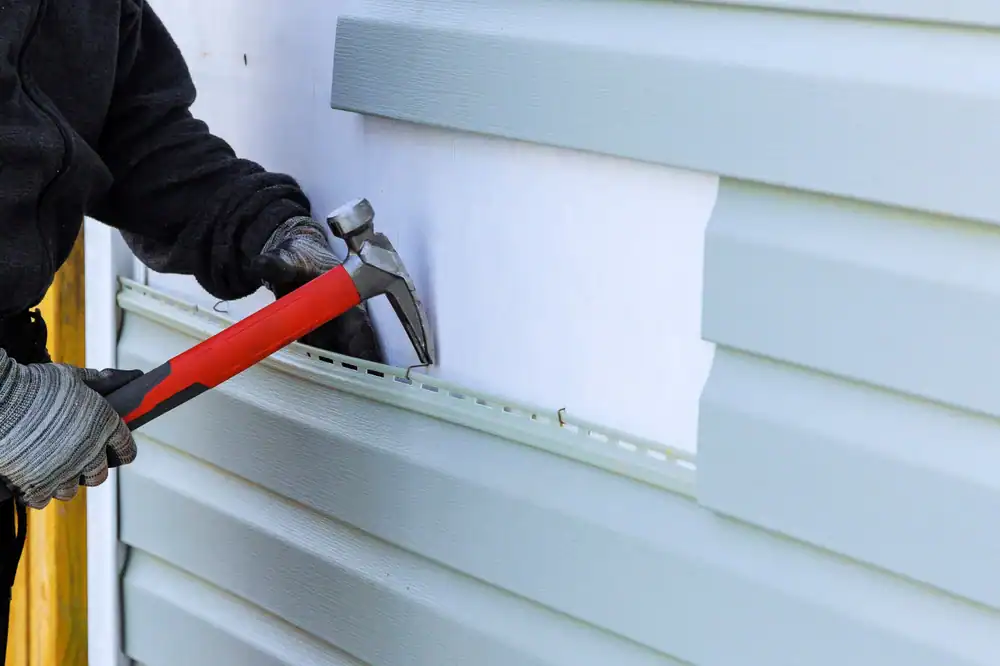
Most San Diego County homeowners do not think about their siding until something goes wrong: a crack they cannot ignore, a section that has started to bubble, or a home inspection that flagged something they did not see coming. By then, the damage has usually been working quietly for a while. The good news is that the right siding, installed correctly, handles everything this climate throws at it without demanding much in return. This guide covers what that looks like: the materials, the process, the questions worth asking, and why getting it right the first time matters more here than almost anywhere else in California.
San Diego County does not have dramatic weather events. No ice storms, no heavy snow loads, no Category 4 winds rolling in off the Gulf. But that mild reputation masks a reality: the conditions here are quietly relentless in ways that wear down exterior materials faster than most people expect.
Within a few miles of the coast: think Encinitas, Del Mar, Solana Beach, Oceanside, Pacific Beach, La Jolla: salt particles carried by ocean breezes corrode metal fasteners, degrade paint finishes, and accelerate the breakdown of materials that perform perfectly fine in other climates. Inland, in communities like Escondido, El Cajon, Santee, and Ramona, the problem shifts: summer temperatures push past 100°F, then cool nights and damp winters follow. That thermal cycling causes materials to expand and contract repeatedly, which is the way stucco cracks and wood warps over time.
Then there is the marine layer. San Diego County’s “June Gloom” pattern brings persistent morning fog and humidity to coastal and near-coastal homes: moisture exposure without a single drop of rain. Combined with afternoon UV intensity, it creates conditions that accelerate mold and rot in improperly protected wood or poorly installed siding systems. And in communities like Scripps Ranch, Tierrasanta, Alpine, Ramona, Fallbrook, and Valley Center, wildfire risk adds another layer: one where the material your home is wrapped in can genuinely matter.
Vinyl, wood, stucco, fiber cement: every material has its advocates, and every contractor tends to recommend what they are most comfortable installing. But when you look at what San Diego County’s specific conditions demand, the conversation narrows quickly.
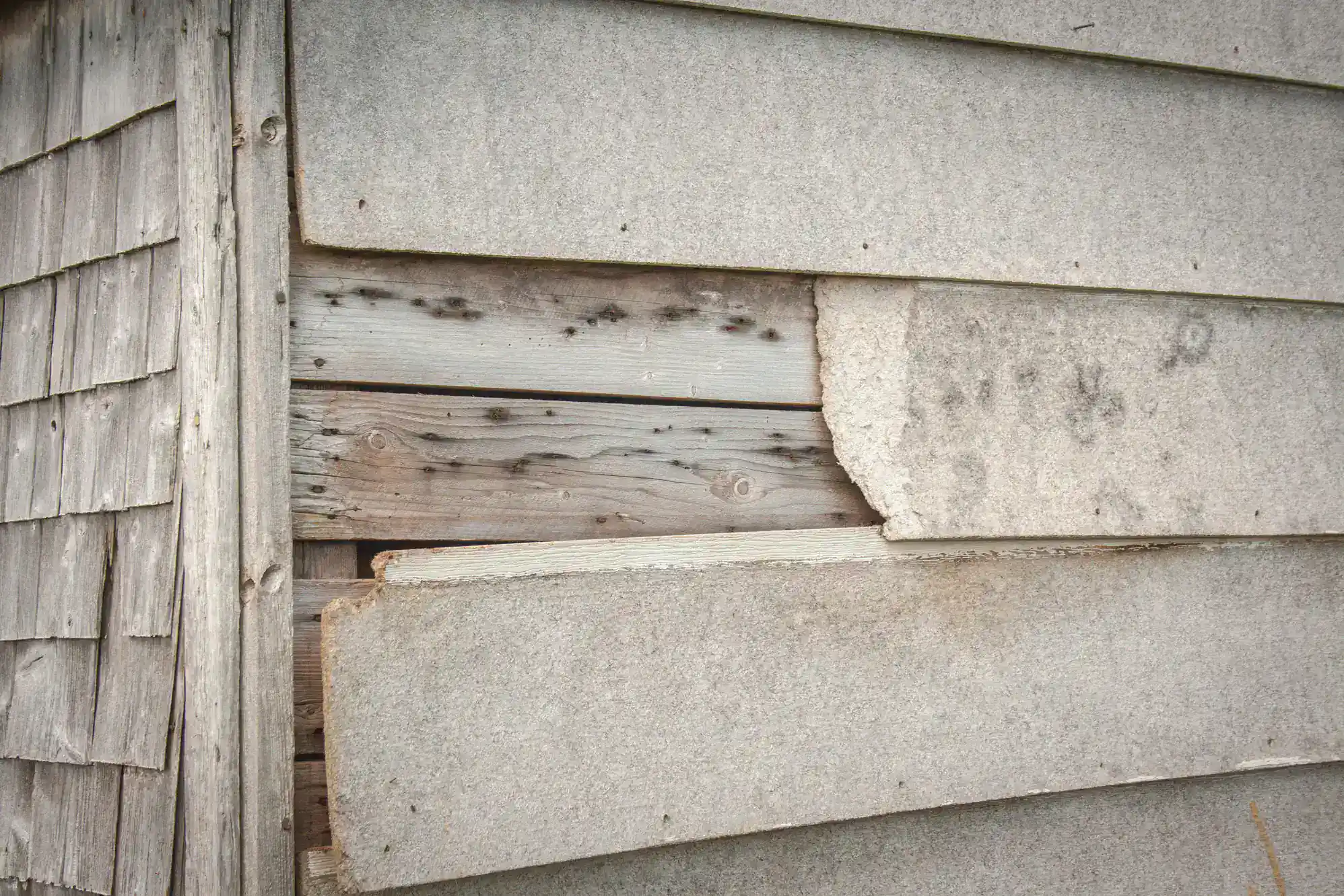
Wood siding has real visual appeal, but it is a liability here. It feeds wildfires, rots from moisture, and attracts termites: three problems that are all more acute in San Diego County than in most other US markets. Vinyl is inexpensive upfront, but it warps in the kind of heat that Escondido and El Cajon see every summer, it does not hold paint well, and it carries a lower fire resistance rating. Stucco is common throughout San Diego County and performs reasonably well, but it cracks from the same temperature swings that stress wood: and once moisture gets behind cracked stucco, the repair scope grows fast.
Fiber cement siding: James Hardie specifically: is the material that holds up best in this environment. It is made from cement, sand, and cellulose fibers, which means it will not warp, split, rot, or attract termites. It carries a Class A fire rating, the highest available for exterior cladding. And James Hardie engineers different products for different climate zones: the HardieZone HZ10 designation covers San Diego County’s coastal and near-coastal areas specifically, meaning the product is formulated for the exact combination of salt air, UV intensity, and coastal moisture that homes here face. That is not a marketing claim: it is a material science distinction that matters when you are 1.5 miles from the Pacific.
The factory-applied ColorPlus finish is worth mentioning too. In a high-UV environment like San Diego County, standard exterior paint fades and requires repainting every five to seven years. ColorPlus is baked on at the factory and backed by a warranty, which means you are not cycling back through the painting process every few years just to maintain your home’s appearance. None of this means fiber cement is the only answer for every home. But if you are replacing siding in San Diego County and you want something that handles the climate without requiring constant attention, it is the material that makes the most sense for most situations.
A lot of homeowners go into a siding project without a clear picture of what the process involves, which makes it easy to be caught off guard: by timeline, by scope, or by decisions that come up mid-project. Here is what a well-run siding installation looks like from start to finish.
It starts with an assessment. We look at what is behind the existing siding, not just the surface. Moisture barriers, flashing at windows and doors, and the condition of the substrate underneath all affect how the new installation performs. Skipping this step is one of the most common ways a siding project ends up failing before it should.
From there, the right material gets specified. For most San Diego County homes, that means selecting the appropriate HardieZone HZ10 product: not a generic fiber cement option pulled from a national catalog, but the product engineered for this specific climate region. The difference matters for long-term performance and for manufacturer warranty coverage.
Permits come next. In San Diego County, siding replacement typically requires a permit, and that permit requires the work to pass inspection. This step protects you: unpermitted exterior work can complicate a future home sale and flag during a buyer’s inspection. We handle all permitting and inspections on every project we take on, so that process never falls on the homeowner.
Installation itself involves removing the old material, inspecting and repairing the substrate as needed, installing a proper water-resistive barrier, and then applying the new siding according to manufacturer specifications: including correct fastener patterns, spacing, and flashing at every transition point. These details are not glamorous, but they are what separates an installation that holds up for decades from one that starts showing problems in year three.
Final inspection closes the loop. The project gets reviewed against San Diego County code requirements, and once it passes, you have a documented, permitted installation: the kind that protects your investment and your home’s resale value.
Want live answers?
Connect with a MRH Pro Construction & Painting expert for fast, friendly support.
The material matters, but the contractor matters just as much. A correctly specified product installed incorrectly: wrong fastener pattern, missing flashing, no moisture barrier: will fail regardless of how good the material is. If you’re looking for an experienced siding contractor San Diego, choosing a team that follows manufacturer installation standards is just as important as selecting the right siding material. And in California, James Hardie’s manufacturer warranty only applies when the product is installed by a certified contractor following their installation standards. The contractor you hire is part of what you are paying for.
In San Diego County, the baseline is a valid CSLB license. California requires any contractor performing work valued at $500 or more to hold an active license, and you can verify any contractor’s license status directly at cslb.ca.gov. For siding work specifically, look for a Class B General Contractor license: and ask if they carry any manufacturer certifications on top of that.
Most homeowners contact three or four contractors before making a decision. Some never hear back from half of them: responsiveness alone eliminates a significant portion of the field in this market. But once you are talking to someone, a few questions will tell you a lot about if they are worth hiring.
Ask if they use their own crew or subcontractors. This one matters more than it might seem. A lot of companies operate as sales organizations: they take your deposit, hand the job off to a subcontracted installation crew, and disappear. That crew has no loyalty to your project, no relationship with you, and no accountability to the company you hired. We use a dedicated seven-person crew on every project, start to finish. No subcontractors, ever. The same people who show up on day one are there on the last day, and they are accountable to us and to you.
Ask if they will pull permits. If a general contractor suggests skipping the permit to save time or money, that is a red flag. The permit process exists to protect you: it ensures the work meets San Diego County code and gives you documented proof of a compliant installation. Any contractor who discourages permits is protecting their schedule, not your home.
Ask about their experience with coastal installations specifically. San Diego County’s coastal conditions: salt air, marine layer, HardieZone HZ10 requirements: are not something a contractor from outside this market necessarily understands. We have spent 16 years doing exterior remodeling throughout San Diego County, and we hold both a B General Contractor and C33 Painting license. Both are active and searchable on the CSLB website, which means you can verify our credentials directly.
Ask about manufacturer certification. James Hardie’s Elite Preferred Contractor status requires demonstrated installation expertise and adherence to strict installation standards. It is not just a badge: it is what protects your warranty coverage. An uncertified contractor installing James Hardie products may void the manufacturer warranty without either of you realizing it until there is a problem.
It is a fair question, especially when the project is not cheap and your current siding looks like it is holding together. The honest answer is that it depends on what is happening behind the surface: and that is exactly the part most homeowners cannot see.
Siding that looks passable from the street can be hiding moisture infiltration, dry rot, or mold that has been developing for months. San Diego County’s marine layer and periodic rainy season create the right conditions for this kind of hidden damage, particularly in homes built in the 1950s through 1980s: a large portion of San Diego County’s housing stock. By the time the problem is visible from the outside, the repair scope is usually larger than it would have been if it had been caught earlier.
When siding is genuinely at the end of its useful life, replacing it with a properly installed fiber cement system does several things at once. It eliminates the ongoing moisture risk. It improves fire resistance: which is a real consideration for homeowners in Scripps Ranch, Tierrasanta, Alpine, Ramona, Fallbrook, and the other communities in San Diego County’s fire hazard severity zones. It removes the maintenance cycle of repainting every few years. And it protects the value of a home in a market where San Diego County properties carry significant equity and where buyers and their inspectors notice the condition of the exterior.
We work with both residential and commercial clients throughout San Diego County, and the same principles apply regardless of the property type: the right material, installed correctly, by a crew that is accountable from start to finish. One more thing worth mentioning: we offer a 10% discount for active military and senior clients. San Diego County is home to Naval Base San Diego, Camp Pendleton, MCAS Miramar, and Naval Air Station North Island: the largest concentration of US military in the country. If you or someone in your household serves or has served, that discount applies to your project, and we mean it genuinely, not as a footnote.
San Diego County’s climate does not announce itself the way a hurricane or blizzard does. It works quietly: salt air, UV, marine layer, thermal cycling: and by the time the damage is obvious, it has usually been building for a while. The right siding, installed by a contractor who understands this environment, is the most straightforward way to stop that process and protect what you have built.
If you are in the research stage, that is the right place to be. Get your questions answered before you commit to anything. Verify licenses. Ask about the crew. Ask about permits. And pay attention to if the contractor you are talking to knows San Diego County: the specific climate zones, the fire hazard communities, the coastal exposure differences between Encinitas and Ramona.
When you are ready to take the next step, MRH Pro Construction & Painting is based in Escondido and serves all of San Diego County. Call or text us directly: we will give you straight answers and a clear picture of what your project involves.
Article details:
Share:
Continue learning: