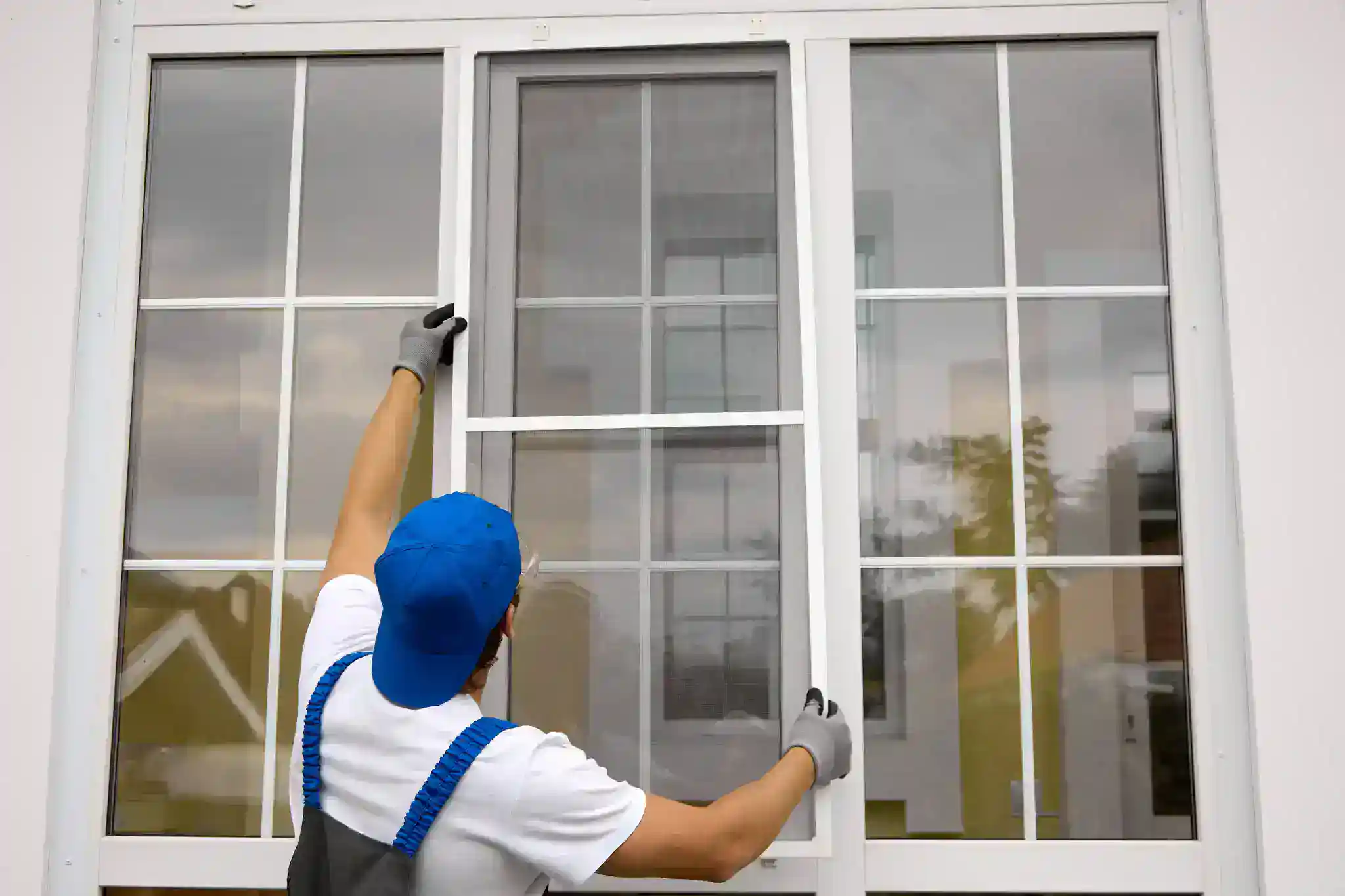
Complete seasonal gutter maintenance guide for San Diego homeowners, covering spring cleaning, fall preparation, and year-round protection strategies.
Share:

Summary:
San Diego’s weather patterns create specific maintenance windows that smart homeowners use to their advantage. You’re not dealing with typical seasonal changes—you’re managing coastal moisture, drought periods, and sudden deluges.
The timing matters because debris buildup happens differently here. Summer brings dry conditions that make cleaning easier, while fall preparation becomes critical before winter rains arrive. Most homeowners wait too long and end up with emergency repairs instead of simple maintenance.
Your gutters need attention at least twice yearly, but the specific timing can save you hundreds in damage prevention. Spring cleaning addresses winter accumulation, while fall maintenance prepares your system for the wettest months ahead.
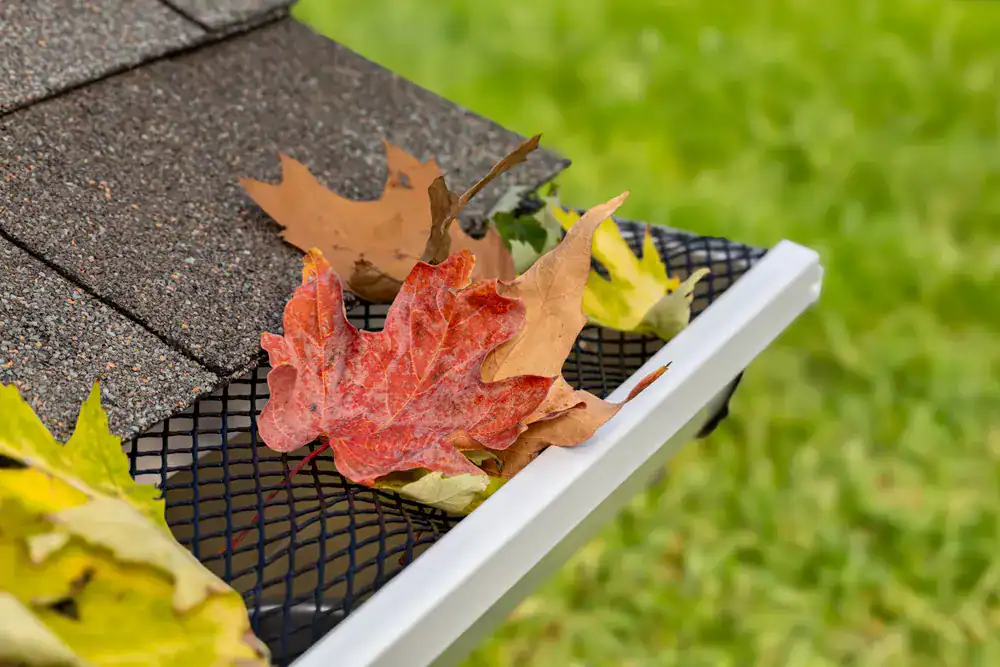
Spring cleaning isn’t just about removing leaves—it’s about addressing what San Diego’s winter does to your gutters. Even our mild winters create specific problems that need targeted solutions.
Start by clearing debris that accumulated during the rainy months. Winter storms bring more than water—they deposit sediment, small branches, and organic matter that creates perfect conditions for clogs. This material becomes compacted and harder to remove as it dries, so early spring timing gives you the advantage.
Check for damage that winter weather caused. Look for loose hangers, separated joints, or sections that pulled away from your roofline. San Diego’s occasional heavy rains put stress on gutter systems that aren’t designed for sudden volume changes. Small problems discovered in spring become manageable repairs instead of emergency replacements.
Pay special attention to downspout connections and drainage areas. Winter runoff often reveals weak points in your system—areas where water pooled instead of flowing properly. These spots need immediate attention before summer’s dry period makes you forget about them.
Test your system with a garden hose before you need it. Run water through each section to verify proper flow and identify any remaining blockages. This simple test often reveals problems that visual inspection misses, especially in areas where debris settled during winter storms.
Your spring inspection needs to address San Diego’s specific environmental factors. Coastal conditions create different wear patterns than inland areas experience, and your maintenance approach should reflect these realities.
Examine gutter materials for salt air corrosion, especially if you’re near the coast. This isn’t obvious damage—look for subtle pitting, discoloration, or areas where protective coatings have worn thin. Coastal homes in Point Loma, La Jolla, and other oceanside neighborhoods face accelerated deterioration that requires proactive attention.
Inspect mounting hardware with extra care. San Diego’s temperature swings, while mild compared to other regions, still cause expansion and contraction that loosens fasteners over time. Check every hanger, bracket, and support for tightness and proper alignment. Loose hardware leads to sagging sections that create drainage problems.
Look for signs of pest activity that winter conditions encouraged. Birds, rodents, and insects often use gutters for shelter during cooler months. Remove any nests, droppings, or other evidence of unwanted residents. These materials don’t just block water flow—they create health hazards and attract more pests.
Document problem areas with photos and notes. Spring inspection gives you months to plan repairs before fall maintenance becomes critical. Use this time advantage to research solutions, get multiple quotes for significant work, and schedule repairs during contractors’ less busy periods.
Check surrounding vegetation that grew during winter rains. Trees and shrubs that seemed harmless in drought conditions might now pose threats to your gutter system. Trim back growth that could drop debris or damage gutters during summer’s drier conditions when plants become brittle.
Want live answers?
Connect with a MRH Pro Construction & Painting expert for fast, friendly support.
Fall preparation determines how well your gutters handle San Diego’s wettest months. This isn’t about cleaning—it’s about preparing your system for conditions it hasn’t faced since last winter.
San Diego’s fall brings unique challenges that catch homeowners off guard. Jacaranda trees drop sticky blooms that create stubborn clogs. Oak trees shed leaves that mat together when wet. Even palm trees contribute debris that blocks proper water flow.
Your fall maintenance window is narrow but critical. Wait too long, and early rains turn dry debris into soggy masses that are harder to remove. Start too early, and you’ll need to repeat the process as more material falls.
Focus on capacity and flow rather than just cleanliness. Fall rains often arrive in concentrated bursts that test your system’s ability to handle volume quickly. Clean gutters that can’t move water fast enough still cause problems.
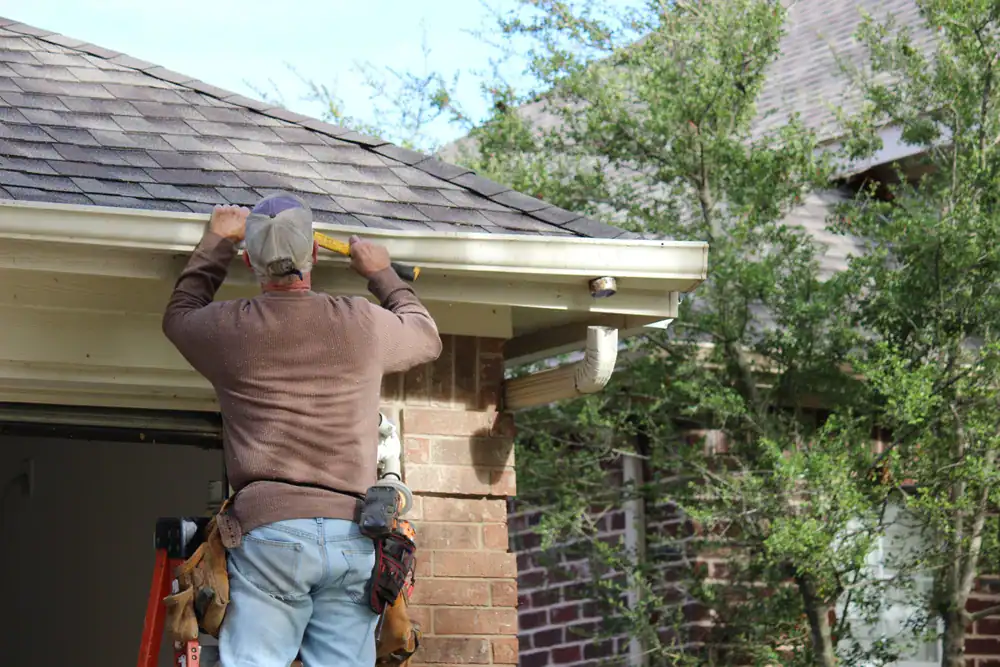
San Diego’s diverse tree population creates specific challenges that generic gutter advice doesn’t address. You need strategies that work for jacarandas, eucalyptus, oaks, and the other species that define our landscape.
Jacaranda trees present the biggest challenge for many homeowners. Their purple blooms are beautiful but create sticky, resinous clogs that resist normal cleaning methods. These flowers don’t just wash away—they stick to gutter surfaces and trap other debris. Remove jacaranda blooms as soon as they fall, before they have time to create stubborn buildups.
Eucalyptus trees shed bark, leaves, and seed pods year-round, but fall brings increased activity. This debris doesn’t decompose quickly and creates long-lasting blockages. Eucalyptus material also contains oils that can stain gutters and create slippery surfaces that make cleaning more dangerous.
Oak trees in San Diego drop leaves that form dense mats when wet. Unlike deciduous trees in other climates, our oaks don’t drop everything at once. You’ll need multiple cleaning sessions to stay ahead of the accumulation. Pay special attention to valley areas where oak leaves tend to collect.
Palm trees contribute fronds, berries, and fiber that creates unique problems. Palm debris doesn’t break down easily and often requires manual removal rather than flushing with water. The fibrous material can wrap around downspout screens and create persistent blockages.
Plan your cleaning schedule around peak dropping periods for the trees on your property. Most San Diego trees have predictable patterns—learning these helps you time maintenance for maximum effectiveness with minimum effort.
San Diego’s winter storms arrive differently than other regions experience. Instead of gradual seasonal changes, we get sudden weather shifts that test unprepared gutter systems. Your fall preparation needs to account for these realities.
Capacity becomes critical when storms hit. San Diego’s winter rains often come in intense bursts rather than steady precipitation. Your gutters need to handle more water in less time than summer systems require. This means guaranteeing not just cleanliness, but optimal flow characteristics throughout your entire system.
Check and secure all connections before storm season begins. Temperature changes and wind can loosen joints that seemed solid during dry months. Pay special attention to corner connections and downspout attachments—these areas handle the most stress during heavy water flow periods.
Verify that your drainage system can handle increased volume. Gutters that work fine during light rains often overwhelm drainage areas during storms. Check that water flows away from your foundation and doesn’t pool in areas that could cause structural problems.
Install or inspect gutter guards if your property has heavy tree coverage. Areas like Rancho Bernardo, Point Loma, and La Jolla often need additional protection during fall months when debris accumulation accelerates. Gutter guards aren’t perfect solutions, but they reduce maintenance frequency and provide backup protection during storm periods.
Test your system before you need it. Run substantial water through gutters to simulate storm conditions and identify weak points while you can still address them. This testing often reveals problems that visual inspection misses—blockages in downspouts, inadequate slope in gutter sections, or drainage issues that only appear under flow conditions.
Consistent gutter maintenance protects your home investment and prevents the emergency repairs that cost thousands instead of hundreds. San Diego’s unique conditions reward homeowners who understand seasonal timing and address problems before they escalate.
Spring and fall maintenance windows give you control over your home’s protection system. Use spring cleaning to address winter damage and fall preparation to handle our wettest months. This approach costs less and works better than reactive emergency repairs.
When you need professional expertise for gutter maintenance, repairs, or exterior remodeling that protects your investment, we bring 16 years of experience to San Diego County homes. We understand the specific challenges your property faces and provide solutions that work in our climate.
Article details:
Share:
Continue learning: