
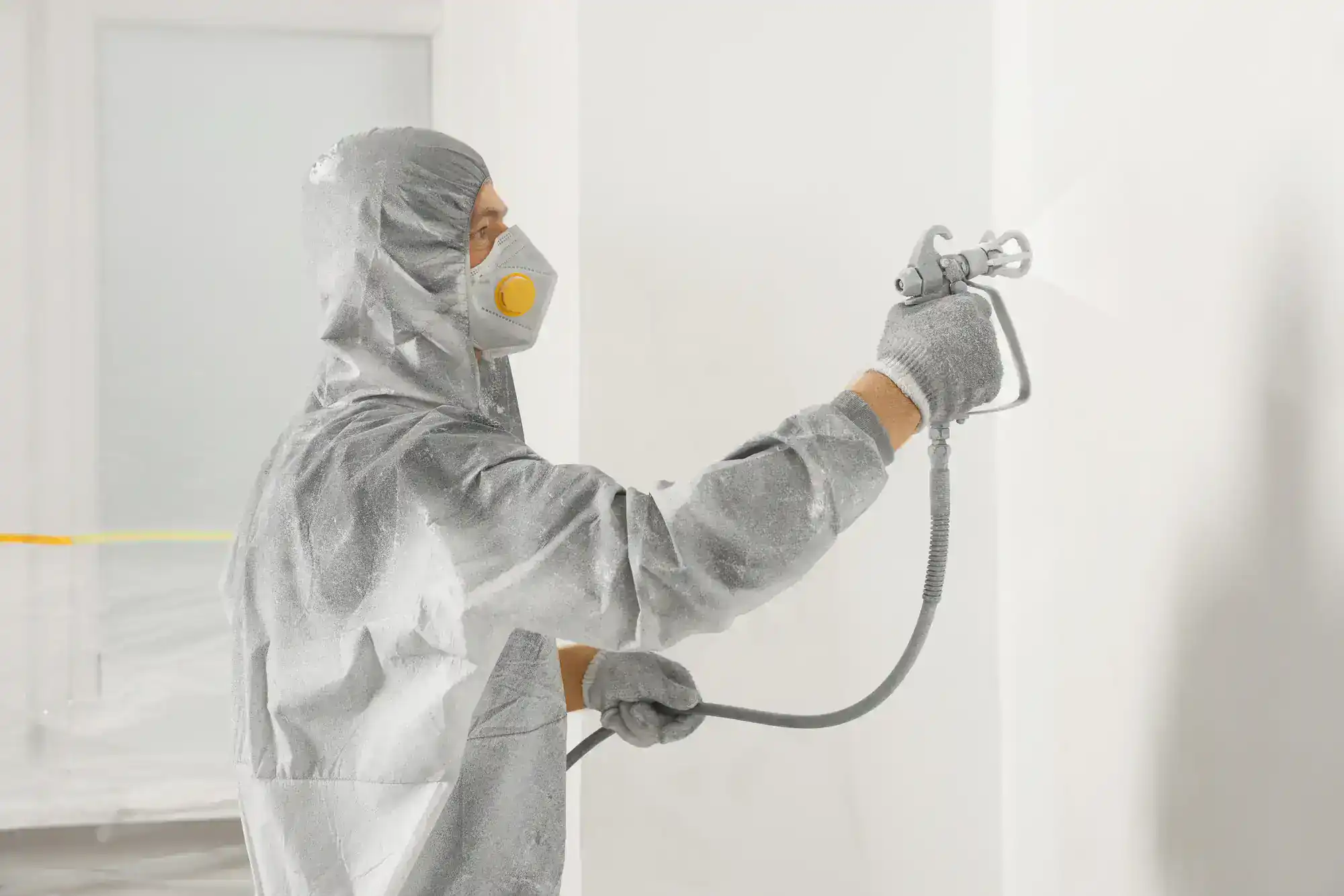
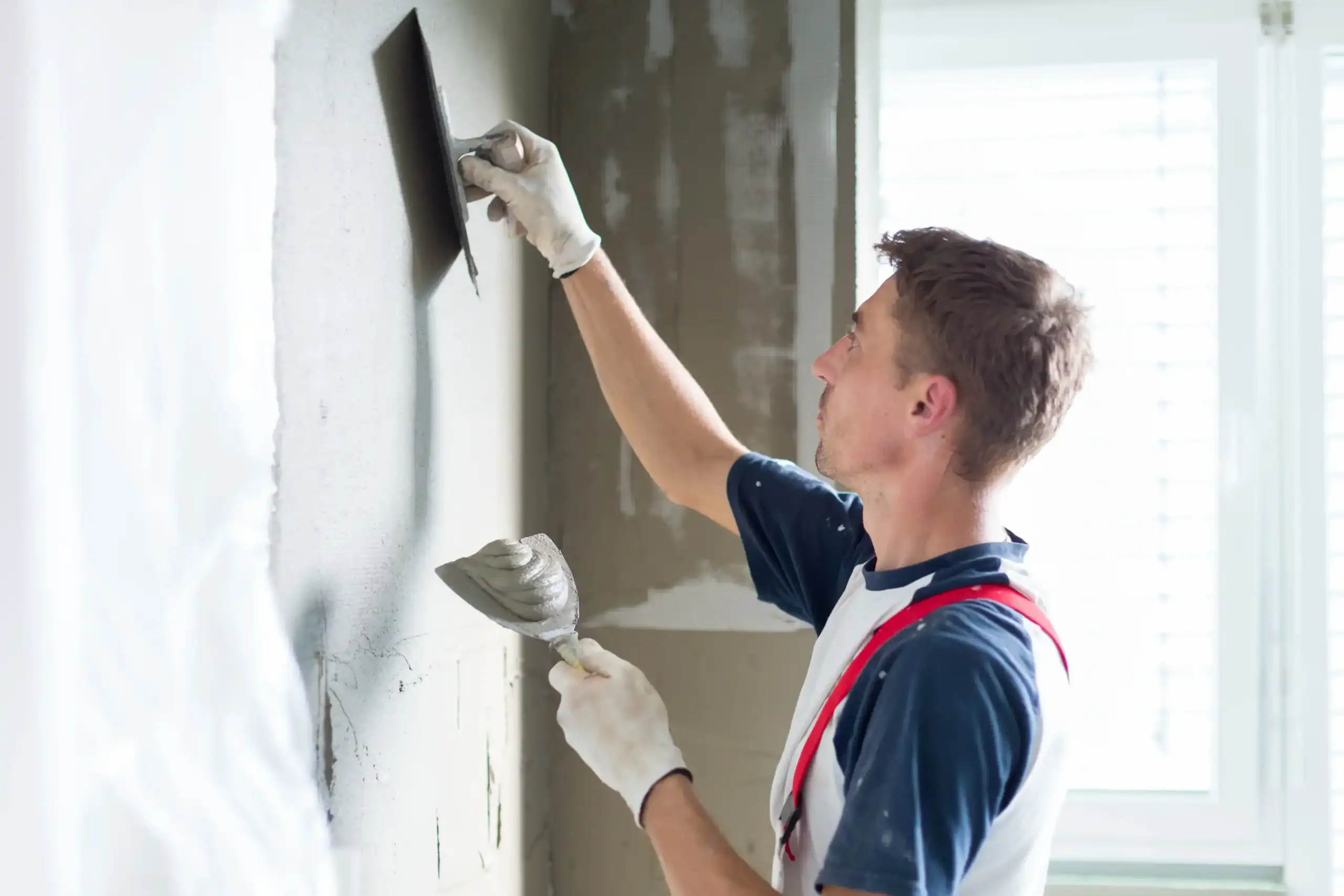
A good paint job does more than change how your home looks. It protects your siding from UV damage, keeps moisture out of your walls, and stops small cracks from becoming expensive repairs.
La Mesa’s climate is tough on exterior paint. Temperature swings between morning and afternoon cause expansion and contraction. Sun exposure fades cheap paint in months, not years. Wind carries dust and debris that wears down finishes faster than you’d expect.
When you hire a residential painter who knows what they’re doing, you get proper surface prep, the right products for San Diego County’s weather, and application methods that actually seal and protect. That means fewer repaints, less maintenance, and a home that holds its value. The paint protects the structure underneath, which is what really matters when you’re looking at long-term costs.
We’ve been handling exterior remodeling in La Mesa and throughout San Diego County since 2009. We recently obtained our B general and C33 licenses, which means we’re moving away from subcontracting and working directly with homeowners and business owners.
That shift matters because you’re communicating with the actual crew doing the work. No middleman, no miscommunication, no wondering who’s responsible when something needs attention. Our seven-person team focuses on 2-3 quality projects each month instead of rushing through a dozen small jobs.
We know La Mesa’s housing stock, the common issues with stucco in this area, and what products hold up in this specific climate. We also offer 10% discounts for military members and seniors.
First, we come out to look at what you need painted. We’re checking for more than square footage—we’re looking at surface condition, moisture issues, previous paint failures, and anything that’ll affect how long the new paint lasts.
You get a written estimate that breaks down labor, materials, and timeline. If you move forward, we schedule based on weather and our crew availability. Most residential painting in La Mesa takes anywhere from a few days for interior rooms to a week or more for full exterior work.
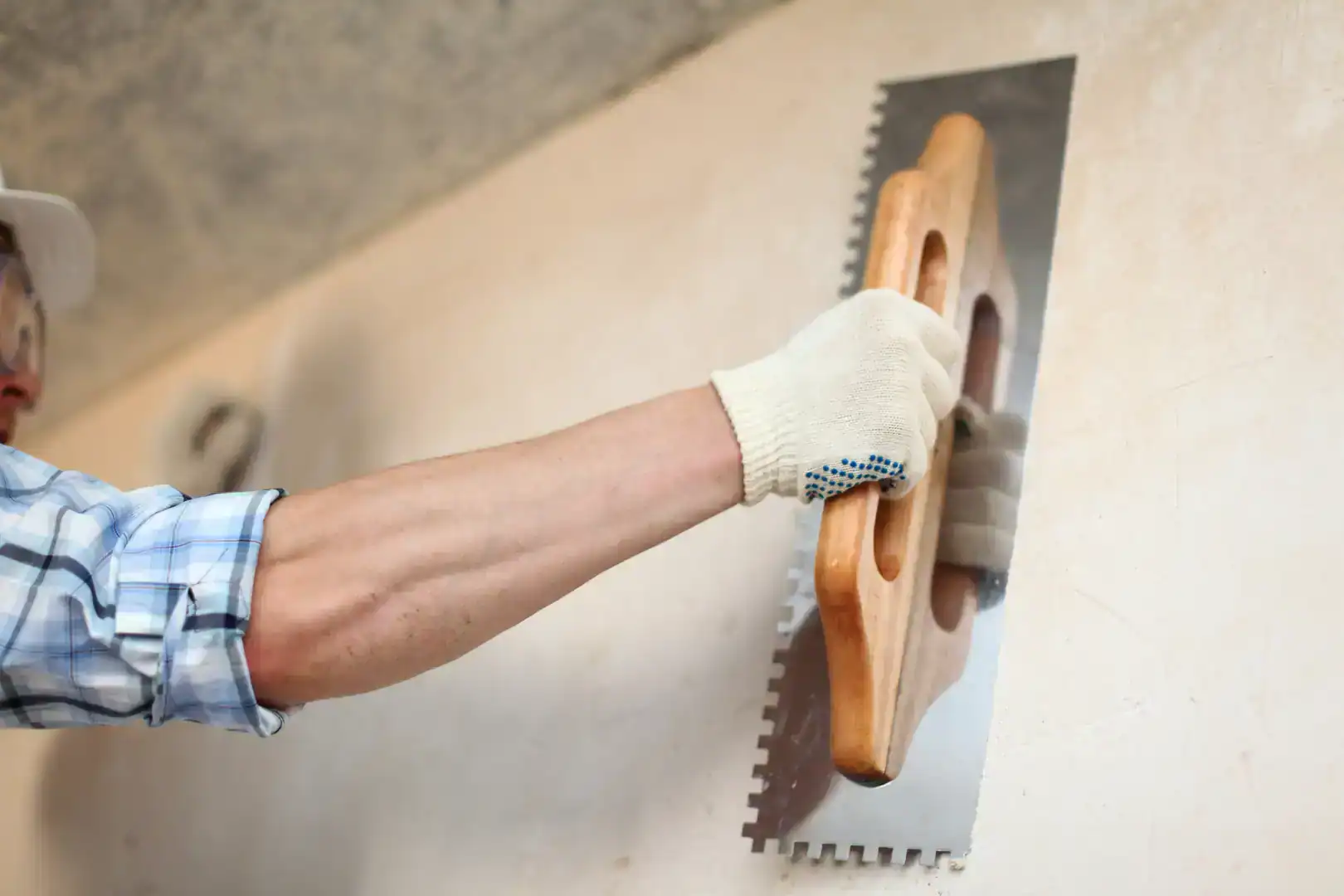
Prep is where quality gets built in. We’re scraping loose paint, filling cracks, sanding rough spots, caulking gaps, and priming bare surfaces. Rushing this part is how you end up with peeling paint six months later. Application comes next—multiple coats, proper drying time between coats, attention to edges and trim.
We don’t consider the job done until you’ve walked through it and you’re satisfied. That’s not a marketing line—it’s how we operate. If something doesn’t look right, we handle it before we pack up.

Ready to get started?
We handle interior painting for homes and businesses—walls, ceilings, trim, doors, cabinets. Interior work in La Mesa often involves dealing with textured walls, older plaster, or previous DIY jobs that need correction before new paint goes on.
Exterior painting is where our experience in exterior remodeling really shows. We’re not just painting over problems—we’re identifying them first. Stucco cracks, wood rot, failed caulking, moisture intrusion. If your exterior has issues, paint won’t fix them. We address what’s underneath so the paint job actually protects your home.
Commercial painting services cover storefronts, offices, and business properties throughout La Mesa. Scheduling matters more on commercial jobs, and we work around your business hours when needed. The same attention to surface prep and quality materials applies whether it’s a home or a business.
We use products chosen specifically for San Diego County’s sun exposure, temperature ranges, and coastal conditions. That’s not every paint brand’s standard formula. The wrong product might look fine initially but fail faster than it should in this climate.
Quality exterior paint in La Mesa typically lasts 7-10 years, but that depends heavily on surface prep, product choice, and sun exposure. South and west-facing walls take more UV damage and may need repainting sooner than north-facing surfaces.
Cheap paint or poor surface preparation cuts that timeline significantly. If the previous paint is peeling or the surface wasn’t primed properly, you might see failure in 2-3 years instead of 7-10. Temperature swings in La Mesa cause expansion and contraction, which is why proper caulking and flexible paint products matter.
Stucco holds paint differently than wood siding. Stucco is porous and needs breathable paint that allows moisture to escape. Trapping moisture behind paint on stucco leads to bubbling, peeling, and potential water damage to the structure underneath. We match the paint type to the surface and the specific exposure conditions on your property.
Surface prep starts with inspection. We’re looking for loose or peeling paint, cracks, wood rot, failed caulking, mold, mildew, and any moisture issues that need addressing before paint goes on.
Next comes cleaning—removing dirt, dust, cobwebs, and chalky residue from old paint. Pressure washing works for some surfaces but can damage others, so we adjust based on what we’re working with. Scraping removes loose paint, then we sand rough edges so you don’t see ridges through the new paint.
Caulking fills gaps around windows, doors, trim, and anywhere two surfaces meet. Old caulk that’s cracked or pulling away gets removed first. Priming bare wood, patched areas, and stucco repairs ensures the finish coat adheres properly and looks uniform. Skipping primer is a common shortcut that leads to uneven color and early paint failure. All of this happens before the first coat of paint, and it’s where quality gets built into the job.
Usually, yes. Window replacement and stucco repairs almost always require repainting the affected areas, and matching existing paint perfectly is nearly impossible.
When we install new windows, we’re cutting into stucco or siding, adding flashing, sealing gaps, and sometimes repairing the surrounding structure. That leaves bare surfaces, patched areas, and texture differences that need priming and painting. Even if we use the same paint color, weathered paint doesn’t match fresh paint—sun exposure changes the color over time.
Stucco work is even trickier. New stucco has a different texture and porosity than 10 or 20-year-old stucco. Paint absorbs differently, which means the new section will look like a patch even with the same paint. Most homeowners doing stucco repairs end up repainting the entire wall or the whole house to get a uniform appearance. Planning for painting costs when you’re budgeting for windows or stucco work avoids surprises later.
Exterior painting for an average single-story home in La Mesa typically runs $3,000-$6,000. Two-story homes or homes with complex trim, multiple colors, or extensive prep work cost more—often $6,000-$12,000 or higher depending on size and condition.
Interior painting costs less per square foot but varies based on how many rooms, ceiling height, and whether you’re painting walls only or including trim, doors, and ceilings. A few rooms might cost $1,500-$3,000, while a whole-house interior could run $5,000-$10,000+.
The biggest cost variables are surface condition and prep requirements. If we’re scraping and priming a lot of failed paint, repairing wood rot, or dealing with stucco cracks, labor hours increase. Product quality also affects price—premium exterior paint costs more upfront but lasts longer, which saves you money over time. We provide written estimates that break down what you’re paying for so you can make an informed decision. The cheapest bid often means shortcuts in prep or lower-quality materials, which costs more in the long run when you’re repainting sooner than you should.
Yes, winter painting is possible in La Mesa because temperatures rarely drop low enough to prevent paint from curing properly. Most paints need temperatures above 50°F during application and drying, and La Mesa’s winter days usually stay in the 60s.
The bigger concern in winter is rain. We don’t paint exterior surfaces when rain is forecasted within 24-48 hours because moisture affects adhesion and curing. Winter storms in San Diego County are unpredictable, so scheduling flexibility matters more than it does in summer.
Interior painting happens year-round without weather concerns. Ventilation is easier in winter when you can open windows without overheating the house. Exterior work slows down slightly in winter due to shorter daylight hours and occasional rain delays, but it’s not off the table like it would be in climates with freezing temperatures. We monitor weather forecasts closely and adjust schedules to protect your investment.
A painting contractor in California holds a C-33 license, which requires passing exams, proving experience, and maintaining insurance and bonding. A painter might work under someone else’s license or operate without proper licensing, which puts you at risk if something goes wrong.
Licensed contractors are accountable to the California Contractors State License Board. If there’s a dispute, you have recourse. Unlicensed workers don’t offer that protection, and your homeowner’s insurance might not cover damage they cause. Permits for certain painting work require a licensed contractor to pull them.
We hold both a B general contractor license and a C-33 painting specialty license. That means we can handle painting as part of larger remodeling projects or as standalone work. We carry insurance, pull permits when required, and operate transparently. Hiring a licensed painting contractor costs slightly more than hiring someone without a license, but you’re paying for accountability, insurance protection, and work that meets California building standards.