Thinking about new siding? This guide covers materials, costs, installation steps, and climate considerations specific to San Diego County homes.
Share:
Summary:
Most siding doesn’t fail overnight. It gives you warnings—sometimes subtle, sometimes not. The trick is catching them before small issues turn into structural problems that cost exponentially more to fix.
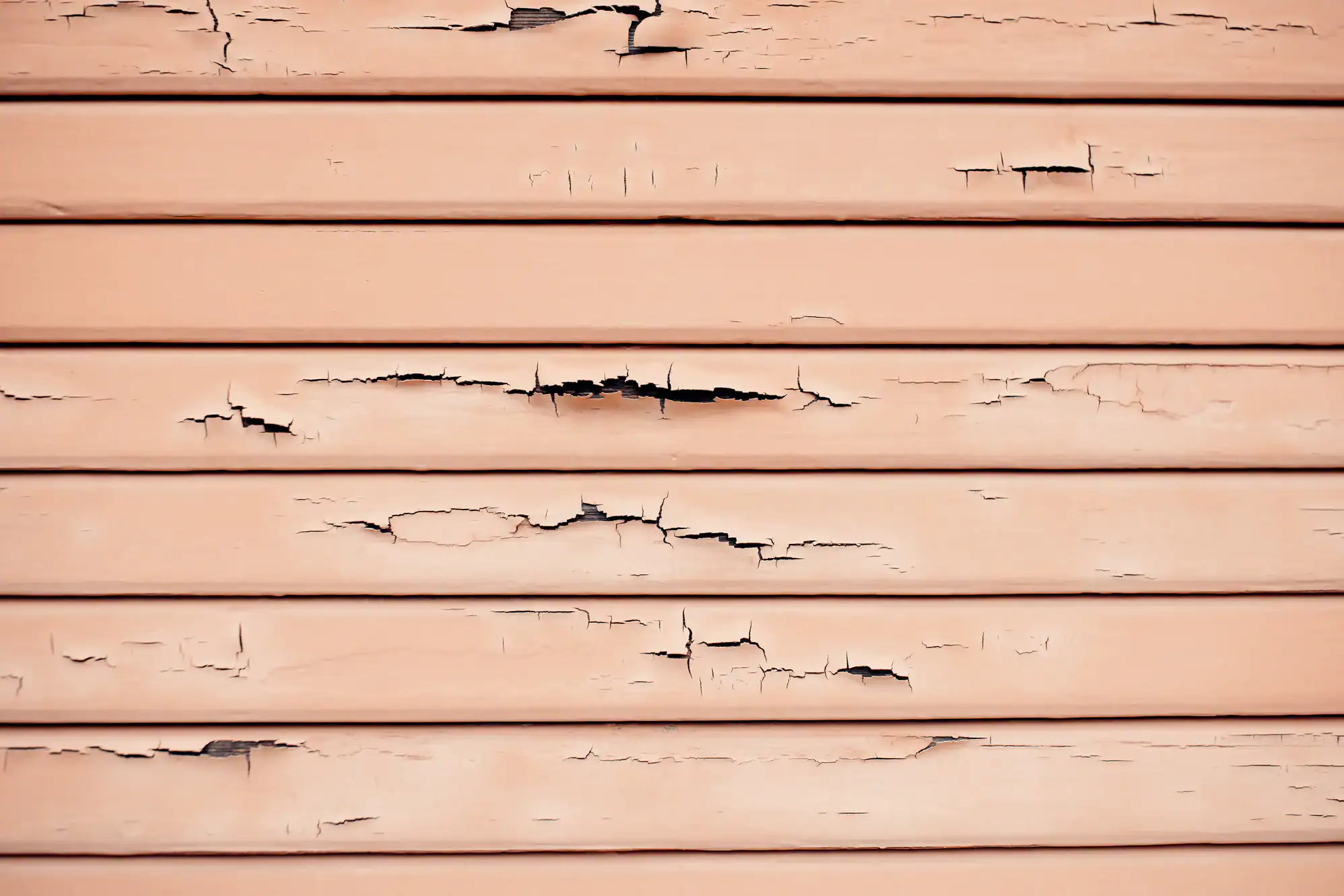
Walk around your house and look closely. Are there cracks, even small ones? Warping or boards that look bent? Any sections pulling away from the wall? These aren’t cosmetic issues. They’re entry points for moisture, and moisture is what leads to rot, mold, and the kind of damage that hides behind your walls until it’s too late.
Check for bubbling or blistering too. That means water is already trapped under the surface. Your siding is supposed to keep water out, not hold it in. If you see this, replacement isn’t optional—it’s necessary.
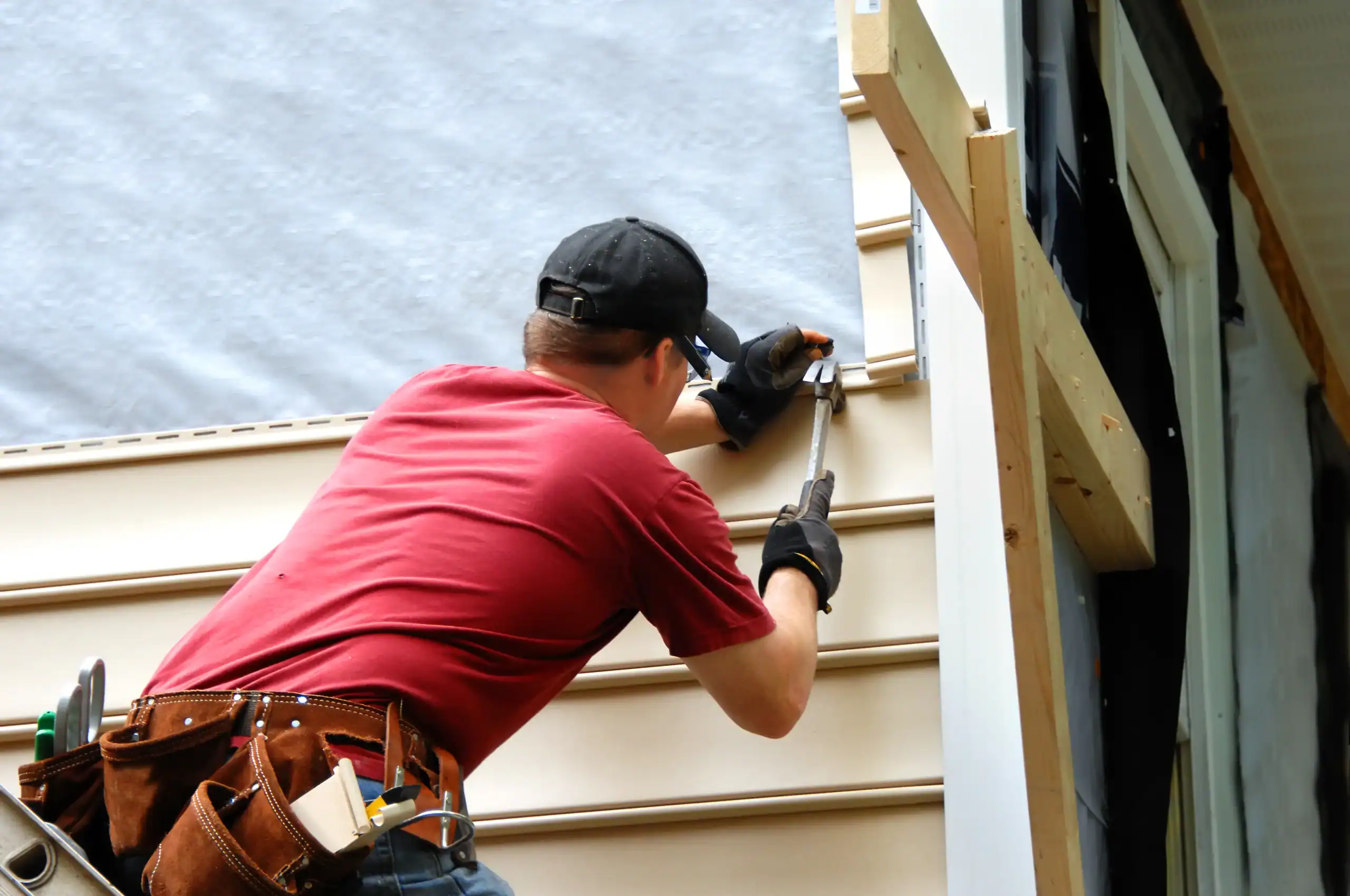
Fading is one of the most common signs homeowners ignore. Sure, it looks bad, but it also means your siding’s protective coating is breaking down. Once that weatherproofing layer is compromised, deterioration accelerates. You’ll start seeing more serious damage within a year or two.
Frequent repainting is another red flag. Most homes need fresh paint every 8-10 years. If you’re repainting every 3-6 years, the problem isn’t the paint—it’s what’s underneath. The siding material itself is failing, and no amount of paint is going to fix that long-term.
Then there are the energy bills. If yours have been creeping up and you’ve ruled out your HVAC system, windows, and insulation, your siding might be the culprit. Gaps, cracks, and deteriorating material let conditioned air escape, forcing your system to work harder. That’s money leaving your house every month.
Mold, mildew, or fungus growth on your siding means moisture is getting trapped. This isn’t just ugly—it’s a health risk and a sign that your siding has lost its ability to shed water properly. In San Diego’s coastal areas, where humidity can linger, this problem compounds quickly.
Pest damage is the final warning sign most people catch too late. If you see holes, gnaw marks, or pieces of siding in your yard, pests have already moved in. Termites, carpenter ants, and even woodpeckers exploit weak or rotting siding. Once they’re in, the damage spreads fast.
Interior issues can also point to failing siding. Peeling paint or wallpaper inside your home, especially on exterior walls, often means water is penetrating through compromised siding and into your walls. This is structural damage in progress, not just a cosmetic annoyance.
Delaying siding replacement doesn’t save money—it costs more. Water damage doesn’t stay surface-level. It seeps into sheathing, framing, and insulation. What starts as a $12,000 siding project can balloon into a $25,000+ job once you factor in structural repairs, mold remediation, and replacing rotted framing.
San Diego’s climate makes this worse in specific ways. The coastal moisture combined with occasional intense sun creates expansion and contraction cycles that accelerate material breakdown. Inland areas deal with hotter temperatures that warp vinyl and fade paint faster. And when the Santa Ana winds bring dry heat and fire risk, old siding becomes a liability, not just an eyesore.
Insurance companies notice too. If your siding is visibly deteriorated, you might face higher premiums or even coverage denials for water damage claims. They know compromised siding leads to bigger problems, and they price that risk accordingly.
The longer you wait, the more your home’s value drops. Buyers see damaged siding and immediately start calculating repair costs—then they deduct that from their offer. In competitive markets, homes with obvious exterior issues sit longer and sell for less. Fresh siding, on the other hand, recoups 75-88% of its cost at resale, making it one of the highest-ROI home improvements you can make.
Curb appeal matters more than most homeowners think. Your siding is the first thing people see. Faded, cracked, or warped siding sends a message that the home hasn’t been maintained. Even if everything inside is perfect, that first impression sticks. New siding flips that perception instantly.
Want live answers?
Connect with a MRH Pro Construction & Painting expert for fast, friendly support.
Not all siding performs the same in San Diego’s climate. What works great in Seattle or Phoenix might fail here. You need materials that handle coastal moisture, intense UV exposure, occasional heat spikes, and—increasingly important—fire resistance.
The three most common options are fiber cement, vinyl, and wood. Each has real advantages and real drawbacks. Your choice depends on budget, maintenance tolerance, aesthetic goals, and how long you plan to stay in your home. Let’s break down what actually matters.
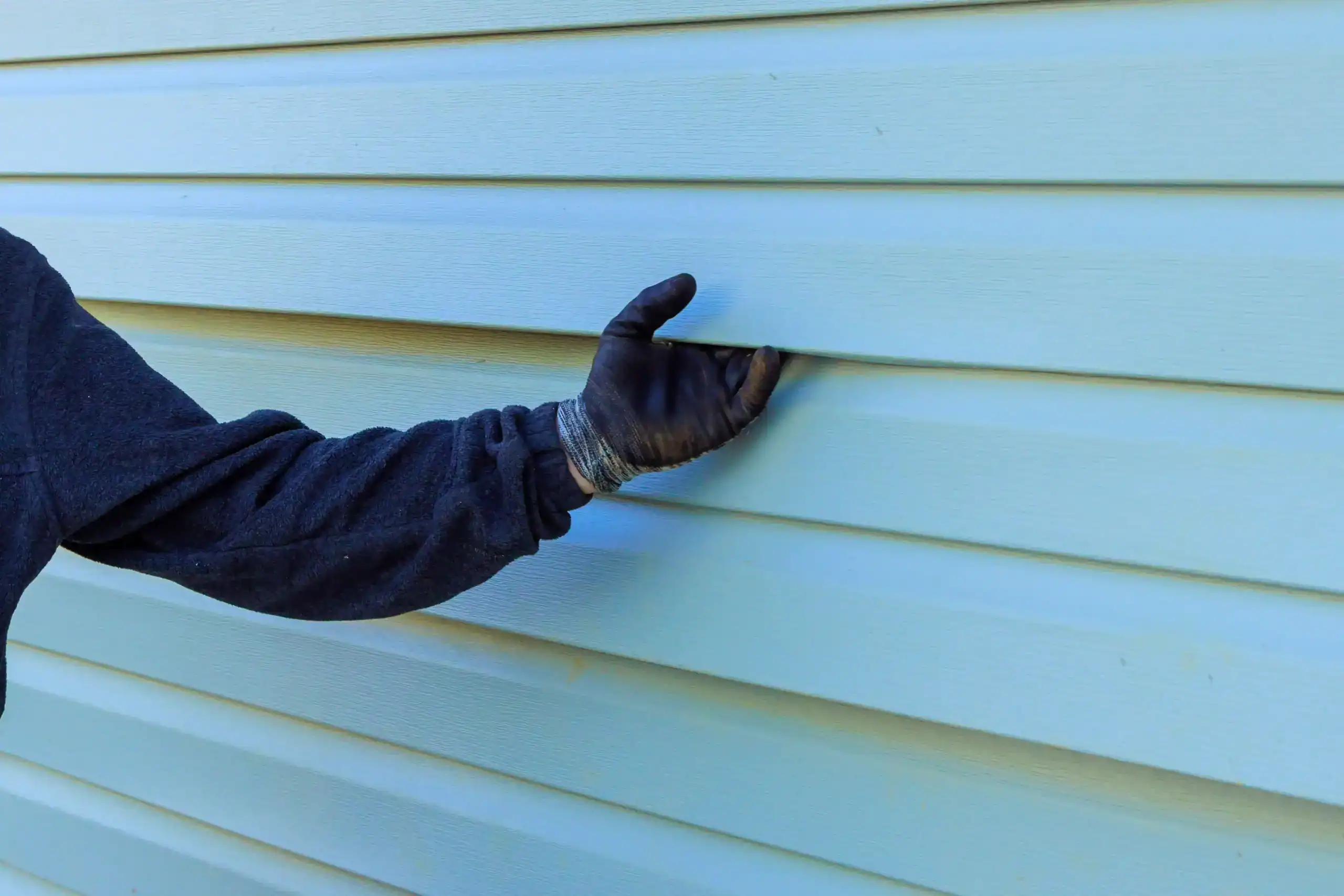
Fiber cement is the workhorse of siding materials. It’s made from cement, sand, and cellulose fibers, creating a product that’s tough, fire-resistant, and built to last 50-100 years with proper maintenance. In San Diego, where wildfire risk is climbing, that Class A fire rating isn’t just a spec—it’s peace of mind.
James Hardie is the dominant brand, and for good reason. Their HZ10 product line is specifically engineered for coastal California. It resists salt air, humidity, and UV damage better than generic fiber cement. That matters here, where coastal fog and sun exposure can destroy lesser materials in a decade.
Fiber cement handles temperature swings without warping. When inland areas hit 95°F+ during Santa Ana wind events, vinyl siding can buckle. Fiber cement doesn’t flinch. It also resists moisture infiltration better than wood, meaning less rot and fewer pest problems over time.
The downsides are real though. Installation costs run $10-13 per square foot, making it pricier upfront than vinyl. It’s also heavy, which complicates installation and requires experienced contractors who know how to handle it properly. And you’ll need to repaint it every 10-15 years as the finish fades, though factory-finished options with ColorPlus technology extend that timeline significantly.
Maintenance is moderate. You’re not painting every few years like wood, but you’re not completely hands-off either. Periodic inspections for cracks, recaulking joints, and washing it down annually keeps it performing well. Most homeowners find this manageable, especially compared to wood’s constant demands.
The ROI is strong. Fiber cement replacement averages an 88.5% return on investment at resale. Buyers recognize the quality, appreciate the fire resistance, and value the low maintenance. In neighborhoods where most homes have vinyl or stucco, fiber cement stands out in a way that adds real market value.
Vinyl siding is the budget-friendly option that still delivers decent performance—if you choose the right product and install it correctly. At $2-7 per square foot, it’s the most affordable material by far. For homeowners watching costs, that price difference is significant.
Maintenance is minimal. You’re basically washing it with a garden hose and soap once or twice a year. No painting, no sealing, no constant upkeep. For people who don’t want to think about their siding, vinyl makes sense.
The color selection is massive. Modern vinyl comes in hundreds of shades and styles, including options that mimic wood grain convincingly. You can match almost any architectural style, and the color goes all the way through the material, so scratches don’t show as obviously as they do on painted surfaces.
But vinyl has limitations in San Diego’s climate. It can warp or buckle in extreme heat, particularly in inland areas where temperatures regularly exceed 90°F. UV exposure causes fading over time—not catastrophic, but noticeable after 10-15 years. And while vinyl is fire-resistant, it’s not fire-proof. It melts at high temperatures, which matters in fire-prone areas.
Insulated vinyl siding addresses some of these concerns. Foam backing improves energy efficiency and adds rigidity, reducing the warping risk. It costs slightly more ($4+ per square foot), but the performance upgrade is worth it if you’re set on vinyl.
Lifespan is the biggest trade-off. Vinyl lasts 20-40 years depending on climate and quality. In harsh San Diego sun, expect the lower end of that range. Fiber cement will outlast vinyl by decades, so the upfront savings disappear if you’re planning to stay in your home long-term.
Environmental concerns exist too. Vinyl is made from PVC, which isn’t easily recyclable and releases harmful chemicals during production. If sustainability matters to you, fiber cement or wood are better choices.
Despite the drawbacks, vinyl delivers solid ROI—about 80% cost recovery at resale. For homeowners prioritizing affordability and minimal maintenance over maximum longevity, it’s a defensible choice.
Wood siding offers unmatched natural beauty but demands constant attention. Cedar and redwood are the most common options, priced at $3-10 per square foot. They look incredible when maintained, but that’s the catch—maintenance is relentless.
You’re repainting or restaining every 3-5 years. You’re inspecting for rot, treating for pests, and replacing damaged boards regularly. In San Diego’s coastal areas, moisture accelerates rot. Inland, intense sun and heat cause cracking and warping. Wood requires commitment.
Fire resistance is poor unless you treat it with fire-retardant coatings, which add cost and need reapplication. In today’s fire-conscious California market, wood siding is increasingly seen as a liability, not an asset.
If you love the aesthetic and are willing to do the work, wood can last decades. But most homeowners underestimate the maintenance burden and end up regretting the choice within five years. Unless you’re committed to ongoing care or have a historic home that requires wood, fiber cement or quality vinyl makes more practical sense.
Article details:
Share:
Continue learning: