San Diego's exterior remodeling landscape is shifting toward warm, natural tones and climate-smart materials that actually last in coastal conditions.
Share:
Summary:
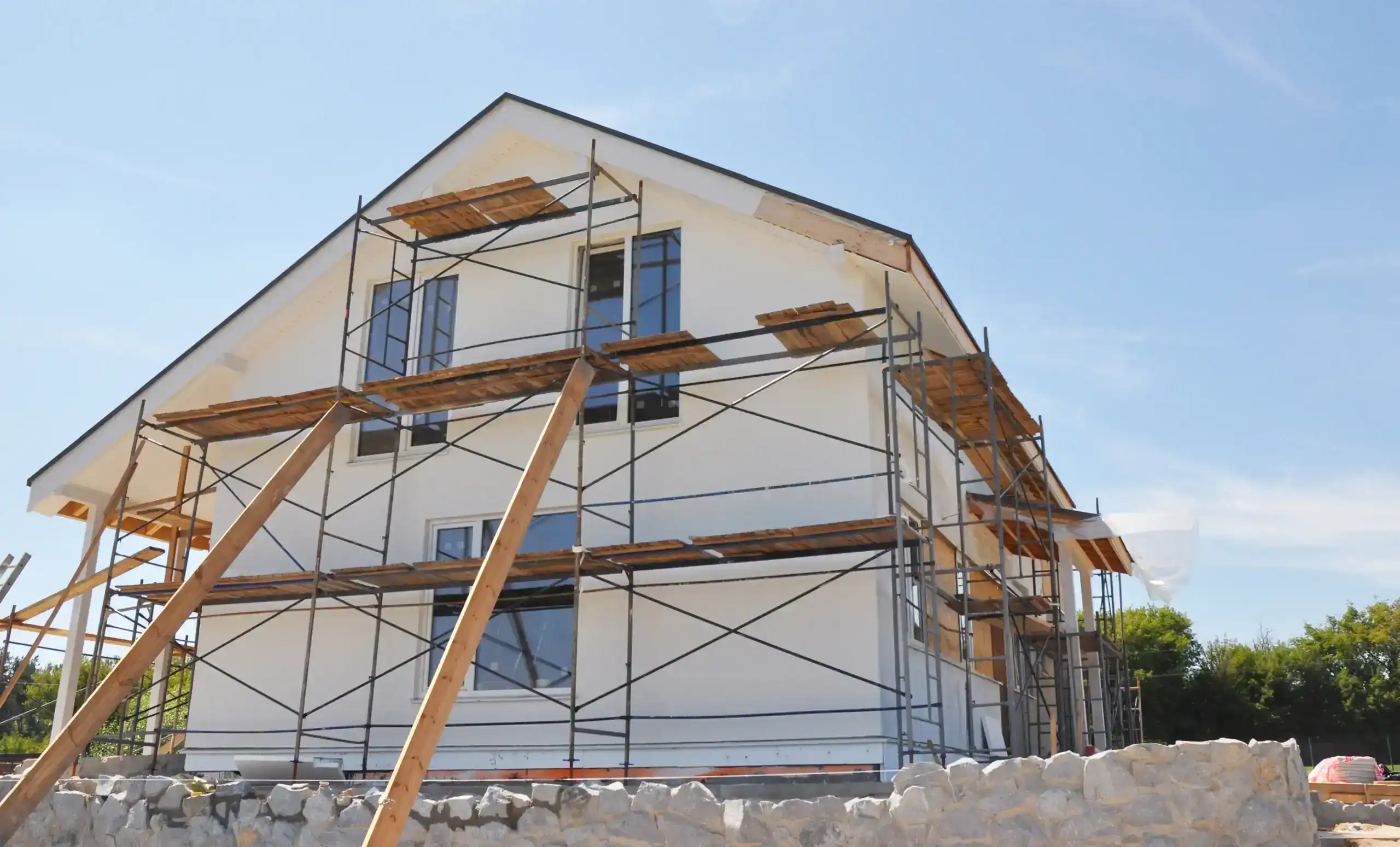
Siding trends in 2026 reflect a shift toward materials that don’t just look modern but actually perform in San Diego’s coastal environment. You’re seeing more fiber cement, mixed material combinations, and textures that add depth without requiring constant maintenance.
The days of choosing siding solely based on appearance are fading. Homeowners now want options that resist UV damage, handle moisture without warping, and don’t fade after a few summers in the San Diego sun. That’s pushing fiber cement siding to the forefront, especially engineered products designed specifically for California’s coastal zones.
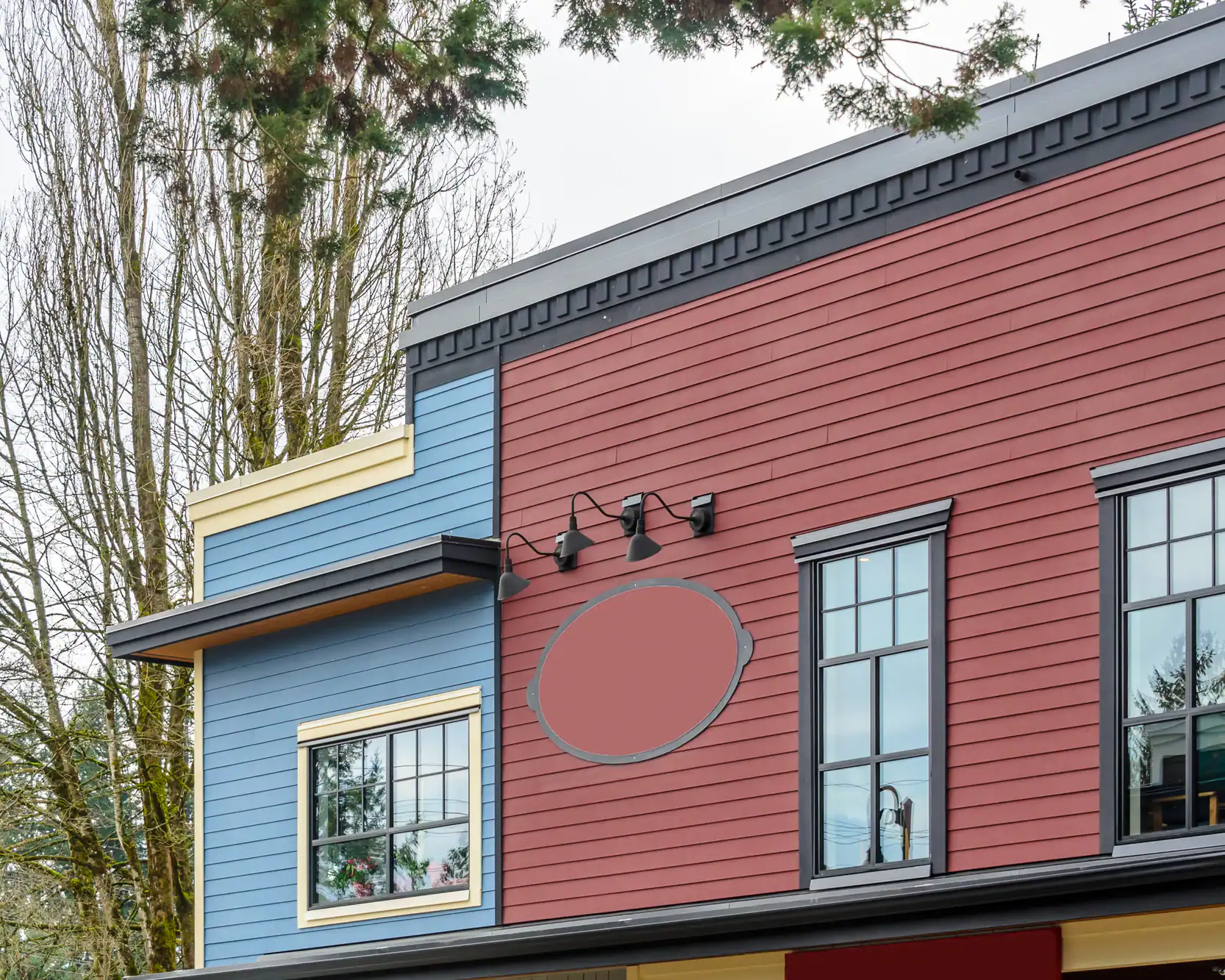
Mixed materials are also gaining ground. Combining smooth fiber cement panels with stone accents or board-and-batten details creates visual interest while letting you use the best material for each application. It’s a practical approach that happens to look really good.
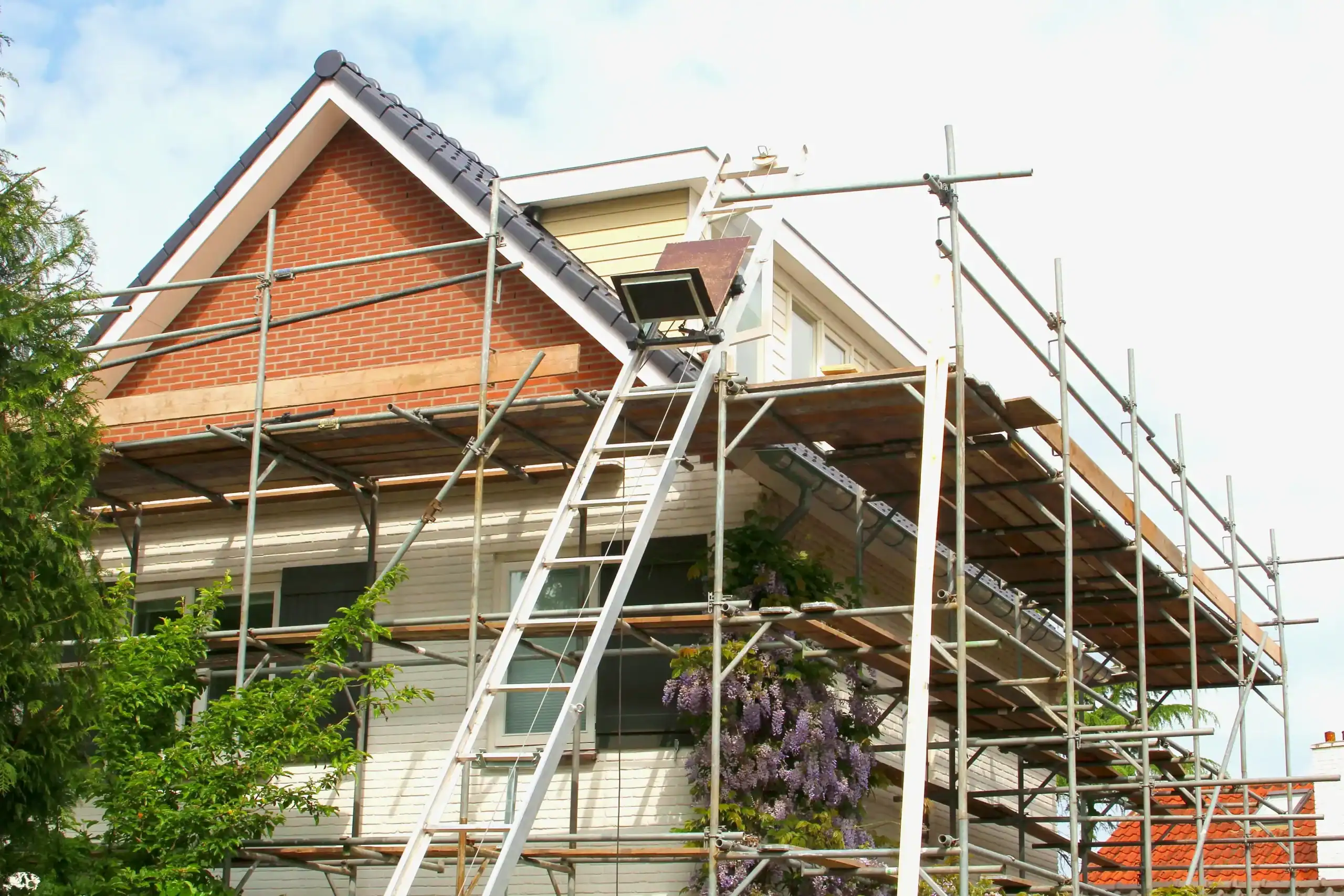
Fiber cement has become the go-to choice for San Diego exterior remodeling, and it’s not hard to see why. This material handles everything the coastal climate throws at it—UV rays, salt air, moisture, even fire. It’s engineered from cement, sand, and cellulose fibers, creating a product that won’t rot, warp, or attract pests the way traditional wood siding does.
James Hardie is the name you’ll hear most often, and for good reason. Their HZ10 product line is specifically formulated for coastal California, with enhanced moisture resistance that matters when you’re dealing with morning marine layer and afternoon sun. The material can last 50 years when properly installed, and it comes with a 30-year warranty that actually means something.
What makes fiber cement particularly appealing for 2026 trends is its versatility. You can get it smooth for a contemporary look, or textured to mimic wood grain for traditional homes. It takes paint well and holds color longer than vinyl or wood alternatives. That means less frequent repainting and better long-term appearance.
The installation matters as much as the material itself. Fiber cement requires proper flashing, appropriate fasteners, and correct clearances from grade and rooflines. Cutting corners during installation leads to moisture intrusion and premature failure. That’s why working with contractors who understand the material’s specific requirements isn’t optional—it’s essential for getting the performance you’re paying for.
Cost-wise, fiber cement sits above vinyl but below many wood options when you factor in longevity and maintenance. The upfront investment pays off through durability, insurance benefits in wildfire zones, and significantly better resale value. San Diego homebuyers recognize quality siding when they see it, and fiber cement checks boxes that matter in this market.
One of the most noticeable exterior remodeling trends in San Diego right now is the intentional mixing of siding materials. Instead of wrapping an entire home in one product, homeowners are combining complementary materials to create dimension and architectural interest.
You might see fiber cement lap siding on main walls paired with board-and-batten accents on gables, or smooth stucco combined with stone veneer at the foundation. These combinations serve both aesthetic and practical purposes. Stone at the base provides impact resistance and visual weight. Different textures on different planes help define architectural features and break up large expanses of wall.
The key to making mixed materials work is intentionality. Random combinations look exactly that—random. Successful applications follow the home’s architectural lines, use materials with compatible maintenance requirements, and create visual hierarchy rather than chaos. Two to three materials typically work better than trying to incorporate everything at once.
Color coordination matters when mixing materials. The trend in 2026 leans toward low-contrast combinations rather than stark differences. Think warm beige stucco with natural stone in similar tones, or sage green fiber cement with cedar-toned accents. These combinations feel cohesive and grounded rather than busy or disjointed.
Maintenance considerations shouldn’t be overlooked. Mixing materials means understanding the care requirements for each. Fiber cement needs occasional washing and infrequent repainting. Stone requires sealing in some applications. Wood accents need more regular attention. Planning for these differences upfront prevents surprises later and keeps your exterior looking intentional rather than neglected.
The mixed materials trend works particularly well for San Diego homes because it allows you to optimize material selection for different exposures. Use the most UV-resistant option on south and west faces. Apply moisture-resistant materials in areas that see morning fog. Choose fire-resistant products near vegetation in wildfire zones. This strategic approach gives you better performance without sacrificing the cohesive, designed look that makes homes stand out.
Want live answers?
Connect with a MRH Pro Construction & Painting expert for fast, friendly support.
Stucco remains a quintessential choice for San Diego exteriors, but the approach to texture and finish is evolving in 2026. You’re seeing a move away from heavy, rough textures toward smoother, more refined applications that feel contemporary while still honoring California’s architectural heritage.
The material itself offers advantages for San Diego’s climate. Properly applied stucco provides excellent insulation, fire resistance, and protection from the elements. It can last 50-75 years when sealed correctly and maintained appropriately. The challenge has always been application quality and addressing its vulnerability to cracking from temperature fluctuations and seismic activity.
Modern stucco applications focus on proper substrate preparation, quality control during application, and appropriate sealants that protect without trapping moisture. The texture choices range from smooth trowel finishes to subtle sand finishes, with many homeowners moving away from the heavily textured “popcorn” looks that dominated previous decades.
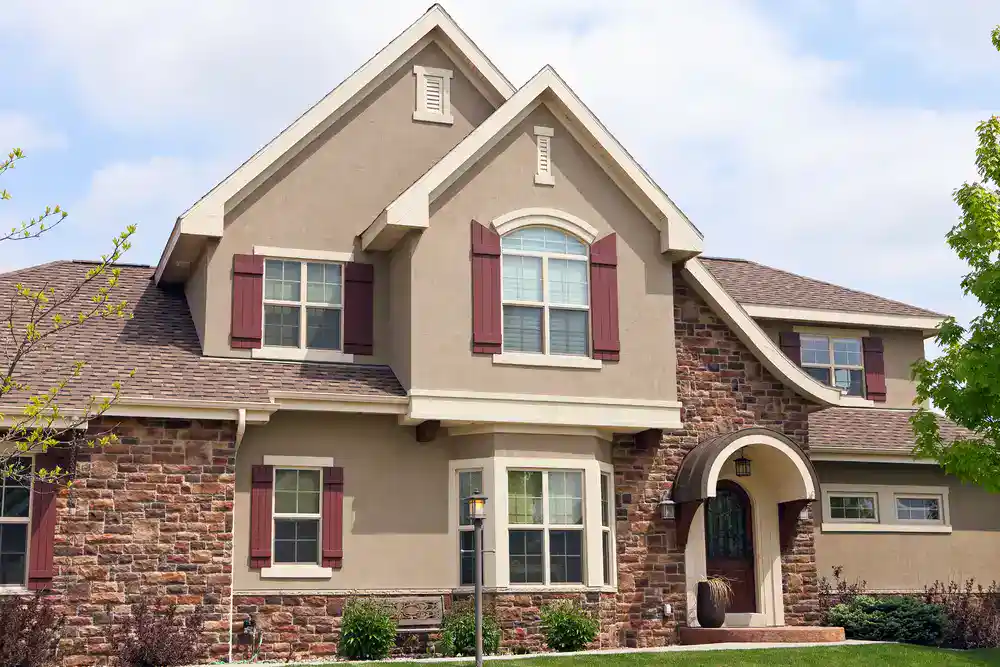
The stucco finishes gaining traction in 2026 San Diego exterior remodeling projects emphasize clean lines and subtle texture. Smooth finishes create a contemporary, almost minimalist look that works beautifully with modern architecture. These applications require skilled trowel work to achieve an even, blemish-free surface, but the result is striking—especially when paired with crisp trim and minimal ornamentation.
Sand finishes offer a middle ground between smooth and heavily textured. The fine aggregate creates visual interest and helps hide minor imperfections while maintaining a relatively clean appearance. This finish works across architectural styles, from Spanish Revival to contemporary, making it a versatile choice for diverse San Diego neighborhoods.
Cat face and lace finishes provide more texture while avoiding the dated look of older, rougher applications. These finishes create pattern and shadow play that adds dimension to flat walls without overwhelming the overall design. They’re particularly effective on homes with strong architectural lines that benefit from surface interest without competing textures.
Color integration is another area where modern stucco application has improved. Rather than relying solely on paint, many contractors now add pigment directly to the stucco mix. This approach creates more consistent, longer-lasting color that doesn’t require frequent repainting. The color penetrates through the material, so chips and minor damage are less noticeable than with painted surfaces.
The importance of proper sealing cannot be overstated for San Diego stucco. The coastal moisture and UV exposure will break down unsealed or poorly sealed stucco over time. Quality elastomeric sealers provide breathable protection that prevents moisture intrusion while allowing vapor to escape. This balance is critical for long-term performance and preventing the mold, mildew, and water damage that plague improperly sealed stucco in coastal climates.
Exterior color trends for stucco in 2026 reflect the broader shift toward warm, earthy tones that feel grounded and natural. The stark whites that dominated for years are giving way to warmer neutrals—think clay, warm taupe, sand, and soft terracotta. These colors work beautifully in San Diego’s golden light and complement the natural landscape better than cooler tones.
Earthy greens are making a strong showing, particularly sage, olive, and muted moss tones. These colors create a connection to California’s natural environment while offering something different from the beige-and-white combinations that have saturated neighborhoods. Paired with natural wood accents or stone elements, these greens feel organic and contemporary without being trendy.
Terracotta and ochre tones honor San Diego’s Spanish and Mediterranean architectural heritage while feeling fresh and current. These warm, sun-baked colors have depth that changes with the light throughout the day. They hide dust and minor imperfections better than lighter colors while avoiding the heat absorption issues of very dark tones.
UV protection is critical for any stucco color in San Diego. The intense sun exposure will fade unprotected colors within a few years. Quality exterior paints and sealers with UV inhibitors extend color life significantly. Lighter colors generally hold up better than very dark tones, which absorb more heat and can accelerate material degradation. That said, modern formulations have improved dark color performance considerably.
The trend toward matte finishes rather than glossy continues in 2026. Matte and flat finishes look more sophisticated and hide imperfections better than shiny surfaces. They also absorb less heat, which matters for both energy efficiency and material longevity. The tradeoff is that matte finishes can be slightly harder to clean, but for most San Diego applications, the aesthetic benefits outweigh this minor inconvenience.
Accent colors are being used more strategically in 2026 stucco applications. Rather than painting entire homes in bold colors, homeowners are using deeper or brighter tones on specific architectural elements—entry surrounds, window trim, or single accent walls. This approach lets you incorporate personality and current color trends without committing your entire exterior to a potentially dated choice.
The exterior remodeling trends shaping San Diego homes in 2026 share a common thread—they prioritize materials and designs that actually perform in California’s coastal climate while delivering the modern, personalized aesthetic homeowners want. Whether you’re drawn to fiber cement’s durability, mixed materials’ visual interest, or modern stucco’s refined textures, the key is choosing options that balance style with substance.
Your home’s exterior is a significant investment, and in San Diego County, it faces unique challenges that demand climate-appropriate solutions. UV-resistant materials, moisture management, fire resistance in certain zones, and low-maintenance options aren’t just nice-to-haves—they’re essential for protecting your investment and avoiding costly repairs down the road.
If you’re considering an exterior remodeling project, focus on materials engineered for coastal conditions, work with contractors who understand San Diego’s specific climate challenges, and choose colors and textures that complement both your home’s architecture and the surrounding environment. The trends highlighted here offer a starting point, but the best choice is always the one that fits your home, your budget, and your long-term goals. We bring 16 years of San Diego exterior remodeling experience to help you navigate these decisions and create an exterior that looks great and lasts.
Article details:
Share:
Continue learning: