Thinking about adding space to your home? Before you decide between an ADU and a bedroom addition, there are five mistakes worth knowing about first.
Share:
Summary:
If you’re a San Diego County homeowner weighing an ADU against a bedroom addition, you’re probably not short on opinions — you’ve got a contractor who swears one is better, a neighbor who did the other, and about fifteen browser tabs open with conflicting information. The real problem isn’t lack of options. It’s that most of the advice out there skips the part where things actually go wrong. These five mistakes come up over and over in this market, and catching them early can save you tens of thousands of dollars and months of frustration. Here’s what to watch out for before you sign anything.
An ADU — accessory dwelling unit, granny flat, casita, in-law suite, whatever you want to call it — is a fully self-contained unit. It has its own entrance, its own kitchen, its own bathroom. Legally and functionally, it operates independently from your main home. A bedroom addition is an expansion of your existing living space. It shares your home’s entrance, utilities, and systems. Same lot, same structure, more square footage.
That distinction matters more than most people realize. It affects your permit pathway, your construction costs, your financing options, and what you can actually do with the space once it’s built. Treating them as interchangeable — or assuming one is always cheaper than the other — is where a lot of projects start to go sideways.
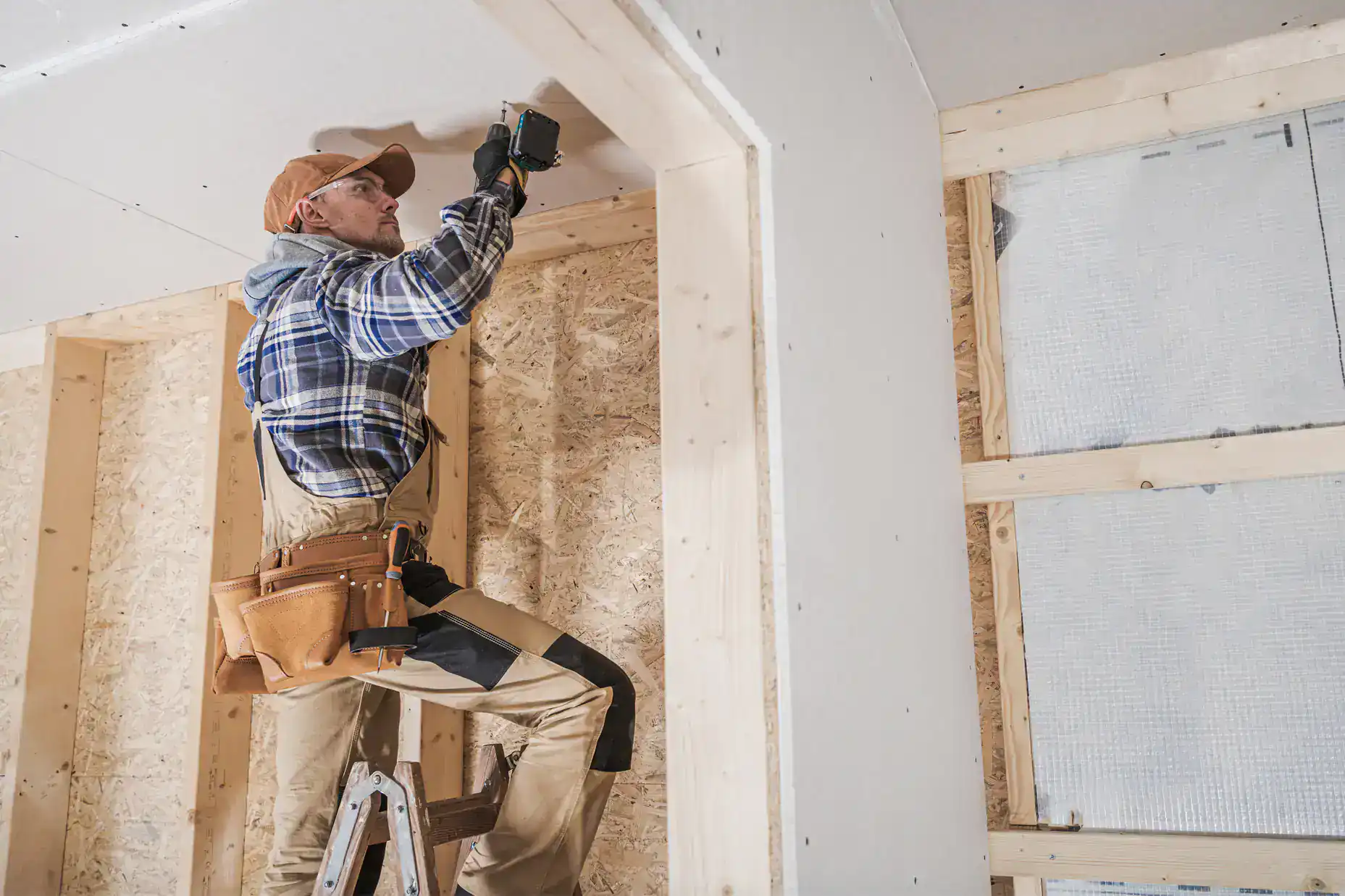
This is the most common mistake, and it happens before a single permit is pulled or a single contractor is called. A homeowner decides they want an ADU because they’ve heard it adds value — and it does, significantly. A 2024 UCLA study found that permitted ADUs in Southern California increased home values by $150,000 to $300,000. But if your actual goal is housing your mother-in-law while keeping her connected to the main house, a detached ADU might be the wrong solution entirely. A well-designed bedroom addition with a private entrance and en-suite bathroom could serve that goal better, at lower cost, with less permitting complexity.
The reverse is equally true. If your goal is generating rental income, a bedroom addition won’t get you there — at least not in the same way. You can’t legally rent out a bedroom addition as a separate unit. An ADU, on the other hand, is specifically designed for that purpose, and since California eliminated owner-occupancy requirements for ADUs permitted after January 1, 2025, the rental flexibility has only improved.
The fix is simple: start with the goal, not the product. Are you trying to generate monthly income? House a family member? Increase resale value? Add usable space for your own household? Each of those goals points toward a different solution, and the right answer isn’t always the one you started with. In San Diego County’s market specifically — where rental rates are among the highest in the country and multi-generational households are common — it’s worth slowing down on this step before anything else.
Construction costs in California have risen sharply. California’s Construction Cost Index climbed approximately 37% between January 2021 and January 2024, which means any estimate you found on a blog from a few years ago is probably understating what you’ll actually pay. In today’s San Diego market, a detached ADU typically runs $200,000 to $450,000 or more — roughly $375 to $600 per square foot for a turnkey unit. A bedroom addition with an en-suite bathroom generally falls in the $100,000 to $200,000 range, sometimes higher depending on site conditions and finishes.
Those numbers are real, but they’re only part of the picture. What often gets left out of early estimates — and what causes the most budget shock — are the soft costs. Permit fees in San Diego range from roughly $6,500 to $21,000 depending on the size and type of project. Utility connections, trenching, and site preparation can add $15,000 to $40,000 to an ADU project that looked straightforward on paper. School fees apply to ADUs over 500 square feet — San Diego Unified’s 2025 rate is $5.17 per square foot. These aren’t surprises if you plan for them. They become surprises when a contractor hands you a low bid that quietly excludes them.
A complete estimate should spell out exactly what’s included: permits, inspections, materials, labor, site prep, and utility work. If a quote doesn’t address those items directly, ask about each one before you sign. The contractors who include permit costs upfront and don’t pad the back end with change orders are the ones worth working with. That’s not a small distinction — it’s often the difference between a project that ends on budget and one that doesn’t.
Want live answers?
Connect with a MRH Pro Construction & Painting expert for fast, friendly support.
Not every contractor who says they build ADUs actually has the credentials to manage one legally in California. The California Contractors State License Board specifically recommends hiring a B General Contractor for ADU projects — someone licensed to oversee work involving two or more unrelated trades. That matters because ADU and bedroom addition projects touch framing, electrical, plumbing, exterior finishing, and more. A contractor without the right license isn’t just a risk to quality. They’re a risk to your permit, your timeline, and your investment.
Choosing the right contractor in San Diego County also means choosing someone who knows the local permit landscape. The City of San Diego, unincorporated county areas, and the 17 other incorporated cities each have their own permit offices and processing timelines. State law now requires local agencies to complete ADU plan review within 30 days — but only if the application is complete and code-compliant from the start. A contractor who’s navigated that process locally is worth more than one who’s guessing.
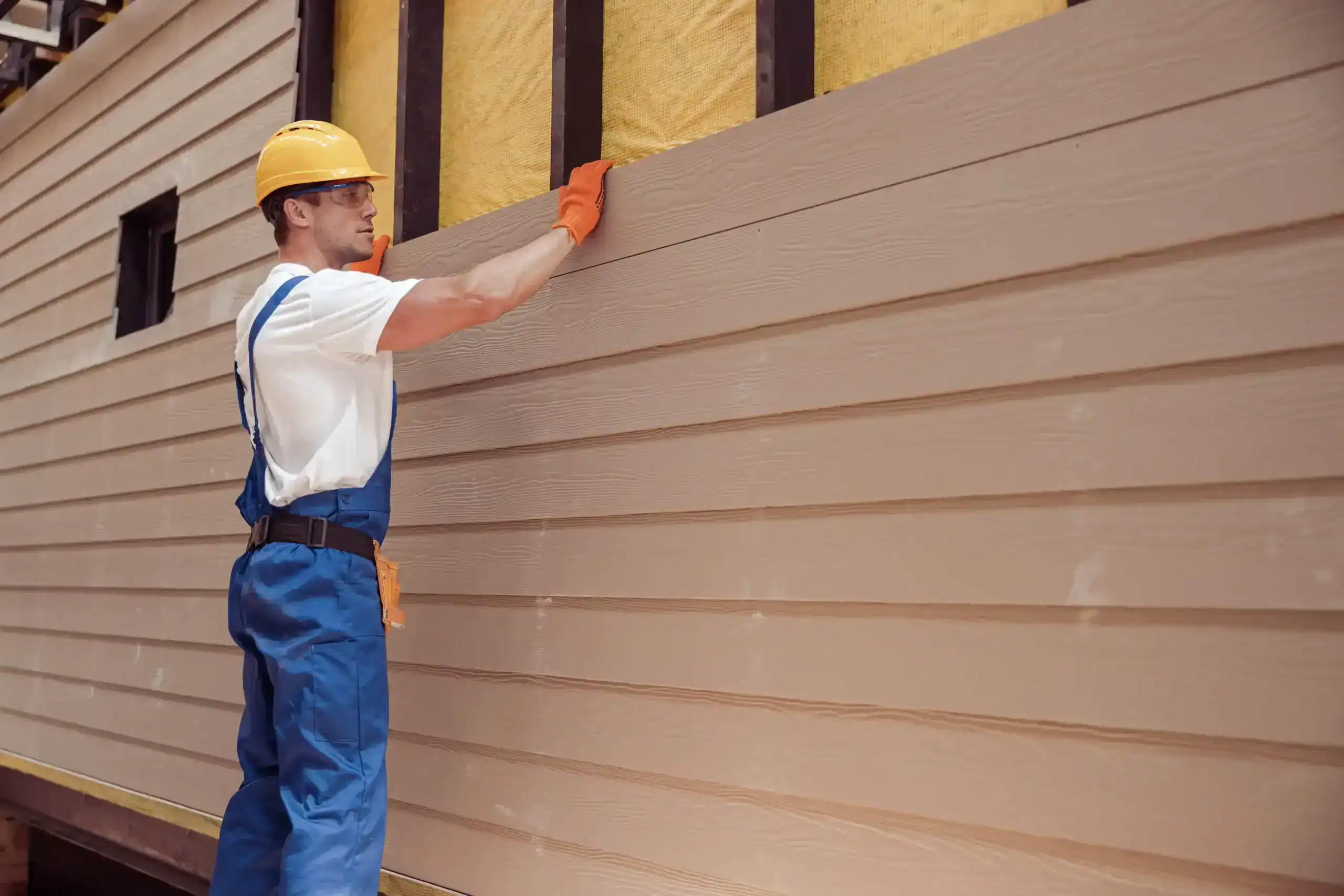
This one stings the most because it usually doesn’t come out until the crew shows up. You hired someone based on their portfolio, their reviews, maybe a good conversation. Then a completely different team walks through your gate — people you’ve never met, working for a company you’ve never heard of. The contractor you hired is now managing your job from a distance, if they’re managing it at all.
Subcontracting isn’t inherently wrong. Plenty of large general contractors use it responsibly. But in the residential remodeling space, it’s frequently used as a way to sell jobs that the contractor doesn’t have the crew to actually build. The result is inconsistent workmanship, communication gaps, and a clear answer to the question “who’s accountable when something goes wrong?” — which is nobody.
When you’re interviewing contractors, ask directly: who will be on my job site every day? Are they your employees or subcontractors? A contractor who uses direct, W-2 employees has skin in the game in a way that a broker doesn’t. Their crew’s reputation is tied to the company’s reputation. That accountability shows up in the quality of the work, the reliability of the timeline, and how quickly problems get resolved when they arise. In a market like San Diego County — where good crews are in demand and project timelines are already tight — knowing exactly who’s doing the work matters more than most homeowners realize until it’s too late.
We use direct employee crews only. The same seven-person team that starts your project finishes it. No handoffs, no strangers, no wondering who’s going to show up tomorrow morning.
These two mistakes often happen together. A homeowner gets a low bid, the contractor suggests skipping permits to keep costs down, and it sounds like a reasonable trade-off until it isn’t. Unpermitted additions and ADUs can result in stop-work orders, fines, forced demolition of completed work, and title complications that surface when you try to sell. In San Diego County, where ADU regulations have been evolving rapidly and permit offices are actively reviewing construction activity, unpermitted work carries real risk — not theoretical risk.
The permit process for ADU and addition projects in this county is genuinely complex. Requirements differ between the City of San Diego, Chula Vista, El Cajon, Escondido, Oceanside, and every other jurisdiction in the county. The 2025 California Building Standards Code, which became effective January 1, 2026, added another layer of requirements that older plan sets may not reflect. A contractor who’s current on those requirements and handles the permit process directly — including submitting complete, code-compliant applications — is protecting your investment in a way that goes well beyond the construction itself.
As for the low-bid problem: the cheapest quote almost never reflects the full cost of the project. It reflects what a contractor chose to include in order to win the job. The rest shows up later as change orders, upgrade requests, or work that simply doesn’t get done. Comparing bids requires looking at what each one actually covers — materials specified by name, permit costs addressed directly, site prep and utility work accounted for. A higher bid that includes everything is often less expensive than a lower bid that doesn’t. We include permit costs in every estimate we provide. No surprises at the end, no line items that appear after you’ve already signed.
San Diego homeowners — especially those in inland communities like Escondido, Santee, and El Cajon where fire-resistant exterior materials are increasingly required — also need to make sure their contractor is specifying the right materials for local conditions. James Hardie fiber cement siding, properly applied stucco systems, and correctly flashed windows aren’t cosmetic choices. They’re structural and code-related ones. Getting that wrong on a new ADU or bedroom addition creates maintenance problems and potential liability down the road.
The five mistakes covered here — choosing the wrong project type for your goal, budgeting from incomplete numbers, hiring a contractor who subcontracts the work, skipping permits, and accepting the lowest bid without scrutiny — are all avoidable. They’re also remarkably common, which is why so many San Diego County homeowners end up frustrated, over budget, or stuck mid-project with no clear path forward.
The right starting point is a conversation with a contractor who knows this market, has the licenses to back it up, and will tell you what the project actually involves before you commit to anything. That includes being honest about costs, realistic about timelines, and clear about who will be doing the work.
We’ve been doing exterior remodeling work in San Diego County for 16 years, and we hold both a B General Contractor license and a C33 specialty license. We also offer a 10% discount for military members and seniors — something that matters in a county home to Naval Base San Diego, Camp Pendleton, and MCAS Miramar. If you’re weighing your options and want a straight answer, reach out to us. We’re based in Escondido and serve homeowners throughout San Diego County.
Article details:
Share:
Continue learning: