That hairline crack in your stucco isn't just "character"—it's a neon warning sign. Learn how San Diego pros spot trouble early and why your wallet will thank you.
Share:
Summary:
Stucco doesn’t just fall off the house in a fit of rage. It usually gives you several polite, quiet warnings that it’s about to quit. The problem is that most of these warnings look like nothing to the untrained eye—or they just look like the house is getting “distressed” for that trendy farmhouse look.
In San Diego County, these “minor” symptoms accelerate faster than a tourist on a rental scooter. The salt-saturated air from ocean breezes acts like a slow-motion wrecking ball, penetrating the stucco and weakening the cement bond. If you see a tiny line near your window, it’s not just a line; it’s a “water highway” that’s been open for business since the last marine layer rolled through. UV exposure in the 619 and 858 area codes is also a major player. The sun bleaches the life out of your exterior, making the stucco brittle. Combine that with the daily temperature dance—cool, foggy mornings followed by 85-degree afternoons—and you get constant expansion and contraction. Your house is basically doing a yoga session every 24 hours, and if the stucco isn’t flexible, it’s going to snap.
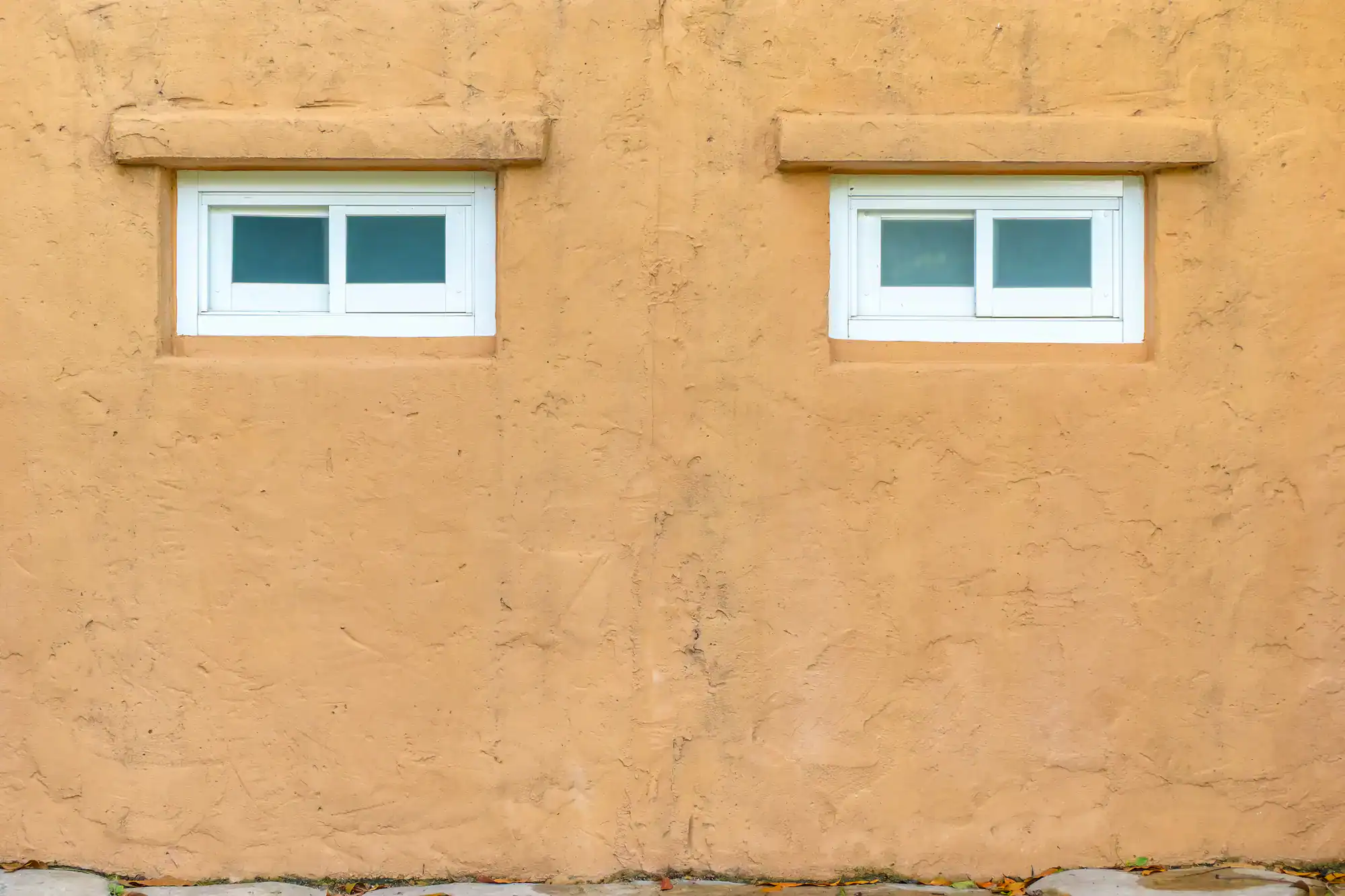
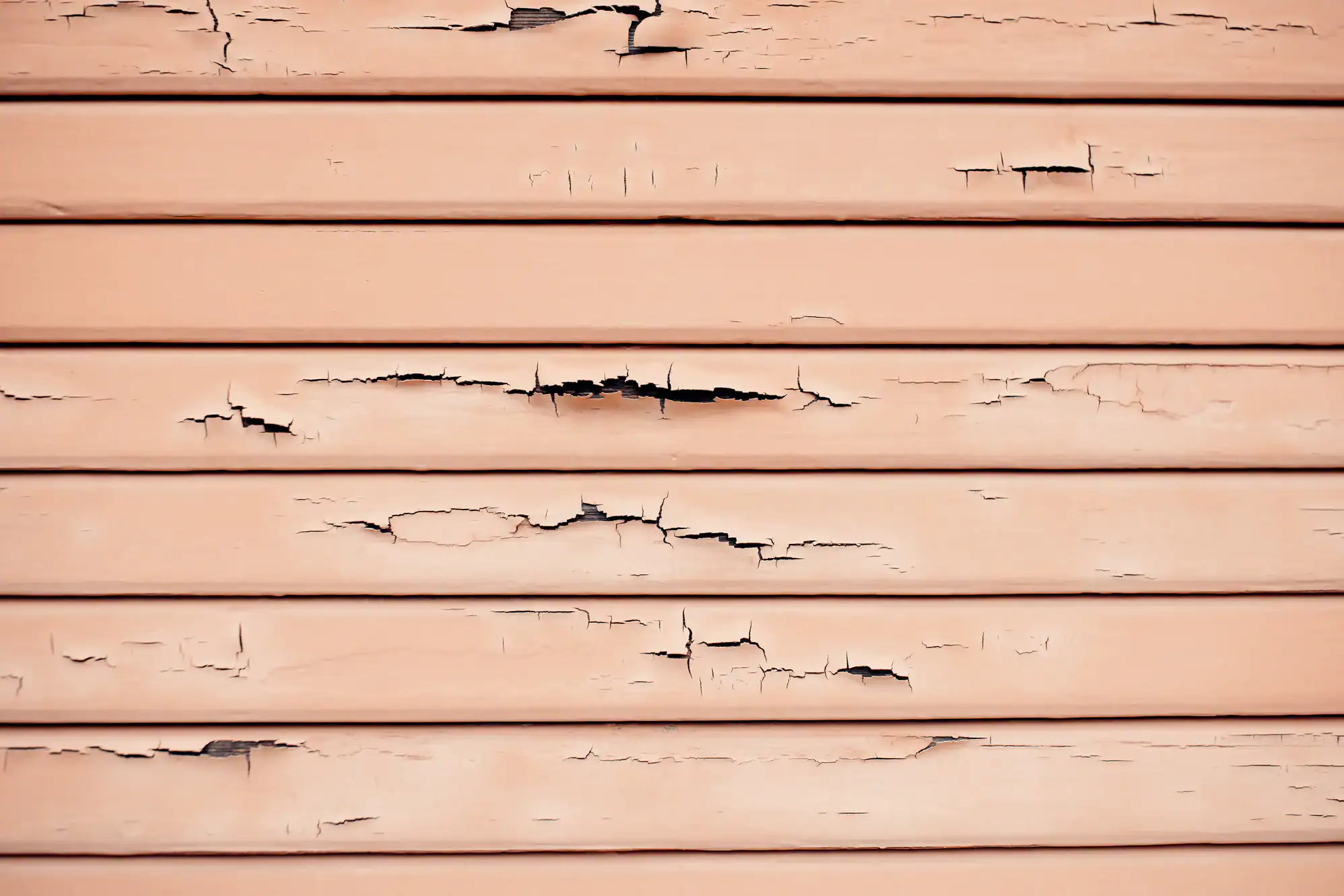
When we pull up to your curb, we’re already scanning for “tells.” First on the list are Cracks, but we’re picky. Hairline fractures are like the “fine lines” of aging—annoying, but manageable. However, “stair-step” cracks or anything wider than a credit card around doors and windows? That’s a signal that your house is moving more than it should, and water is definitely invited.
Second is Discoloration. If you see dark streaks or greenish-black patches, your stucco isn’t just “dirty.” It’s wet. In San Diego, these stains usually hide on the north-facing walls that never get enough sun to dry out. That stain is a flag planted by moisture, and it usually means mold is trying to set up a colony behind your finish.
Third is Bulging and Bubbling. If your wall looks like it’s holding its breath, you’ve got a problem. This usually means the metal lath underneath is rusting and expanding, pushing the stucco outward. This is a “code red” situation—it means the structural “skeleton” of your exterior is losing the battle against the salty San Diego air.
Have you ever seen a white, powdery substance on your stucco that looks like your house has a salt habit? That’s efflorescence. It’s not just an ugly cosmetic issue; it’s literally the minerals in your wall being dissolved by water and pushed to the surface. It’s the stucco maintenance equivalent of a “check engine” light.
In a dry desert, efflorescence might just be a sign of a leaky hose. In coastal San Diego, it’s proof that moisture is traveling through your walls. That powder is what’s left behind after the water evaporates, and it tells us exactly where the water is moving. If you see it, the “invisible” damage has already started.
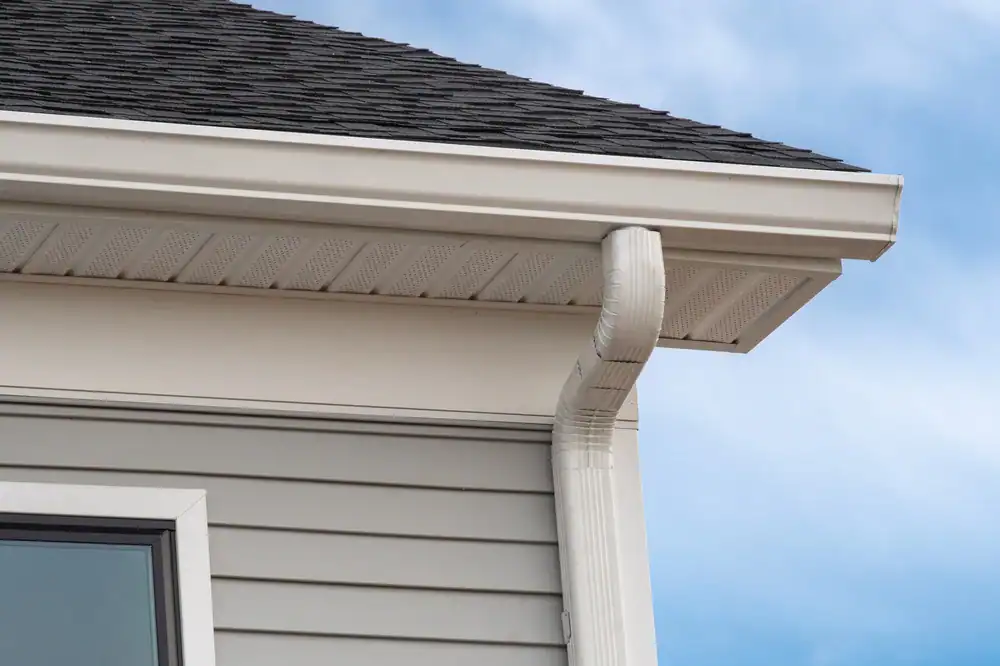
Catching this early is the difference between a quick “power wash and seal” and a “tear it all down” nightmare. If we find the source of the water—maybe a bad gutter or a leaky window seal—we can stop the mineral drain before your stucco becomes as brittle as a stale cracker.
Want live answers?
Connect with a MRH Pro Construction & Painting expert for fast, friendly support.
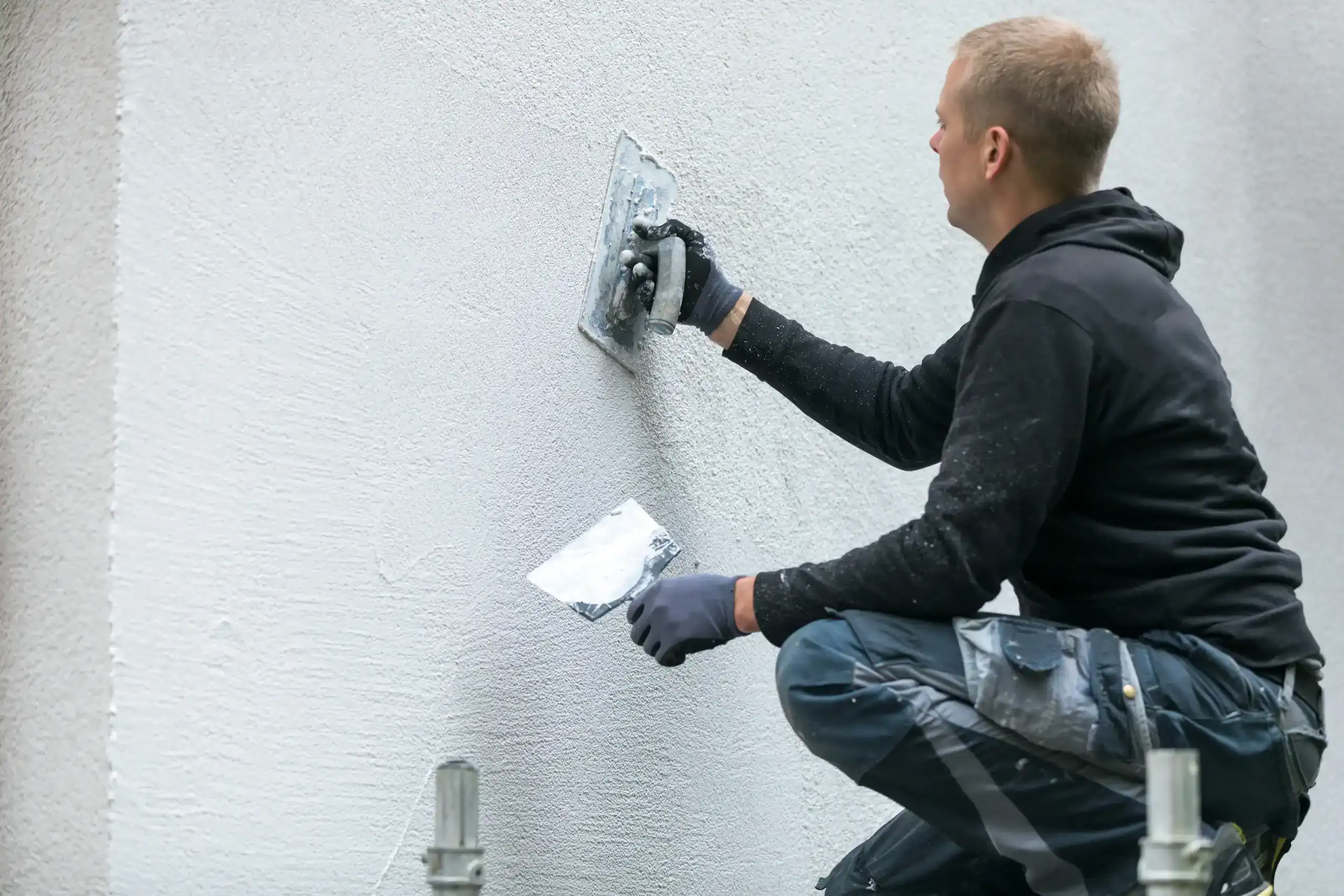
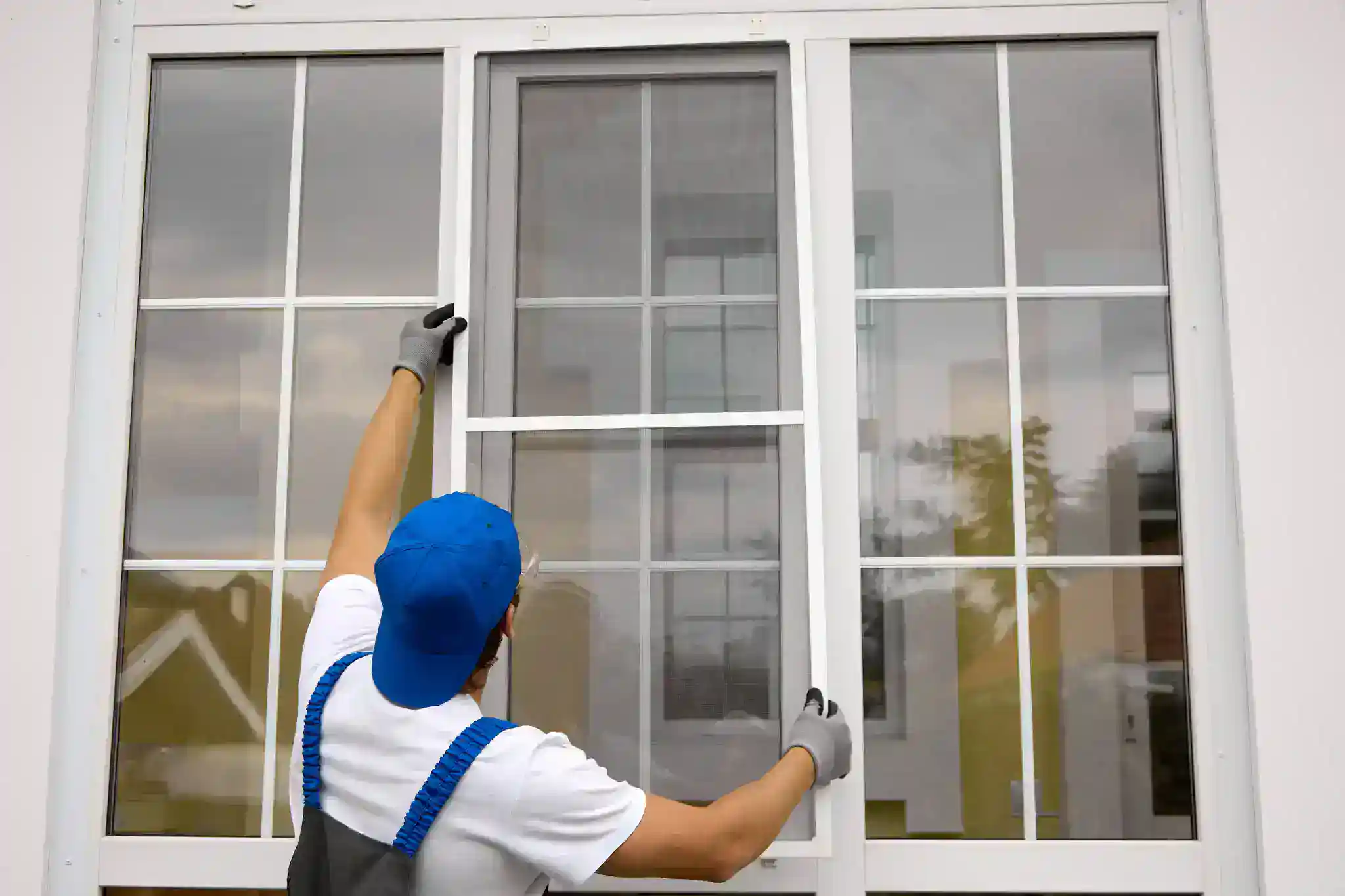
A real stucco inspection isn’t a “drive-by” glance from a guy in a truck. We get up close and personal. At MRH Pro, we use our direct 7-person crew—no subcontractors who might be in a rush to get to their next gig. We check the flashing around every window and door because, frankly, most “stucco leaks” are actually “window leaks” in disguise.
We also check for Clearance. In San Diego, we love our landscaping, but if your stucco is touching the dirt, it’s basically a giant straw sucking moisture up from the ground. This is called “wicking,” and it leads to the bottom of your house flaking off like a bad sunburn. We look for that 6-inch gap that keeps your walls dry and your termite inspector happy.
Finally, we test for “delamination.” We’ll gently tap on suspicious areas to listen for a hollow sound. If it sounds like a drum, the stucco has separated from the wall. Catching a hollow spot now is a $500 fix; waiting until a 20-pound chunk of cement falls onto your rosebushes is a much bigger (and scarier) problem.
Let’s talk numbers, because that’s what really keeps us up at night. In San Diego County, a proactive “hairline” repair might cost you $300 to $600. We clean it, seal it with high-grade elastomeric materials, and blend it in. You’re done in time for lunch, and your home’s “envelope” is sealed tight against the next rain.
Now, let’s look at the “I’ll do it next year” plan. That crack widens, the marine layer seeps in, and the wood studs behind the stucco start to rot. Now we aren’t just talkin’ about a patch; we’re talking about cutting out the wall, replacing rotted wood, treating for mold, and rebuilding the stucco layers. Suddenly, your $500 fix has matured into a $7,000 headache.
The exponential cost of waiting is why we advocate for an annual “walk-around.” It’s much easier to maintain your home’s value when you aren’t fighting a full-blown structural crisis. Buyers in San Diego are terrified of stucco issues—having a well-maintained, crack-free exterior is one of the best ways to make sure your home sells fast and for top dollar.
Your home’s stucco is its suit of armor. It’s standing there 24/7, taking hits from the Pacific salt air and the high-noon sun so you can stay cool and dry inside. But even the best armor needs a tune-up once in a while. Ignoring the small signs is just giving the elements a head start.
At MRH Pro Construction & Painting, we’ve spent 16 years perfecting the art of the “Invisible Fix.” We know the difference between a house settling and a house suffering. We don’t believe in “good enough”—we believe in doing it right the first time so you don’t have to see us again for a long, long time.
If you’ve noticed a new crack, a weird stain, or some “white powder” on your walls, don’t wait for the next big storm to test it out. Give us a shout, and let’s keep your home’s exterior as solid as a rock.
Article details:
Share:
Continue learning: