Choosing a painting contractor in San Diego requires more than comparing prices. Learn what separates quality professionals from risky hires.
Share:
Summary:
San Diego’s climate isn’t forgiving to mediocre paint jobs. The constant UV exposure, salt air from the coast, and temperature swings between morning fog and afternoon heat create conditions that expose every shortcut a contractor takes.
A quality painting contractor understands these challenges. We know which primers work on stucco in coastal areas like Del Mar and Coronado. We understand that proper surface prep determines whether your exterior paint lasts eight years or starts failing in two. We use materials formulated for high-UV environments and coastal moisture, not whatever’s cheapest at the hardware store.
Beyond materials and technique, the right contractor shows up when they say they will, communicates clearly throughout the project, and provides detailed written estimates so you know exactly what you’re paying for. That reliability matters just as much as the quality of the work itself. When you’re searching for a painting contractor near you, these fundamentals separate professionals from pretenders.
If you live near the coast—from Oceanside down to Imperial Beach—your home faces a constant assault from salt-laden air. Those salt particles don’t just sit on the surface. They penetrate into paint and stucco, accelerating corrosion of metal components like flashing and wire mesh. Over time, this leads to rust stains, premature paint failure, and structural issues that cost far more to fix than doing it right the first time.
The intense UV radiation San Diego receives year-round breaks down paint at the molecular level. It’s not just about fading colors. UV exposure actually degrades the paint film itself, causing chalking, cracking, and loss of adhesion. Standard paints formulated for national average climates simply can’t handle this level of exposure. This is why experienced painting services in San Diego emphasize UV-resistant coatings.
Temperature fluctuations create another layer of stress. Even though San Diego doesn’t experience extreme winters, the daily cycle of cool mornings and hot afternoons causes materials to expand and contract. Stucco, siding, and trim are constantly moving. Paint needs enough flexibility to move with them without cracking.
Stucco dominates San Diego’s residential landscape, and it presents its own set of challenges. Cracks are common due to settling, seismic activity, and thermal stress. Water infiltration through these cracks leads to mold, mildew, and structural damage. A knowledgeable painting contractor addresses these issues during surface prep rather than just painting over them and hoping for the best.
Coastal moisture combined with heat creates perfect conditions for mildew and algae growth. You’ve probably seen those dark stains on north-facing walls or areas that don’t get much sun. Quality exterior coatings include mildew inhibitors, and proper application techniques ensure the paint forms a protective barrier rather than trapping moisture behind it.
The bottom line? San Diego’s combination of salt air, UV exposure, temperature swings, and moisture requires contractors who understand these specific challenges and use appropriate materials and techniques. A contractor from out of the area or one who doesn’t specialize in coastal conditions will likely deliver results that look fine initially but fail prematurely.
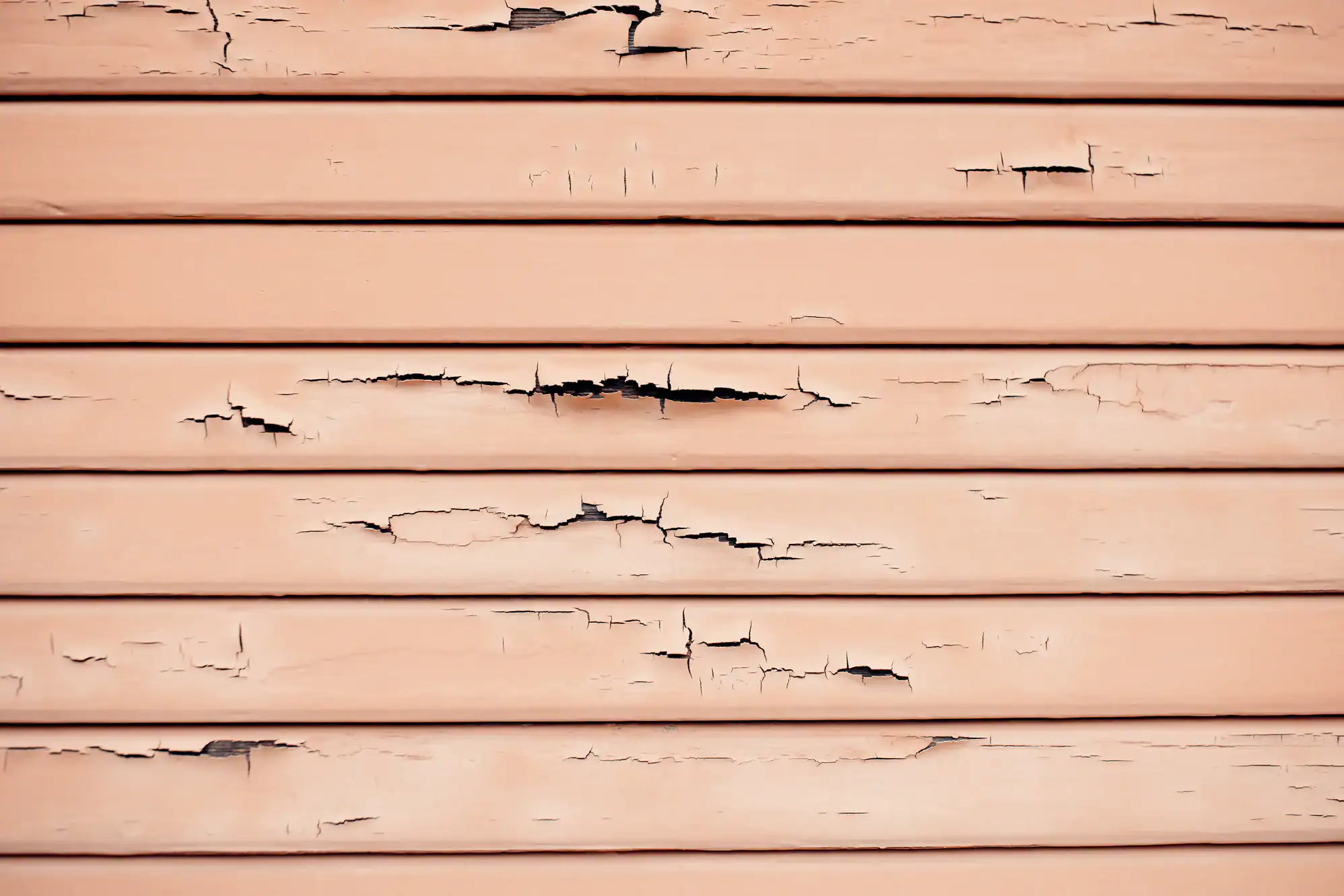
Surface preparation is where most painting projects succeed or fail, yet it’s also where corners get cut most often. A contractor who rushes through prep work or skips steps entirely might save a few hours upfront, but you’ll pay for it within a couple of years when the paint starts peeling, bubbling, or cracking.
Proper prep for exterior painting in San Diego starts with thoroughly cleaning all surfaces to remove dirt, salt deposits, mildew, and any chalking from old paint. This typically involves pressure washing, but it needs to be done correctly—too much pressure can damage stucco or wood siding. Some contractors skip this step or do a quick rinse that doesn’t actually remove contaminants. Those contaminants prevent the new paint from bonding properly.
After cleaning, surfaces need time to dry completely. Painting over damp surfaces, especially stucco, traps moisture and leads to blistering and peeling. Experienced contractors understand San Diego’s microclimates—coastal areas take longer to dry than inland valleys like Poway or Escondido—and plan their schedules accordingly.
Scraping and sanding come next. All loose or peeling paint must be removed, and surfaces need to be sanded smooth. This creates the proper profile for paint adhesion. Skipping this step or doing it halfheartedly means the new paint is essentially being applied over a surface that’s already failing.
Caulking and patching are critical, especially for stucco homes. Every crack, gap, and damaged area needs to be addressed before painting. Quality contractors use elastomeric caulks that can flex with the building’s movement. We don’t just smear caulk over cracks and call it done—we properly clean and prepare each area first.
Priming is often where contractors try to save money, but it’s essential for long-lasting results. Bare wood, stucco, or areas where paint has been scraped down to the substrate all need appropriate primers. Different substrates require different primers. A contractor who uses one universal primer for everything or skips priming altogether is setting you up for problems.
The time and labor involved in proper surface preparation often exceeds the time spent actually painting. That’s why detailed estimates should break down prep work separately. If a contractor’s estimate glosses over prep or seems too cheap compared to others, they’re probably planning to cut corners here. Those shortcuts might save them a few hundred dollars in labor, but they’ll cost you thousands in premature repainting.
Want live answers?
Connect with a MRH Pro Construction & Painting expert for fast, friendly support.
Start with the basics that protect you legally and financially. Every painting contractor in California should have a valid contractor’s license. For painting work, that’s typically a C-33 license. General contractors with B licenses can also perform painting as part of larger remodeling projects. You can verify any license through the California Contractors State License Board website.
Insurance matters just as much as licensing. A contractor should carry both general liability insurance and workers’ compensation coverage. General liability protects you if something gets damaged during the project. Workers’ comp protects you if someone gets injured on your property. Don’t just take their word for it—ask to see current certificates of insurance.
Experience with San Diego’s specific challenges should be a major factor in your decision. A contractor who’s been working in the area for years understands coastal climate issues, knows which products hold up best in neighborhoods from Mission Hills to Rancho Bernardo, and has relationships with local suppliers. We can also provide local references you can actually check.
A detailed written estimate tells you a lot about how a contractor operates. It should break down the scope of work clearly—which surfaces will be painted, how many coats, what type and brand of paint, and what prep work is included. Vague estimates with just a total price are red flags. This applies whether you’re looking for residential painting services or commercial work.
Look for specifics about surface preparation. The estimate should detail cleaning methods, scraping and sanding, caulking and patching, and priming. If these items aren’t mentioned or are lumped into one generic “prep” line, ask for clarification. This is where quality contractors distinguish themselves from those who cut corners.
Paint specifications matter. The estimate should specify the brand, product line, and finish for both primer and topcoats. Different paint products have vastly different performance characteristics and costs. A contractor using premium paint formulated for coastal climates will charge more than one using basic paint, but the longevity difference is substantial.
The number of coats should be clearly stated. For most exterior applications, you’re looking at one coat of primer plus two coats of finish paint on properly prepared surfaces. Some contractors try to get away with one coat of finish paint, which rarely provides adequate coverage or protection.
Timeline and payment terms should be included. When will the work start and finish? What’s the payment schedule? Be wary of contractors who want large upfront payments or full payment before completion. Standard practice is a small deposit to secure the schedule, progress payments at specific milestones, and final payment after you’ve inspected and approved the completed work.
Warranties and guarantees should be in writing. What’s covered and for how long? Quality contractors stand behind their work with warranties of at least two years on workmanship. Material warranties come from the paint manufacturer, but the contractor should explain what’s covered.
Don’t automatically choose the lowest bid. If one estimate is significantly lower than others, that contractor is either planning to cut corners, using inferior materials, or may not be properly licensed and insured. The goal is finding the best value—quality work at a fair price, not the cheapest option available.
Compare estimates side by side, looking at what’s actually included rather than just the bottom line. Sometimes a higher estimate includes more thorough prep work, better materials, or additional coats that a cheaper estimate doesn’t mention. You’re not comparing apples to apples unless the scope of work is identical.
Start with the basics. Ask to see their contractor’s license and verify it’s current and in good standing. Request copies of their insurance certificates and confirm coverage is active. These aren’t rude questions—they’re standard practice, and any legitimate contractor expects them.
Ask about their experience specifically in San Diego. How long have they been working in the area? Do they have experience with your type of project—stucco, wood siding, coastal properties? Can they provide local references from recent projects similar to yours in neighborhoods like Carlsbad, La Mesa, or Point Loma? Actually call those references and ask about their experience.
Dig into the details of how they’ll approach your project. What specific prep work will they do? Which products do they plan to use and why? How many coats will they apply? What’s their process for protecting landscaping, windows, and other areas that won’t be painted? Detailed answers demonstrate knowledge and professionalism.
Ask who will actually be doing the work. Will it be the owner and their regular crew, or do they subcontract to other crews? There’s nothing inherently wrong with subcontracting, but you should know who’s working on your property and whether they’re covered by the contractor’s insurance and workers’ comp. Direct crews often provide more consistent quality and accountability.
Find out about their schedule and timeline. When can they start? How long will the project take? What happens if weather delays the work? How will they communicate with you throughout the project? Good contractors maintain clear communication and keep you informed of progress and any issues that arise. This transparency is what separates professional painting services from fly-by-night operations.
Ask about their warranty. What specifically is covered and for how long? What’s not covered? What’s the process if something goes wrong after completion? A contractor who’s confident in their work will have clear warranty terms and won’t hesitate to discuss them.
Don’t forget to ask about the practical details. Will they provide daily cleanup? Where will they store materials and equipment? What hours will they work? Do you need to be home during the work? These logistical questions help you understand what to expect during the project.
Finally, trust your instincts about communication and professionalism. Did they show up on time for the estimate? Did they return your calls promptly? Did they listen to your concerns and answer your questions thoroughly? These early interactions are good indicators of how they’ll handle the actual project.
Choosing the right painting contractor comes down to finding someone who combines technical expertise with reliability and clear communication. You’re looking for a contractor who understands San Diego’s climate challenges, uses quality materials and proper techniques, provides detailed written estimates, and stands behind their work with solid warranties.
Don’t rush the decision. Take time to get multiple estimates, check references, verify licenses and insurance, and ask the questions that matter. The lowest price rarely delivers the best value, and cutting corners on prep work or materials almost always costs more in the long run through premature paint failure and the need for early repainting.
Pay attention to how contractors communicate throughout the estimating process. The contractor who takes time to explain their approach, answers your questions thoroughly, and provides detailed documentation is likely to bring that same professionalism to the actual work. When you’re ready to move forward with a painting project that’s done right the first time, MRH Pro Construction & Painting brings 16 years of San Diego County experience and the expertise to deliver results that last.
Article details:
Share:
Continue learning: