San Diego renovations cost more than materials alone—permits, inspections, and surprises add up fast.
Share:
Summary:
In San Diego, retroactive permit costs typically range from $500 to $2,000, with standard residential renovations averaging $1,000-1,500. But that’s just the baseline—your actual permit expenses depend heavily on project scope and location within the county.
Building permit fees are collected at different points: project submittal, during review, at permit issuance, and during inspection. Most homeowners only budget for the initial application fee, missing the ongoing inspection costs that add up throughout the project.

San Diego’s permit structure includes layers of fees that many contractors don’t explain upfront. Impact fees are collected for development in urbanized areas, due at final inspection but payable anytime after permit issuance. These aren’t optional—they fund essential infrastructure improvements that support new development.
Complex projects like structural modifications or electrical system overhauls typically incur higher permit fees than simpler renovations. If you’re planning window replacement that requires structural changes, or stucco work that involves electrical updates, expect permit costs to climb significantly.
The location within San Diego County also matters. Urban areas often charge higher fees, with some jurisdictions imposing penalty multipliers of 2-4 times the standard permit cost for unpermitted work. This is why working with experienced contractors who understand local requirements is vital—mistakes here get expensive fast.
Water and sewer connection fees add another layer. Water services and sewer lateral installation fees are collected on behalf of the Public Utilities Department and determined during the building permit plan review process. Even exterior renovations can trigger these requirements if they affect your home’s water usage or drainage patterns.
Inspection fees are collected at the time of permit issuance, but many homeowners don’t realize how many inspections their project will require. A typical exterior renovation might need foundation inspections, framing inspections, electrical inspections, and final inspections—each with its own fee.
Inspections are critical for retroactive permits since work has already been completed, often requiring opening walls or correcting substandard work. If inspectors find issues that don’t meet current code, you’re looking at additional work and costs to bring everything into compliance.
Inspections outside normal business hours carry fees of one and one-half times the standard rate, with a minimum two-hour charge. If your contractor’s schedule requires weekend or evening inspections to keep the project moving, those premium rates add up quickly.
Storm water inspections present another potential expense. Large projects and those near sensitive biological water resources require weekly or biweekly storm water inspections, with all projects classified as high, medium, or low priority based on discharge risk. Coastal properties in San Diego County often fall into higher-risk categories, triggering more frequent and expensive inspection requirements.
Want live answers?
Connect with a MRH Pro Construction & Painting expert for fast, friendly support.
Skilled labor in San Diego averages $75-$200 per hour, with high demand driving premium rates. But hourly rates don’t tell the whole story. The real cost comes from how long projects actually take versus initial estimates, especially when dealing with older homes or coastal weather challenges.
Labor costs in San Diego are higher than the national average, with experienced contractors charging between $75 and $150 per hour. Quality contractors book months in advance, and rushing to hire available contractors often means paying premium rates or accepting lower quality work.
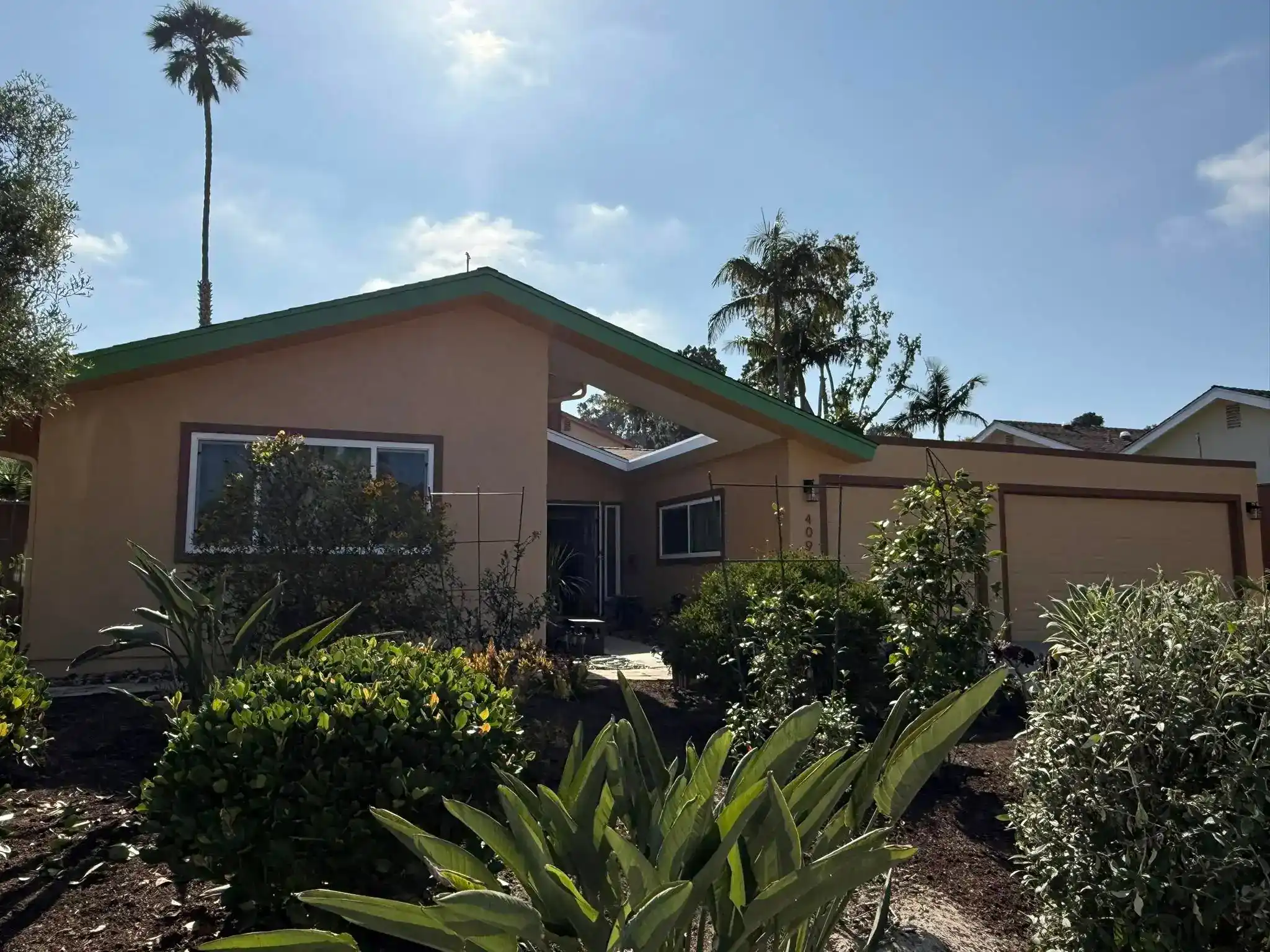
In coastal areas like Encinitas, Del Mar, and Solana Beach, salty air and sun exposure take a toll on materials over time, requiring specific product choices for durability. Standard materials that work inland often fail prematurely near the coast, making the initial investment in quality materials essential rather than optional.
Local trends favor eco-friendly and luxury materials, which increase costs but provide better performance in San Diego’s climate. What looks like an expensive upgrade often proves to be the most cost-effective choice when you factor in longevity and maintenance requirements.
Some stucco finishes lose their attractiveness shortly after installation under the merciless California sun, while proven methods stand the test of time. Choosing materials based on price alone often leads to premature replacement costs that dwarf the initial savings.
Window replacement provides a clear example. Window replacement in San Diego ranges from $390 to $1,128 installed, but coastal properties need windows that can handle salt air corrosion and UV exposure. The cheapest windows might save money upfront but require replacement much sooner than quality coastal-rated products.
It’s important to budget 15-20% extra for unexpected costs such as structural issues, outdated wiring, or hidden water damage. In San Diego’s older neighborhoods, these surprises are more common than most homeowners expect, particularly in homes built before current seismic and energy codes.
Older homes often have shortcuts or workarounds that were effective but aren’t legal, requiring expensive changes to meet current code. If there’s been no major construction in decades, current setups likely don’t meet today’s regulations. Bringing electrical, plumbing, or structural elements up to current standards can add thousands to your project budget.
According to renovation experts, homeowners should budget 20 to 25% extra for surprise issues. Foundation problems, hidden water damage, or outdated electrical systems aren’t just inconveniences—they’re safety issues that must be addressed before completing your renovation.
In San Diego, Title 24 energy compliance, plumbing upgrades, and seismic retrofits can drive up costs significantly. These are required improvements that make sure your home meets current safety and efficiency standards.
The discovery process often reveals problems that weren’t visible during initial planning. Wiring, plumbing, and insulation systems might be in poor condition without homeowners realizing existing problems, leading to unexpected costs and complications. Professional inspections before starting work can identify some issues, but others only become apparent once walls are opened or structures are exposed.
Understanding these hidden costs isn’t meant to discourage your renovation plans—it’s about setting realistic expectations so your project succeeds. Planning your budget carefully helps avoid financial stress, focusing on high-impact areas like kitchens and bathrooms while setting aside 10-20% for unforeseen expenses.
The key is working with contractors who understand San Diego County’s unique requirements and can guide you through the permit process efficiently. Working with a contractor familiar with San Diego’s permitting process guarantees all required documents are submitted correctly, avoiding delays.
For expert guidance on your exterior renovation project, we at MRH Pro Construction & Painting bring 16 years of experience navigating San Diego County’s requirements while delivering quality results that last.
Article details:
Share:
Continue learning: